









The process of scoring a video game changes fundamentally when the composer transitions from the structured narrative of a single-player campaign to the unpredictable theater of an online multiplayer match. According to veteran video game composer Jason Graves, the musical framework required for competitive multiplayer environments demands an entirely different creative
philosophy, one rooted in flexibility, relentless momentum, and psychological reinforcement.
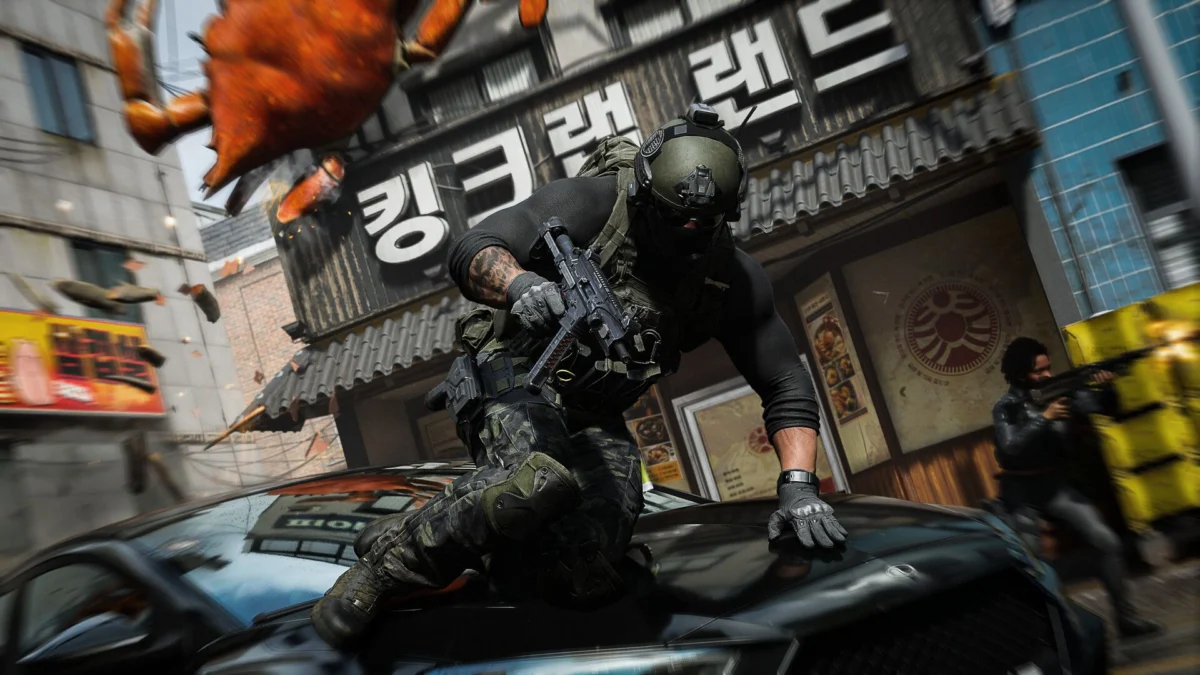
In a recent interview discussing his work on the audio landscape of Call of Duty: Modern Warfare 4, Graves detailed the distinct challenges he faced when crafting the soundtrack for the game’s chaotic online modes. While a campaign score relies heavily on predetermined story beats, specific character arcs, and fixed geographical locations, multiplayer demands a score capable of adapting to millions of unique, player-driven scenarios where the outcome is never guaranteed.
The Evolution of First-Person Shooter Soundtracks
To fully understand the weight of modern first-person shooter scores, it is necessary to examine how audio design has evolved within the AAA gaming industry over the past two decades. Early arcade-style shooters relied on repetitive, high-energy chiptunes or straightforward rock loops to keep players engaged. As technology advanced into the seventh generation of consoles—marked by titles like the original Call of Duty 4: Modern Warfare released in 2007—composers began treating video game scores with the same cinematic gravity as Hollywood blockbusters.
However, a distinct divide soon emerged between single-player and multiplayer audio design. Single-player campaigns functioned much like traditional feature films. Composers could write specific musical cues that synced precisely with scripted explosions, emotional character deaths, and cinematic set-pieces. Multiplayer modes, by contrast, treated music as an afterthought for many years, often restricting audio cues to simple loading screens, match introductions, and dramatic sudden-death overtimes.
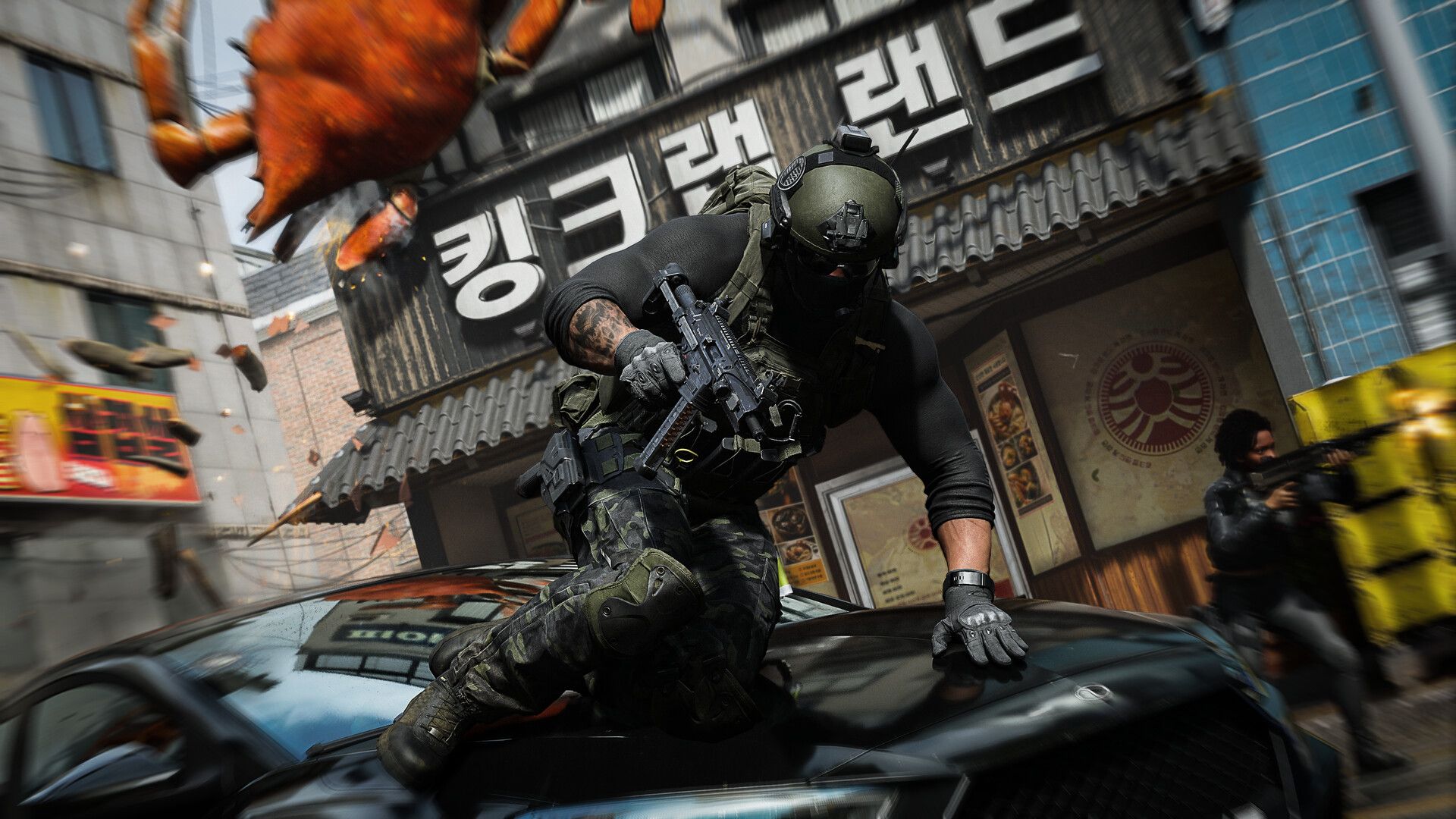
In recent years, developers like Infinity Ward have recognized that dynamic, ambient, and reactive multiplayer music can significantly enhance immersion, player retention, and overall emotional investment. This realization paved the way for industry veterans like Jason Graves to build sophisticated musical systems tailored specifically for online combat.
Navigating the Unpredictability of Online Warfare
The core challenge of scoring multiplayer maps, Graves explained, lies in designing music that supports the player without ever interfering with critical gameplay audio cues, such as enemy footsteps, reload sounds, or weapon fire.
"The biggest difference is how the music functions within the game," Graves noted during his discussion with TechRadar Gaming. "In a single-player campaign, you’re usually following a narrative with specific characters, locations, and dramatic moments. You have a much better idea of what the player is experiencing and when."
Multiplayer, on the other hand, presents a blank canvas of variables. A team might secure a comfortable lead within the first two minutes of a Domination match, only to suffer a devastating comeback in the final seconds. A Search and Destroy round might end in a quiet, tense one-versus-one standoff or a chaotic, explosive firefight within seconds of the spawn barrier dropping.
"You have no idea how any given match is going to unfold, so the music needs to work within a much more flexible framework," Graves stated. "It’s less about following a story and more about supporting the player’s experience without getting in the way of the gameplay."
Immersive Research: Playing to Understand the Vibe
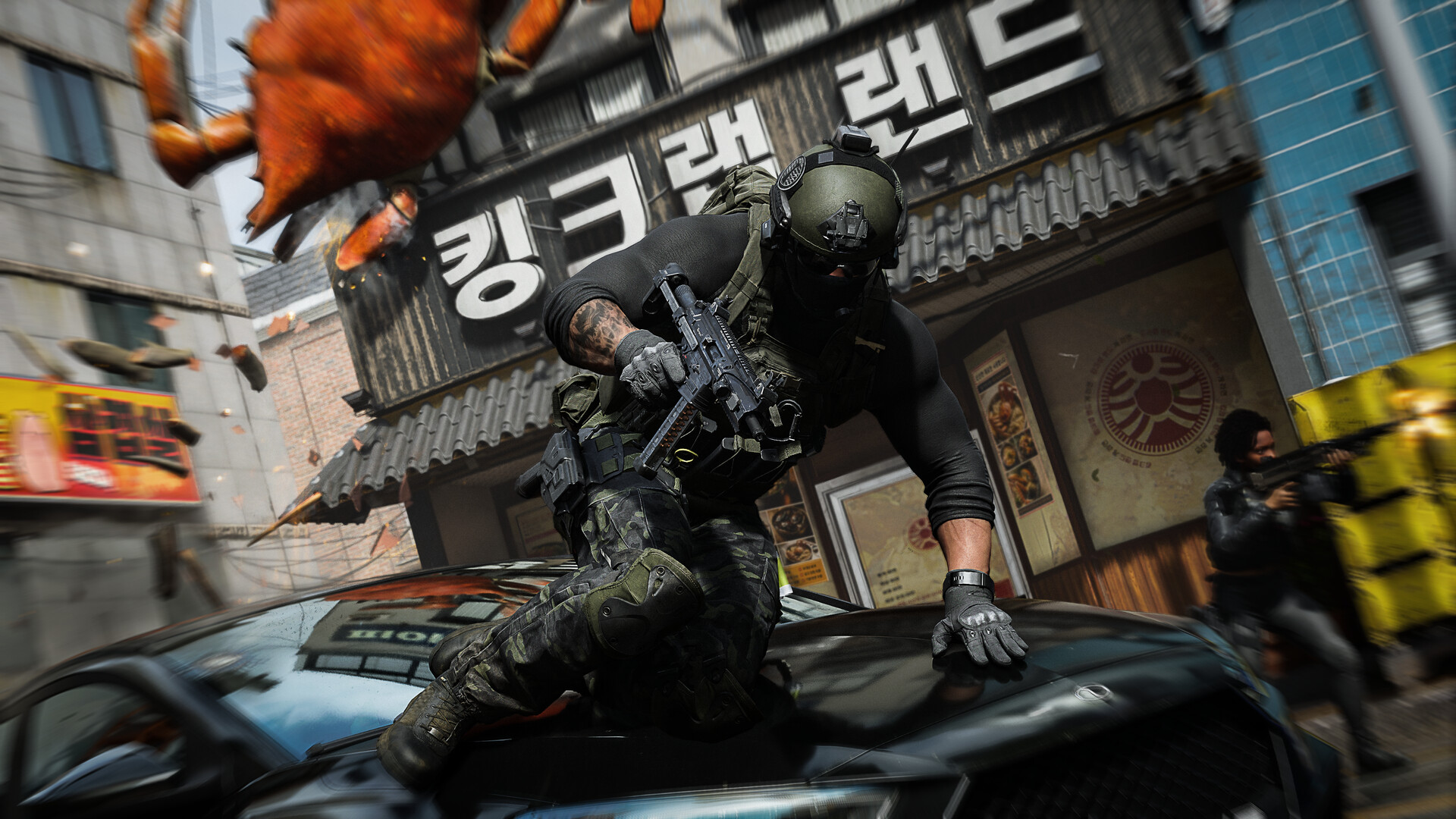
To successfully capture the intense atmosphere of Modern Warfare 4’s multiplayer maps, Graves did not merely rely on abstract briefs or concept art provided by the development team. Instead, he immersed himself directly in the experience by playing the game extensively.
According to the composer, experiencing the maps from the perspective of an everyday player was essential for understanding the psychological rhythm of online combat. This hands-on approach allowed him to identify the natural lulls, tension spikes, and adrenaline rushes that characterize modern competitive shooters.
"To capture the tone of multiplayer maps, you have to play a lot of multiplayer, as it’s a completely different vibe from the campaign," Graves observed. By experiencing firsthand the frustration of unexpected ambushes and the elation of multi-kill streaks, he was able to translate those visceral emotions directly into dynamic musical arrangements.
Channeling Cinematic Inspiration and Forward Momentum
When conceptualizing the specific emotional tone of the multiplayer soundtrack, Graves drew inspiration not only from the gameplay itself but also from classic military science fiction cinema. Specifically, he modeled his role as a composer after iconic cinematic figures who command respect and instill discipline in troops facing overwhelming odds.
"A lot of what I was trying to capture was forward momentum and pure adrenaline," Graves explained. "I always thought of myself as the musical equivalent of Master Sergeant Apone in Aliens, pumping up all the troops beforehand, keeping them in line and focused in combat, and rewarding them when they come back home."
This metaphorical approach manifested as heavy, driving percussion, industrial electronic soundscapes, and urgent brass motifs designed to keep players focused during intense firefights. Rather than telegraphing specific story events, the music acts as an invisible psychological anchor, driving players forward across sprawling urban maps and industrial complexes.

Collaboration with Infinity Ward’s Sound Team
Graves was quick to credit the internal sound design team at Infinity Ward as a major creative influence throughout the production process. Video game audio is an increasingly collaborative discipline where composers, sound effects editors, and audio programmers must work in tight harmony to ensure that musical scores do not clash with the thousands of overlapping audio events happening simultaneously during a match.
The sound team’s meticulous attention to acoustic detail—ranging from the realistic reverberation of gunfire inside concrete bunkers to the subtle crunch of glass under combat boots—helped shape the overarching sonic identity of Modern Warfare 4. By aligning his orchestrations with the acoustic parameters established by Infinity Ward, Graves ensured that the musical score felt like an organic extension of the game world rather than an intrusive overlay.
Broader Implications for the Future of Game Audio
The detailed insights shared by Jason Graves highlight a broader trend within the video game industry: the increasing sophistication of dynamic, adaptive audio systems in competitive multiplayer titles. As game engines become more powerful and spatial audio technologies become standard across platforms, developers are placing greater emphasis on how soundscapes influence player behavior and emotional regulation.
In competitive gaming, where mental fortitude and reaction times dictate success or failure, a well-crafted musical score can significantly alter a player’s psychological state. Music that successfully builds momentum without inducing sensory overload helps maintain player engagement over long gaming sessions, reducing fatigue while heightening the emotional highs of victory.
As franchises like Call of Duty continue to push the boundaries of technical fidelity and immersive design, the role of the composer has expanded far beyond traditional songwriting. Artists like Jason Graves must now act as interactive architects, designing flexible musical ecosystems capable of breathing life into millions of unique player stories written in real-time across the globe.