







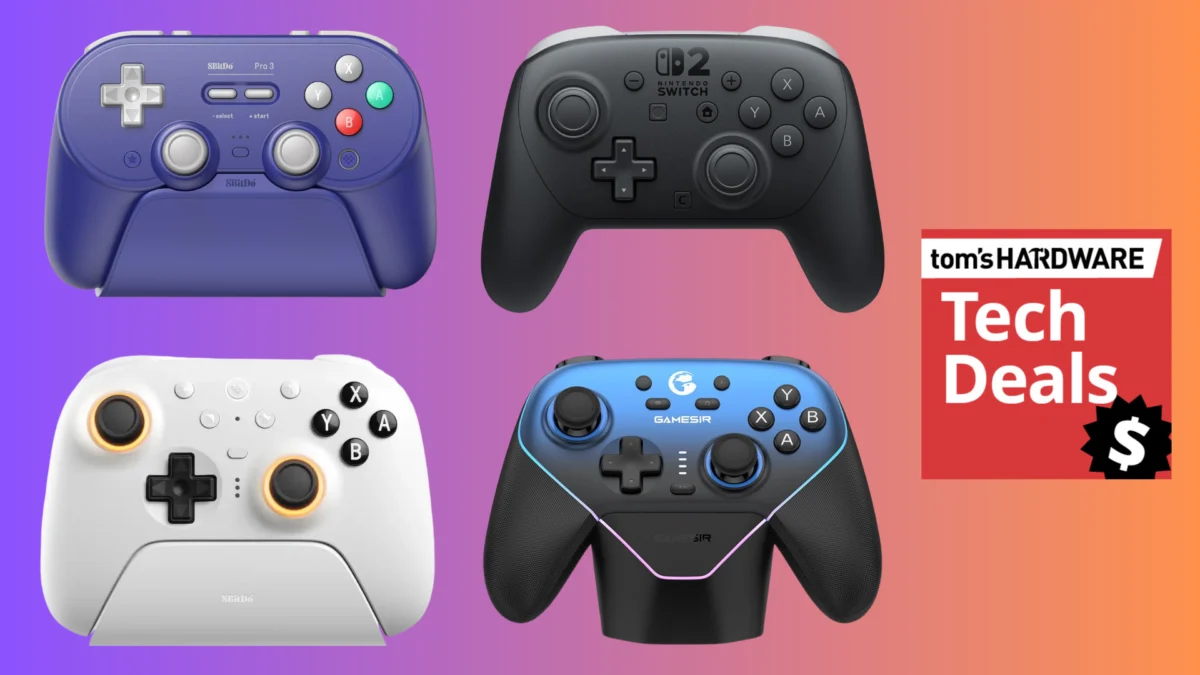
The gaming industry has once again turned its collective gaze toward one of the most celebrated titles in interactive entertainment history. With the official launch of the long-awaited remaster of The Legend of Zelda: Ocarina of Time, players worldwide are preparing to step back into the sprawling, nostalgic fields of Hyrule. This high-profile release coincides with the hardware ecosystem of the next-generation Nintendo console, prompting a massive surge in demand for specialized hardware, accessories, and particularly wireless controllers. While Nintendo’s flagship platform offers the flexibility of portable play, exploring the vast expanse
of a fully remastered Hyrule on a high-definition home television screen remains the preferred method for millions of enthusiasts. To achieve the most comfortable and responsive experience from the living room couch, players are actively seeking the best controller deals and alternatives to enhance their gameplay sessions.
The Evolution of Hyrule: Background and Context of the Remaster
The journey of The Legend of Zelda: Ocarina of Time is a cornerstone of video game history. Originally launched in 1998 for the Nintendo 64, the title revolutionized 3D action-adventure game design, introducing mechanics such as Z-targeting and context-sensitive button prompts that permanently altered how developers built virtual worlds. Over the decades, the game has seen various re-releases and ports, but the current remaster represents a comprehensive modernization effort tailored specifically for contemporary hardware architectures.
When Nintendo announced that a definitive, ground-up remaster of Ocarina of Time would accompany the software library of its successor hardware platform, the gaming community responded with immense enthusiasm. This new iteration promises enhanced graphical fidelity, smoother frame rates, refined audio design, and modernized control schemes that take full advantage of advanced haptic feedback and modern analog stick precision. However, experiencing these precise updates requires hardware that can comfortably bridge the gap between classic design and modern ergonomics.
Console Hardware and the Living Room Experience
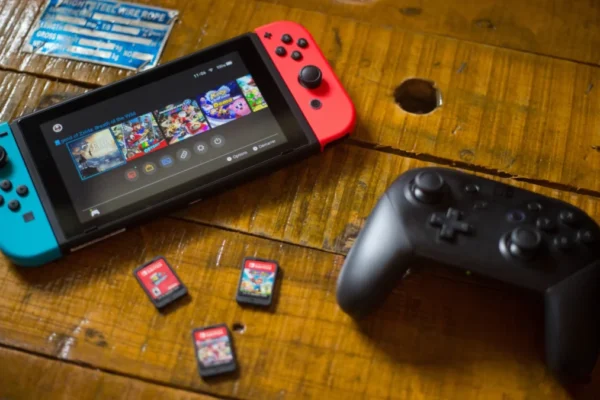
The introduction of the successor hardware platform has redefined expectations for hybrid gaming. Players can seamlessly transition from handheld mode on commutes or away from home to docked mode connected to 4K displays in the living room. While the bundled Joy-Con controllers provide adequate motion controls and modular versatility for portable sessions, extended play sessions of epic, sprawling RPGs like Ocarina of Time often demand a traditional gamepad layout.
Ergonomics play a vital role during lengthy gaming marathons. Traditional controllers offer larger grips, more substantial trigger resistance, and symmetrical or asymmetrical stick placements that reduce hand fatigue during intricate combat sequences, dungeon puzzles, and horseback riding across Hyrule Field. Consequently, the market for third-party and official pro-style controllers has experienced a notable uptick, with major manufacturers offering competitive discounts and feature-rich alternatives.
Top Controller Options and Market Landscape
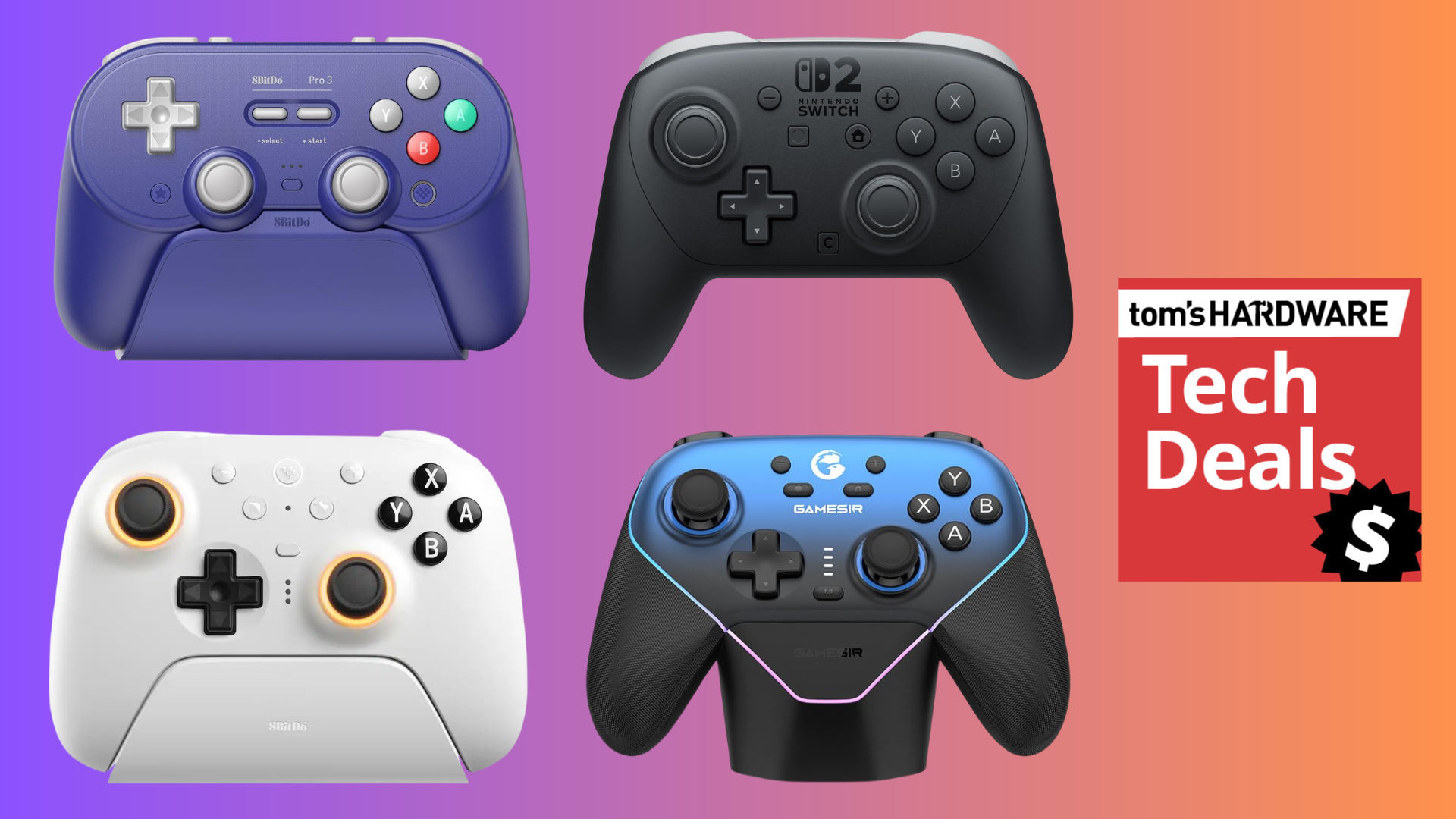
Navigating the peripheral market for the new Nintendo hardware requires a clear understanding of compatibility, build quality, and pricing. Several prominent manufacturers have stepped forward to provide robust alternatives to standard bundled peripherals.
Official Pro-Style Hardware
For purists who prefer manufacturer-certified equipment, official pro controllers remain a top-tier choice. These devices typically feature built-in motion controls, HD rumble integration, near-field communication (NFC) support for amiibo functionality, and exceptional battery life that can easily span dozens of hours on a single charge. During major hardware launches and software release windows, retailers frequently roll out promotional bundles, making it an opportune time for consumers to secure official gear at reduced prices.
Third-Party Innovators: 8BitDo and GameSir
The third-party peripheral market has matured significantly, with brands like 8BitDo and GameSir establishing reputations for high-performance builds at competitive price points. 8BitDo is particularly celebrated for blending retro aesthetics with modern functionality, offering gamepads that evoke the classic feel of classic Nintendo layouts while incorporating modern wireless connectivity, Hall Effect joysticks to prevent stick drift, and customizable mapping software.
GameSir, on the other hand, frequently caters to competitive and enthusiast players by integrating mechanical switches, customizable back paddles, and ultra-low-latency wireless dongles. These features are exceptionally beneficial when executing precise combat maneuvers against classic Ocarina of Time bosses, such as Phantom Ganon or Ganondorf, where split-second timing is paramount.
Market Implications and Economic Analysis
The simultaneous release of a monumental franchise remaster and advanced hardware accessories highlights a broader economic trend within the gaming industry: the ecosystem monetization model. Hardware manufacturers and third-party accessory makers rely heavily on marquee software releases to drive peripheral sales. When a cultural touchstone like Ocarina of Time launches, it acts as a catalyst for consumer spending, prompting players to upgrade not only their software libraries but also their entire physical setup.
Industry analysts note that peripheral sales often spike by double-digit percentages during the launch quarters of major platform-defining titles. Consumers are increasingly willing to invest in premium comfort items, recognizing that a 40-to-50-hour adventure requires reliable, durable input devices. Furthermore, the rising popularity of advanced technologies like Hall Effect magnetic sensors—which utilize magnets instead of physical carbon tracks to register stick movement—means that modern controllers are built to withstand years of heavy use, offering superior long-term value compared to older generations of hardware.
Retail Strategies and Consumer Advice
As retailers roll out promotional discounts and bundle deals surrounding the Ocarina of Time release window, consumers are advised to carefully evaluate their specific gaming habits before making a purchase. Players who primarily dock their systems for cinematic single-player experiences will find maximum value in investing in a dedicated full-sized gamepad equipped with advanced ergonomics. Conversely, users who frequently travel may prioritize compact, versatile input methods that easily slip into a carrying case alongside the main display unit.
Checking for verified compatibility, reading independent hardware reviews, and monitoring price-comparison platforms can help buyers secure the best possible deals. As the digital doors to Hyrule reopen for a new generation of adventurers, having the right hardware ensures that the timeless magic of the 1998 masterpiece is experienced with modern comfort and precision.