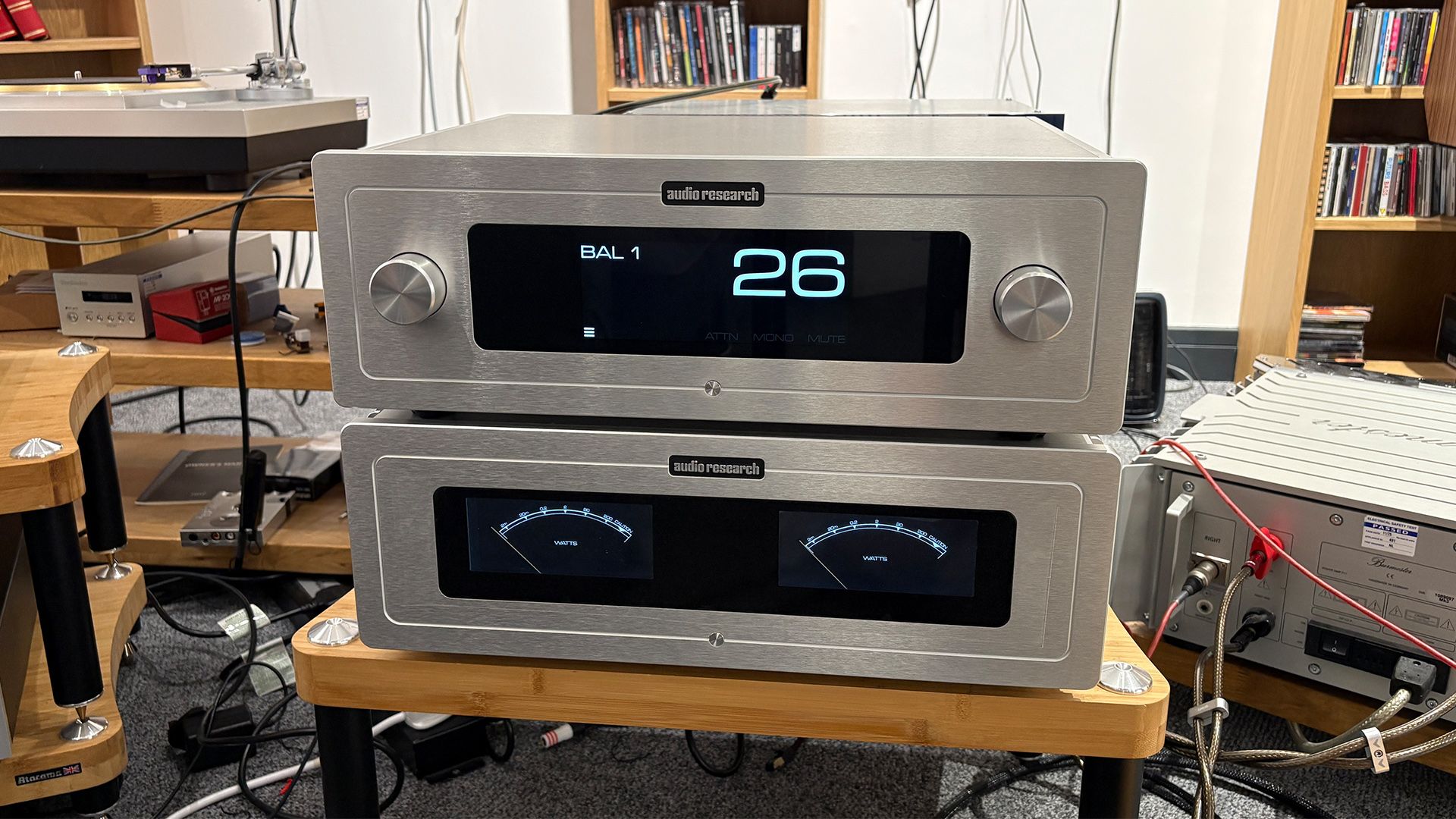
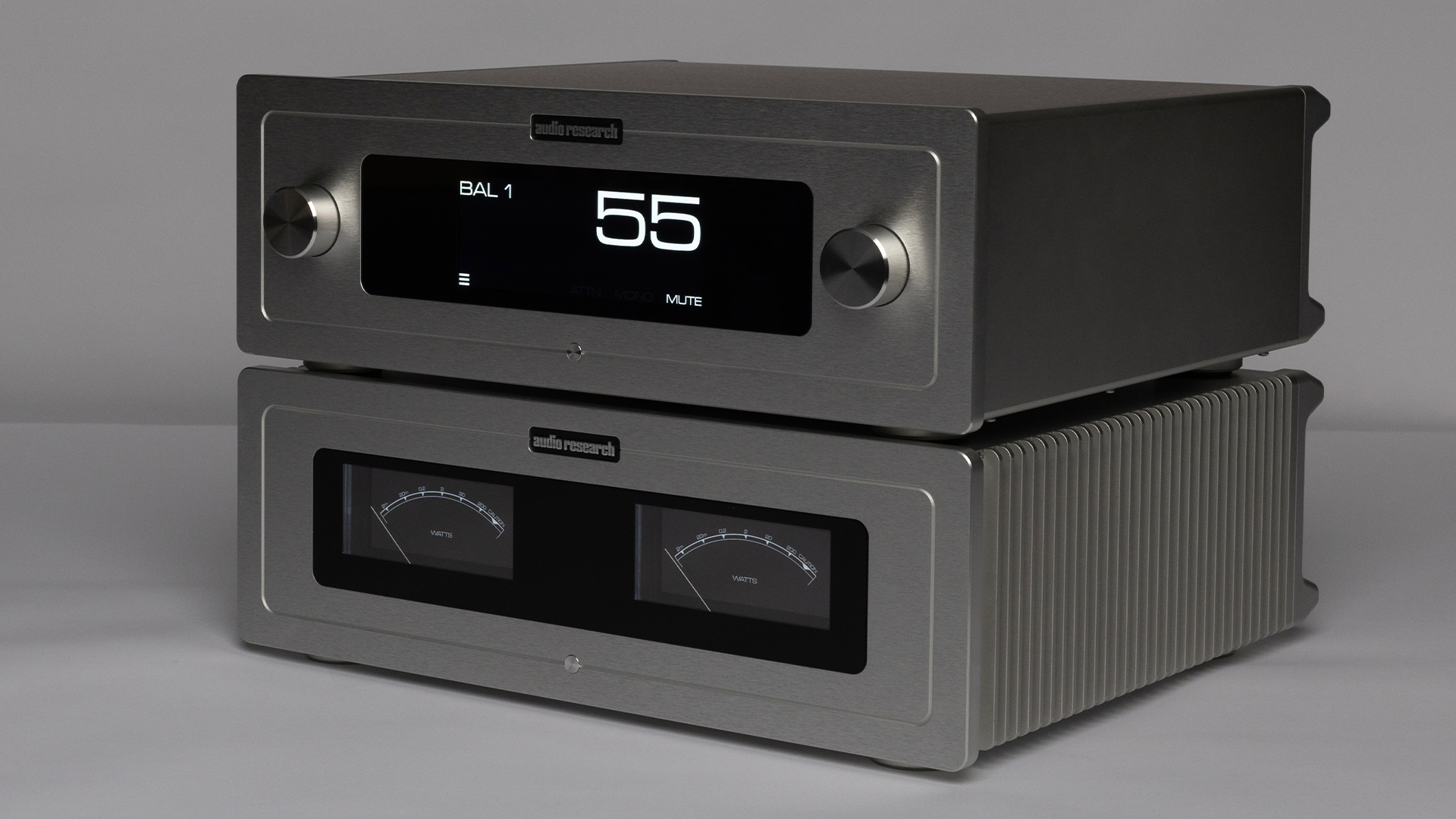
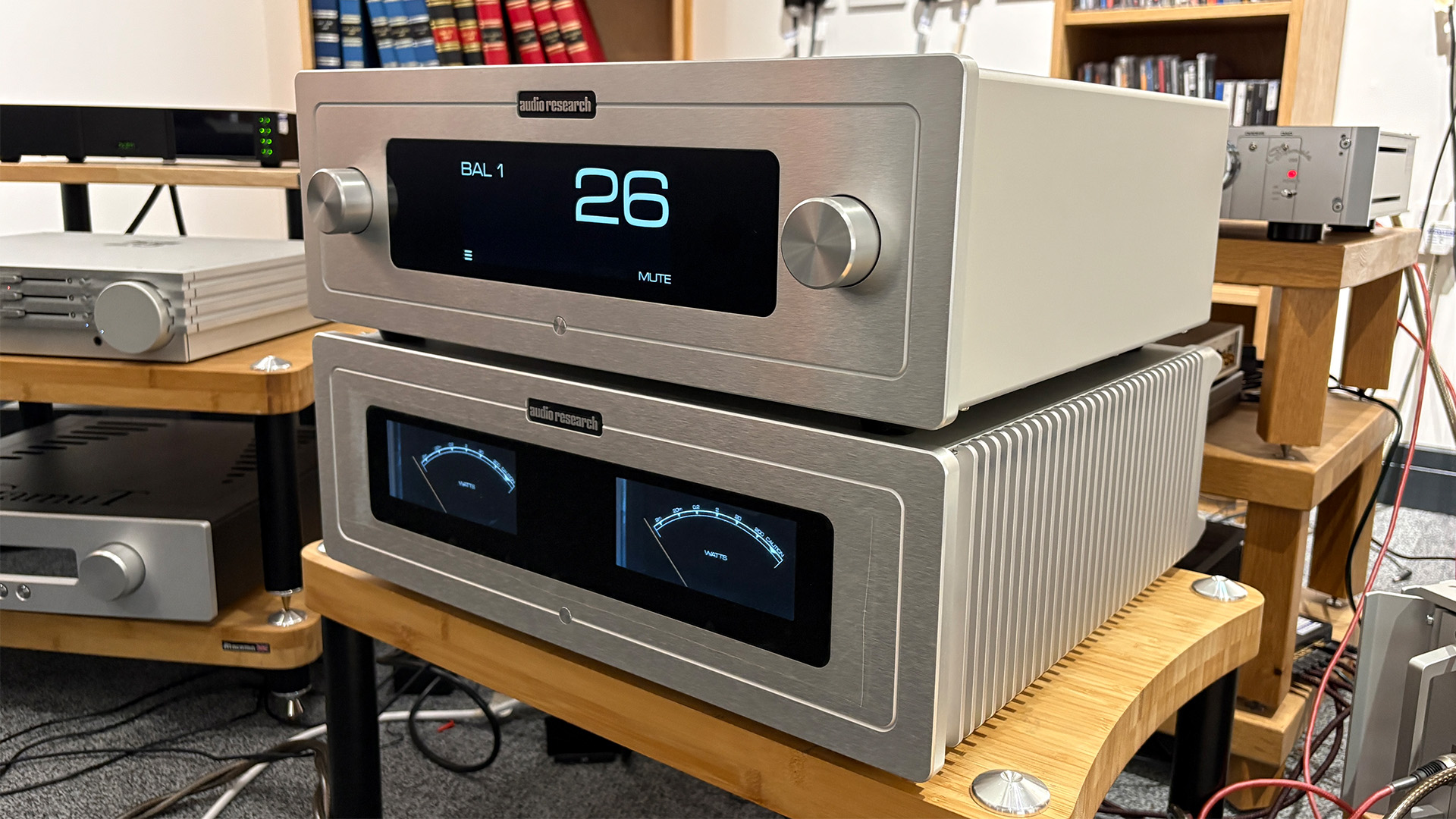
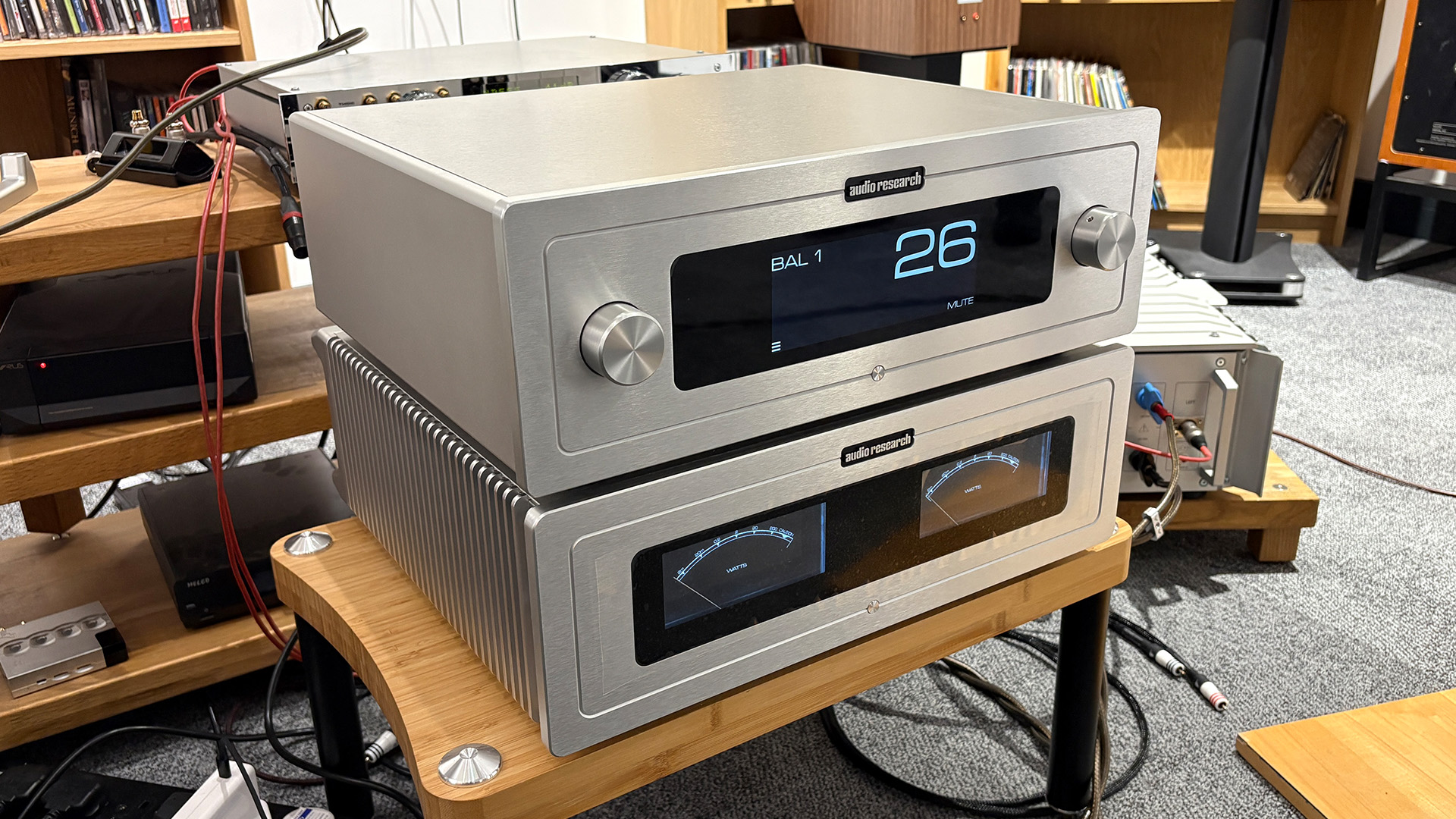
The Audio Research LS-2 preamplifier and S-200 power amplifier represent a significant evolution in the company’s long-standing pursuit of high-fidelity sound reproduction, blending traditional valve-based heritage with contemporary solid-state precision. Positioned as an accessible entry point into the upper echelons of the brand’s high-end catalog, this two-box amplification system signifies a deliberate shift in Audio Research’s design philosophy. By moving toward cleaner aesthetics and increased modularity, the manufacturer is clearly aiming to meet the demands of a modern audiophile market that prioritizes both technical versatility and a sophisticated, user-friendly interface.
The Evolution of the Audio Research Signature
Audio Research, a cornerstone of the American high-end audio industry founded in 1970, has spent over five decades refining its sonic signature. The brand is globally recognized for its commitment to valve (vacuum tube) amplification, a technology that many enthusiasts believe provides a superior, more organic musical texture. However, the release of the LS-2 and S-200 pairing arrives at a time when the high-end audio sector is undergoing a rapid transition. Modern consumers now expect high-performance components to integrate seamlessly with digital sources, demanding more than just raw power or pure analogue warmth.
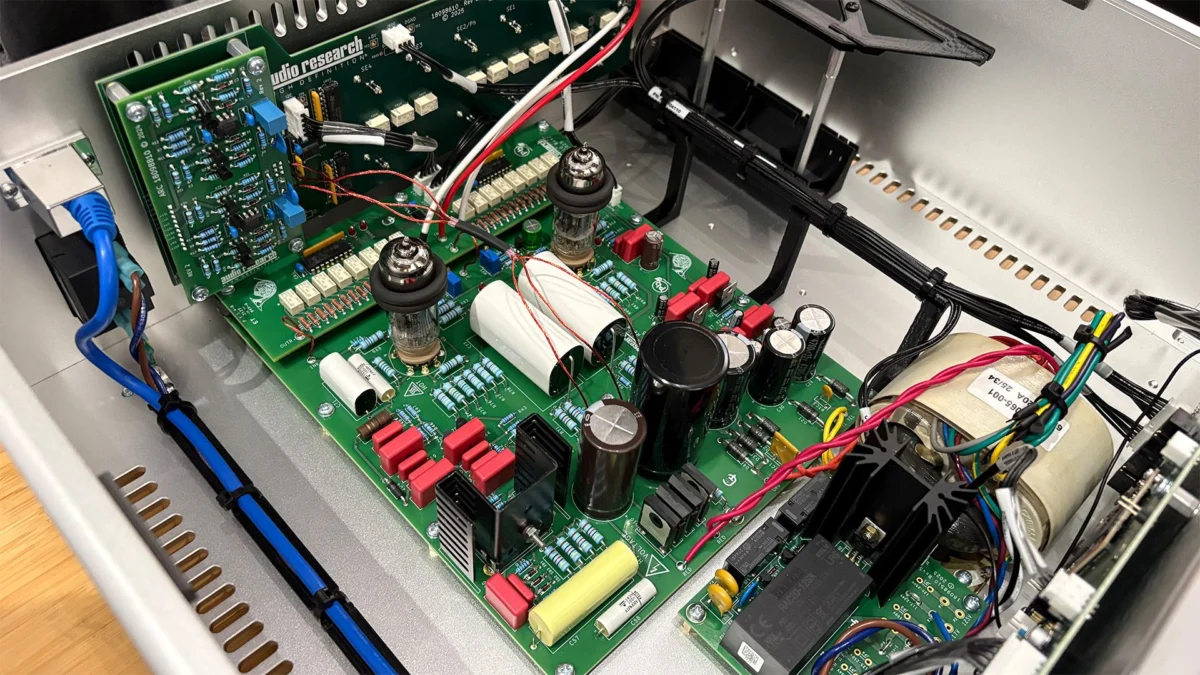
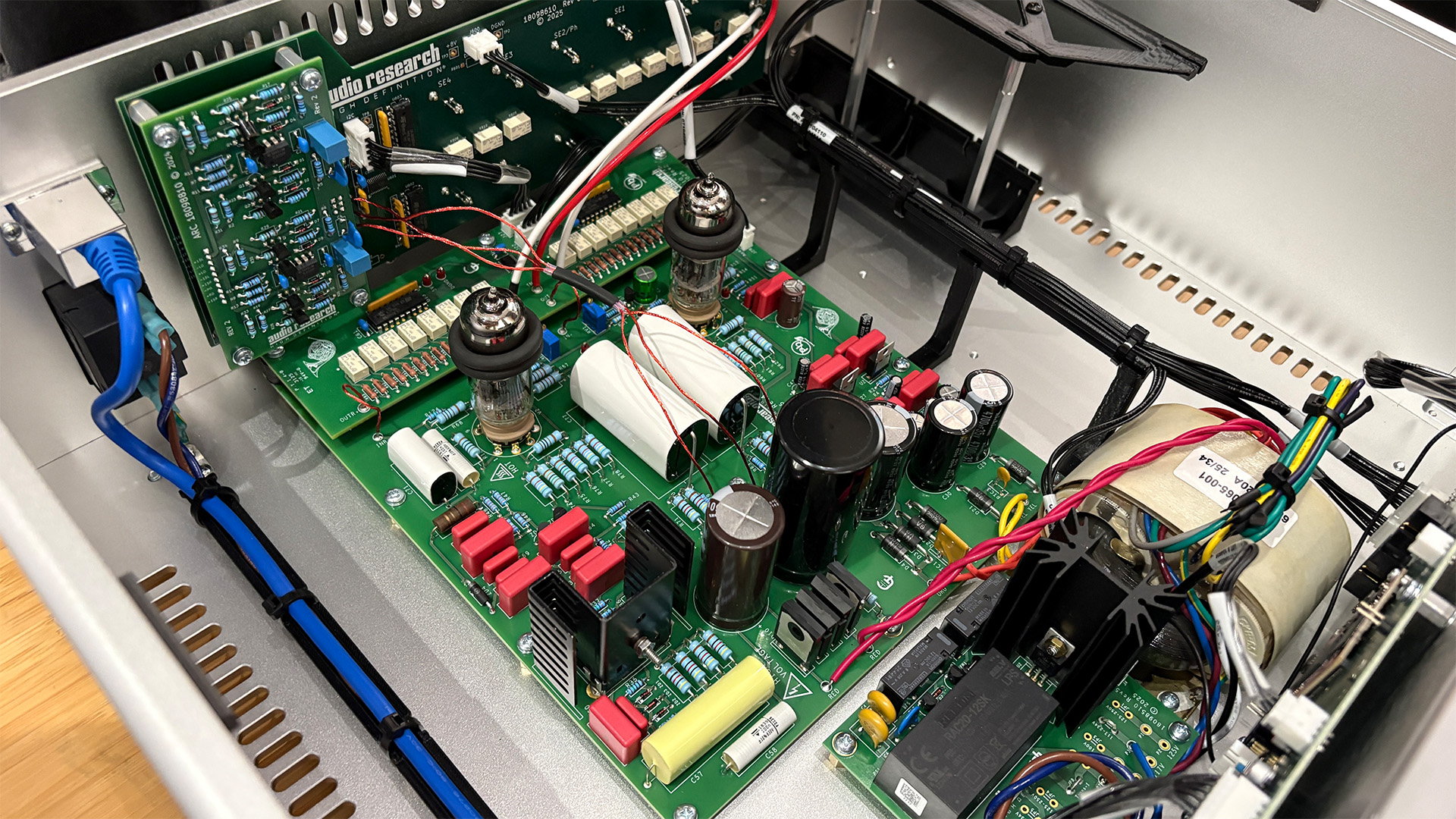
Historically, Audio Research products were defined by their workmanlike, industrial design—an aesthetic that prioritized functionality over mass-market appeal. With the LS-2 and S-200, the company has opted for a sleeker, more refined visual language, suggesting an attempt to appeal to a broader demographic of home-system integrators. Despite these modernizations, the internal architecture remains firmly rooted in the company’s heritage, utilizing the 6H30 dual-triode valve—a component famous for its longevity and performance—within the LS-2’s zero-feedback, Class A circuit.
Technical Architecture and Modular Integration
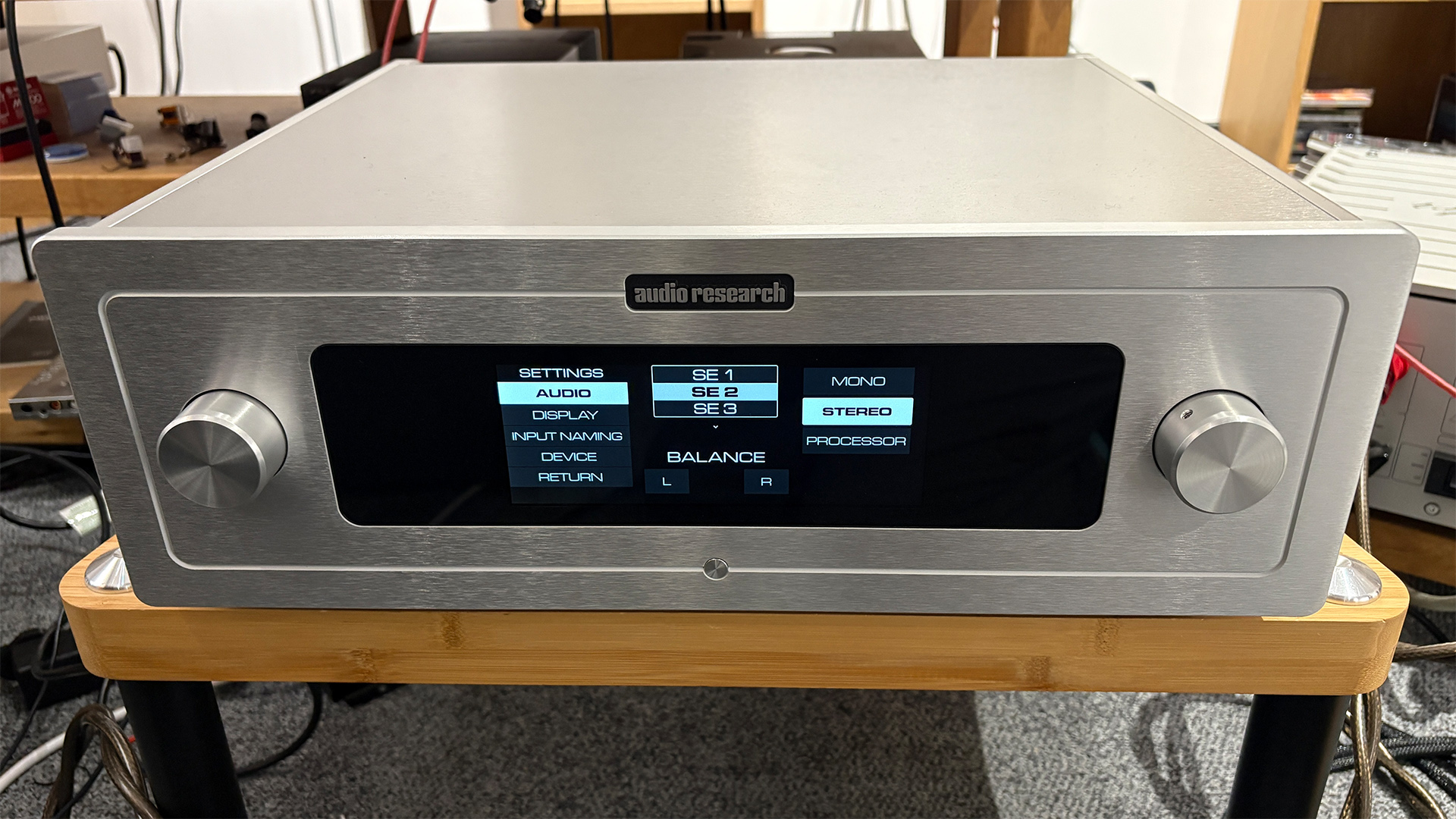
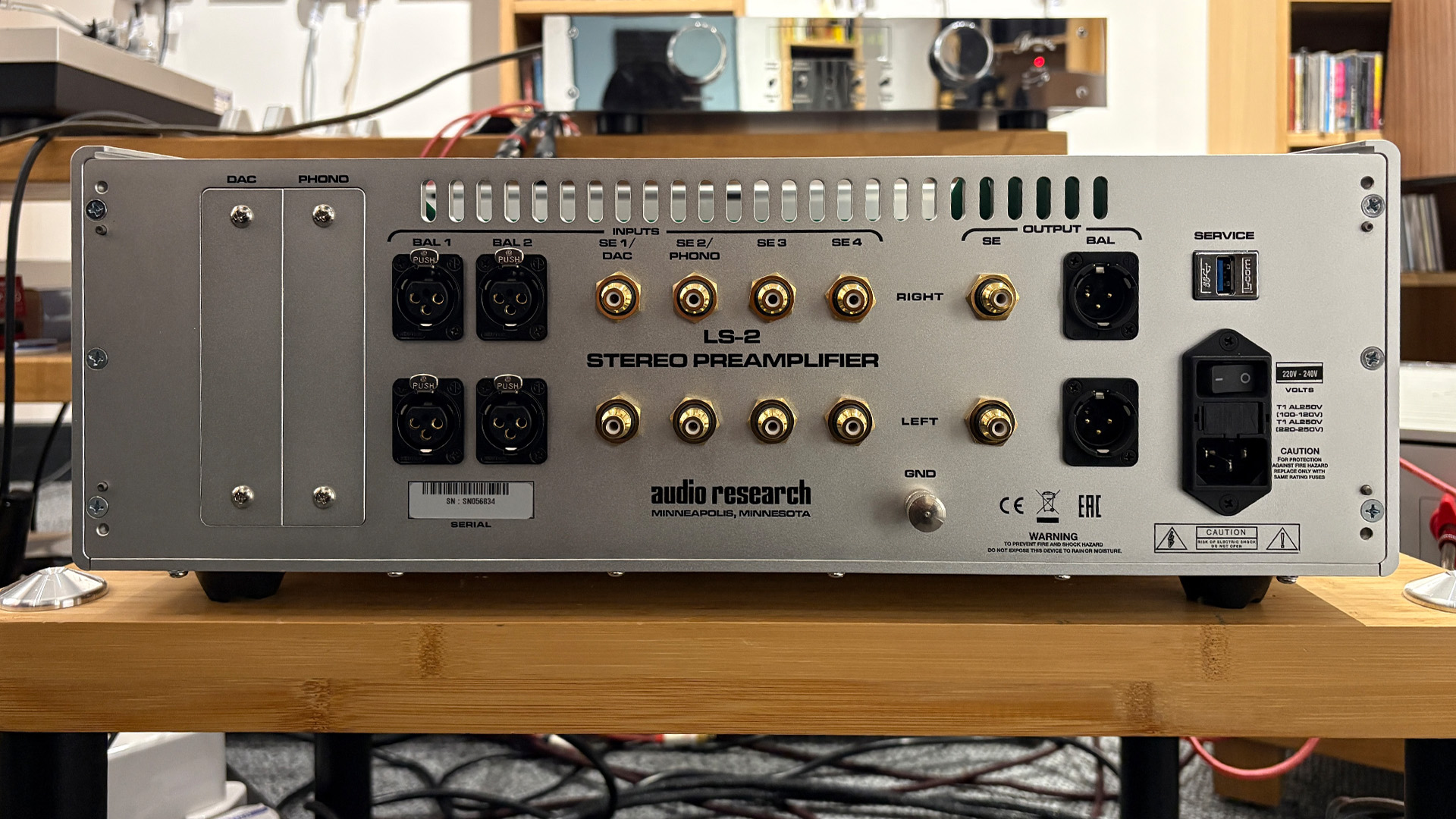
The LS-2 preamplifier serves as the control center of this duo, carrying a retail price of approximately £8,298 ($9,950 / AU$16,995). Its design is notable for its refusal to compromise on signal integrity. The unit provides six inputs, including two balanced XLR inputs and a selection of single-ended RCA connections. Notably, the preamp lacks a dedicated headphone amplifier, a decision that aligns with the "pure-performance" ethos of the brand, leaving headphone amplification duties to dedicated standalone units.
One of the most significant advancements in this iteration is the introduction of optional, dealer-fitted modules. Recognizing that the modern high-end user often requires a phono stage or a digital-to-analogue converter (DAC), Audio Research has introduced two upgrade paths. The phono module, priced at £1,000 ($1,000 / AU$1,595), is compatible with both moving magnet (MM) and moving coil (MC) cartridges. It offers significant flexibility with 42dB or 62dB of gain and adjustable MC loading between 50 and 1000 ohms. Complementing this is the £1,000 ($1,000 / AU$1,995) DAC module, which introduces USB Type B, coaxial, and optical inputs.
This modularity is not without its trade-offs. The installation of these modules results in the deactivation of certain analogue inputs, a design choice that may frustrate users with complex, legacy-heavy systems. However, this trade-off is framed by the company as a necessary step to maintain signal purity and minimize internal noise, a common requirement in ultra-high-end audio design.
The Powerhouse: The S-200 Stereo Amplifier
If the LS-2 is the heart of the system, the S-200 power amplifier (£12,798 / $12,950 / AU$24,995) is its muscle. A dual-mono, solid-state design, the S-200 delivers a robust 200 watts per channel into 8 ohms. Crucially, the amplifier’s output doubles as impedance halves, a hallmark of high-current stability that ensures it can drive even the most demanding speaker loads with ease.
The S-200 features a fully balanced Class A/B circuit. Internally, the dual-mono construction is evidenced by the use of dedicated toroidal transformers for each channel, ensuring that crosstalk is minimized and that the power supply remains stable even during high-dynamic passages of music. Unlike the valve-reliant LS-2, the S-200 is built entirely on transistor-based technology, a logical choice for a power amplifier intended to provide the necessary current for high-volume playback.
User Experience and Operational Nuance
In practice, the LS-2/S-200 system offers a blend of professional-grade utility and modern convenience. The LS-2’s large, front-mounted LCD touchscreen is a significant departure from traditional knob-and-switch interfaces. This display allows for intuitive menu navigation, including a highly useful valve-usage counter. Given that the 6H30 valves have an approximate service life of 4,000 hours, this feature removes the guesswork from maintenance cycles, a thoughtful addition for long-term owners.
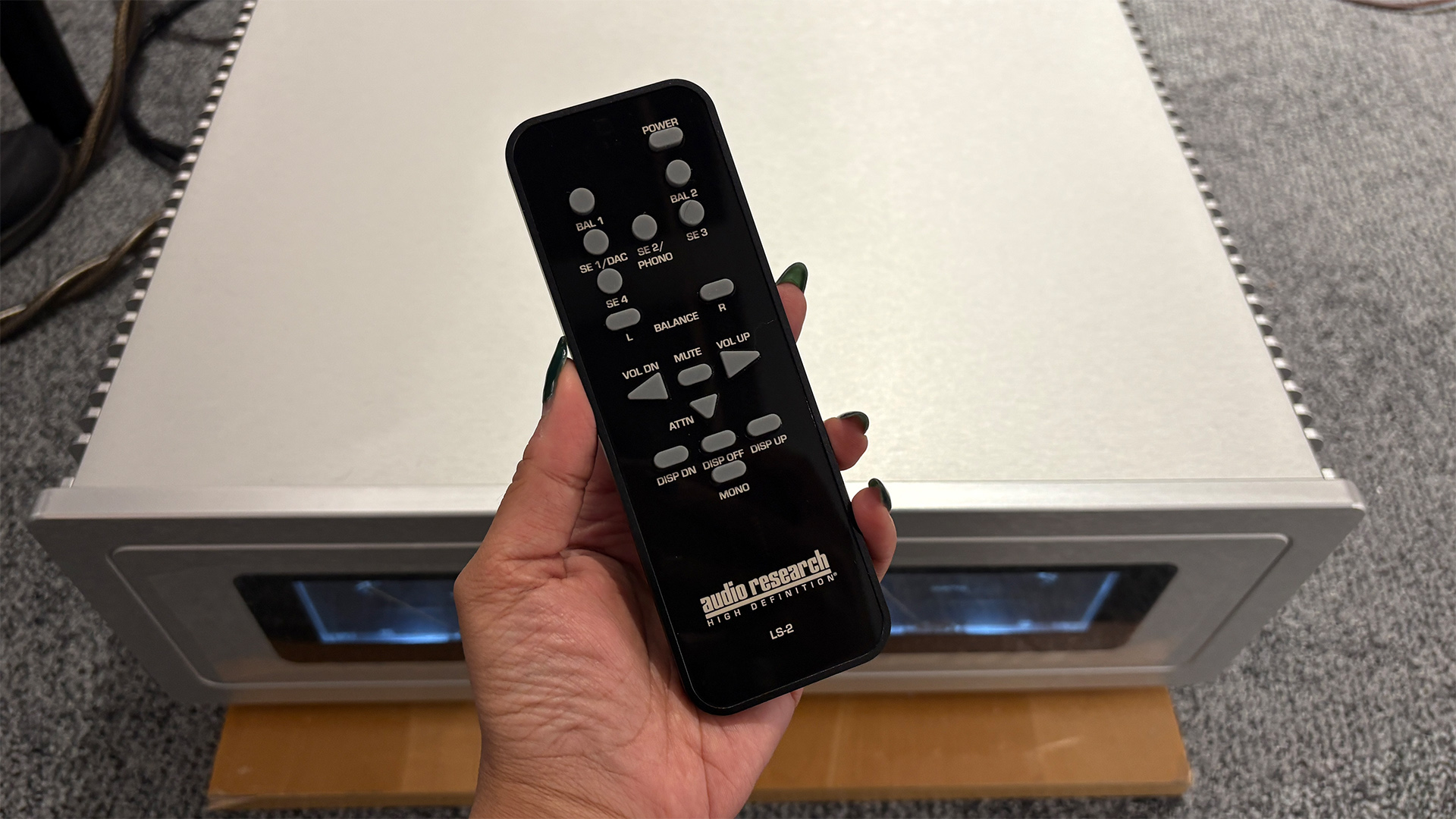
Installation is notably straightforward. While some users may find the act of inserting valves into the LS-2 intimidating, the process is well-documented and requires only basic manual dexterity. Audio Research includes the necessary tools, such as an Allen key for chassis removal, indicating a design that respects the user’s role in maintaining their equipment.
However, when compared to market rivals such as the Yamaha C-5000/M-5000 series, the build quality, while solid and enduring, lacks the absolute tactile precision of some Japanese counterparts. The rotary dials on the Audio Research units operate with a functional reliability that, while adequate, does not quite reach the luxury-tier "mechanical silkiness" that some competitors at this price point have mastered.
Sonic Performance: Neutrality vs. Vibe
The sound profile of the LS-2/S-200 is characterized by a stark, unwavering neutrality. Those approaching the system expecting a "tubey" or overly romanticized sound will be surprised by its clinical, high-resolution delivery. The LS-2 preamplifier is particularly adept at extracting fine detail from a recording, especially when utilizing the single-ended RCA outputs.
When analyzing the balanced XLR connection, the performance becomes bolder, though slightly less subtle. In testing, the synergy between the LS-2 and the S-200 is most apparent during complex orchestral pieces, such as Rachmaninoff’s Symphony No. 2. The amplifier’s ability to maintain composure during loud, dense, and rhythmically complex sections is commendable. There is an absolute lack of harshness at high volumes, a trait that speaks to the engineering quality of the S-200’s power supply.
Despite these strengths, the pairing does have limitations. In terms of soundstage, while the lateral imaging is wide and precise, the depth perception is somewhat shallower than what one might expect from a brand with such a prestigious pedigree. Furthermore, the S-200, while powerful, occasionally struggles to convey the micro-dynamics and rhythmic agility required for highly complex, fast-paced music. It leans toward a matter-of-fact presentation that, while accurate, occasionally lacks the emotional "verve" or energy that some audiophiles seek at this price point.
Implications and Market Positioning
The release of the LS-2 and S-200 suggests that Audio Research is looking to bridge the gap between its heritage as a manufacturer of artisanal tube gear and the demands of the modern, digitized high-end market. By offering modularity, the company is attempting to future-proof its products, allowing the user to add digital capabilities as their needs change.
However, the findings indicate that the power amplifier (S-200) may not quite reach the same level of excellence as the preamplifier (LS-2). While the LS-2 is a standout component—quiet, insightful, and natural—the S-200 acts as a bottleneck, failing to fully unlock the potential of the preamplifier. For prospective buyers, this creates a unique situation: the LS-2 represents a compelling purchase for those seeking a high-quality, modern-touch preamp, while the S-200 may require careful system matching with different power amplifiers to achieve the desired level of musicality.
Ultimately, the Audio Research LS-2/S-200 combination is a testament to the brand’s commitment to durability and high-end performance. It is a system built to last for decades, and its ease of use and modular flexibility make it a practical choice for the modern, discerning listener. While it may not satisfy the "coloration" crowd who prioritize the classic, lush tube sound, it provides a highly accurate, controlled, and authoritative window into high-fidelity music, confirming that Audio Research continues to be a relevant and vital force in the evolution of the high-end audio industry.