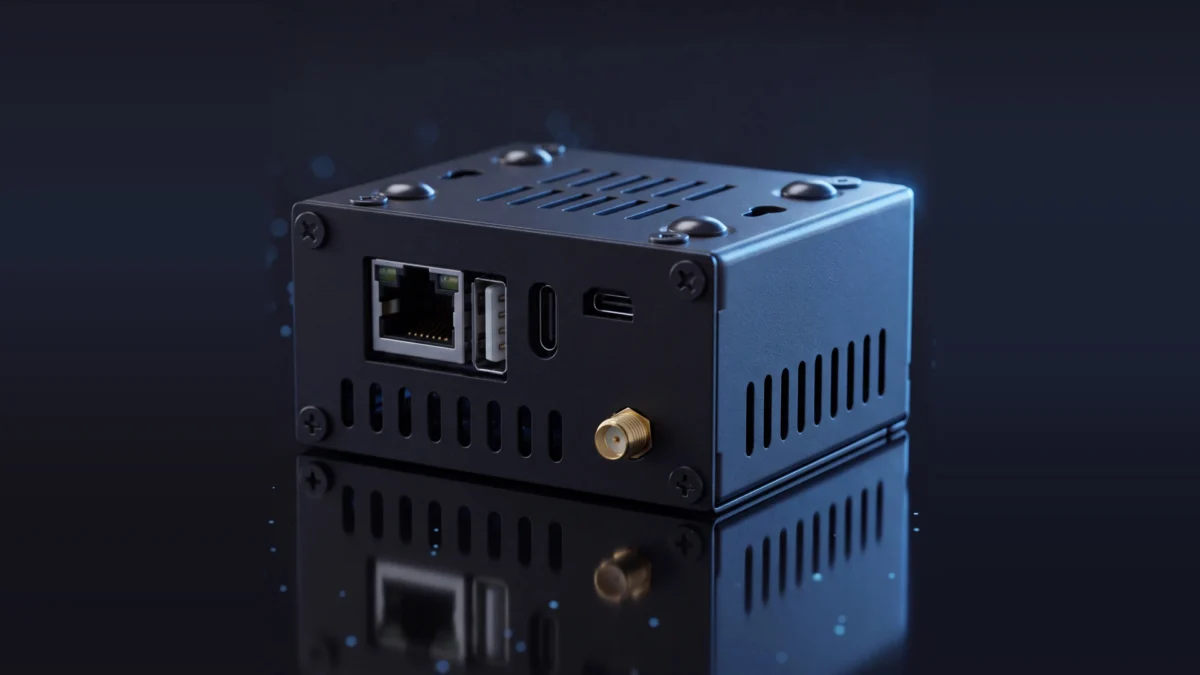
As the global technology sector continues to grapple with an unprecedented escalation in memory component pricing, hardware enthusiasts and developers are increasingly forced to find alternative methods for local computing workloads. Amid skyrocketing DDR5 costs—which retail trackers note have surged to nearly five times their mid-2025 baseline—a fledgling venture called TradeMAV has stepped forward with an unconventional hardware solution. Rather than encouraging consumers to purchase expensive new memory modules, TradeMAV’s newly crowdfunded device, the RAMDeck, proposes a pragmatic workaround: leveraging the idle random-access memory already present in legacy laptops, desktop computers, secondary workstations, and mobile devices by linking them into a unified, distributed memory cluster.
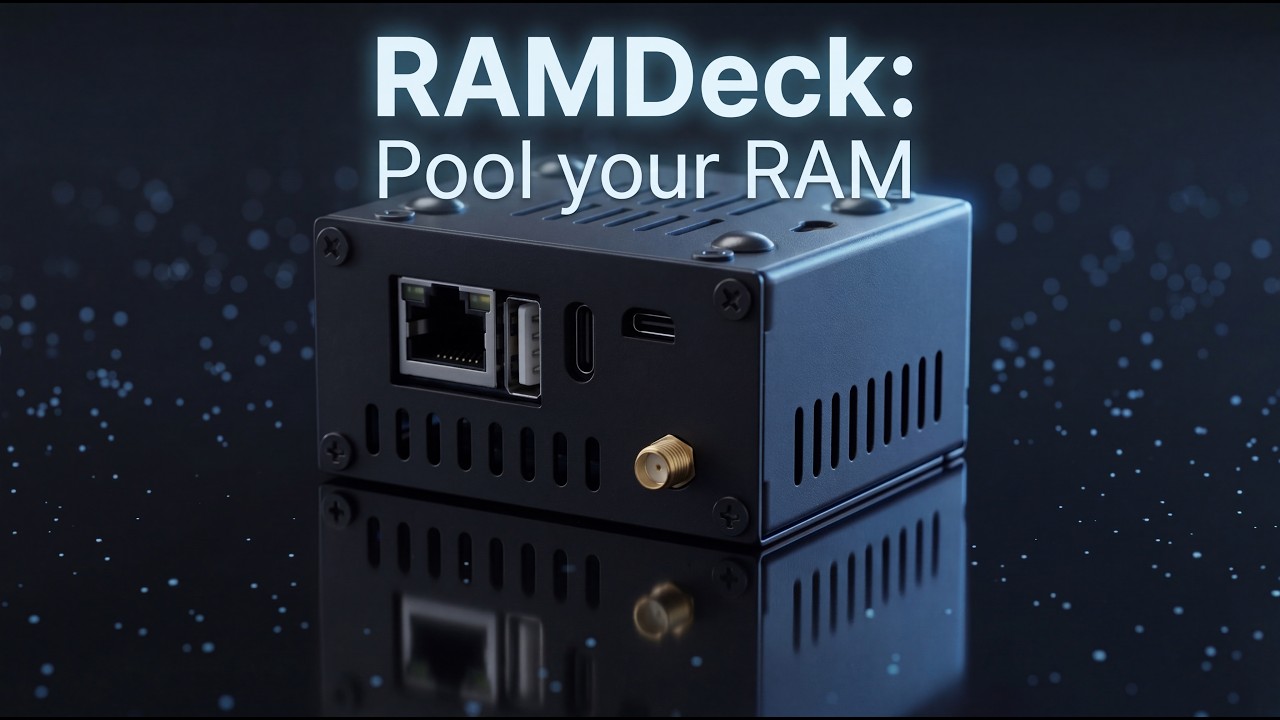
The RAMDeck is currently being marketed through an Indiegogo crowdfunding campaign, featuring an early-bird price point of $109 against a modest $10,000 fixed-funding goal. Designed to function as a compact, energy-efficient network hub, the device bridges Windows PCs, macOS setups, Linux machines, and even Android smartphones over a home network. By establishing this cross-platform communication layer, the hardware allows users to deploy advanced artificial intelligence models that would otherwise exceed the physical memory capacity of any single computer in their household or small office environment.
The Macroeconomic Context: The Anatomy of the Global RAM Crisis
To fully understand the market viability and consumer appeal of projects like the RAMDeck, one must examine the severe structural pressures currently facing the semiconductor industry. The memory market has experienced a profound upheaval often colloquially referred to by analysts as the "RAM-pocalypse." Retail market data compiled by German hardware monitor 3DCenter revealed that by August 2026, DDR5 memory pricing had skyrocketed to an extraordinary 486% of its July 2025 value.
Industry giants have indicated that this supply squeeze is not a transient blip. Semiconductor manufacturers, including Samsung, have cautioned stakeholders that severe supply constraints and high profit margins for specialized server memory could keep consumer-facing RAM prices elevated through at least 2028. Meanwhile, executive leadership at SK Group has issued even more pessimistic projections, suggesting that structural wafer shortages could impair the global supply chain until 2030, keeping memory costs persistently high and forcing budget-conscious consumers and small businesses to curtail hardware upgrades.
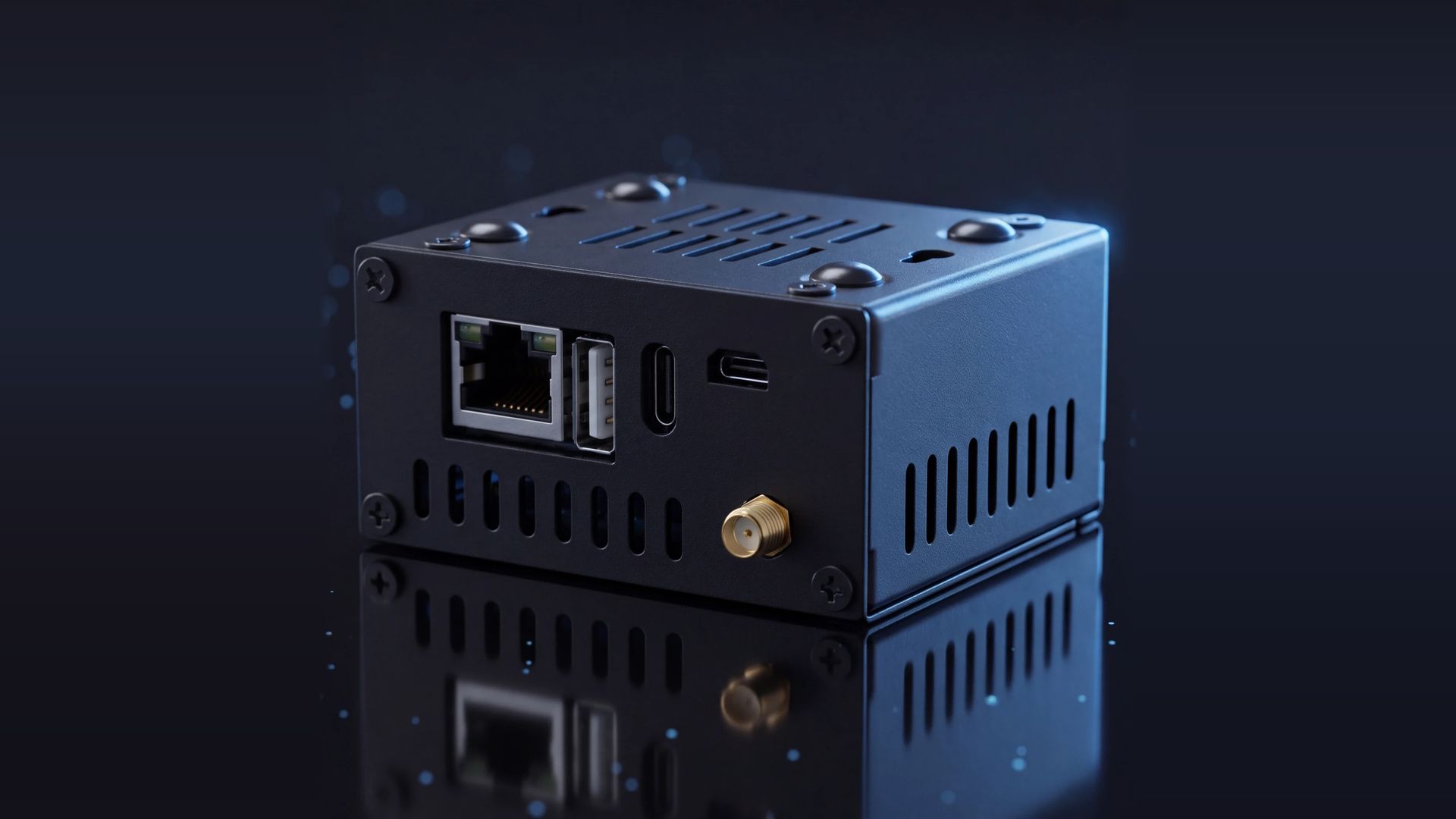
TradeMAV’s product genesis is deeply rooted in this fiscal squeeze. Internal corporate disclosures and promotional materials from the company highlight a stark real-world scenario: a standard 64GB DDR5 memory kit that commanded a reasonable price of approximately $191 in August 2025 surged to an astronomical $1,118 one year later. This staggering four-to-fivefold price increase effectively prices independent developers, hobbyists, and local AI researchers out of traditional hardware scaling paths, making innovative software-and-hardware bridging tools an attractive alternative.
Deconstructing the Technology: How RAM Pooling Actually Works
Despite the colloquial marketing term "pooling RAM," the engineering reality behind the RAMDeck is more nuanced than a hardware-level memory merge. It is physically impossible to combine disparate memory sticks across different motherboards into a single, cohesive address space without encountering massive latency bottlenecks. Instead, TradeMAV utilizes a distributed inference architecture.
When a user attempts to run a large language model (LLM) that surpasses the VRAM or system RAM limits of their primary machine, the underlying software divides the model’s sequential layers across the network of participating devices. Each contributing node retains its designated share of the model parameters locally in its own memory banks. During inference, as tokens are generated, only the intermediate results and activations are passed back and forth across the local network infrastructure.
A review of TradeMAV’s public GitHub repository reveals that the core infrastructure relies heavily on established open-source tooling. Specifically, the RAMDeck node agent initializes the llama.cpp project’s ggml remote procedure call (RPC) server across each contributing device. Any compatible coordinator capable of speaking the standard llama.cpp RPC protocol can orchestrate the cluster, with standard terminal command-line tools available for basic diagnostic verification.
TradeMAV’s proprietary value proposition lies in its orchestration layer rather than groundbreaking low-level code. The hub automates complex tasks that would otherwise require tedious manual configuration via command-line interfaces. According to the company’s technical documentation, the system features automated node discovery, intelligent layer placement algorithms designed to prioritize faster graphics processing units (GPUs) over slower system RAM, automated failure recovery protocols, a centralized management dashboard, and an OpenAI-compatible application programming interface (API).
Hardware Transparency and Alternative Ecosystems
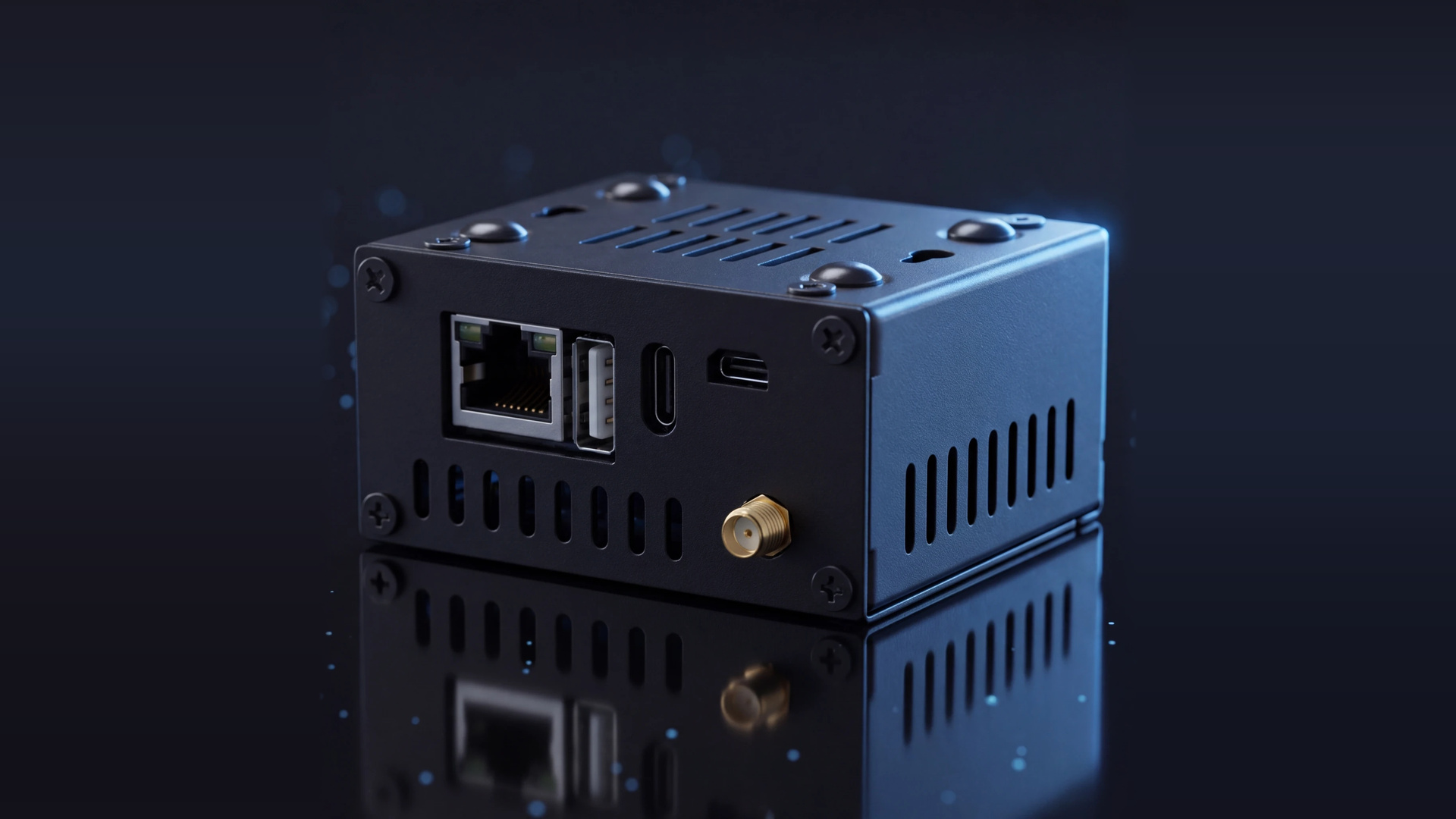
Despite the ambitions of the platform, certain operational details surrounding the RAMDeck hardware remain opaque. Technical specifications detailing the hub’s onboard processor, internal memory capacity, port selection, and exact power consumption figures have not been fully disclosed in promotional materials. Furthermore, TradeMAV’s own documentation concedes that users who possess advanced technical familiarity with terminal scripts and networking can achieve similar results entirely free via open-source alternatives.
The concept of distributed device clustering for AI inference is not entirely unprecedented. Open-source initiatives like Exo Labs have offered comparable automated device discovery and drop-in APIs for heterogenous clusters—spanning personal computers, smartphones, and single-board computers—since early 2025. At the enterprise and enthusiast apex, companies like Apple have introduced high-end clustering solutions, such as the M5 Ultra Mac Studio, which supports high-speed hardware clustering over Thunderbolt 5 utilizing Remote Direct Memory Access (RDMA) to multiply local inference speeds significantly.
What distinguishes the RAMDeck in the current marketplace is its exceptional hardware breadth. While enterprise solutions usually require uniform hardware stacks or high-end proprietary interconnects, TradeMAV’s architecture leverages the cross-platform flexibility inherent in llama.cpp. A single cluster can theoretically combine an NVIDIA CUDA-enabled Windows desktop, an Apple Silicon Mac, a legacy Intel-based Mac, a Linux workstation, and an Android smartphone into a single working inference environment.
Evaluating Performance: Speed Versus Capacity Trade-Offs
Distributed memory clustering is not a silver bullet, and TradeMAV is remarkably candid about the operational compromises required. The company’s informational pages explicitly state that "pooled memory trades speed for capacity." Users seeking raw inference speeds are continually advised by the developers to invest in high-capacity VRAM graphics cards if their budgets permit.
Benchmark data published by TradeMAV illustrate both the potential and the inherent performance limitations of this decentralized approach. When running Mixture-of-Experts (MoE) models—which dynamically activate only a small fraction of their total parameters per token—the cluster exhibits workable performance metrics. For example, deploying the Qwen3-Coder 30B model across a Beelink mini PC equipped with an NVIDIA RTX 3060 and an M4 Mac mini yielded an output of approximately 39 tokens per second. Similarly, a 40B variant of Qwen3-Coder-Next achieved roughly 16 tokens per second. Smaller 7B models running locally on the dedicated RTX 3060 node reached up to 43 tokens per second.
However, dense models present a vastly different operational reality. Running a 27B dense model across a four-device heterogeneous cluster resulted in a sluggish throughput of just 1.92 tokens per second. Scaling up to OpenAI’s experimental gpt-oss-120b model on a six-device cluster yielded an even slower 1.37 tokens per second. Another test configuration utilizing a 120B model across five machines achieved 3.1 tokens per second, but required an agonizing seven-minute initialization period just to load the model into the distributed memory pool.
While a generation rate of one to three tokens per second is painfully slow for interactive conversational AI, it succeeds in its primary objective: preventing catastrophic out-of-memory crashes and allowing resource-constrained researchers to run massive weights locally that would otherwise be entirely inaccessible to them.
Broader Implications and Market Outlook
The emergence of products like the RAMDeck highlights a shifting paradigm in personal and small-scale enterprise computing. As artificial intelligence models continue to expand in scale—requiring memory footprints that far outpace the capacity of standard consumer hardware upgrades—consumers are increasingly seeking software-driven orchestration layers to maximize the utility of existing hardware fleets.
For the average consumer and tinkerers with basic networking knowledge, the open-source route via llama.cpp and existing repository tools offers a risk-free method to experiment with distributed inference without financial outlay. Conversely, for users prioritizing turnkey setup convenience, a $109 investment into a dedicated hardware hub offers streamlined automation.
Nevertheless, industry analysts reiterate standard cautions regarding crowdfunding campaigns. Hardware ventures launched on platforms like Indiegogo inherently carry risks related to production delays, supply chain adjustments, shifting technical specifications, or eventual non-delivery. Prospective backers are strongly advised to evaluate these financial and technological variables carefully before committing capital. As the memory market navigates its multi-year pricing crisis through the remainder of the decade, decentralized clustering solutions will likely remain a crucial niche for budget-constrained AI developers pushing the boundaries of local hardware capabilities.