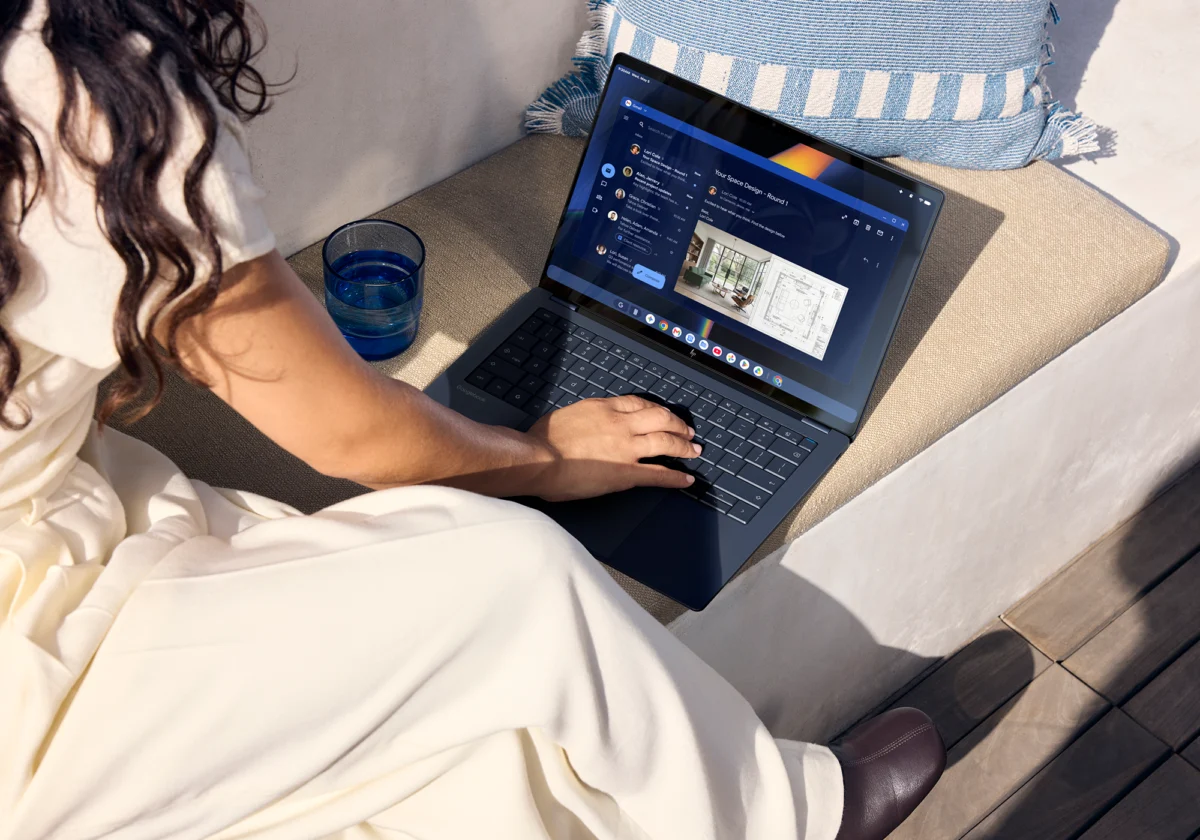
Google has officially begun outlining a roadmap that signals a fundamental shift in its personal computing strategy, signaling the beginning of the end for the long-standing ChromeOS platform. According to updated documentation from the company’s support portals, Google intends to facilitate a "direct migration" of newer, high-performance Chromebook hardware to the new Googlebook OS. This move, which avoids the protracted, costly support cycles that plagued Microsoft’s Windows XP era, marks a definitive departure from the budget-centric philosophy that defined the Chromebook era for over a decade. While the company has yet to provide a granular timeline for the deprecation of legacy ChromeOS support, the trajectory suggests that Google is moving to consolidate its hardware portfolio under a more premium, unified software umbrella.
A Departure from the Legacy Model
For years, Chromebooks served as the bedrock of Google’s hardware strategy, particularly within the K-12 education sector and enterprise environments. By offering low-cost, web-centric devices that were easy to manage, Google captured a massive share of the institutional market. However, the introduction of the Googlebook platform—a premium-tier series of devices starting at $899—represents a pivot toward a high-margin business model.
The primary concern among industry analysts is not the hardware itself, but the software transition. ChromeOS was built on the foundation of the Linux kernel and the Chrome browser, optimized for rapid, automated updates and extreme security. The Googlebook OS, while sharing some technical DNA with its predecessor, is architected for a more sophisticated feature set, including native integration with Google’s advanced Gemini AI models and more robust local processing capabilities. This technological leap, however, comes at a cost that may alienate the price-sensitive institutions that built the Chromebook’s early success.
Chronology of the Transition
The transition from the Chromebook ecosystem to the Googlebook standard did not occur overnight. The seeds were sown in early 2025, when Google began signaling that its hardware partners—HP, Lenovo, and Acer—would move toward more sophisticated hardware configurations. By the third quarter of 2026, the first wave of Googlebook hardware arrived on the market, retailing at prices significantly higher than the traditional $200 to $400 Chromebook price point.
Current documentation suggests the following timeline for this transition:
- Late 2026: Launch of the first premium Googlebook devices. Initial software support is limited to early-adopter consumer models.
- 2027 (Projected): Rollout of the "direct migration" toolset for select high-end Chromebooks, enabling a shift to the Googlebook OS.
- 2028 and beyond: Gradual sunsetting of legacy ChromeOS security updates for older, lower-tier hardware.
Google’s stated intent to avoid a "Windows XP situation"—a reference to Microsoft’s decade-long struggle to transition users away from an aging, insecure operating system—indicates a proactive, perhaps aggressive, termination of support for older hardware. By forcing a migration to the new OS, Google aims to ensure a uniform security environment, though the financial burden of this forced upgrade cycle remains a point of contention for IT administrators in school districts.
Economic and Institutional Impact
The economic shift is perhaps the most striking aspect of this transition. For years, the Chromebook was the "PC for the rest of us"—durable, simple, and affordable. The average selling price of a classroom Chromebook has historically hovered around $250. With the new Googlebook starting at $899, schools and businesses are facing a potential tripling of their hardware procurement budgets.
Industry observers note that the lack of comparable management tools for the Googlebook OS is a significant hurdle. Enterprise-grade features, such as granular MDM (Mobile Device Management) policies, remote deployment controls, and unified identity management, are reportedly a year or more away from feature parity. This creates a "dead zone" for institutional buyers who cannot justify the cost of the hardware without the requisite management infrastructure to support large-scale fleets.
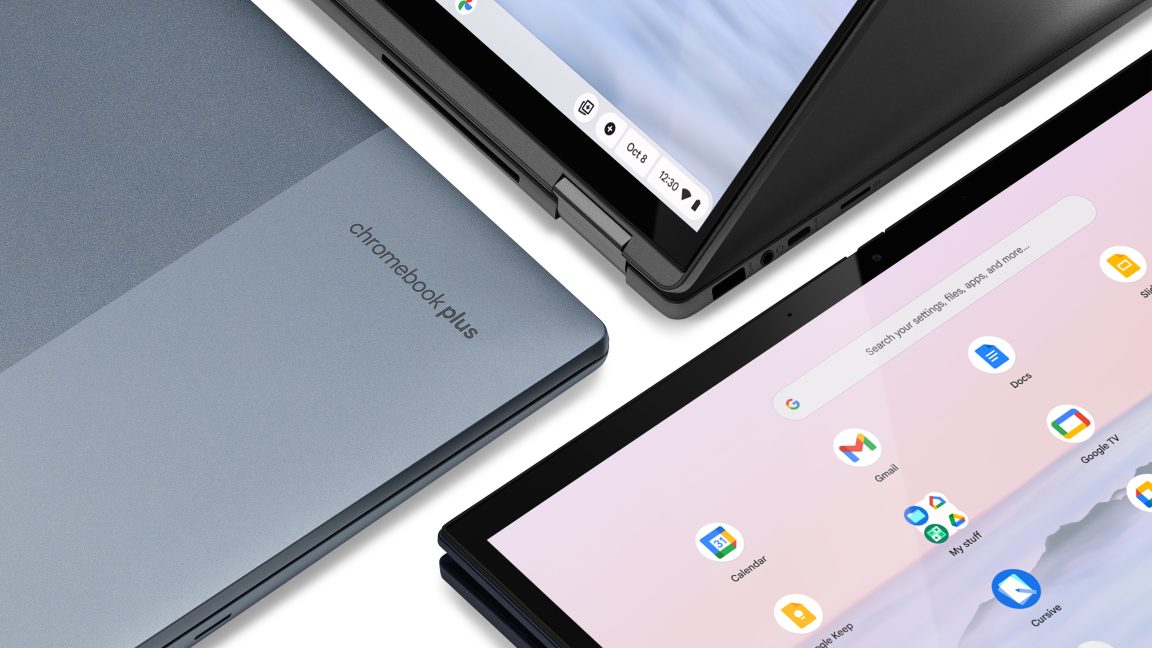
"The challenge for Google is balancing the desire for a premium brand image with the reality of their existing user base," says Marcus Thorne, a senior hardware analyst at TechInsights. "You cannot simply abandon the educational market after a decade of building a monopoly there. If they cut off the cheap hardware lifeline before the management software is ready, they risk leaving a vacuum that Windows-based laptops or even iPads will eagerly fill."
Official Responses and Public Positioning
Despite the clear implications of the support page documentation, Google’s official line remains cautious. Representatives have repeatedly stated that "Chromebooks will continue to exist," a statement that is technically true but increasingly ambiguous in its long-term meaning. In recent press briefings, Google executives have emphasized that the Googlebook platform is intended to be a "premium-first" experience, leaving open the possibility that a "Googlebook-lite" or a lower-tier hardware line might emerge in the coming years.
However, the company’s partners, such as HP and Lenovo, have been quieter. Their focus remains on the current high-end Googlebook rollout, which features advanced thermal management, high-resolution displays, and the heavy processing power required for modern generative AI tasks. There is no current indication that these partners are planning a return to the sub-$300 hardware tier, which suggests that the "premium" label is not just a marketing term, but a core requirement for the new OS.
Fact-Based Analysis: The Risks of Consolidation
The shift toward the Googlebook OS is a calculated gamble on software-hardware integration. By moving away from the "Chromebook" moniker, Google is attempting to shed the "cheap laptop" stigma that has dogged its hardware efforts since 2011. The strategy is to position Googlebook as a direct competitor to the MacBook Air and high-end Windows ultrabooks.
There are three primary risks to this strategy:
- Market Fragmentation: By creating a divide between those who can afford the migration and those who cannot, Google risks splitting its user base into two distinct tiers, potentially creating a support nightmare for software developers.
- Institutional Attrition: Schools and small businesses that rely on the current Chromebook pricing model may find the cost of entry for Googlebooks prohibitive. If they migrate to alternative platforms, they are unlikely to return, as the switching cost for OS ecosystems is notoriously high.
- Software Maturity: The transition is heavily dependent on the "direct migration" path. If this migration proves buggy or fails to preserve user data and settings, the loss of trust among consumers could be irreversible.
Future Implications for the Ecosystem
As the calendar moves into the latter half of the decade, the industry will watch closely to see if Google’s hardware partners release budget-friendly variants of the Googlebook. If the $899 entry price remains the floor for the ecosystem, the market will effectively bifurcate. The premium segment will be serviced by Googlebooks, while the low-cost segment may be left to languish, eventually being reclaimed by legacy Windows or Linux alternatives.
For now, the transition is in its infancy. The documentation published by Google serves as a warning shot: the era of the $200, low-maintenance, long-lifecycle Chromebook is coming to a close. Whether the Googlebook platform can successfully replicate the ubiquity of its predecessor, or if it will remain a niche product for power users and enterprise professionals, remains the most significant question in the personal computing space.
Ultimately, Google’s move is a reflection of a maturing market. The company is no longer interested in winning the race to the bottom of the pricing spectrum; it is now focused on the value of the software experience, specifically the integration of AI-driven tools that require more robust hardware than the entry-level Chromebooks of the past could provide. As the industry watches, the focus will shift from hardware specs to software longevity—a pivot that, while necessary for innovation, will inevitably leave many legacy users behind.