A Chronology of the Haystack Phenomenon
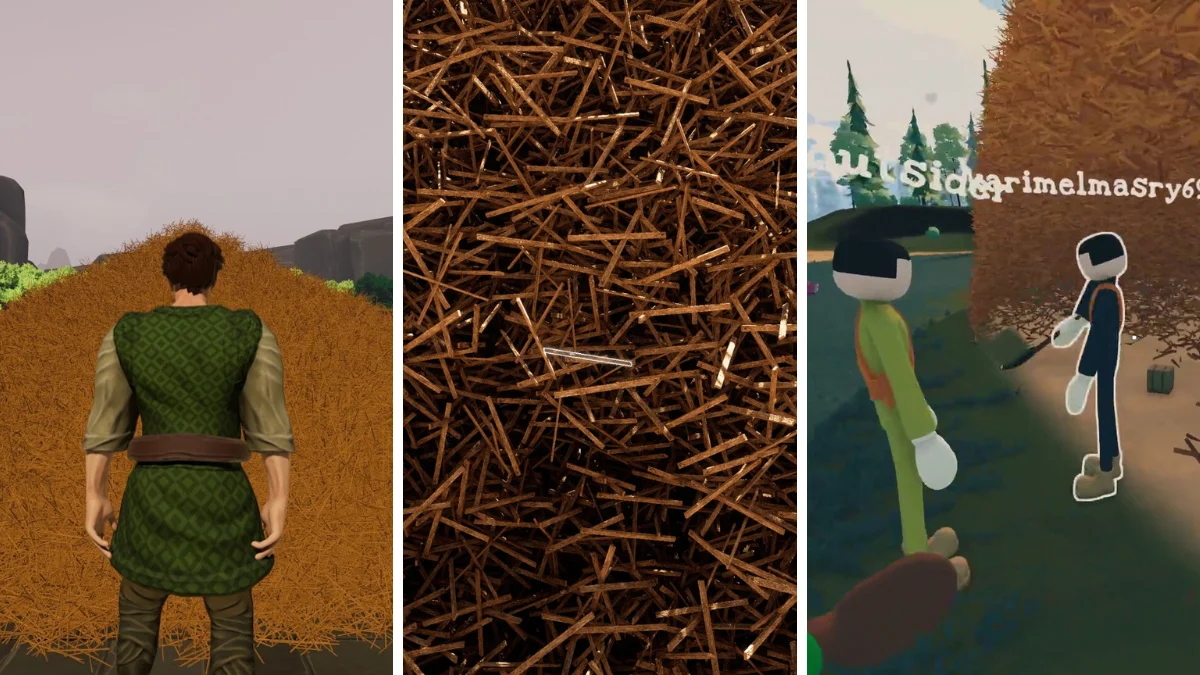
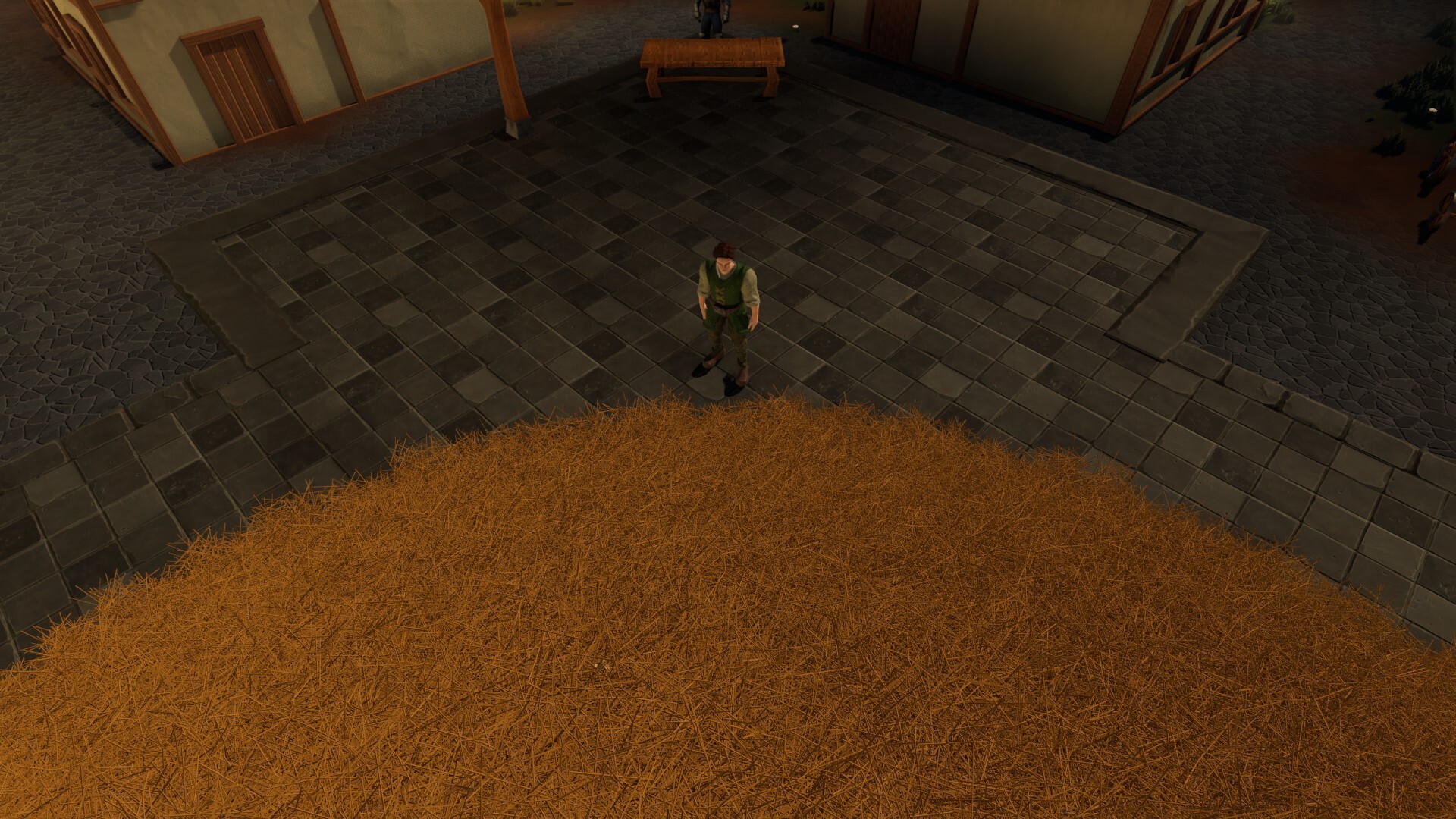
The proliferation of these titles appears to have gained momentum in late 2024, culminating in a series of releases throughout September 2026. The phenomenon began with the announcement of Needle In A Haystack Simulator, a title developed by Studio Bitdot. Despite the seemingly minimalist premise, the project made headlines in August 2026 when a playtest session drew approximately 23,000 concurrent participants. This figure is statistically significant for a niche simulation game, suggesting that the "sorting" genre—which has previously seen success with titles focused on organizing mundane household objects—has successfully bridged the gap to more abstract forms of busywork.
Following the visibility of Studio Bitdot’s project, other developers began to enter the market. Needle In A Haystack – A Time For Goats, developed by Red Key Games, was released on September 19, 2026. Data from the first week of availability indicated that the title sold over 1,000 units within seven days. This was closely followed by the September 25 launch of A Needle In A Haystack: Sorting Game. The rapid succession of these releases has prompted questions regarding market saturation and the speed at which independent developers react to viral trends.
Market Dynamics and Developer Responses
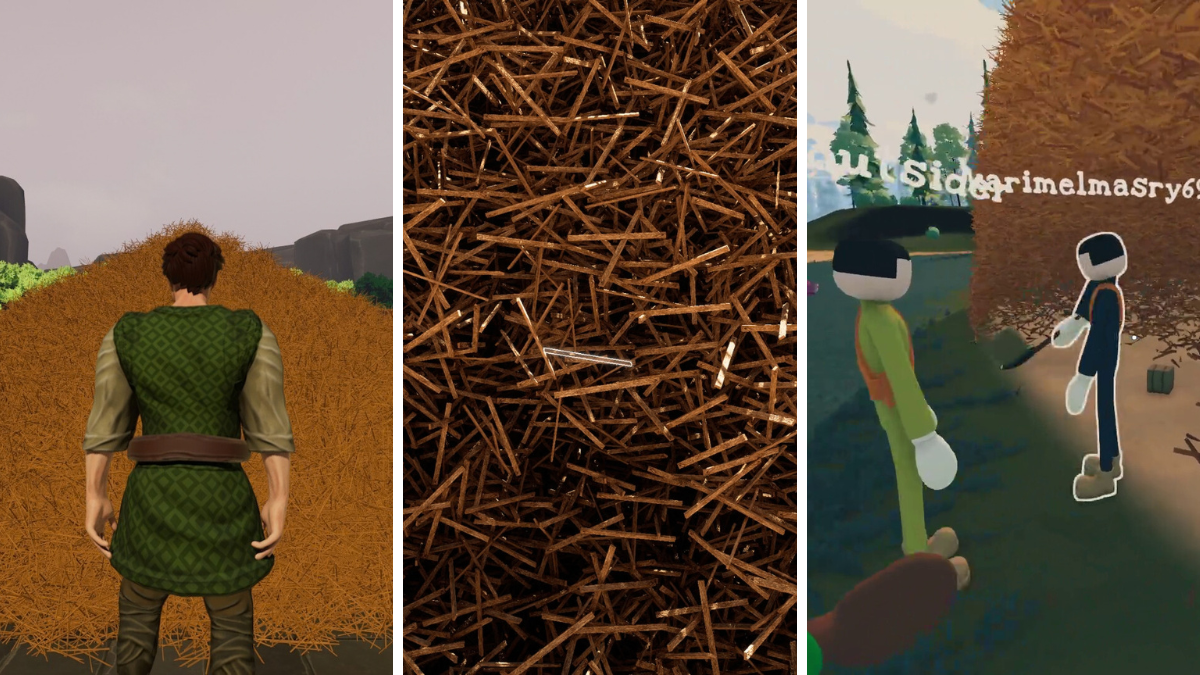
The sudden influx of games with nearly identical titles and core loops has sparked a public debate regarding the nature of independent game development and the influence of viral marketing. Red Key Games, in a statement addressing the rapid appearance of competitor titles, clarified that their development cycle began months prior to the surge in interest. The studio provided access to SteamDB data to substantiate their timeline, aiming to distinguish their work from "copycat" developers who may be attempting to capitalize on the trending topic.
However, the attempts to differentiate these titles have led to unconventional design choices. In an effort to stand out, Red Key Games recently implemented a first-person shooter (FPS) endgame mode into their simulation title. This update was met with skepticism from the existing player base, as evidenced by community feedback on the game’s official Steam forums, where users questioned the compatibility of a high-intensity shooter mechanic with a game marketed as a slow-paced, meditative sorting simulation.
The creator of the most prominent title, Needle In A Haystack Simulator, known by the handle "Nas," has adopted a more cynical stance toward the trend. In response to the viral nature of their game, Nas publicly apologized for the "slopification" of the Steam storefront, a term often used in the gaming community to describe an overabundance of low-effort, repetitive content. Nas characterized the project as a deliberate exploration of "slop" gaming, suggesting that the popularity of such titles is a reflection of the current state of digital consumption rather than traditional design excellence.
Broader Implications for the Steam Ecosystem
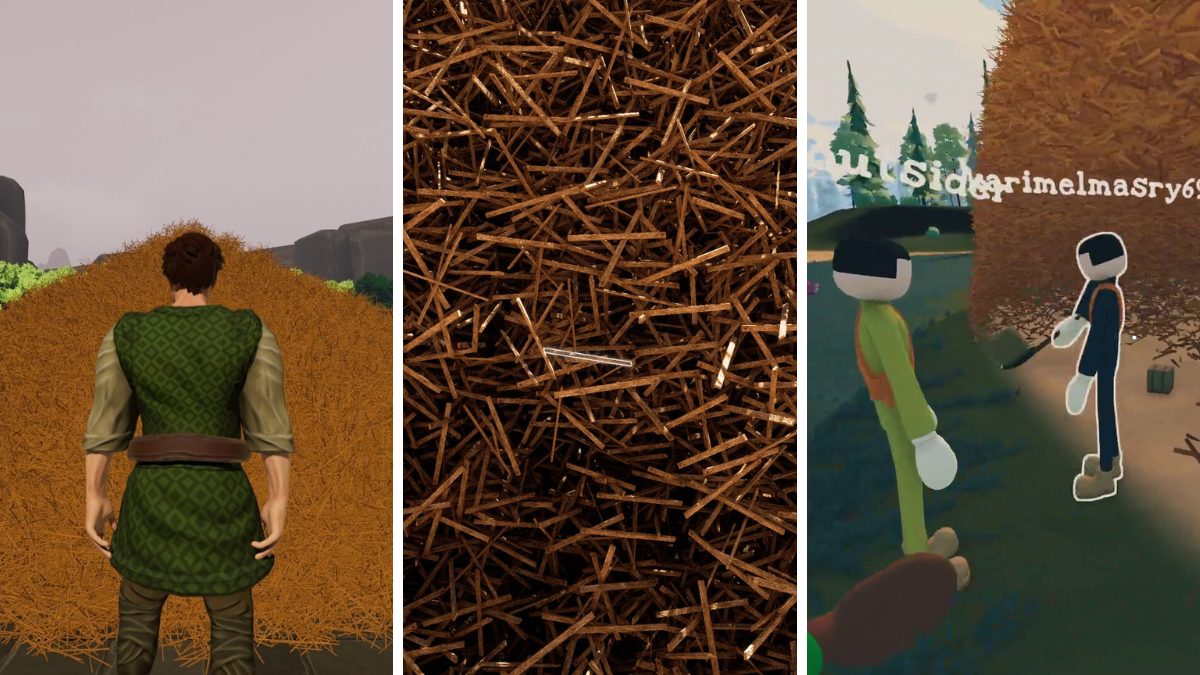
The rise of the "haystack" genre is indicative of a broader trend within the Steam ecosystem: the monetization of hyper-repetitive tasks. Over the past several years, the store has seen an increase in "clicker" and "incremental" games that prioritize long-term, low-engagement loops. These games often require minimal skill but provide a steady stream of dopamine-inducing rewards, such as virtual currency, inventory items, or simply the completion of a task.
The implications for the industry are twofold. First, the success of these games underscores the risk for indie developers who share experimental concepts on social media. Viral visibility, while valuable for discovery, now serves as an immediate signal for competitors to enter the space. Second, the sheer volume of games—with over 100,000 titles currently available on Steam—creates an environment where developers are increasingly incentivized to lean into gimmicks or "meme" concepts to break through the noise of the marketplace.
Analysts note that while some of these haystack titles may yield a modest profit for their creators, they also risk contributing to a "discovery fatigue" among players. When the storefront is flooded with multiple variations of the same premise, the ability for legitimate, innovative indie projects to find an audience is diminished.
Market Context: September 2026 Performance
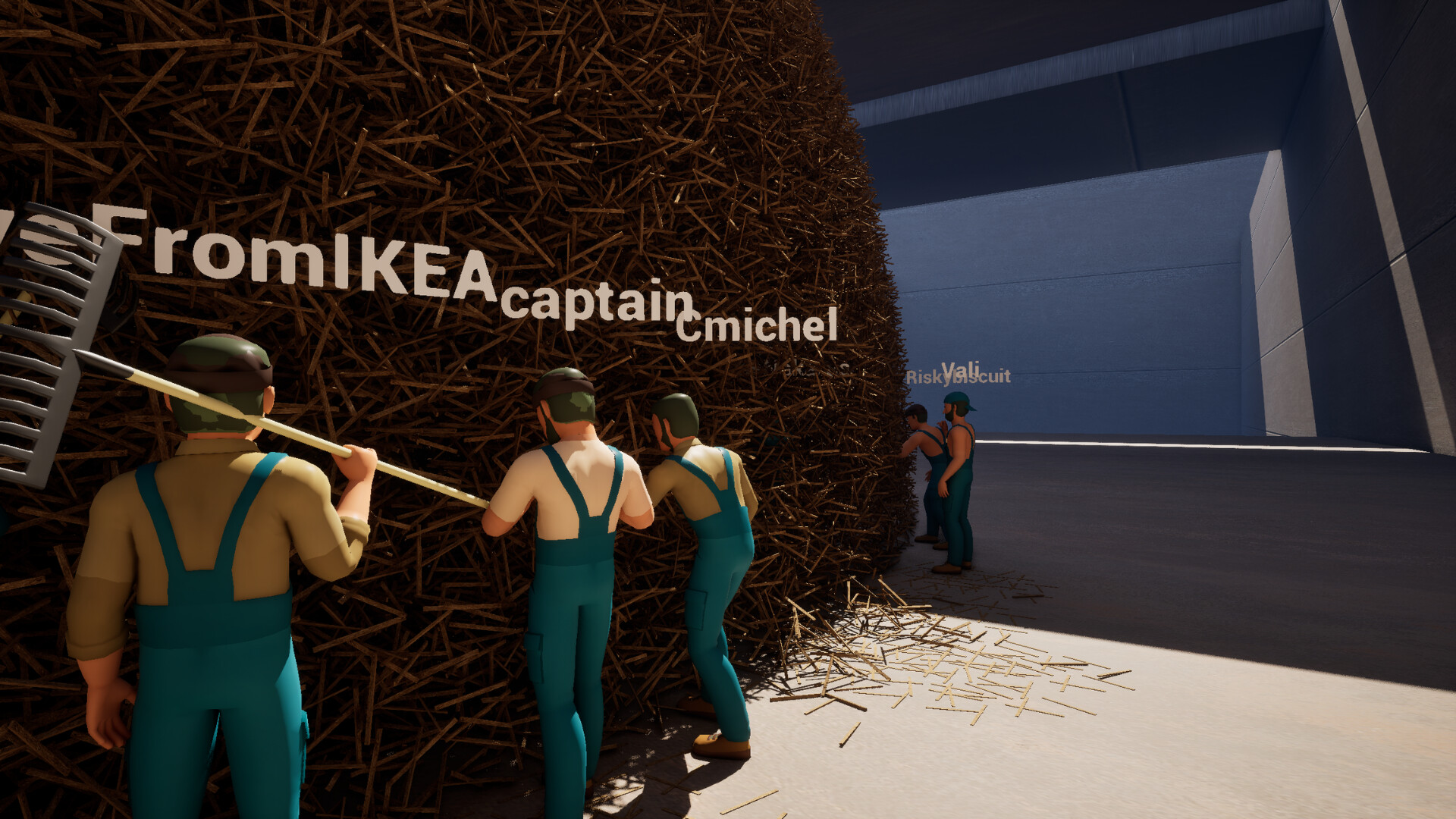
While the "haystack" games have captured headlines, they remain a sub-segment of the broader PC gaming market, which continues to be dominated by established live-service titles. According to revenue data from September 15 to September 22, 2026, the industry remains heavily influenced by high-budget, multiplayer-focused games.
The UK-based studio Bulkhead reported that their title, Wardogs, has reached three million copies sold since its pre-order phase began in mid-August. This success is notable given the high failure rate of live-service games in the current economic climate. Meanwhile, the pre-order performance of EA Sports FC 27 suggests that the sports simulation market remains largely insulated from the fluctuations of smaller indie trends. Interestingly, EA’s transparency regarding the use of generative AI in their development process has sparked its own discourse, emphasizing that while "slop" games utilize AI for rapid, low-quality content generation, major publishers are navigating the ethical integration of AI as an artistic tool.
The success of titles like Trails in the Sky 2nd Chapter—which has secured an "overwhelmingly positive" reception—serves as a counter-narrative to the "slop" phenomenon. It demonstrates that there remains a substantial, dedicated audience for high-quality, narrative-driven experiences that prioritize substance over repetitive mechanics.
Conclusion
The "needle in a haystack" trend on Steam is a microcosm of the modern digital storefront’s challenges. It highlights a tension between the democratization of game development, which allows for unique and experimental titles, and the rise of a "churn industry" that seeks to exploit trends for quick financial gain. As the industry moves forward, the success of these titles may prove to be a short-lived anomaly, or they may represent a permanent shift in how developers approach the concept of "play" in a world increasingly focused on the gamification of labor. For now, the haystack remains crowded, and the search for meaningful innovation in the independent sector continues to be overshadowed by the sheer volume of, as the developers themselves put it, "slop."