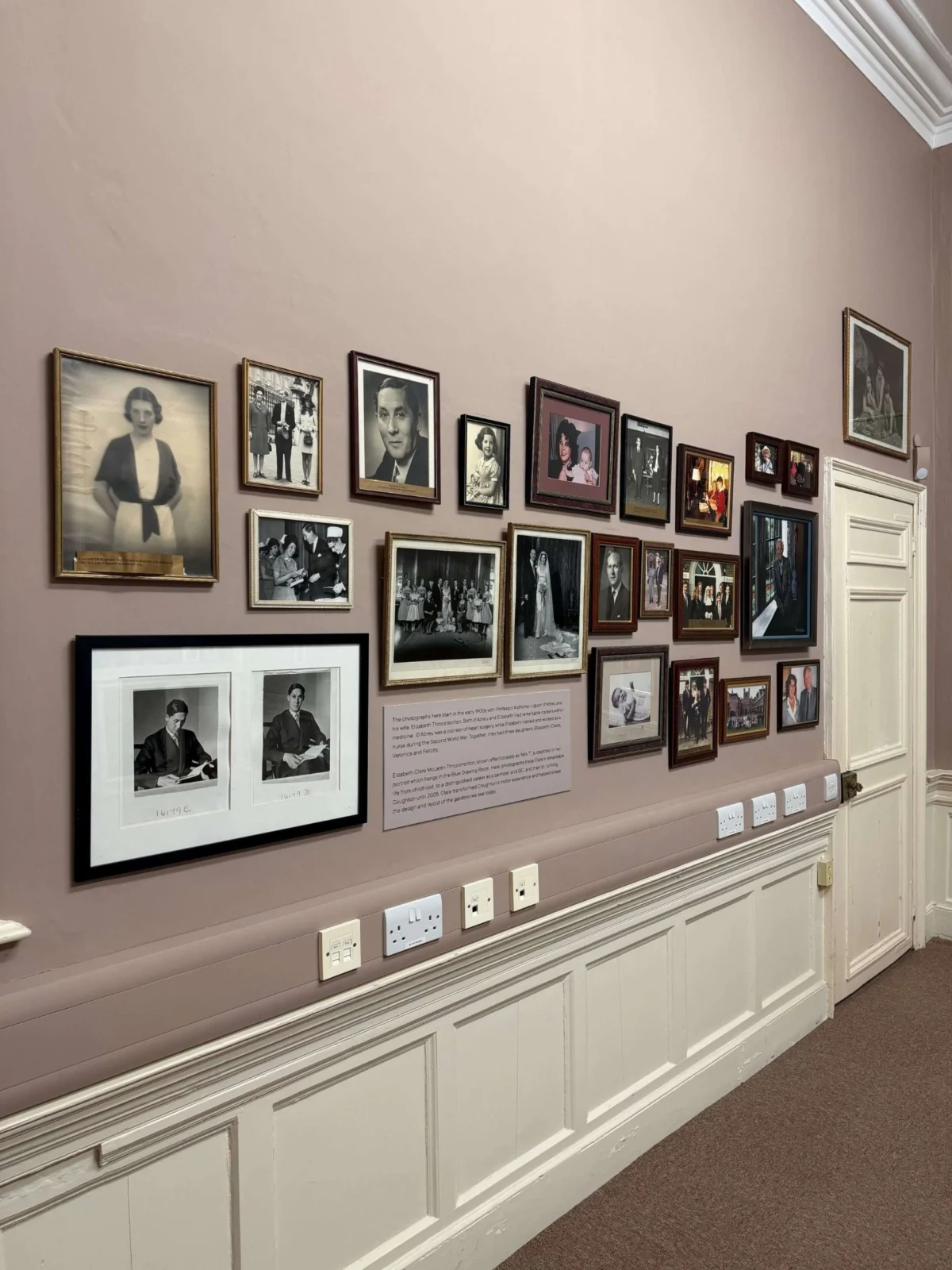
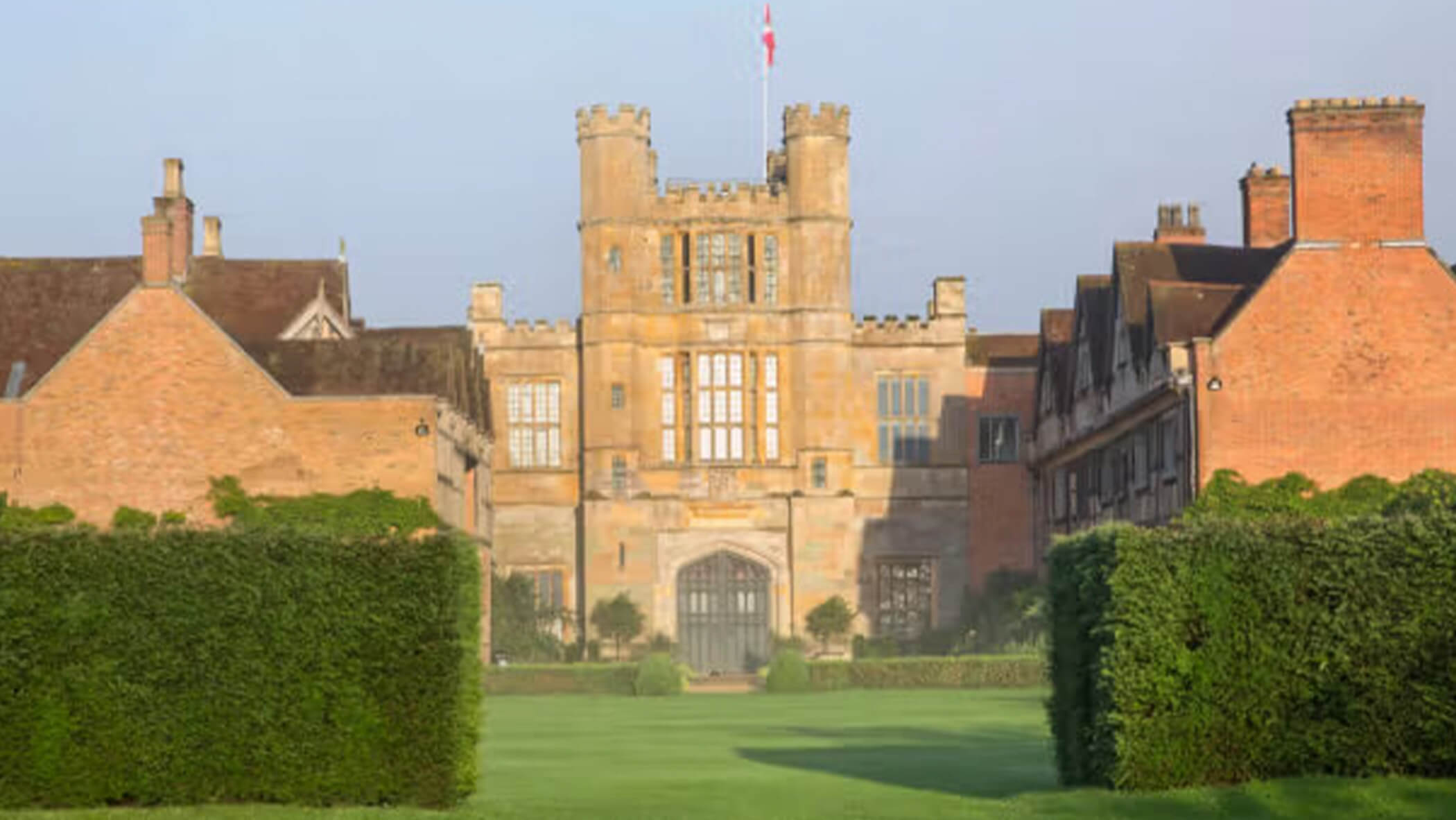
The storied lineage of the Throckmorton family stands as one of the most compelling chapters in British aristocratic history, marked by centuries of political influence, religious devotion, daring royal conspiracies, and an enduring resilience that has shaped the cultural heritage of Warwickshire. Today, this remarkable dynasty is reclaiming its profound historical narrative through a major new cultural presentation. Housed within their ancestral seat, the grandiose Tudor fortress of Coughton Court, a newly unveiled exhibition titled Throckmorton Family: Through the Lens invites the public into the private visual archives of a lineage that once challenged the foundations of the Tudor monarchy.
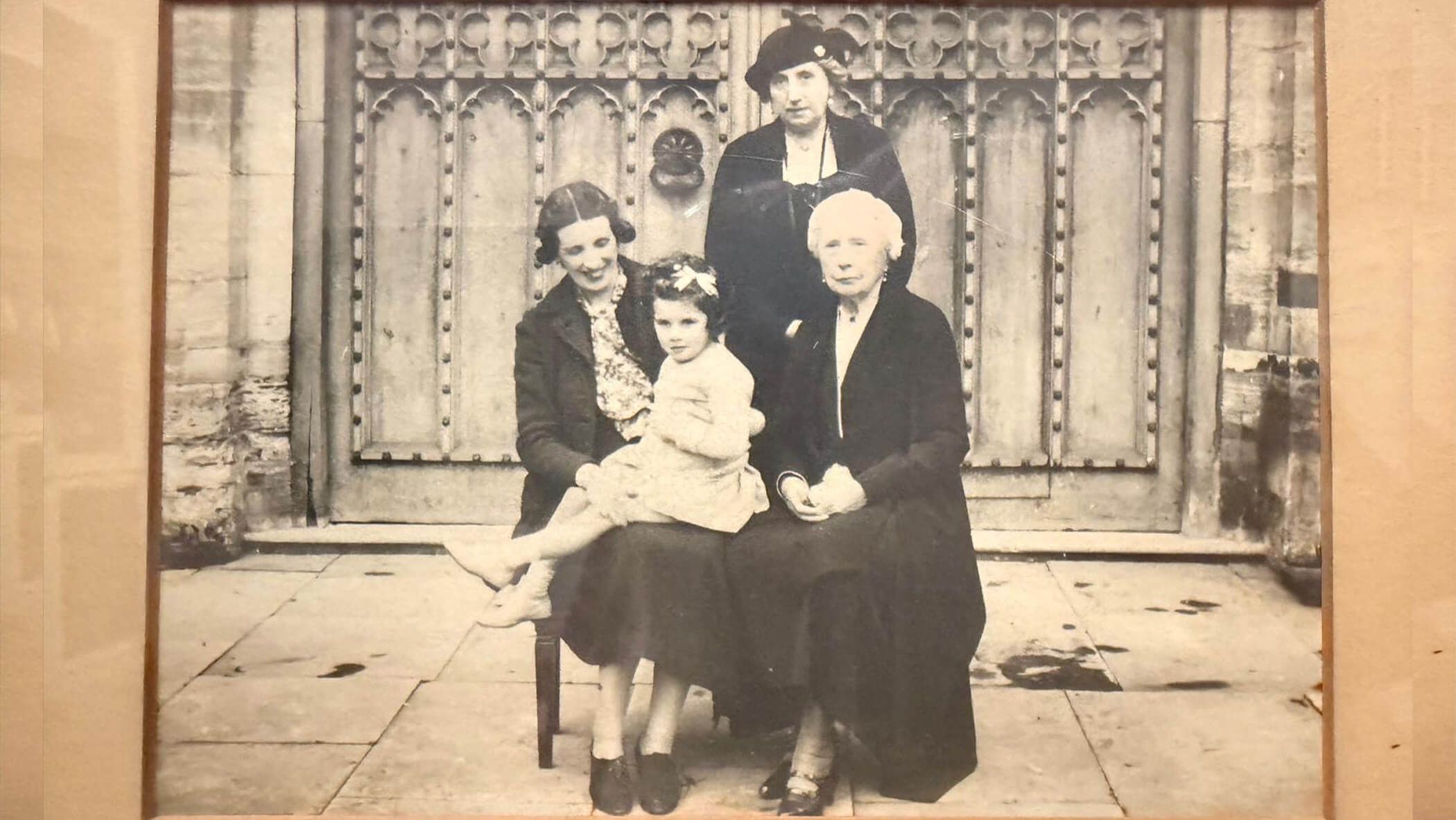
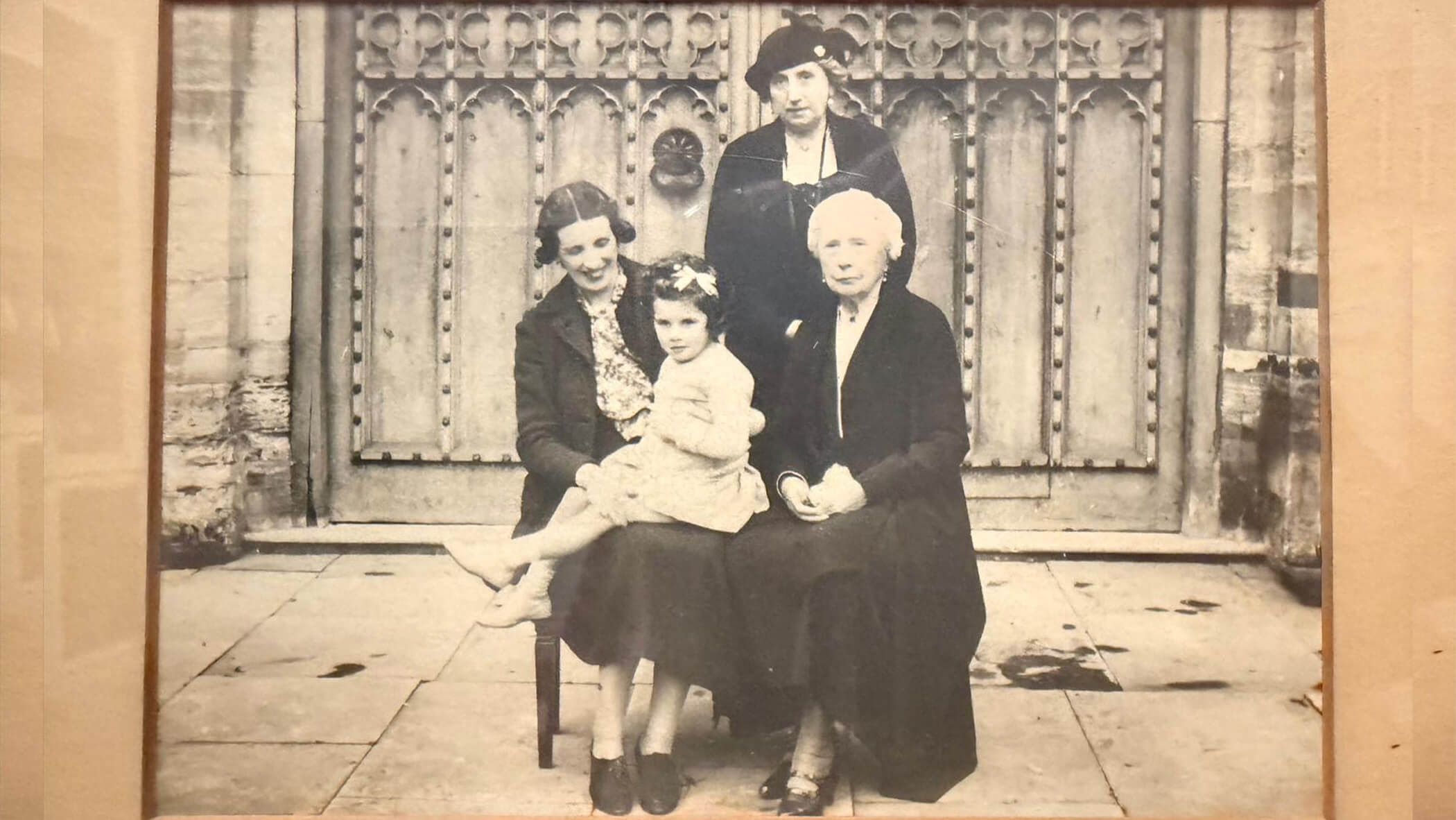
The exhibition, which runs Wednesday to Sunday from 11:00 AM to 4:00 PM through the end of the year, curates a rare collection of historic portrait photographs capturing generations of the family. Spanning from the late 19th century—featuring figures such as Sir William Throckmorton (1838–1919) and Henry Langford-Brooke (1843–1907)—up to the modern day, the display offers an intimate look at the individuals who stewarded the estate through monumental societal shifts.
A 600-Year Legacy Etched in English History
The deep roots of the Throckmorton estate trace back more than six centuries. In 1409, John de Throckmorton (1380–1445) acquired the Warwickshire property through marriage, establishing a dynastic stronghold near Stratford-upon-Avon. Over the subsequent decades, the family ascended to the upper echelons of English landowners, securing immense regional power and political influence.
However, their prominence was increasingly defined by their unyielding adherence to the Roman Catholic faith during a period of turbulent religious upheaval in England. As the Tudor dynasty sought to break away from papal authority, the Throckmortons emerged as prominent, outspoken opponents of King Henry VIII’s sweeping religious reforms. This steadfast resistance set the stage for generations of religious persecution, clandestine plotting, and high-stakes political drama that would alter the course of British history.
Treason, Conspiracies, and the Shadow of the Crown
The family’s unwavering loyalty to Catholicism repeatedly thrust them into the center of treasonous plots against the English throne. In 1583, Sir Francis Throckmorton (1554–1584) masterminded a daring, albeit ill-fated, conspiracy aimed at assassinating Queen Elizabeth I. The objective of the plot was to depose the Protestant monarch, rescue Mary, Queen of Scots, and restore Catholic rule across the nation. The conspiracy was ultimately uncovered by Sir Francis Walsingham’s intelligence network, leading to Sir Francis Throckmorton’s arrest, torture, and subsequent execution for high treason.
Less than three decades later, Coughton Court once again played a pivotal role in one of the most notorious events in British history. In November 1605, conspirators of the infamous Gunpowder Plot—led by figures attempting to blow up the Houses of Parliament and assassinate King James I—gathered at the Warwickshire estate. Family members and associates awaited news of the plot’s success, an event whose failure is still commemorated annually across the United Kingdom on Bonfire Night.
Despite surviving centuries of suspicion, heavy fines, and political marginalization, the Throckmortons maintained their ancestral seat, preserving its architectural integrity and rich repository of artifacts through successive generations.
Navigating Modern Financial Pressures and the National Trust Partnership
By the mid-20th century, the financial realities of maintaining a sprawling, historic Elizabethan estate in post-World War II Britain forced the family to make pragmatic adjustments. In 1946, facing mounting taxation and maintenance costs that threatened the survival of many historic British homes, the Throckmortons entered into a landmark agreement with the National Trust.
Under the arrangement, ownership and management of Coughton Court were transferred to the National Trust via a unique 300-year lease. Crucially, the agreement guaranteed the family the legal right to remain in residence, ensuring that a Throckmorton presence would continue to animate the historic halls. This partnership shielded the estate from the fate of demolition that befell hundreds of other stately homes during the mid-20th century, safeguarding its invaluable collections for future generations.
A Historic Homecoming and Family Stewardship
The narrative of Coughton Court took a dramatic and celebratory turn in February 2026. Magnus and Imogen Birch-Throckmorton, alongside their children Isabella and Hector, successfully transitioned a greater degree of operational control back into family hands, strengthening their direct oversight of the historic estate.
Rebecca Gee, curator at Coughton Court, noted that the current transition reflects both the enduring pride of the family and the steadfast faith of its modern residents in preserving the estate’s legacy. Imogen Gee emphasized that Throckmorton Family: Through the Lens was specifically curated to celebrate this momentous return of family-led stewardship, bridging the gap between historical survival and contemporary cultural presentation.
Broader Implications and Cultural Impact
The return of enhanced family control at Coughton Court, paired with the launch of the Through the Lens exhibition, offers broader implications for the management and interpretation of historic British properties. In an era where many historic houses risk becoming sterile, museum-only attractions disconnected from their living histories, the Throckmorton model demonstrates the viability of hybrid stewardship. By maintaining a continuous familial presence under the protective umbrella of the National Trust, properties like Coughton Court retain an authentic, lived-in character that deeply resonates with visitors.
Furthermore, the photographic exhibition highlights the evolving nature of historical preservation. While oil paintings and tapestries have traditionally dominated the walls of stately homes, incorporating 19th- and 20th-century photography humanizes the aristocracy, offering visitors a direct, unmediated visual connection to the individuals who navigated the immense burdens of a complex ancestral legacy.
For those planning a visit, Throckmorton Family: Through the Lens is included with standard house and garden admission tickets. As the Throckmorton family steps into this new chapter of stewardship, the exhibition serves as a powerful testament to endurance, adaptation, and the enduring pull of family heritage in the heart of the English countryside.