The European automotive market is currently witnessing a historic transformation, characterized by a decisive pivot away from traditional internal combustion engine (ICE) vehicles toward battery-electric alternatives. Data released by the International Council on Clean Transportation (ICCT) and the European Automobile Manufacturers’ Association (ACEA) confirms that the transition is accelerating, with August registration figures marking a significant milestone in the continent’s decarbonization strategy.
According to the latest industry metrics, electric vehicles (EVs) accounted for 29.2% of all new car registrations across the European Union, the United Kingdom, and EFTA nations in August. This figure represents a substantial year-over-year increase from the 20.2% market share recorded in the same month in 2025. When aggregating the data for the first eight months of the year, the year-to-date market share for battery-electric vehicles stands at 23.2%, signaling that the momentum is not merely a seasonal anomaly but a sustained trend driven by consumer preference, legislative incentives, and improved model availability.
A Chronology of the Shift
To understand the current surge, one must look at the trajectory of the European market over the past several years. As recently as the end of August 2025, battery-electric vehicles commanded a 17.7% share of the new car market. During that same period, combustion-powered vehicles—comprising both gasoline and diesel models—held a dominant 35.8% market share.
Fast-forwarding to the present, the market share for traditional combustion cars has entered a steady decline. In August alone, gasoline-powered vehicles captured just 18.5% of the market, while diesel vehicles plummeted to a marginal 5.8%. For the January through August period, the combined market share for gasoline and diesel vehicles has settled at approximately 27.9% according to ACEA, or 29% according to the ICCT. While these figures suggest that combustion engines still retain a presence, the gap between traditional fuel types and electric powertrains is closing at a pace that has caught many legacy manufacturers off guard.
Regional Disparities and Leadership
The transition to electrification is far from uniform across the European continent. Norway continues to serve as the global benchmark for EV adoption, having reached a near-total market saturation point where 98% of all new car registrations from January to August were electric. This success is the result of over a decade of aggressive government policy, including significant tax exemptions and infrastructure investment.
Following Norway, Denmark has solidified its position as a secondary leader with an 82% EV market share. The Nordic and Baltic regions generally show high adoption rates, with Finland at 50%, Iceland at 47%, and Sweden at 43%. Conversely, emerging markets in Eastern and Southern Europe, such as Croatia, are still in the early stages of the transition, reporting a 4% EV market share. These disparities underscore the ongoing challenge of achieving a synchronized energy transition across a diverse economic bloc with varying levels of charging infrastructure maturity and purchasing power.
Manufacturer Dynamics: The BMW and Volkswagen Stories
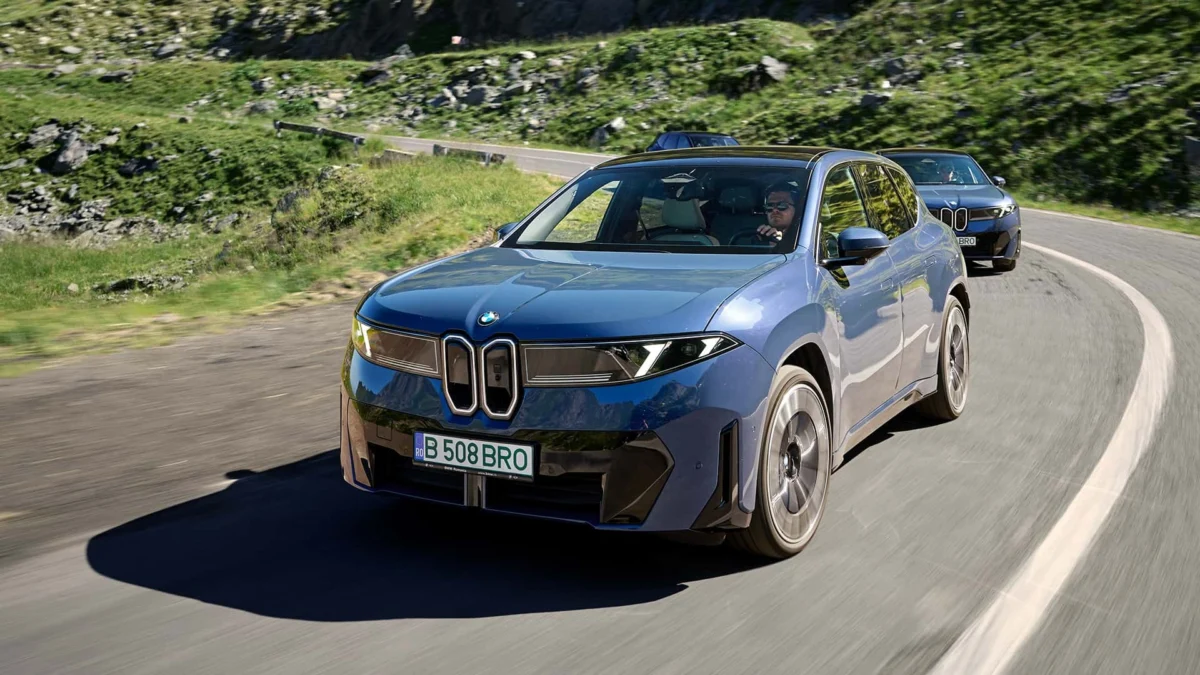
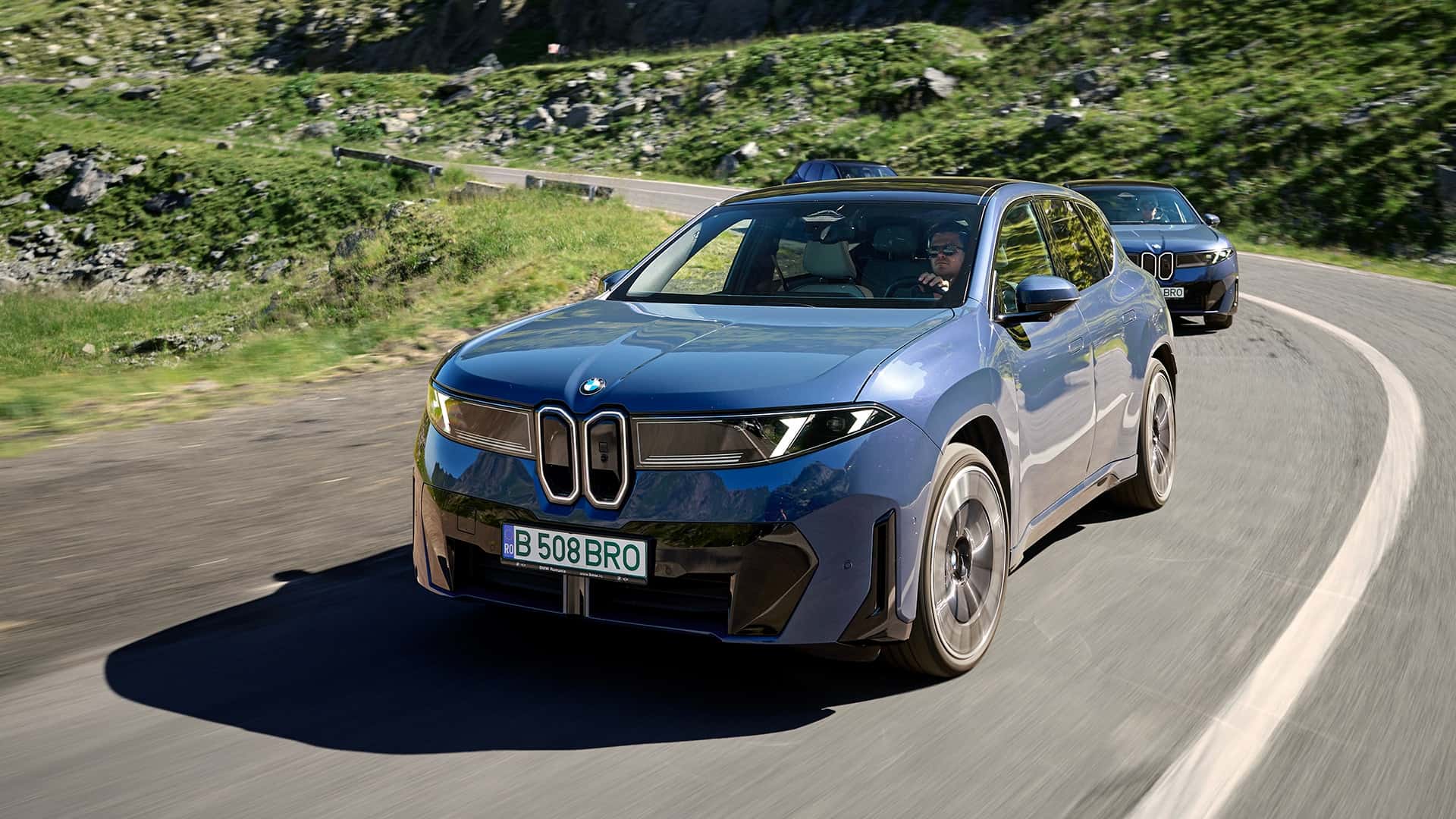
The shift in consumer demand has forced a realignment of production priorities for major European automakers. The BMW Group, which has seen its EV market share climb to 30% for the first eight months of the year—a 10-percentage-point increase from the previous year—has attributed much of its success to the robust performance of its iX3 crossover and the expansion of its electric portfolio.
Perhaps even more emblematic of this change is the situation facing the Volkswagen Group. As Europe’s largest automaker, Volkswagen has recently encountered an unprecedented production bottleneck: demand for its electric vehicles now outstrips its current assembly capacity. The success of the newly launched ID. Polo has been so significant that, for the first time in the company’s history, the order book for electric vehicles in its home market of Germany has surpassed that of its traditional gasoline and diesel counterparts.
This has prompted management to initiate a strategic pivot, reallocating resources from combustion engine manufacturing lines to prioritize the scaling of EV production. This move is not merely a choice but a response to the market reality that consumers are increasingly viewing electric options as their primary preference rather than a niche alternative.
The Hybrid "Middle Ground"
While battery-electric vehicles are gaining ground, they are not the only technology competing for the market share left behind by gasoline and diesel. Hybrid vehicles—which include mild hybrids and full hybrids—remain a dominant force in European sales. In August, hybrids accounted for 32.8% of the market.
Interestingly, the growth of the hybrid segment in Europe has remained relatively stable compared to the United States. In Europe, the year-to-date market share for hybrids is 36.3%, up only marginally from 34.7% during the same period in 2025. This suggests that while hybrids act as a bridge technology for many consumers hesitant to commit to a full-electric vehicle, the primary momentum of the market is trending firmly toward pure electrification.
Broader Implications for Urban Environments
The environmental and public health implications of this transition are substantial. Extensive academic research has consistently demonstrated that the displacement of internal combustion engines in dense urban environments leads to measurable improvements in air quality. By reducing the concentration of particulate matter, nitrogen oxides, and other pollutants, the widespread adoption of EVs is expected to mitigate the long-term health burdens associated with urban traffic emissions.
Furthermore, the economic implications for consumers are beginning to shift in favor of electric mobility. Despite the volatility of energy prices, studies indicate that the total cost of ownership—taking into account fuel savings and lower maintenance requirements—often favors EVs, even when factoring in the cost of public charging networks. This economic narrative is helping to bridge the gap for mass-market buyers who previously considered EVs to be a luxury item.
Future Outlook and Policy Challenges
As the European automotive industry looks toward the end of the decade, the primary hurdle remains the scaling of infrastructure to match the pace of vehicle adoption. The "Eurocharge" initiative and various national subsidies have provided the necessary spark, but the long-term sustainability of this growth will depend on three key factors:
- Infrastructure Density: Ensuring that high-speed charging networks are available not just in major urban centers, but along rural transit corridors to alleviate range anxiety.
- Affordability: The success of the ID. Polo and similar compact, affordable EVs indicates that price-conscious consumers are ready to buy if the vehicle price point aligns with traditional combustion models.
- Grid Resilience: As the percentage of electric vehicles on the road increases, power grids will require significant upgrades to manage the increased demand for electricity, necessitating a parallel investment in renewable energy generation and storage solutions.
The data provided by the ICCT and ACEA confirms that Europe is past the "early adopter" phase of electric mobility. The region is currently in the midst of a mass-market transformation. While the path forward will require navigating supply chain complexities, energy infrastructure demands, and the gradual phase-out of legacy automotive technologies, the current trajectory is clear. The European consumer has moved, and the automotive industry is in the midst of a historic, irreversible realignment to meet this new demand. The figures from August 2026 serve as a definitive baseline, proving that the age of the combustion engine in Europe is rapidly drawing to a close, replaced by a new, electrified era of mobility.