The automotive market is currently navigating a period of significant recalibration. As traditional internal combustion engine vehicles face ongoing scrutiny regarding fuel efficiency and long-term ownership costs, consumers are increasingly turning to electrified options. While hybrid vehicles have gained immense traction due to their ability to bridge the gap between gasoline convenience and electric efficiency, the battery-electric vehicle (BEV) segment is exhibiting a more nuanced performance trajectory. New data from Cox Automotive indicates that while there is a measured uptick in interest, the market for new EVs remains volatile, influenced by shifting tax incentives, fluctuating inventory levels, and a growing, highly active pre-owned segment.
A Measured Recovery in New EV Sales
According to recent industry analysis, new electric vehicle sales in August showed a modest recovery, rising 2.5 percent compared to July figures. While this sequential growth is a positive signal for automakers, it must be contextualized against a broader, more challenging year-over-year comparison. BEV sales are currently tracking 46.9 percent lower than the same period last year. This sharp decline is largely attributed to a "pull-forward" effect observed in 2023, where a surge in consumer activity was driven by the impending expiration of specific federal tax credit provisions. Many buyers who had been considering an EV accelerated their purchases to capitalize on these financial incentives before they were modified or reduced.
Despite the year-over-year dip, the industry is seeing a stabilization of pricing. The average transaction price for a new electric vehicle fell by 1.3 percent in August, reaching $54,754. While this remains higher than the average transaction price for a combustion-powered vehicle—which currently sits at $49,907—the gap is narrowing. As manufacturers scale production and competition intensifies, the premium associated with electric propulsion is gradually eroding, bringing the industry closer to price parity.
The Dominance of Tesla and the Rise of Challengers
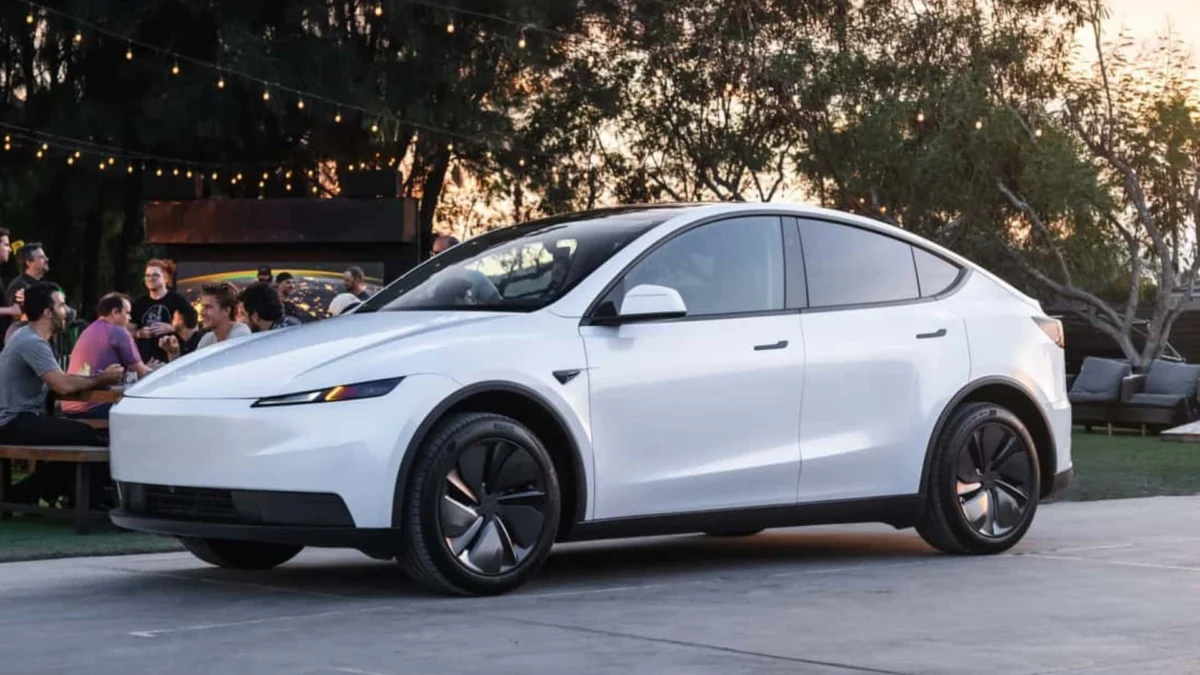
Tesla continues to hold a commanding, albeit slightly diminished, share of the market. Out of the approximately 79,000 EVs sold in the United States last month, Tesla accounted for nearly 41,000 units. Even as the company saw a 3.8 percent decline in sales from July, its market footprint remains vast compared to competitors.
However, the "Tesla and everyone else" narrative is facing challenges from legacy automakers. Toyota, for instance, reported a significant surge in sales, with 4,964 units moved in August—a 34.9 percent increase. This growth reflects the broader automotive trend where established manufacturers are successfully leveraging their manufacturing scale and brand loyalty to capture a larger slice of the EV pie. As supply chains normalize and more models enter the market, the concentration of power within the EV segment is expected to diversify further.
The Booming Pre-Owned Electric Market
While the new car market is navigating a slow-growth environment, the used EV sector is experiencing a period of rapid expansion. Data from Cox Automotive highlights a 25.9 percent increase in used EV sales month-over-month, and a 14.7 percent increase annually, with 44,350 units sold in August alone. This surge is primarily driven by the re-entry of off-lease vehicles into the retail market.
For many consumers, the barrier to entry for electric vehicle ownership has historically been the high sticker price. The influx of three-to-four-year-old models coming off lease provides an accessible entry point. The average listing price for a used EV dropped 1 percent in August to $37,441, making them a highly attractive option for cost-conscious drivers looking to mitigate the impact of volatile gas prices.
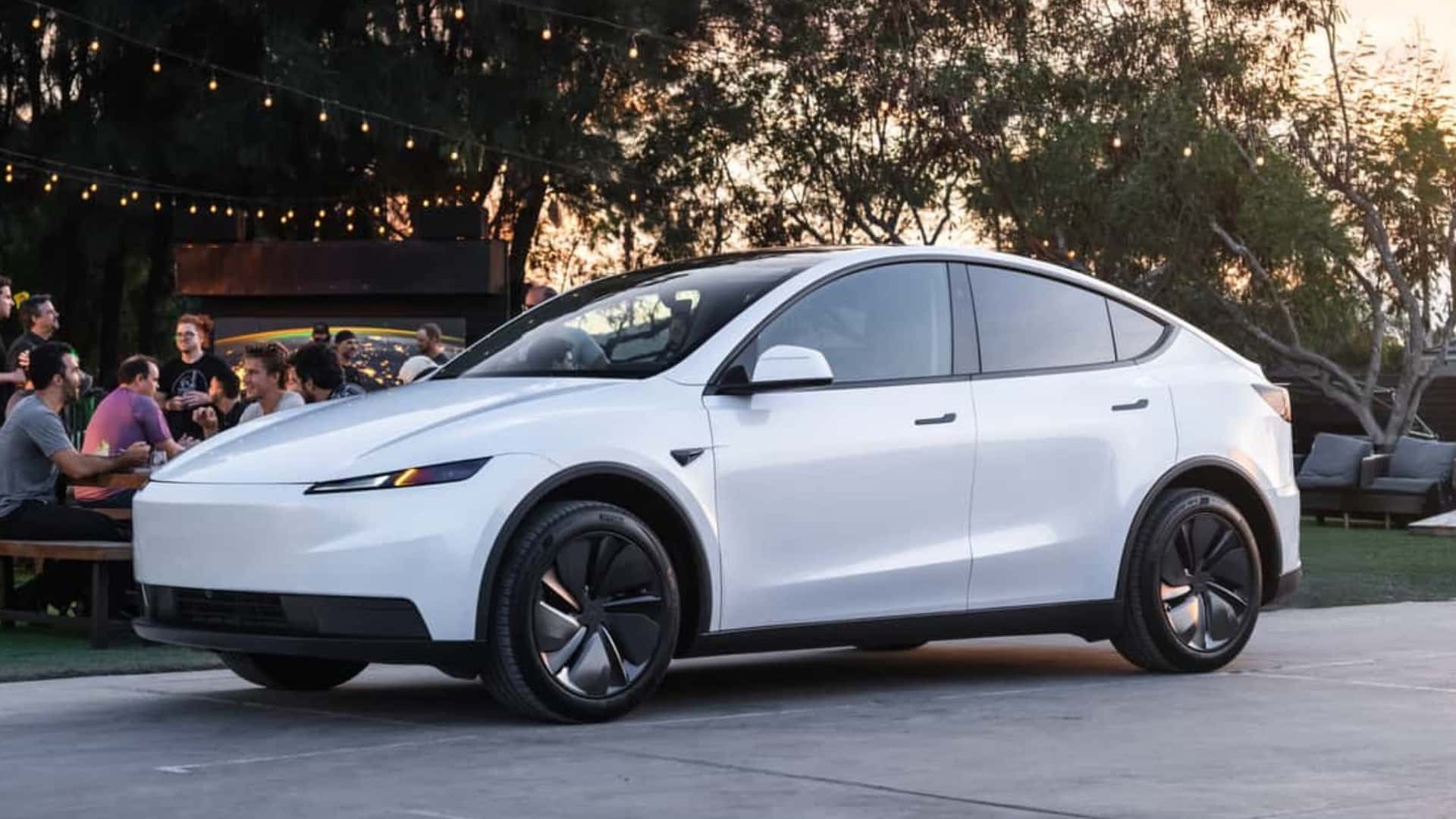
While the used market is currently more affordable than it was a year ago, it is worth noting that prices are still 8.2 percent higher than they were in the previous year, reflecting a sustained demand that has outpaced the supply of available used units. Tesla continues to lead in the pre-owned space as well, accounting for nearly 30 percent of all used EV sales. Nevertheless, manufacturers such as Nissan and Kia have reported substantial gains in their pre-owned EV segments, with sales rising 45.1 percent and 32.1 percent, respectively, suggesting that buyers are becoming more brand-agnostic when seeking value in the used market.
Consumer Preferences and Market Drivers
The most sought-after models in both the new and used markets remain the Tesla Model 3 and Model Y, along with the Ford Mustang Mach-E. These vehicles have consistently recorded the highest volume of month-over-month increases, indicating that consumers favor established platforms with proven track records in range and charging infrastructure.
The motivation behind this shift is primarily financial. With gas prices remaining a consistent concern for household budgets, the allure of reduced fuel expenditures—coupled with lower maintenance requirements inherent in electric drivetrains—has become a powerful driver of consumer behavior. Furthermore, the increasing availability of public and home charging infrastructure is slowly alleviating the "range anxiety" that previously deterred mainstream adoption.
Industry Implications and Future Outlook
The current state of the automotive industry suggests that we are in a transition phase between early-adopter enthusiasm and mass-market saturation. The disparity between the performance of the new and used EV markets indicates that while many consumers are interested in electrification, they are highly sensitive to price.
Automakers are now faced with a dual challenge: they must continue to innovate to lower the manufacturing costs of new EVs to reach price parity with internal combustion engines, while simultaneously managing the residual values of their existing fleets to ensure the secondary market remains healthy. For the consumer, this indicates a favorable environment. The rise of a robust used market means that the benefits of electrification are no longer reserved solely for those capable of purchasing high-end, new vehicles.
As the industry moves into the final quarter of the year, analysts will be watching to see if the 2.5 percent growth in new EV sales marks the beginning of a sustained recovery or if it remains a temporary fluctuation. The key to long-term success will likely hinge on the continued expansion of affordable, mid-market EV options and the ongoing evolution of federal and state-level incentives designed to accelerate adoption.
For now, the data confirms a clear trend: the American consumer is increasingly wary of the pump. Whether through the purchase of a new, cutting-edge electric crossover or a pre-owned sedan with thousands of miles left to offer, the move toward electric propulsion is no longer a niche interest—it is a significant, and growing, segment of the domestic automotive economy. As legacy manufacturers and electric-native firms continue their tug-of-war for market share, the ultimate beneficiary is the buyer, who now faces a wider array of electrified choices than at any point in automotive history.
Summary of Market Data (August)
- New EV Sales Growth: +2.5% (Month-over-month)
- New EV Year-over-Year Sales: -46.9%
- Used EV Sales Growth: +25.9% (Month-over-month)
- Average New EV Price: $54,754
- Average Used EV Price: $37,441
- Tesla Market Share (New): ~41,000 units out of 79,000 total
As the sector evolves, the focus for the remainder of the decade will likely shift toward battery supply chain resilience and the development of a more comprehensive charging network. These infrastructure improvements are widely considered the final hurdles to widespread, frictionless electric vehicle adoption. For now, the combination of cooling new car prices and a hot used market provides the necessary momentum to keep the transition to electrification moving forward, albeit at a more measured pace than the rapid growth seen in previous years.