Apple has officially confirmed that the highly anticipated watchOS 27 software update will be released to the public on Monday, September 14. This milestone update represents a significant shift in the wearable device’s operating philosophy, moving away from legacy navigation shortcuts toward a more intelligence-driven, proactive interface centered on the integration of Siri AI. As the update rolls out to compatible Apple Watch models, users will experience a fundamental change in how they interact with their wrists, marked by the arrival of a standalone AI assistant and a revised approach to application management.
The Evolution of the Apple Watch Interface
The release of watchOS 27 follows a rigorous development cycle that began in early summer. Throughout the beta testing phase, Apple engineers worked to refine the performance of the new Siri AI engine. Initial reports from early beta builds suggested a period of instability, with users noting latency in request processing and intermittent connectivity issues. However, the progression through successive beta iterations—culminating in the polished performance observed in beta 8—demonstrates a substantial optimization of on-device machine learning capabilities.
The primary architectural change in watchOS 27 is the introduction of a dedicated Siri AI application. Unlike previous versions of watchOS, where Siri functioned as a background utility triggered by voice or physical inputs, the new Siri AI app serves as a centralized hub for complex queries. By leveraging advanced large language models, the watch can now process broader, more intricate questions without relying on a tethered connection to an iPhone. This decoupling is a strategic maneuver by Apple to increase the autonomy of the Apple Watch, positioning it as a standalone computing device rather than a mere peripheral.
Chronology of the watchOS 27 Development Cycle
The road to the September 14 release was marked by key developmental milestones that set the stage for the current iteration of the software:
- Early July 2026: Apple issues the third developer beta of watchOS 27, offering the first real-world look at the upgraded Siri AI experience and the initial implementation of the dedicated Siri application.
- Late July – August 2026: A period of rapid iteration ensues. Developers and early adopters report mixed performance, specifically regarding the responsiveness of AI-driven voice commands.
- Early September 2026: Apple releases beta 8, which addresses major performance bottlenecks. Testers report that the system has achieved the latency targets necessary for daily, fluid interaction.
- September 9, 2026: During the annual Apple product event, the company showcases the new Series 12 and Ultra 4 hardware, confirming that these devices will ship with watchOS 27 pre-installed.
- September 14, 2026: Official global release date for all compatible legacy devices.
Navigational Shifts and Feature Deprecation
While the introduction of Siri AI offers new functionality, the update necessitates a period of adjustment for long-time users due to the removal of legacy features. Perhaps the most notable change is the retirement of the "Walkie-Talkie" application, a staple feature since watchOS 5. Apple has not provided a specific replacement for the peer-to-peer audio service, signaling a shift in focus toward more asynchronous and AI-mediated communication tools.
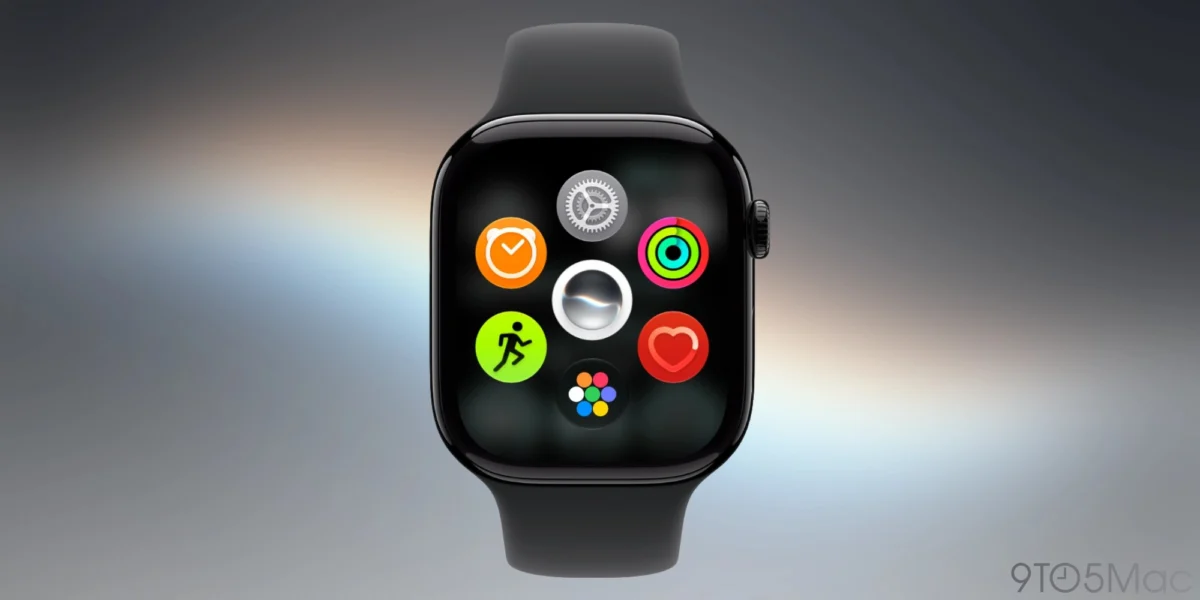
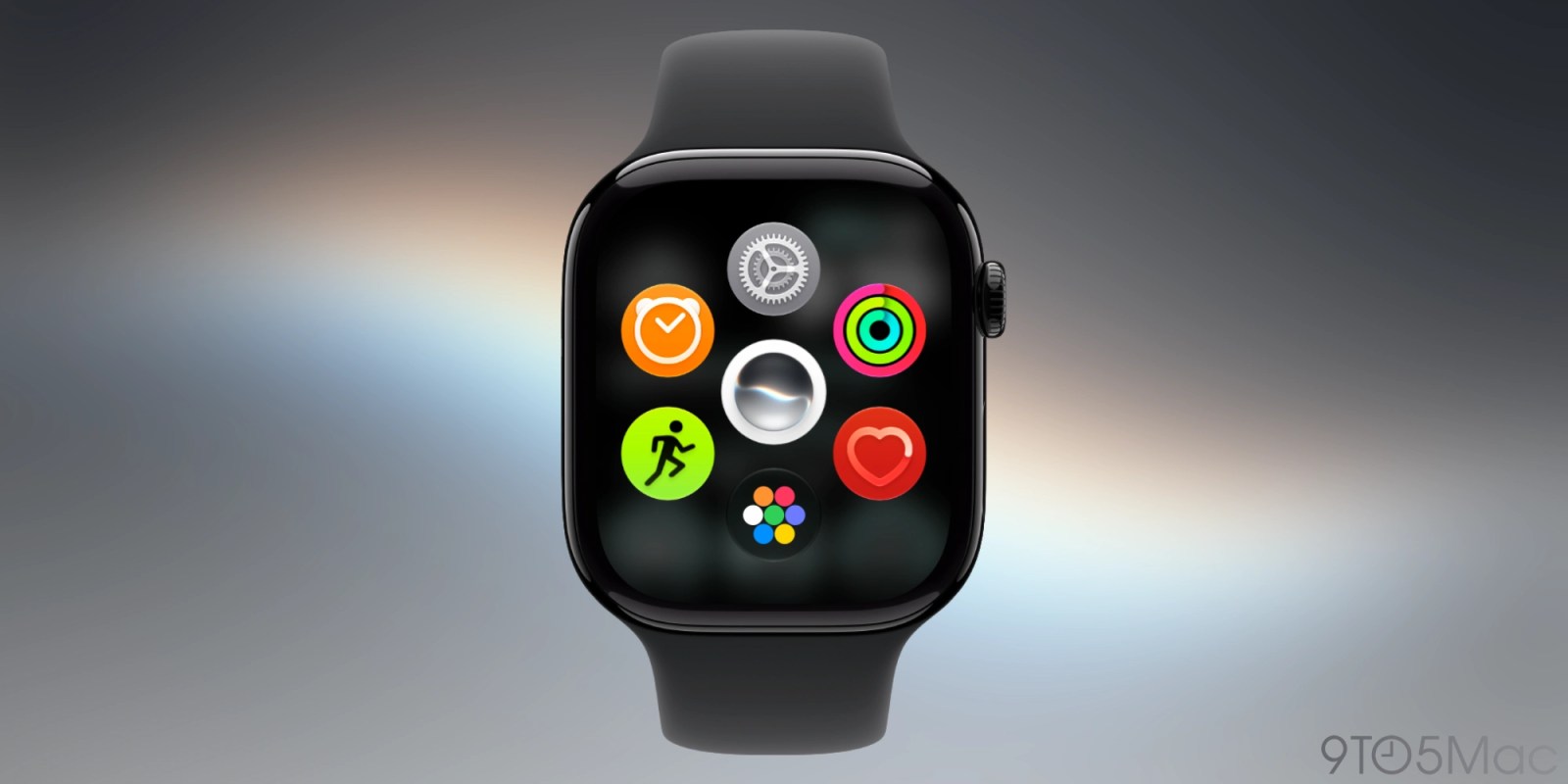
Furthermore, the physical interaction model of the device has been altered. The long-standing habit of double-clicking the Digital Crown to toggle between the two most recently used applications has been superseded. In watchOS 27, this action now triggers a dynamic app grid that intelligently surfaces suggested applications and direct access to the Siri AI interface. Users who rely on the traditional, full-screen app launcher will find it remains accessible, though it now requires an additional navigational step. This change reflects Apple’s broader data-driven strategy: surfacing the most relevant content to the user through predictive modeling rather than requiring manual input.
Broader Implications of AI-Driven Wearables
The transition to watchOS 27 is not merely a cosmetic or functional update; it is an indicator of Apple’s broader commitment to integrating generative AI across its entire product ecosystem. By enabling the watch to handle complex knowledge queries locally, Apple is mitigating privacy concerns associated with cloud-based processing while simultaneously reducing the dependency on the iPhone.

From an analytical perspective, this update positions the Apple Watch as a competitor to standalone AI assistants. The synchronization of conversations across devices ensures that a query started on a watch can be continued on a Mac or iPhone, creating a seamless ecosystem experience. This "continuity of intelligence" is expected to increase user engagement with the wearable, particularly for productivity tasks that were previously deemed too complex for the small form factor.
Technical Requirements and Compatibility
Apple has been selective regarding which hardware will receive the watchOS 27 update. To ensure the smooth operation of the new Siri AI features and the dynamic app grid, the software requires the processing power of the following models:
- Apple Watch Series 9 and all subsequent models.
- Apple Watch Ultra 2 and all subsequent models.
- Apple Watch SE 3.
Devices released prior to these models, such as the Series 8 or the first-generation Ultra, will not support the full suite of watchOS 27 features. This hardware segmentation is largely attributed to the demands placed on the Neural Engine by the new Siri AI capabilities, which require higher memory bandwidth and specialized processing cores not present in older iterations of the S-series silicon.
Enhancements to the Ecosystem
Beyond the headline-grabbing AI features, watchOS 27 introduces several refinements designed to improve the daily utility of the device. The "Find My" app has been unified, providing a more consistent experience across the watch, phone, and tablet. Additionally, "Smart Stack" suggestions—a feature introduced in previous versions—have been expanded to offer more granular control over what information is prioritized on the watch face throughout the day.

For health and fitness enthusiasts, the "Workout Buddy" system has received significant updates. The algorithm now provides more contextual feedback based on previous workout history and recovery metrics. This level of personalization is a hallmark of Apple’s recent health-focused product roadmap, which aims to transform the Apple Watch from a passive activity tracker into a proactive health coach.
Market Reception and Future Outlook
Industry analysts suggest that the September 14 rollout will be a critical test for Apple’s "intelligence first" strategy. If the Siri AI performance remains stable under heavy, real-world traffic, it could set a new benchmark for wearables. Conversely, any degradation in performance could lead to criticism regarding the company’s aggressive transition away from established UI conventions.
Despite the loss of features like Walkie-Talkie, the consensus among technology observers is that the trade-off favors long-term growth. By prioritizing AI-assisted workflows, Apple is preparing the platform for a future where the watch acts as a primary interface for ambient computing. The success of this update will likely dictate the direction of watchOS 28 and beyond, as Apple continues to refine the balance between automation and user control.
As users prepare for the update on September 14, they are encouraged to verify that their devices are compatible and to familiarize themselves with the new navigational gestures. Detailed guides on these features, along with documentation on the privacy protocols governing the new Siri AI, are available through Apple’s official support channels and updated user manuals. This update stands as one of the most significant overhauls in the history of the platform, marking the end of the "simple notification" era and the beginning of the "intelligent wearable" era.