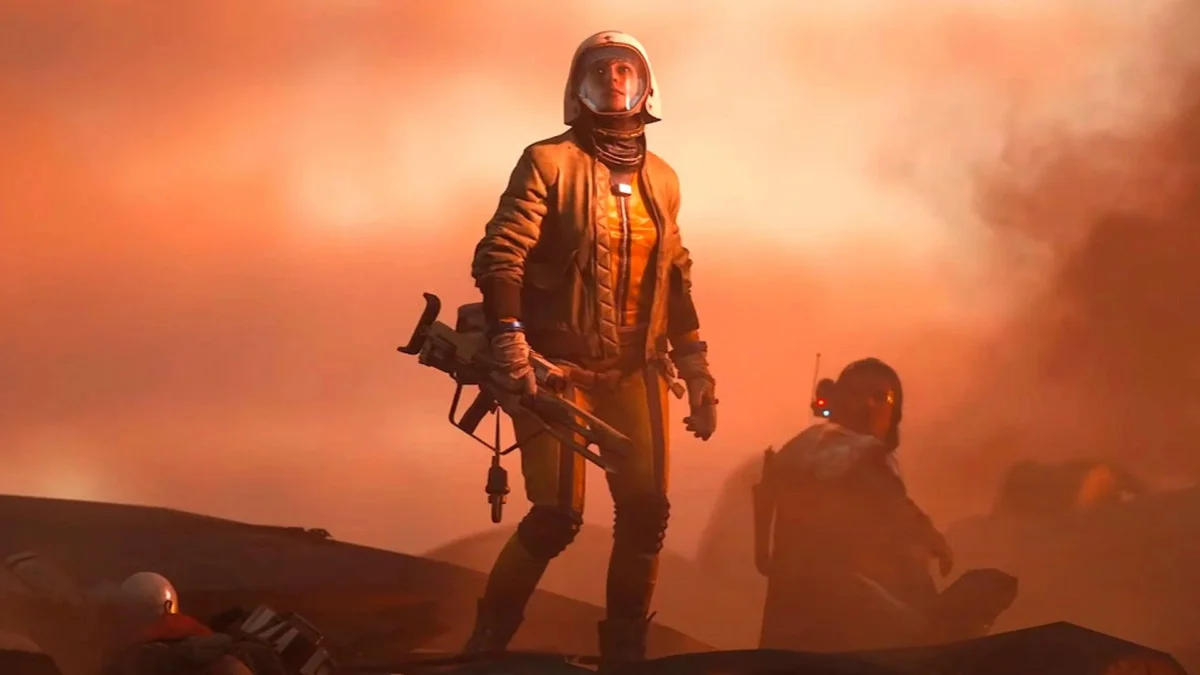
The development trajectory of the extraction-based shooter Arc Raiders, helmed by Stockholm-based Embark Studios, has reached a critical inflection point. Following consistent community feedback regarding the game’s core progression mechanics, the studio has officially initiated an indefinite "pause" on the Expedition system. This suspension, which took effect following the conclusion of the fifth Expedition cycle in late September, is slated to remain in place until at least early 2027. While the stated goal is to conduct a comprehensive overhaul of the system, recent comments from executive leadership suggest that the feature may be removed from the game entirely, signaling a potential shift in the studio’s long-term design philosophy.
The Mechanics of the Expedition System
To understand the significance of this pause, one must analyze the role Expeditions play within the Arc Raiders ecosystem. Conceptually, Expeditions serve as the game’s "prestige" or "ascension" mechanic. Within the established lore, players utilize the Rust Belt as a staging ground to accumulate resources, skills, and gear. The ultimate objective of an Expedition is to allow a player to "depart" the region, essentially resetting their character’s progression in exchange for unique, long-term legacy benefits.
For many players, however, the implementation of this system became a point of contention. The core criticism leveled against the developer focused on the ratio between time investment and reward. Because an Expedition requires a full reset of levels, skills, and inventory, the payoff—which was often perceived as marginal—failed to justify the extensive grind required to reach the departure threshold. Consequently, the system became a bottleneck for player retention rather than a driver of engagement, leading to a vocal community demand for systemic reform.
Chronology of the Development Shift
The decision to suspend the system did not occur in a vacuum; it follows months of active monitoring by the development team.
- Initial Launch Phase: Upon the initial introduction of the Expedition system, the community praised the high-stakes nature of the gameplay but immediately flagged concerns regarding the "tight" windows for departure. These time-sensitive constraints were seen as punishing for casual players.
- August 2024: Embark Studios formally announced that they would be halting the Expedition cycles. In a public statement, the studio acknowledged that the issues identified—specifically regarding reward structures and new player accessibility—were too deeply ingrained to be resolved through minor, incremental patches.
- September 2024: The fifth and final scheduled Expedition concluded. This marked the last iteration of the system as it currently exists before the multi-year hiatus.
- Present Day: The studio has shifted its resources toward the "Frozen Trails" major update, scheduled for October. This update introduces a new, high-level map that challenges traditional movement patterns, serving as a placeholder for the content vacuum left by the suspended Expeditions.
Leadership Perspective and Potential Obsolescence
The uncertainty surrounding the future of the system was underscored during Gamescom, where Arc Raiders executive producer Aleksander Grøndal offered a candid assessment of the studio’s internal deliberations. When pressed on whether the hiatus would result in a refined version of the system or a total cancellation, Grøndal confirmed that all options remain on the table.
"Was the system perfect? No, probably not," Grøndal stated during his interview. "We want to make some significant changes to the Expedition system. But I think right now we’re focused on, ‘Yeah, they are what they are,’ but the intent is to have them change." Crucially, he added, "Maybe we’ll scrap the whole system altogether. That is on the table, too. Right now, the team is trying to figure out what the next steps for Expeditions are."
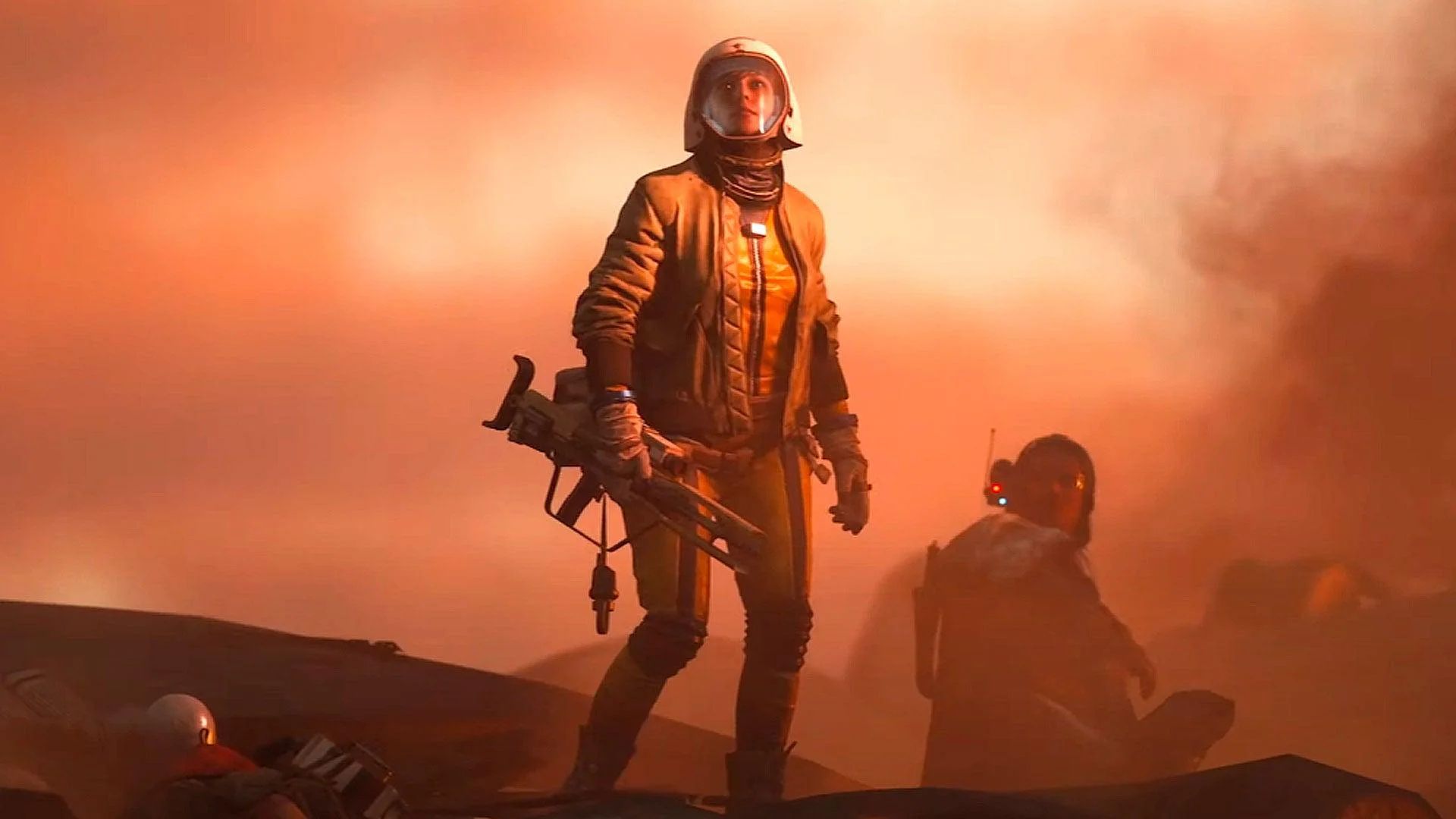
This transparency suggests that Embark Studios is prioritizing a flexible development model, one that is willing to discard "sunk costs" if the data indicates that the mechanic fundamentally harms the player experience.
Analysis of Broader Implications
The decision to pause a core progression system for a period of over two years is a bold, if not risky, move in the current live-service landscape. In an industry where developers typically favor rapid iteration, taking a feature offline until 2027 suggests that the studio is undergoing a significant architectural shift.
The implications of this move are threefold:
- Prioritization of Quality over Cadence: By delaying the reintroduction of the system, Embark is signaling to its player base that it values long-term stability over the pressure to release constant, albeit broken, content. This strategy aims to prevent "feature creep" and ensure that when the system returns—if it returns—it is fundamentally integrated with the rest of the game’s economy.
- Addressing Accessibility: The "tight departure windows" mentioned by the developers were a significant barrier to entry. For the game to achieve mainstream success, the developers must find a way to reward high-level play without alienating the broader player base. The upcoming October update, which focuses on new movement and survival mechanics on a frozen map, will likely serve as a testing ground for these design philosophies.
- Community Trust and Transparency: While a long hiatus risks disengaging the most dedicated players, the upfront honesty regarding the possibility of total cancellation helps manage expectations. It prevents the community from waiting for a "fix" that may never arrive, allowing players to focus on the current state of the game rather than the missing legacy features.
The Path Forward: Frozen Trails and Beyond
As the player base waits for the implementation of the "Frozen Trails" update, the focus has shifted toward how the game handles high-level challenges in the absence of the Expedition grind. The upcoming map is expected to force players to adapt their tactical approaches, particularly regarding how they navigate the environment while dealing with the "Arc" threats.
If the "Frozen Trails" update proves successful in maintaining player engagement without the need for a prestige-style reset, it may provide empirical evidence for the development team to justify the permanent removal of the Expedition system. Conversely, if players find the game lacking in long-term goals, the pressure to deliver a robust, overhauled version of the system by 2027 will intensify.
For now, Arc Raiders remains in a state of flux. The transition from an experimental, high-grind extraction model to a more stable, map-focused experience appears to be the studio’s primary objective. Whether this pivot will satisfy the long-standing criticisms of the community remains to be seen, but the decision to treat the game’s core mechanics as malleable—rather than immutable—is a testament to the studio’s commitment to creating a sustainable, long-term product.
As the industry continues to evolve, the case of Arc Raiders serves as a primary example of how developers are increasingly forced to grapple with the complexities of live-service longevity. The next few months, starting with the October major update, will be the ultimate litmus test for whether Embark Studios can pivot successfully or if the loss of the Expedition system will leave a permanent void in the game’s identity. The studio’s willingness to walk away from its own creation, however, demonstrates a rare level of pragmatism in a sector often defined by a rigid adherence to initial design documents.