The smart home landscape is undergoing a significant transformation as Signify, the parent company behind Philips Hue, officially launches its long-anticipated SpatialAware technology. First teased in early January 2026, the feature has finally transitioned from development to public availability, rolling out as part of the latest update to the Philips Hue application for iOS and iPadOS. This release represents a pivotal shift in how automated lighting interacts with physical architecture, moving away from static room-wide color profiles toward an intelligent, mapping-based distribution of light.
Alongside this major software deployment, Philips Hue has expanded the utility of its video doorbell lineup, introducing two distinct features designed to enhance security and user notification granularity. These updates arrive as the brand continues to solidify its position as a cornerstone of the Apple Home ecosystem, leveraging advanced processing power to bridge the gap between simple remote control and truly autonomous ambient lighting.
Understanding the Mechanics of SpatialAware
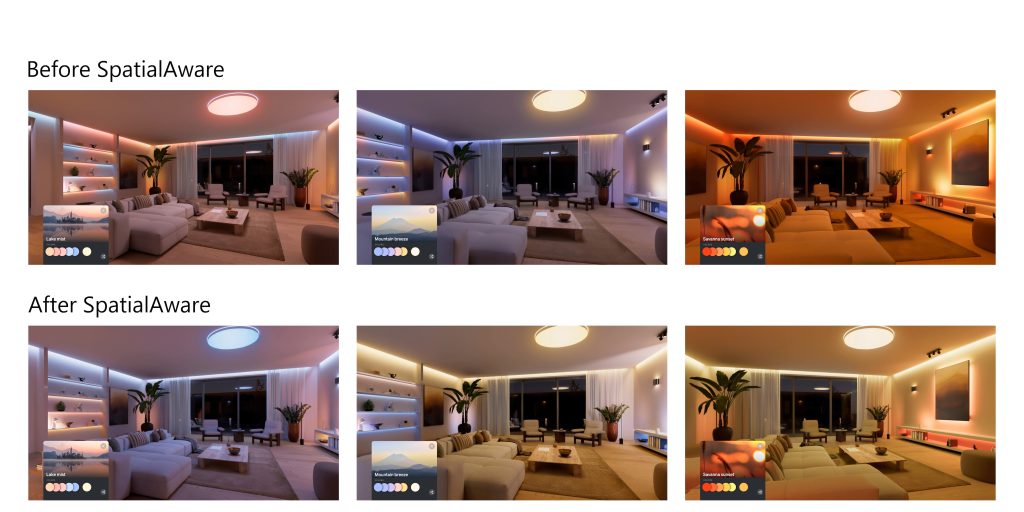
At its core, SpatialAware is an intelligent lighting distribution engine. Previously, Philips Hue scenes—such as the popular "Tropical Twilight" or "Arctic Aurora"—would apply a uniform or broadly tiled color scheme across all connected bulbs in a room. While effective, this approach often failed to account for the actual layout of the space, furniture placement, or the specific distance between individual light sources.
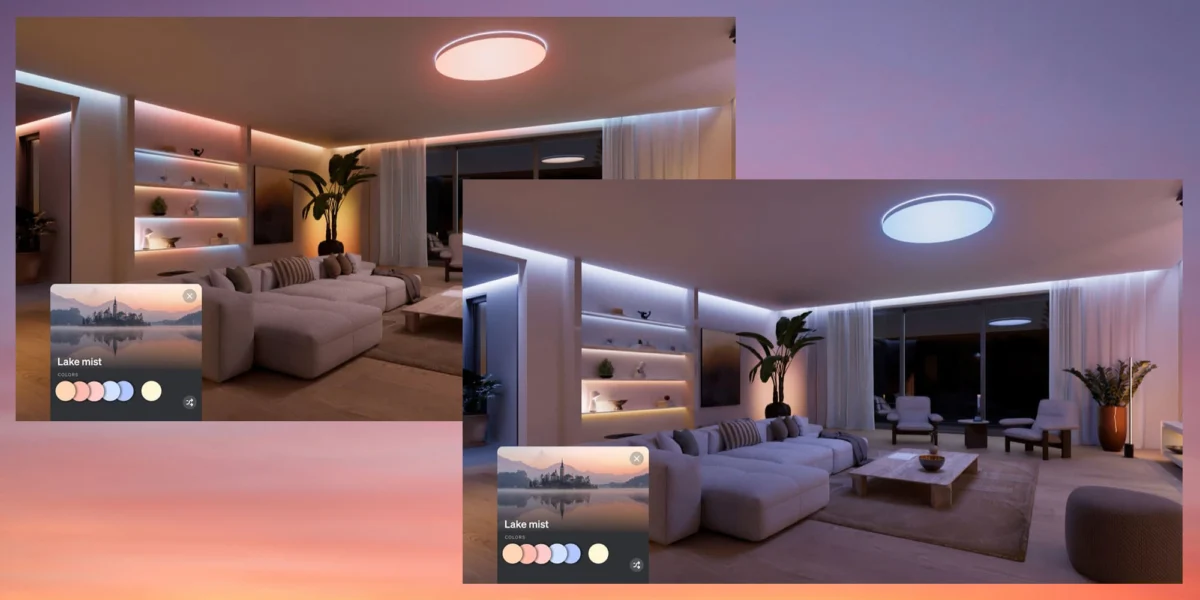
SpatialAware changes this by utilizing the smart device’s sensors to perform a comprehensive scan of the room. By mapping the environment, the Philips Hue app can intelligently distribute color palettes across available light sources to create a more cohesive and natural environment. This process is designed to mimic the way light naturally refracts and diffuses in a physical space, moving beyond simple binary "on/off" or "color/dim" configurations.
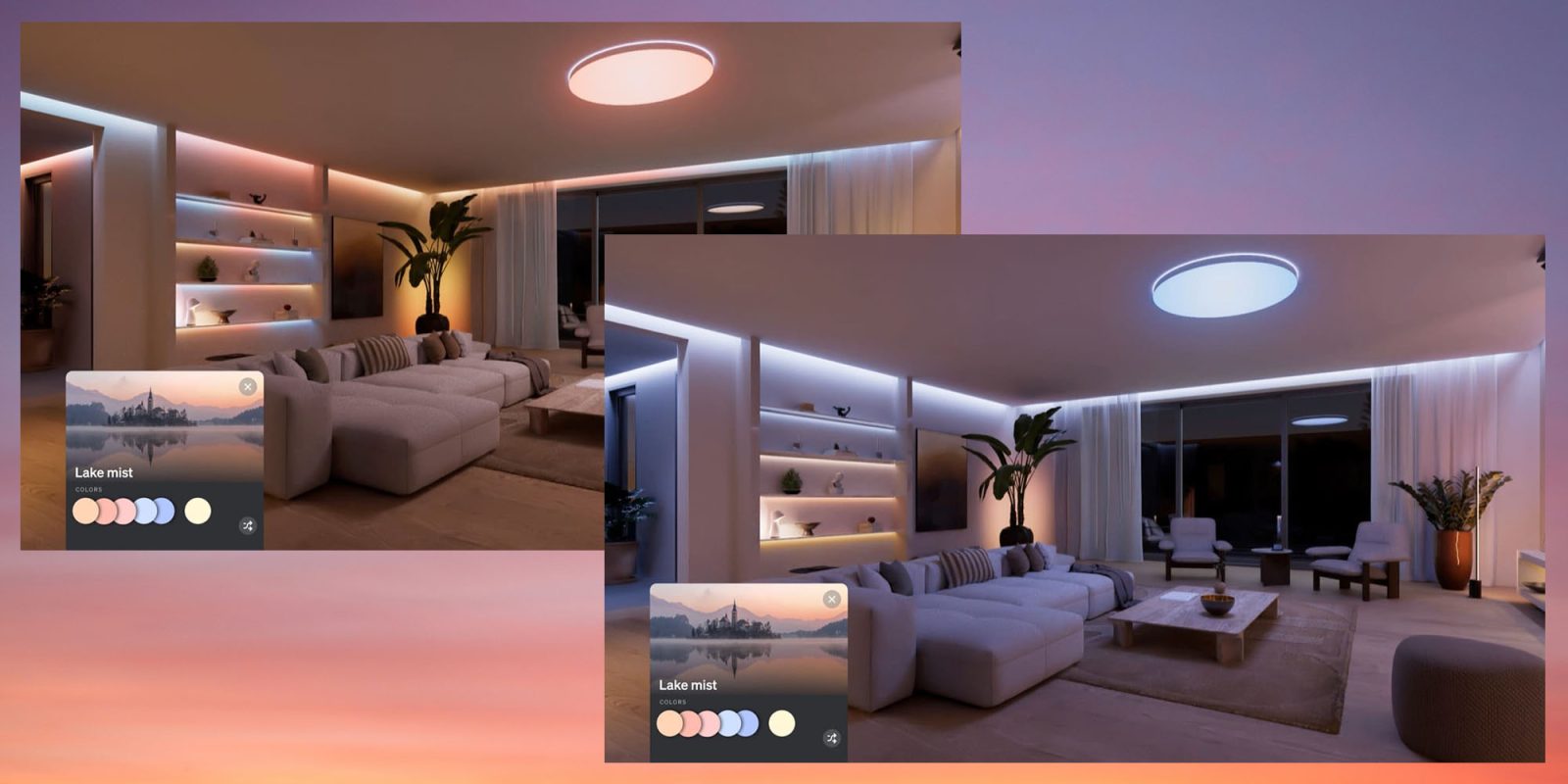
According to technical documentation from Signify, the initial rollout includes approximately 50% of the existing Scene Gallery. Users must understand that for a scene to benefit from SpatialAware, it must be "remastered" by the Hue software team. This indicates that the transition to spatial lighting is not merely a software overlay but requires specific metadata tagging for each scene to ensure the light distribution is mathematically and aesthetically sound.
The Technical Requirements and Implementation
The implementation of SpatialAware is not universal across all legacy hardware. A critical requirement for the feature is the presence of the Philips Hue Bridge Pro. This upgraded hardware, which features enhanced processing capabilities and memory, is necessary to handle the computational load of mapping a room and calculating light distribution in real time.
The setup process is reported to be user-friendly, with an estimated completion time of less than 10 minutes. During this period, the app uses the smartphone’s camera to capture the room’s geometry. Interestingly, the feature is compatible with both LiDAR-equipped iPhones and standard camera systems, suggesting that Signify has implemented a robust computer vision algorithm that does not rely exclusively on depth-sensing hardware. This broad compatibility ensures that a wider segment of the existing user base can adopt the technology without necessitating an upgrade to the latest flagship smartphone.
Chronology of the SpatialAware Development
The journey toward SpatialAware began in the shadow of broader smart home industry trends, which have recently pivoted toward "ambient computing."
- January 7, 2026: Signify first confirms the existence of SpatialAware during a press briefing, positioning it as a remedy for the "flat" look of traditional smart lighting.
- February–March 2026: Beta testing commences with a small group of power users, focusing on the refinement of the room-scanning algorithm and the initial remastering of the Scene Gallery.
- April 2026: The official public release occurs. The feature is bundled into a comprehensive app update, which also includes the aforementioned doorbell enhancements.
This timeline reflects a relatively rapid development cycle, indicative of Signify’s focus on maintaining its competitive edge against rising rivals in the smart lighting market, such as Govee and Nanoleaf, which have also experimented with screen-mirroring and spatial color distribution.
Expanding the Hue Ecosystem: Video Doorbell Integration
While the lighting update is the headline, the inclusion of new features for the Philips Hue video doorbell line is significant for home security integration. As the smart home market becomes increasingly fragmented, the ability for a single ecosystem to manage both illumination and perimeter security is a major selling point.
The new features, currently rolling out in the latest app update, focus on refining notification logic and video processing. While specific details on the nature of these features remain under scrutiny, they generally address user feedback regarding false positive notifications—a common pain point in the video doorbell industry. By integrating the doorbell’s detection capabilities with the lighting system, users can potentially trigger specific "alert scenes" when a person is detected at the door, further reinforcing the concept of a responsive, living home environment.
Market Implications and Industry Context
The introduction of SpatialAware arrives at a critical juncture for Signify. The smart lighting market has reached a point of saturation regarding basic functionality. Most consumers are now comfortable with voice control, scheduling, and remote app access. To drive further hardware sales and maintain ecosystem loyalty, manufacturers must provide "intelligent" experiences that reduce the friction of setup and maintenance.
By requiring the Hue Bridge Pro for this feature, Signify is also executing a subtle "upsell" strategy. The Bridge Pro acts as the central nervous system of the Hue ecosystem; by locking high-end features behind its processing power, the company encourages users to upgrade from the original Bridge units. This strategy is common in the industry but carries the risk of alienating long-term users who possess functional, albeit older, hardware.
From an architectural standpoint, SpatialAware is a step toward "context-aware" homes. If a system knows where a floor lamp is in relation to a ceiling light or a light strip, it can create a layered lighting experience that mimics professional architectural lighting design. This lowers the barrier to entry for users who want high-end lighting aesthetics without the need for a professional lighting designer.

Official Stance and User Guidance
Signify has been proactive in providing resources for users transitioning to this new standard. On their support portal, the company provides detailed walkthroughs on how to ensure the room scan is accurate, advising users on lighting conditions during the scanning phase and the placement of the Bridge Pro for optimal connectivity.
The company’s rhetoric surrounding this launch emphasizes "immersion" and "naturalism." By focusing on these qualitative aspects, they are positioning Philips Hue not just as a tool for visibility, but as a medium for emotional and atmospheric regulation. The emphasis on "remastered scenes" also suggests a commitment to ongoing software support, ensuring that the feature will gain value over time as more of the library is updated.
Analysis: The Future of Smart Environments
The launch of SpatialAware confirms that the next frontier for smart home technology is spatial awareness. As sensors become cheaper and processing power in local hubs becomes more robust, the "dumb" devices of the early 2020s are being replaced by systems that understand their physical context.
For the consumer, the implication is a more seamless interaction. In the past, creating a sophisticated light show required hours of manual configuration—setting specific brightness levels and colors for every individual bulb. With SpatialAware, the system performs the heavy lifting, allowing the user to simply select a "vibe" and letting the AI handle the complex physics of light distribution.
However, the requirement for a specific, modern bridge unit serves as a reminder of the inherent hardware limitations in the smart home sector. As these systems grow more complex, the "hub" becomes the most critical component. Users who have invested heavily in the Hue ecosystem should view this update as a signal that the brand is moving toward more compute-intensive, AI-driven features.

Conclusion
The integration of SpatialAware and the concurrent updates to the Hue video doorbell ecosystem mark a period of maturation for Philips Hue. By moving toward spatial, context-aware lighting, Signify is effectively raising the bar for the industry. While the requirement for newer hardware may pose an initial barrier for some, the resulting experience—a home that lights itself with a nuance previously reserved for high-end design—is a significant evolution in smart home technology.
As the company continues to update its Scene Gallery and refine its doorbell detection algorithms, the value proposition for the Hue ecosystem remains high. For those currently invested in the system, this update provides a compelling reason to explore the possibilities of their existing hardware. For those on the periphery, the move toward "intelligent" lighting may be the catalyst needed to finally integrate smart illumination into their daily lives. The future of home lighting, it seems, is not just about brightness—it is about intelligence.