
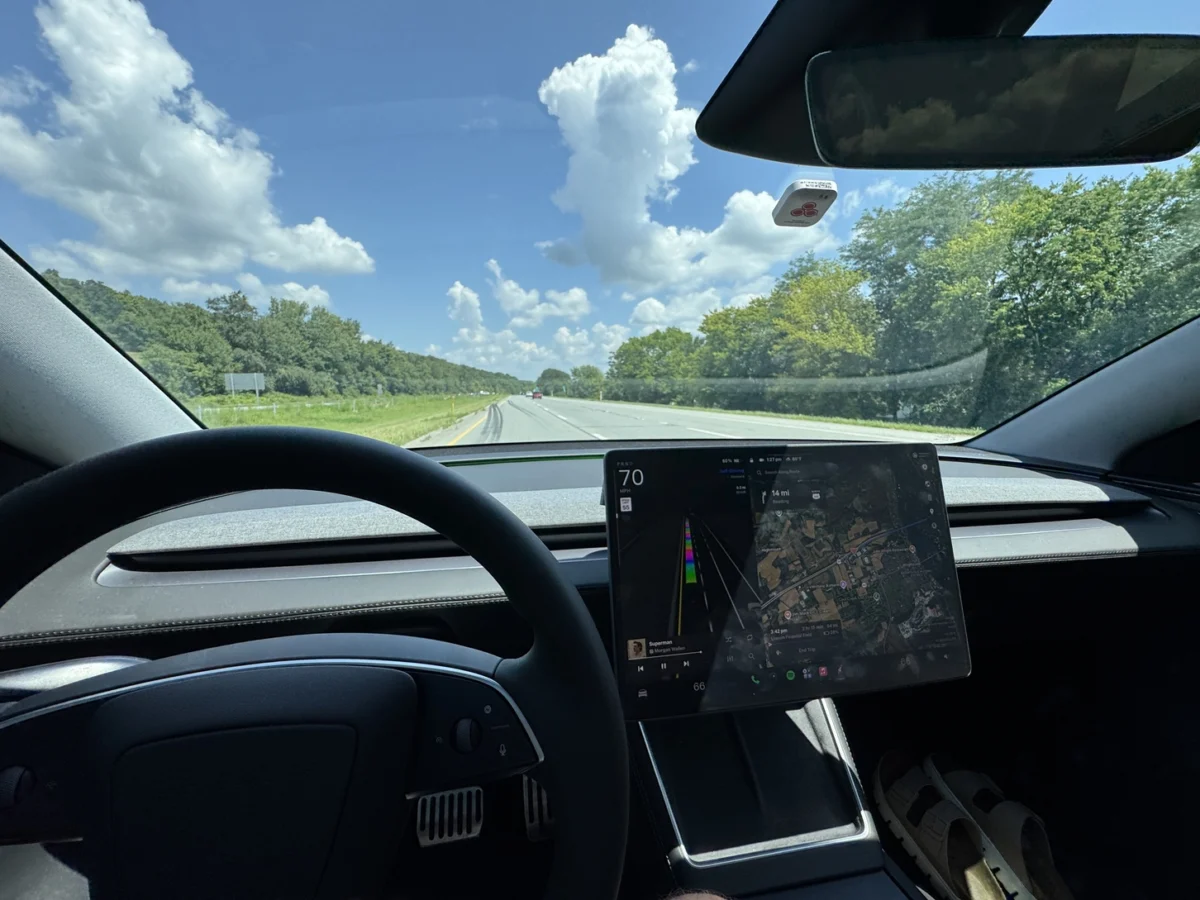
The electric vehicle landscape has undergone a profound transformation over the past decade, shifting from a niche market dominated by early adopters to a mainstream consumer segment. Central to this transition is the Tesla Model Y, a compact crossover utility vehicle that has consistently topped global sales charts. Marking a full year and over 16,000 miles of continuous daily operation, this ownership review examines the real-world metrics, technological integrations, economic implications, and structural evolution of one of the world’s most ubiquitous electric vehicles.
Main Facts and Ownership Metrics
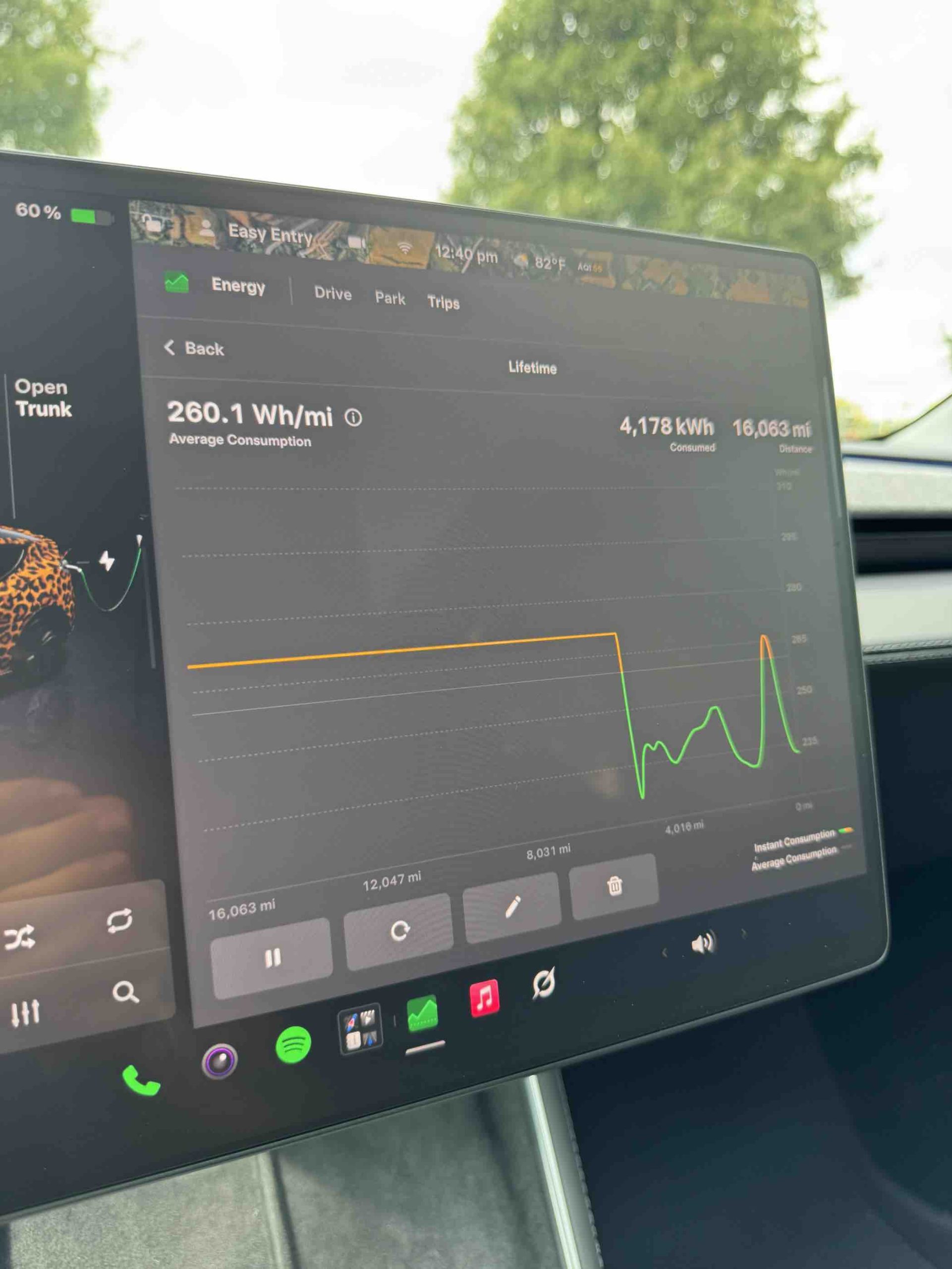
Delivered on August 30, the subject vehicle has accumulated precisely 16,063 miles through diverse driving conditions, ranging from heavy urban commutes to long-distance interstate transit. Over this twelve-month evaluation period, the vehicle recorded a lifetime average energy efficiency of 260.1 watt-hours per mile (Wh/mi), translating to approximately 3.84 miles per kilowatt-hour (mi/kWh).
Maintenance costs over the year totaled a minimal $67.41, illustrating the significant reduction in routine servicing requirements characteristic of battery-electric vehicles (BEVs). Unlike internal combustion engine (ICE) vehicles, which necessitate frequent oil changes, spark plug replacements, and exhaust system repairs, the Model Y relies on a regenerative braking system and a simplified powertrain that drastically mitigates mechanical wear.
Financially, the vehicle was acquired with monthly payments comparable to traditional mid-sized crossover segments, approximately $400. While initial automotive insurance rates experienced a minor upward adjustment of roughly $60 per month—a common trend across high-tech electric vehicles due to repair complexities and specialized sensor arrays—subsequent safe-driving telematics discounts successfully reduced this net increase to approximately $40. Furthermore, data retrieved from the Tesla mobile application indicates a cumulative fuel cost savings of $836 compared to operating a comparable gasoline-powered vehicle, a figure projected to approach $1,500 annually once consistent residential charging practices are established.
Chronology and Technological Evolution of Full Self-Driving
The ownership timeline closely mirrors the aggressive software deployment schedule executed by Tesla, particularly concerning its Advanced Driver Assistance Systems (ADAS). Upon taking delivery, the vehicle operated under standard early-stage software parameters, with the driver initially relying heavily on manual inputs for navigation and traffic management.
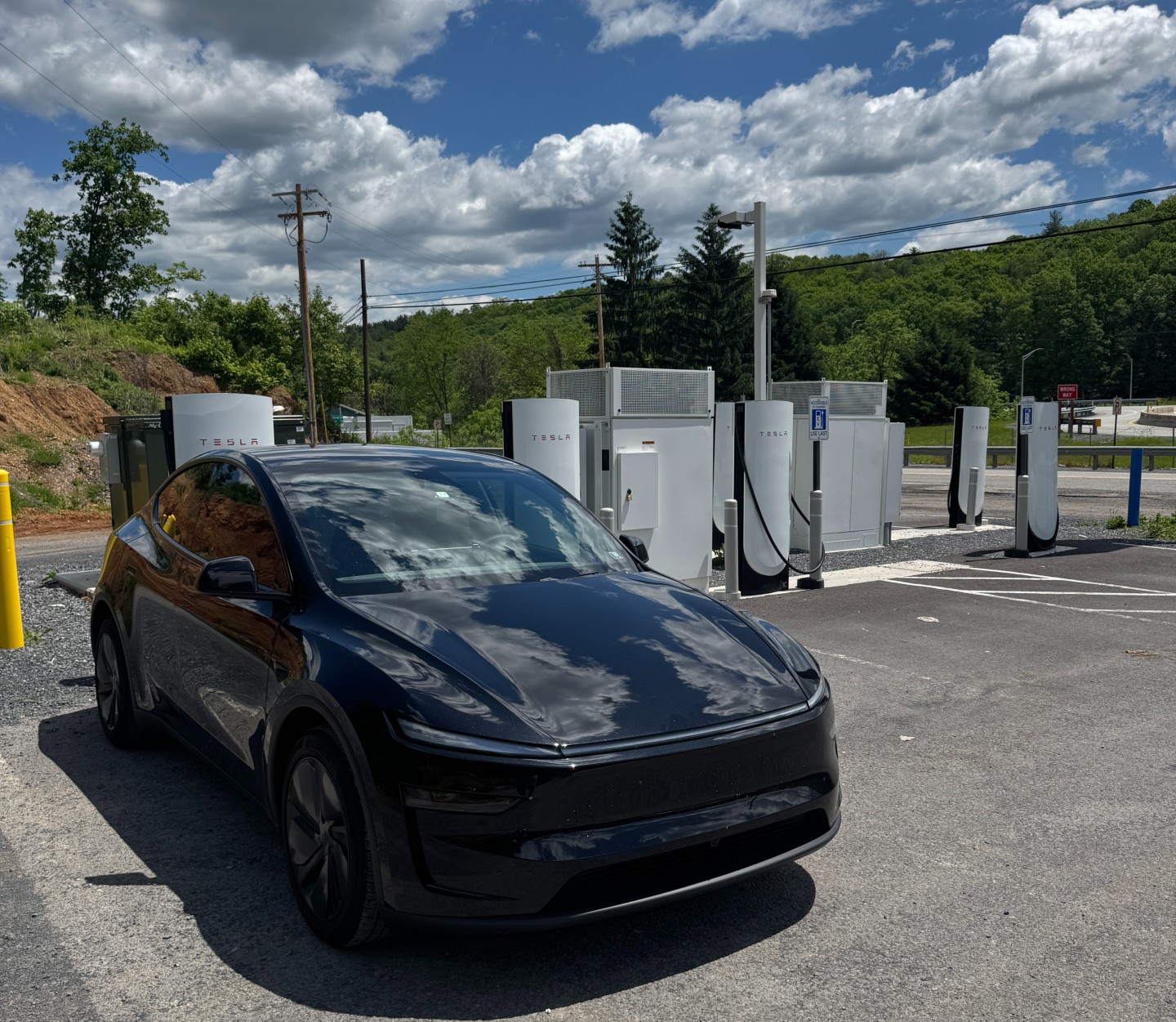
As the vehicle transitioned through successive software iterations—culminating in the deployment of Full Self-Driving (FSD) version 14—user reliance on autonomous navigation steadily increased. By the conclusion of the first year, FSD technology accounted for approximately 75% of the vehicle’s cumulative mileage, particularly following the integration of advanced neural network architectures designed to process complex urban environments and unpredictable human driving behaviors.
Industry analysts note that FSD versions 14.3.7 and 14.3.8 introduced critical safety redundancies, including enhanced reaction protocols for erratic pedestrian and motorist behavior. This technological progression has fundamentally altered the driving patterns of long-term owners, shifting the primary utility of the vehicle from active mechanical control to supervisory oversight. Furthermore, recent software rollouts have integrated voice-activated artificial intelligence assistants, such as Grok, allowing operators to modulate cabin temperature, adjust lighting matrices, and execute secondary functions without engaging the central touchscreen interface.
Economic Analysis and Cost-of-Ownership Implications
The financial viability of electric vehicle ownership remains a central point of inquiry for prospective buyers. Industry data indicates that while the upfront purchase price of a BEV often aligns with or slightly exceeds equivalent premium ICE vehicles, the total cost of ownership (TCO) is significantly offset by reduced operational and maintenance expenditures.
Data compiled from home versus public Supercharger utilization highlights the economic sensitivity of energy sourcing. The transition from public charging infrastructure to residential Level 2 charging systems in April yielded a marked decrease in per-mile energy costs. For fleet operators and private consumers alike, access to home charging infrastructure is identified as the primary catalyst for maximizing the economic advantages of electric mobility.
However, operational challenges persist during extreme seasonal fluctuations. Cold-weather operations in sub-freezing temperatures introduce substantial thermal management demands on the vehicle’s lithium-ion battery pack, resulting in temporarily reduced operational range. Fleet telemetry from winter usage indicates that short-trip driving in freezing conditions can increase energy consumption by upwards of 50%, underscoring the importance of pre-conditioning routines and reliable residential charging access.
Design, Ergonomics, and Cabin Architecture
The interior philosophy of the Model Y continues to polarize automotive critics and consumers. Adhering to Tesla’s signature minimalist design language, the vehicle eschews traditional physical instrumentation, knobs, and secondary switches in favor of a centralized 15-inch touchscreen interface.
While the interface boasts response times and fluidity comparable to high-end consumer tablets, ergonomic evaluations reveal potential safety and usability concerns. Operating climate controls or navigation parameters via touchscreen menus while navigating uneven road surfaces can introduce driver distraction, a critique frequently leveled by traditionalists accustomed to tactile buttons. Nevertheless, the integration of advanced voice command capabilities successfully mitigates many of these tactile deficiencies.
In terms of spatial utility and cabin comfort, the Model Y features acoustic-lined laminated glass, which substantially reduces ambient highway and wind noise, yielding a cabin acoustic profile competitive with legacy luxury brands. Seating arrangements utilize perforated vegan leather upholstery equipped with active ventilation systems, balancing durability and thermal comfort. However, the omission of a traditional rear windshield in certain production variants has necessitated an increased reliance on high-definition rearview camera feeds and digital mirror integrations, signaling a broader industry shift toward camera-based visibility solutions.
Broader Industry Impact and Market Reception
The sustained market performance of the Model Y underscores a broader structural shift within the global automotive sector. Legacy manufacturers continue to recalibrate their electrification strategies in response to consumer demand for integrated software ecosystems, over-the-air update capabilities, and autonomous driving features.
Consumer feedback mechanisms consistently highlight the psychological shift experienced by first-time EV owners. Concerns regarding battery degradation, charging infrastructure density, and vehicle longevity are progressively mitigated through extended real-world usage and empirical data transparency. The vehicle’s IIHS Top Safety Pick+ rating further reinforces its standing in consumer safety evaluations.
As automotive markets navigate the transition toward software-defined vehicles, the Tesla Model Y serves as a benchmark for efficiency, manufacturing scalability, and digital integration. While regional challenges—such as winter range attenuation and infrastructure disparities—remain points of consideration, the overarching trajectory of consumer adoption suggests that the operational paradigm established by modern electric crossovers will heavily influence global automotive design for the foreseeable future.


