The shift toward permanent hybrid work models and the surge in professional content creation have fundamentally altered the requirements for computer peripherals, elevating the webcam from a niche accessory to a critical component of the modern professional setup. While integrated laptop cameras have historically been treated as secondary hardware by manufacturers, the industry is currently undergoing a significant pivot, driven by high-resolution sensors and advanced digital signal processing. Despite these hardware improvements in flagship devices like the 16-inch MacBook Pro M4 Pro, which features a 12MP Center Stage module, the vast majority of consumer laptops continue to rely on sub-par optical components. Consequently, users seeking to maintain a professional visual presence in video conferences, webinars, or live streams are increasingly turning to external hardware solutions to bridge the gap in image fidelity and audio clarity.
The Evolution of Digital Presence in the Hybrid Era
The global transition to remote operations in 2020 served as a catalyst for the current webcam market expansion. Before this period, external webcams were largely relegated to the realm of enthusiasts, gamers, and niche professionals. Today, the "Zoom fatigue" phenomenon and the increasing reliance on asynchronous video messaging have made the visual quality of a user’s broadcast a reflection of their professional standards.
Data from market research firms suggests that the webcam industry has seen a compounded annual growth rate (CAGR) of over 10% since 2021, as employees and digital nomads seek to replicate high-end studio conditions in home office environments. This demand has pushed manufacturers like Logitech, Insta360, and Anker to prioritize features that were once considered premium, such as 4K resolution, dual-axis gimbals, and advanced noise-canceling microphone arrays.
Categorization of Professional Webcam Solutions
To effectively navigate the market, it is necessary to categorize these devices based on their specific utility. Professional users generally fall into three distinct camps: the remote executive, the content creator, and the frequent traveler.
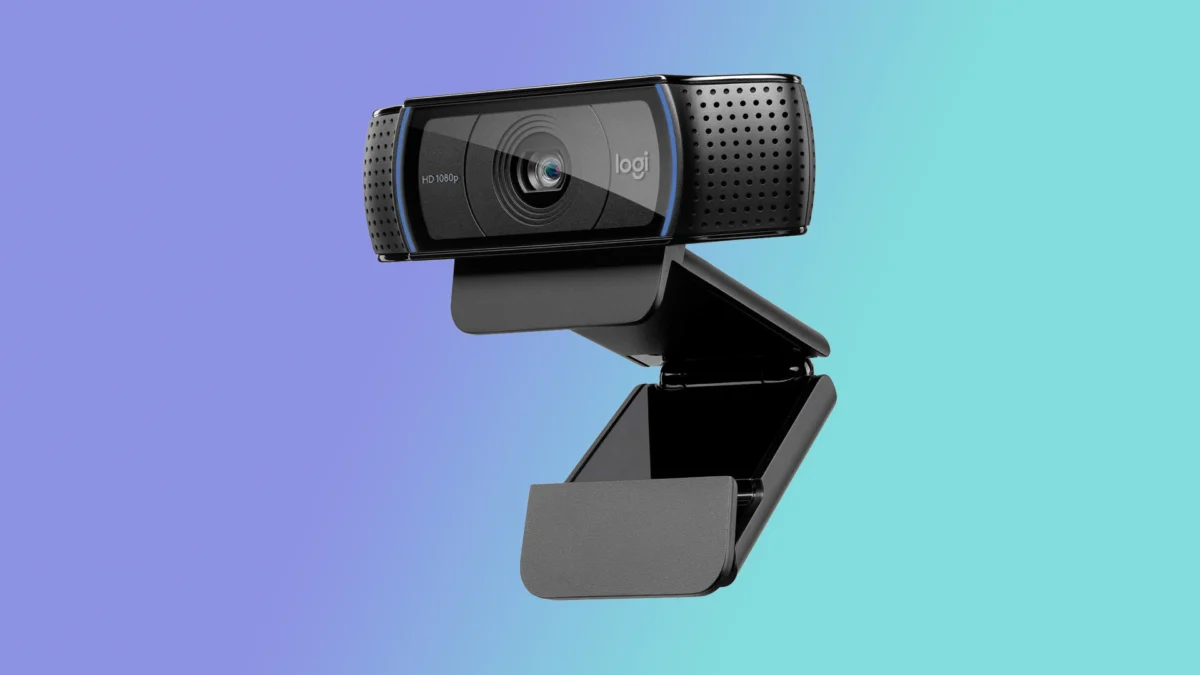
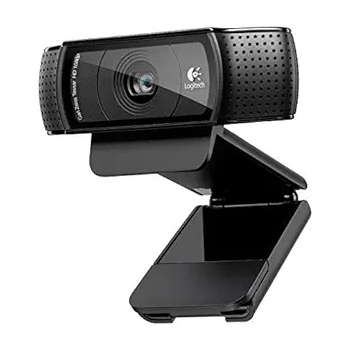
For the remote executive, the primary goal is reliability and high-fidelity output. The Logitech HD Webcam C920 remains the industry benchmark for this segment. Priced at approximately $60, it provides a stable 1080p output at 30 frames per second. Its longevity in the market is a testament to its robust performance and excellent color accuracy, which remains superior to most built-in laptop sensors. It is a pragmatic choice for users who prioritize utility and ease of use over cutting-edge features.
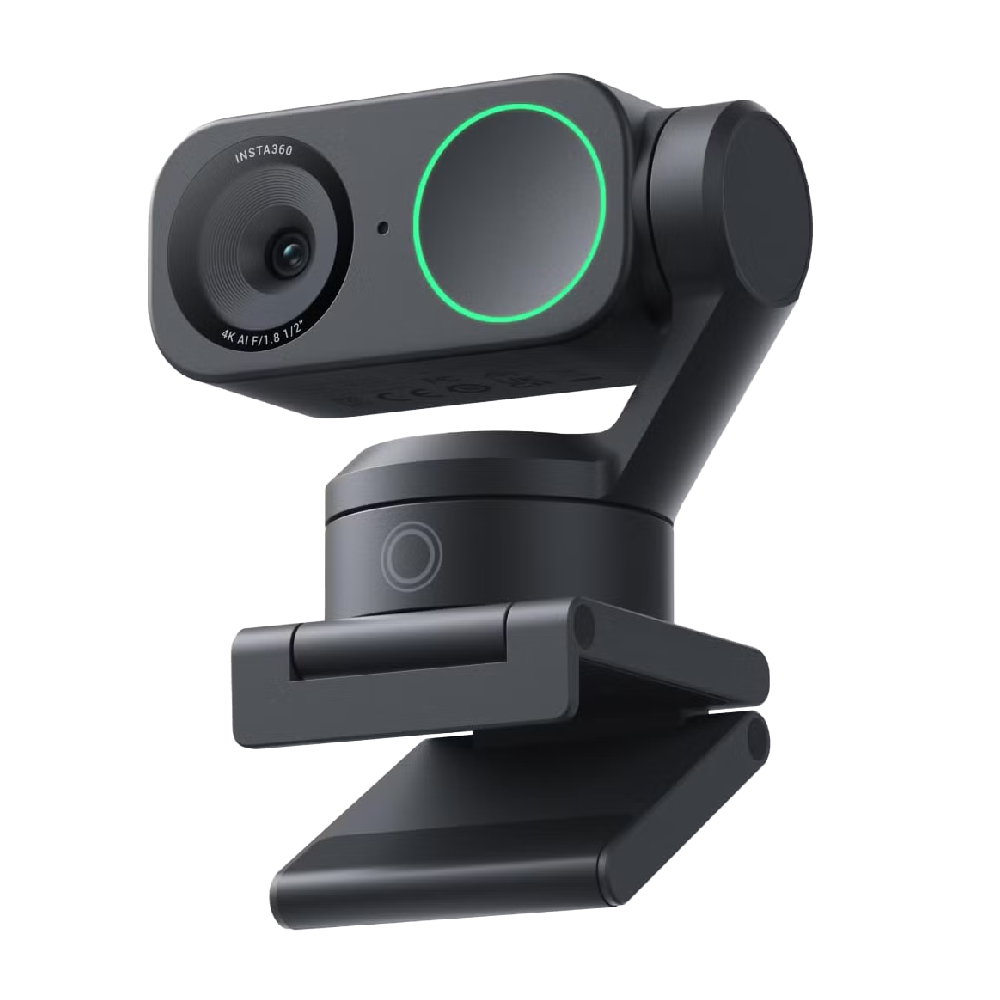
In contrast, content creators and those conducting high-stakes presentations often require the advanced capabilities found in the Insta360 Link 2. This device represents a departure from traditional webcam form factors, utilizing a dual-axis gimbal to track the user’s movement in real-time. By leveraging AI-driven framing, it allows presenters to move freely around a workspace without leaving the center of the frame. Furthermore, its ability to shift to a "DeskView" mode—a vertical tilt that captures documents or physical props—provides a level of versatility that is essential for educational or technical demonstrations.
Technical Benchmarks and Performance Metrics
When selecting a webcam, the technical specifications offer a clear roadmap of performance expectations. Resolution is often the first metric considered by consumers, yet it is not the sole determinant of quality.
| Webcam Model | Resolution | Max FPS | Key Feature |
|---|---|---|---|
| Logitech C920 | 1920 x 1080 | 30 | Wide-angle, budget-friendly |
| Insta360 Link 2 | 3840 x 2160 | 30 (4K)/60 (1080p) | AI-Tracking Gimbal |
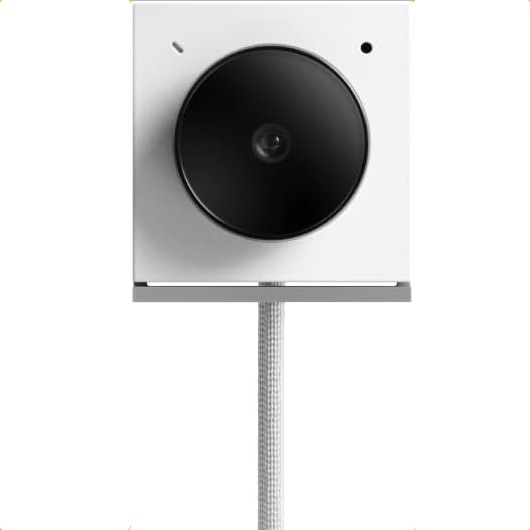
| Opal Tadpole | 3840 x 2160 | 30 | Ultra-portable form factor |
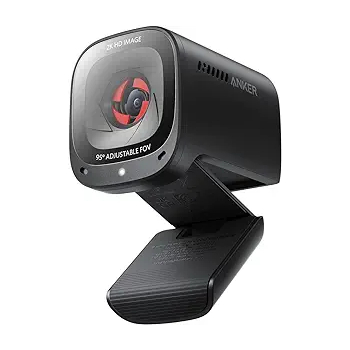
| Anker PowerConf C200 | 2560 x 1440 | 60 | 2K resolution, privacy shutter |
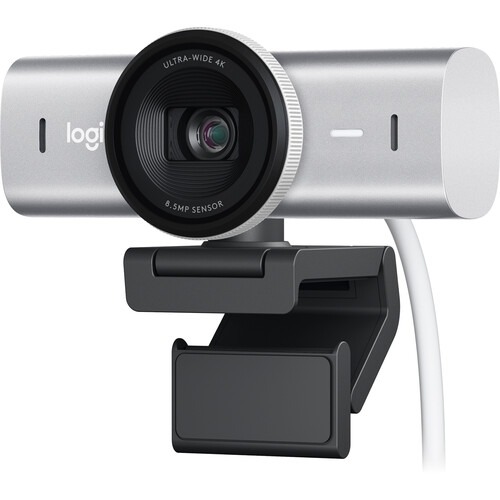
| Logitech MX Brio 4K | 3840 x 2160 | 30 (4K)/60 (1080p) | Large CMOS sensor |
The Anker PowerConf C200 occupies a middle ground, offering 2K resolution at 60 frames per second. This higher frame rate is particularly beneficial for fluid movement, making it a strong contender for users who find 30fps video to be slightly jittery. Additionally, the inclusion of a physical privacy shutter has become an industry standard, addressing growing security concerns regarding unauthorized camera access.
For the high-end professional, the Logitech MX Brio 4K utilizes an 8.5MP Sony STARVIS CMOS sensor. This sensor size is crucial; larger sensors generally perform better in low-light conditions, which is a common failing of cheaper webcams. While it lacks the mechanical tracking of the Insta360, its raw image quality, particularly regarding color reproduction and dynamic range, is arguably the best in its class.
Addressing the Mobility Gap
Frequent travelers face a unique dilemma: the necessity of high-quality video versus the constraints of a portable workspace. The Opal Tadpole has emerged as a leader in this category. Its design philosophy mimics that of the original iPod Shuffle, providing a plug-and-play experience in a package that is small enough to fit into any laptop bag without requiring a dedicated carrying case. While some reviewers note that the companion software is currently limited to macOS, its hardware performance—specifically its HDR capabilities and low-light adjustment—provides a significant upgrade over standard integrated cameras for the mobile professional.
The Impact of AI and Software Integration
The integration of artificial intelligence into hardware is arguably the most significant trend in the current market. Modern webcams are no longer just optical sensors; they are software-driven devices. Features like auto-framing, background blur, and noise reduction are increasingly handled by the camera’s internal processor, offloading the computational demand from the host laptop.
This shift has profound implications for corporate IT environments. As employees move toward higher-resolution setups, the bandwidth requirements for video conferencing platforms (such as Microsoft Teams, Zoom, and Google Meet) have increased. Consequently, manufacturers are optimizing their devices to ensure that high-resolution streams do not lead to frame dropping or overheating in the host machine.
Strategic Considerations for Procurement
When organizations or individuals invest in these peripherals, the decision should be dictated by the specific use case rather than raw specs alone.
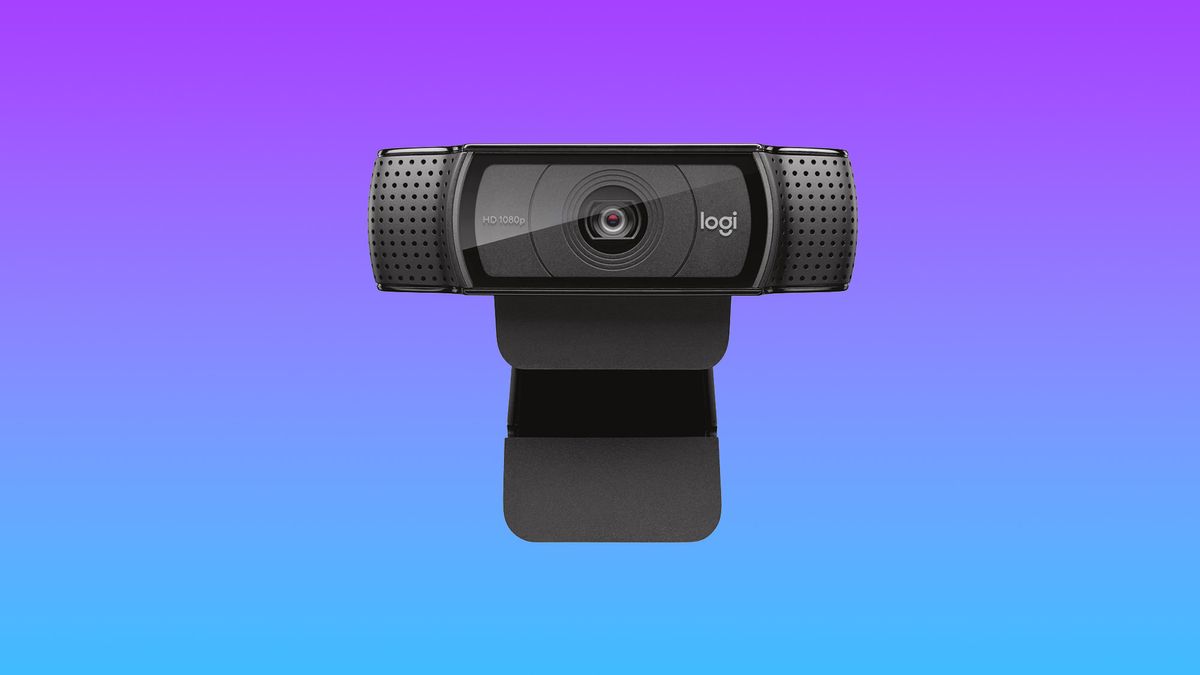
- The Meeting Room Standard: If the primary use is internal corporate meetings, a device like the Logitech C920 provides sufficient clarity without unnecessary complexity.
- The Content Creator’s Studio: For those building a brand or conducting high-production webinars, the AI-tracking features of the Insta360 Link 2 justify the higher price point by reducing the need for a dedicated camera operator.
- The Mobile Executive: For those who prioritize a lightweight setup, the Opal Tadpole ensures that a professional visual presence can be maintained from a hotel room or a shared co-working space.
- The Visual Perfectionist: If the goal is to produce the highest possible image quality in a fixed desk setup, the Logitech MX Brio 4K provides the most accurate and vibrant output, assuming the user has sufficient ambient lighting.
Conclusion and Future Outlook
The trajectory of the webcam market indicates that the future will be defined by further integration with AI-enhanced software suites. We can expect to see more "Studio-in-a-box" solutions, where the webcam, microphone array, and lighting are bundled into a cohesive system that automates the production process. As high-speed internet becomes more reliable and hardware processing capabilities continue to grow, the distinction between a professional broadcast camera and a high-end webcam will continue to blur.
For now, the current market offers a mature selection of tools that allow for significant improvements in visual communication. By moving away from the limitations of integrated hardware, users can ensure that their digital representation matches the quality of their professional output. Whether through the budget-conscious reliability of Logitech, the innovative tracking of Insta360, or the extreme portability of the Opal, the barrier to high-quality video communication has never been lower. Professionals are encouraged to audit their current visual setup and recognize that in the modern economy, a clear image is as vital as a clear voice.