On July 24, 2006, Advanced Micro Devices (AMD) officially confirmed its monumental acquisition of Canadian graphics chip pioneer ATI Technologies, Inc. The deal, valued at approximately $5.4 billion in a combination of cash and stock, was heralded by AMD CEO Hector Ruiz as a move that would "reinvent our industry." Eighteen years later, this strategic gamble has demonstrably reshaped AMD’s trajectory, cementing its presence across critical technology sectors: the sustained innovation of Radeon GPUs, the groundbreaking rise of Accelerated Processing Units (APUs), and a dominant position within the lucrative console gaming market. While the immediate aftermath of the acquisition brought its share of challenges and skepticism, a long-term analysis reveals it as one of the most pivotal mergers in the history of the semiconductor industry, fundamentally altering the competitive landscape and AMD’s core identity.
The Genesis of a Megadeal: AMD’s Strategic Imperative
Leading up to 2006, AMD found itself at a crucial juncture. While its Opteron and Athlon 64 processors, based on the innovative K8 architecture, had provided a significant competitive edge against Intel in the early 2000s, Intel’s impending Core 2 Duo architecture threatened to reclaim market leadership. AMD understood that future computing paradigms would demand more than just raw CPU power. The concept of "Fusion," a vision for integrating CPU and GPU capabilities onto a single die to enhance performance, efficiency, and unlock new application possibilities, was already germinating within AMD’s strategic planning. However, AMD lacked the in-house graphics expertise and intellectual property to execute this vision independently.
Historically, AMD had relied on third-party graphics solutions for its chipsets, but this created dependencies and limited its ability to innovate holistically. Intel, after its own ill-fated attempt with the i740 discrete GPU, had largely focused on integrated graphics for its chipsets, often seen as a weak point in its offerings. AMD saw an opportunity not just to catch up but to leapfrog by combining CPU and GPU prowess in a way no other company could. This foresight was critical; the burgeoning demand for visual computing, high-definition multimedia, and increasingly complex gaming experiences underscored the growing importance of graphics processing.
ATI: A GPU Powerhouse Seeking Scale
ATI Technologies, founded in 1985, had by 2006 established itself as one of the two dominant forces in the discrete graphics processing unit (GPU) market, locked in a fierce rivalry with Nvidia. ATI’s Radeon series GPUs were highly regarded, offering competitive performance and innovative features. The company had a strong engineering talent base and a robust patent portfolio crucial for graphics development. However, operating as a standalone GPU vendor, ATI faced intense competition, fluctuating market demands, and the inherent challenges of scaling research and development in a capital-intensive industry.
While ATI was profitable and innovative, the prospect of joining a larger entity like AMD could offer greater financial stability, broader market access, and the opportunity to realize its graphics innovations within a more integrated platform strategy. The semiconductor industry was already witnessing consolidation, and for a company specializing in a single, albeit critical, component, strategic alignment with a CPU giant presented an attractive proposition.
The Failed Nvidia Overture: A Pivotal Turning Point
Intriguingly, before committing to ATI, AMD had reportedly explored a potential merger with its arch-rival in the graphics space, Nvidia. This revelation, later detailed in a 2012 report by Tom’s Hardware, highlights a fascinating "what if" scenario in tech history. According to accounts from the time, discussions between AMD and Nvidia did take place, driven by a similar recognition of the strategic benefits of combining CPU and GPU expertise.
However, these negotiations ultimately faltered. The primary sticking point, sources indicated, was the insistence of Nvidia CEO Jensen Huang that he assume the chief executive role of the combined entity. AMD’s then-CEO Hector Ruiz was understandably cool to this demand, unwilling to cede control of his company. The stark personalities and competitive cultures of the two companies, often referred to as "Red" (AMD) and "Green" (Nvidia), proved insurmountable. This impasse redirected AMD’s attention decisively towards ATI, a company whose leadership was more amenable to the terms of a merger. Had the AMD-Nvidia deal materialized, the entire computing landscape, from PC components to console platforms and even the nascent AI market, would undoubtedly look dramatically different today. The "Red and Green would never be seen" together, paving the way for a different, equally impactful union.
The Announcement and Initial Reactions (July 24, 2006)
The official announcement unfolded with a joint appearance by AMD CEO Hector Ruiz and ATI CEO Dave Orton in New York. Ruiz articulated the transformative potential of the merger, stating it would "reinvent our industry" and "drive growth and innovation for the entire industry, enabling our partners to create differentiated solutions and empowering our customers to choose what is best for them." Orton echoed this sentiment, emphasizing that "Joining with AMD will enable us to innovate aggressively on the PC platform."
The financial terms of the deal—approximately $5.4 billion, comprising $4.2 billion in cash and 57 million shares of AMD common stock—reflected ATI’s significant market value. At the time of the announcement, ATI had a market capitalization in the range of $4-5 billion. AMD, a company with annual revenues around $5-6 billion at that period, was taking on a substantial financial commitment.
Initial market reactions were mixed. While some analysts lauded the strategic foresight of combining CPU and GPU technologies, others expressed concerns about the financial burden on AMD, which was already in a tough battle with Intel. There were also questions about the complexities of integrating two large corporate cultures and the potential for "brain drain" as key talent might depart. Some investors saw it as a risky bet, but the long-term vision articulated by AMD’s leadership ultimately convinced enough stakeholders of its potential.
Integration Challenges and Brand Evolution
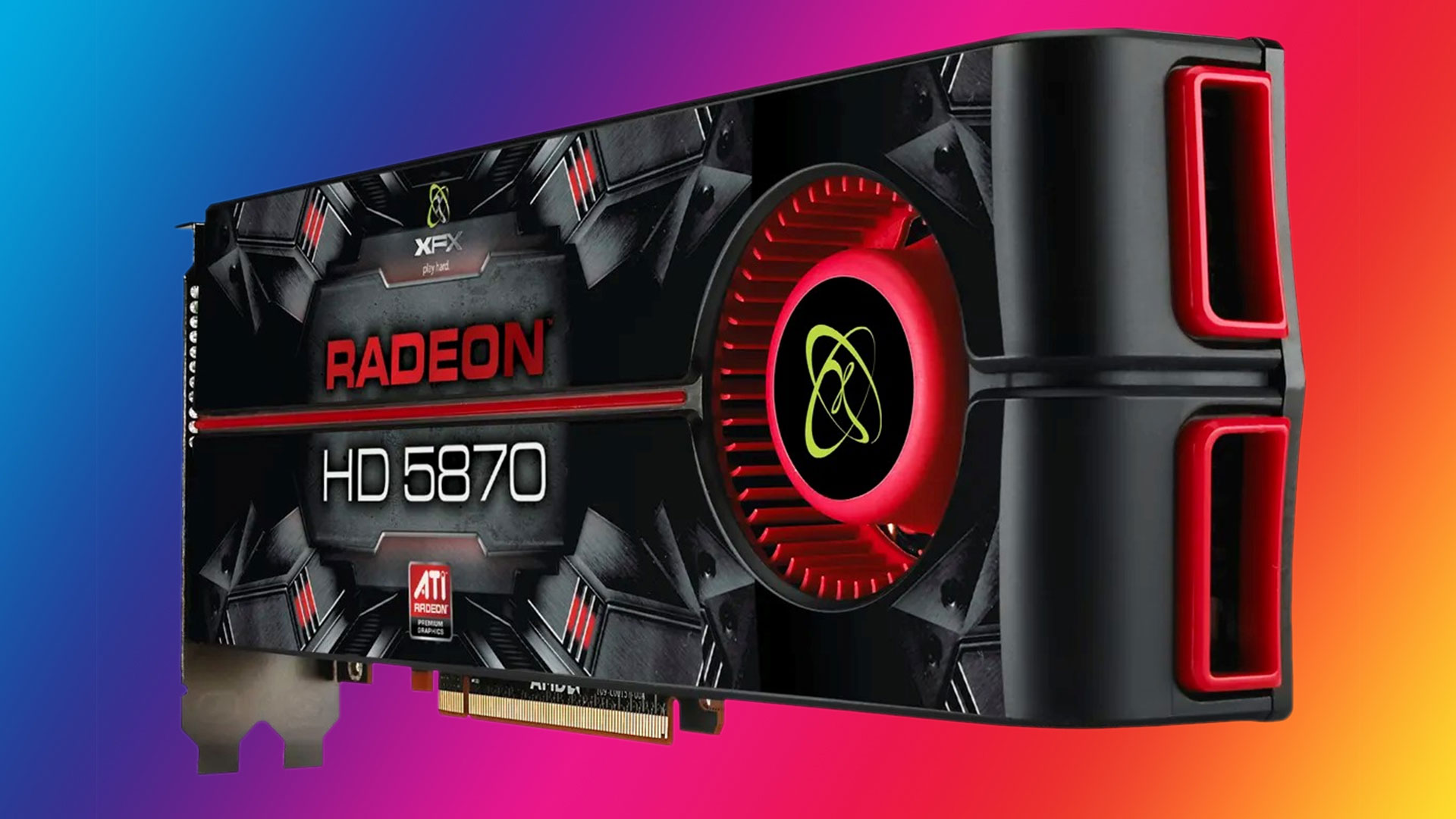
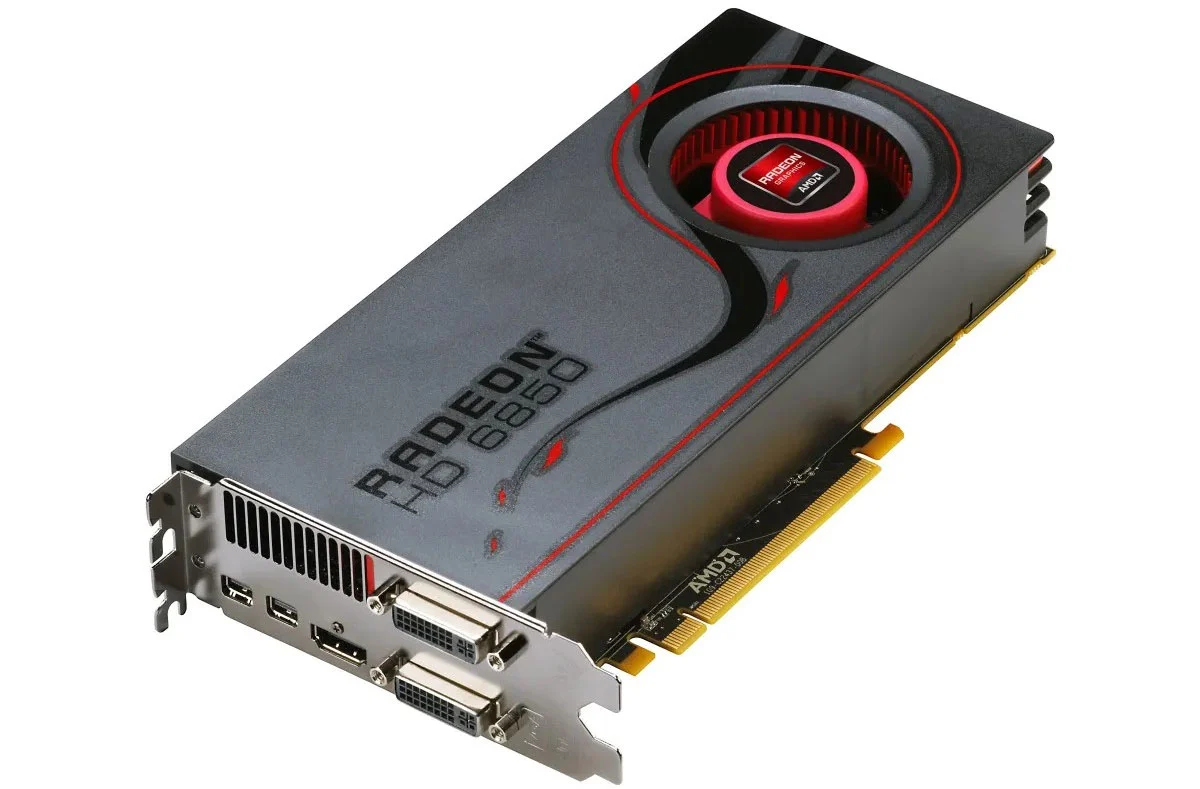
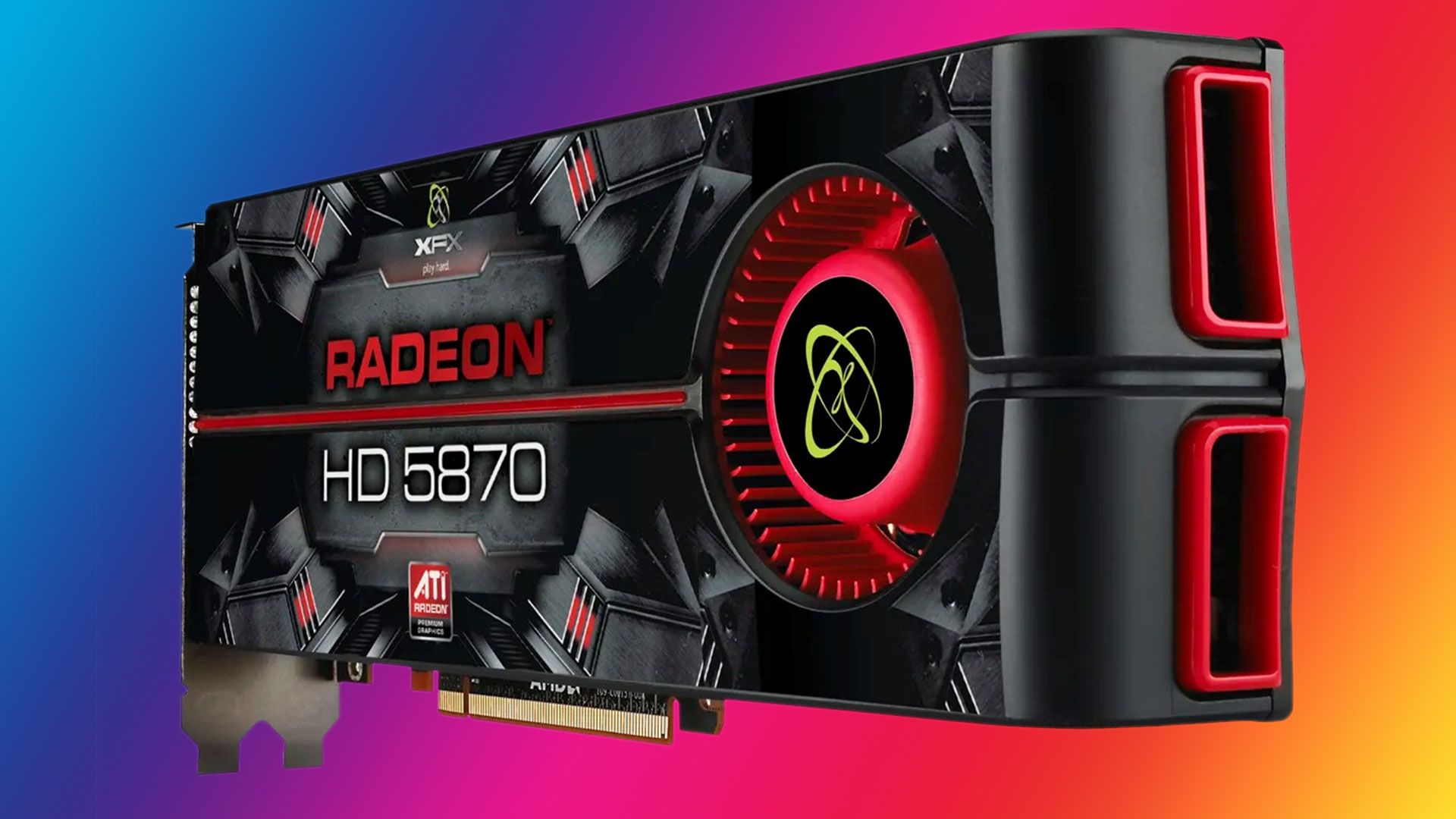
The immediate years following the acquisition were characterized by a gradual, but deliberate, integration process. One of the most visible changes was the slow phasing out of the distinct ATI brand. For a generation of PC enthusiasts, "ATI Radeon" was synonymous with cutting-edge graphics. The transition was handled carefully to avoid alienating loyal customers. Early products developed during the integration period exemplified this. The ATI R600 GPU, which was deep in development at the time of the acquisition and featured the first unified shader architecture (Terascale 1), eventually launched as the Radeon HD 2900 series under the new AMD branding.
However, the transition was not immediate. Many Radeon HD 2900 XT retail boxes still proudly displayed both ATI and AMD branding. It wasn’t uncommon for several years, even up to around 2010, to remove the cooling solution from an AMD-branded graphics card only to discover an ATI-branded GPU die underneath the thermal paste. This period underscored the depth of ATI’s engineering heritage and the deliberate pace of AMD’s rebranding efforts. By 2011, the complete transition was marked by publications like Tom’s Hardware publishing "25 Years Of Graphics History: A Farewell To ATI, In Pictures," signaling the end of an era for the standalone ATI brand. The engineering teams from both companies had to learn to collaborate, merge roadmaps, and align on a unified vision for future chip designs, a task that often proves challenging in large corporate mergers.
The Rise of the APU: A Vision Realized
The true testament to the ATI acquisition’s success lies in the realization of AMD’s "Fusion" vision, which materialized in the form of the Accelerated Processing Unit (APU). In 2011, AMD launched its first APU line, code-named "Llano," integrating CPU cores and a Radeon GPU onto a single die. This was a revolutionary step, offering a compelling blend of processing power and graphical capability in a single, power-efficient package, especially for mainstream desktops and laptops.
Over the subsequent years, AMD relentlessly iterated on its APU design. From the early "Trinity" and "Kaveri" generations to the modern Ryzen APUs, the integrated Radeon graphics have grown exponentially in performance and sophistication. The latest iterations, such as the Ryzen AI Max / Max+ series (Strix Halo and Gorgon Halo), represent the pinnacle of this vision. These advanced APUs boast up to 40 RDNA 3.5 Compute Units, delivering integrated graphics performance that can genuinely challenge discrete desktop GPUs like the Nvidia GeForce RTX 4060 or even the lower end of the RTX 4070 series in certain workloads. Furthermore, the unified memory architecture of these high-end APUs allows for flexible allocation of system RAM as VRAM, a significant advantage for memory-intensive applications and gaming. This seamless integration provides substantial benefits in terms of cost, power consumption, and form factor, making powerful computing accessible in increasingly compact devices.
Dominance in the Console Arena
The APU strategy, born from the ATI acquisition, also proved to be AMD’s golden ticket into the highly competitive and lucrative console gaming market. In the early to mid-2010s, as console manufacturers planned their next-generation systems, the integrated power and efficiency of AMD’s APU designs became incredibly attractive. The ability to offer a custom, unified chip solution that combined powerful CPU cores with advanced Radeon graphics, all on a single piece of silicon, was precisely what Sony and Microsoft were looking for.
This led to AMD securing contracts to power both the PlayStation 4 and Xbox One, released in 2013. AMD’s semi-custom solutions became the technological backbone of an entire generation of console gaming. This success was not a one-off; AMD continued this dominance into the current generation, powering the PlayStation 5 and Xbox Series X/S. This consistent presence provides AMD with stable, high-volume revenue streams and allows its Radeon graphics architecture to be optimized and widely adopted across millions of gaming systems worldwide. The expertise gained from these console designs has also spilled over into the burgeoning handheld gaming PC market, where AMD’s Ryzen APUs are the preferred choice for devices like the Steam Deck and various Windows-based handhelds.
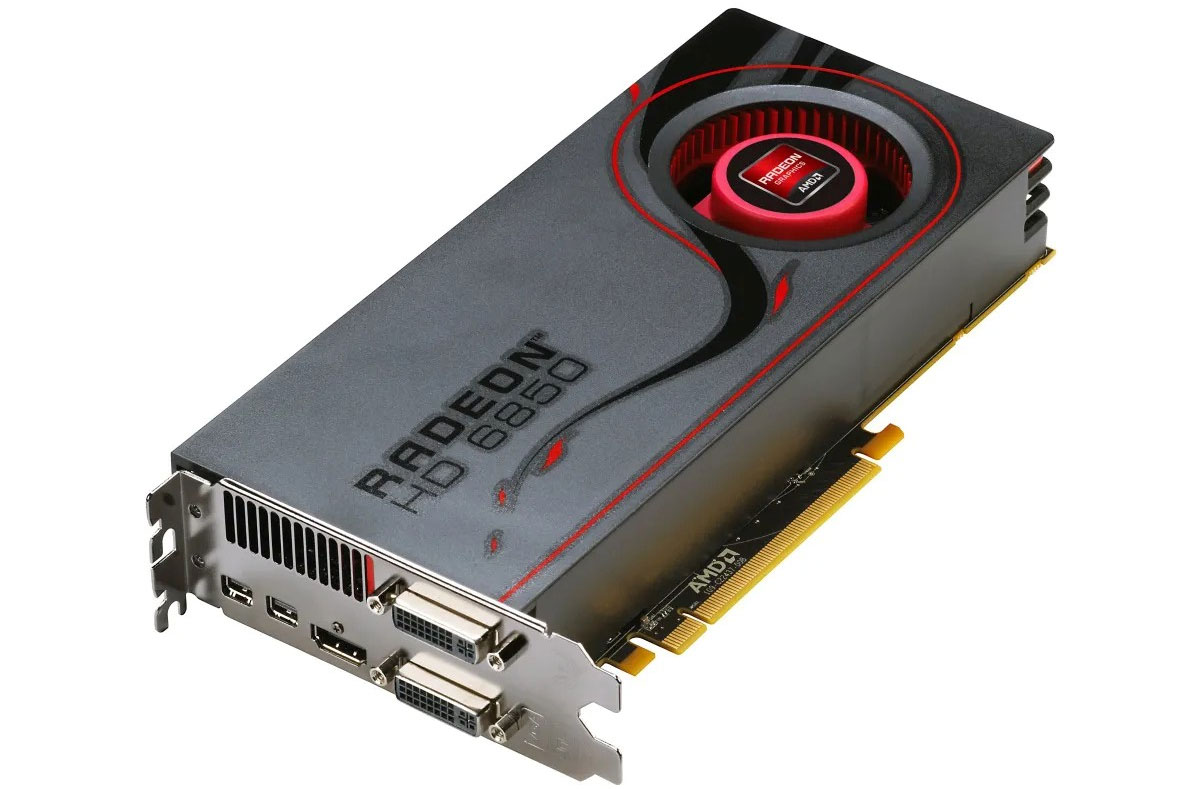
However, the landscape is evolving. Intel is making more serious inroads into high-performance integrated graphics with its "Panther Lake" architecture and upcoming B390 iGPUs, which claim significant gaming performance improvements. Nvidia, currently enjoying unprecedented success in the AI market, also possesses the potential to re-enter the console space with powerful Arm-based PC chips featuring GeForce graphics, possibly launching in September 2025 for consumer markets. While AMD currently holds a strong position, competition is intensifying.
The Unseen Path: What if AMD Acquired Nvidia?
The thought experiment of "what if AMD acquired Nvidia" remains a fascinating alternate history for the tech industry. If Jensen Huang had been willing to compromise, and AMD had successfully merged with Nvidia, the resulting entity would have been an unparalleled computing powerhouse. It would have controlled both leading CPU and GPU architectures, effectively creating a near-monopoly on high-performance computing components.
Such a merger would have likely stifled competition significantly. Intel would have faced an even more formidable opponent in both CPU and graphics. The development of integrated graphics might have accelerated even faster, or conversely, the dominance of a single entity might have reduced innovation pressure. The entire ecosystem of discrete GPUs, where Nvidia now reigns supreme in market share and technological leadership (especially in AI), would have been fundamentally different. The rapid rise of AI and machine learning, heavily reliant on Nvidia’s CUDA platform, might have followed a different trajectory under a combined AMD-Nvidia. The industry would have lost the vibrant, often cutthroat, rivalry between AMD and Nvidia that has driven so much innovation over the past two decades. The current duopoly in discrete graphics, which fuels competitive pricing and technological advancement, would not exist.
Long-Term Impact and Enduring Legacy
Eighteen years on, the AMD acquisition of ATI stands as a masterstroke in corporate strategy. It transformed AMD from primarily a CPU vendor into a holistic computing solutions provider. The foresight to integrate CPU and GPU technologies not only enabled the creation of the APU but also positioned AMD as an indispensable partner for major console manufacturers.
The deal provided AMD with critical intellectual property, a talented engineering team, and a diversified product portfolio that allowed it to weather market shifts and compete more effectively against larger rivals. Without ATI, AMD would almost certainly not be the company it is today, a company that has regained significant market share in CPUs with Ryzen, is a formidable player in server and data center markets with EPYC, and continues to innovate in graphics with Radeon.
While AMD’s journey has not been without its challenges—including periods of financial struggle and intense competition from both Intel and Nvidia—the ATI acquisition laid the foundational groundwork for its current resurgence. It underscored the strategic importance of owning key technological components and the power of vertical integration in the complex world of semiconductor manufacturing. The legacy of ATI lives on, not just in the Radeon brand, but in every APU and every console that powers modern digital experiences, validating Hector Ruiz’s bold declaration that the deal would indeed "reinvent our industry."