The pervasive reach of smart television technology has ushered in an era of unprecedented convenience and entertainment, but a recent exposé by cybersecurity firm Proton has cast a stark spotlight on a deeply concerning aspect of these ubiquitous devices: their sophisticated, and often surreptitious, methods of tracking user activity. Far from being mere passive displays, modern smart TVs are actively collecting granular data on everything that appears on their screens, a practice that raises significant privacy alarms for consumers worldwide.
At the core of this surveillance apparatus lies Automatic Content Recognition (ACR) technology. While many users might assume that privacy controls primarily pertain to the content consumed through built-in streaming applications, Proton’s research reveals that ACR operates at a much more fundamental level, capturing data from virtually all visual input. This means that whether a user is watching a Netflix series, a broadcast television program, engaged in a video game via a connected console, or even viewing content from an external device plugged into an HDMI port, the smart TV is meticulously logging and analyzing the displayed material.
The mechanism is described as creating a unique digital "fingerprint" of the content being shown. This fingerprint is then cross-referenced with extensive databases to identify the specific program, movie, game, or other media. This identified content, along with associated viewing habits, is then allegedly shared with a complex ecosystem of entities, including TV manufacturers, advertisers, and data brokers. The ultimate goal appears to be the construction of highly detailed user profiles, offering insights into viewing preferences that can be leveraged for targeted advertising and market research.
A particularly unsettling revelation from Proton’s analysis is that ACR technology is often embedded at the chipset level of the TV and is typically enabled by default. This means that the tracking can commence from the very first moment the TV is powered on, even if the user has never interacted with the smart features or connected the device to the internet. This default activation bypasses explicit user consent, creating a scenario where consumers unknowingly surrender a significant amount of personal data simply by owning a smart TV.
The Waning Control: An Increasingly Grim Escape
The challenge for consumers seeking to reclaim their privacy is compounded by the deliberate obfuscation of these tracking mechanisms. Proton’s report highlights that disabling ACR and other data collection features often involves navigating through deeply nested menus, employing confusing terminology, or finding settings that are easily overlooked during the initial setup process. This design choice, whether intentional or a byproduct of complex software development, effectively makes it difficult for the average user to understand and control the extent of data being gathered.

"Buying a smart TV today often means accepting a level of surveillance that most people never knowingly signed up for," Proton stated in their privacy explainer, underscoring the fundamental disconnect between consumer expectations and the reality of smart TV functionality. The firm argues that the inherent design of these connected devices, coupled with their business models that often rely on data monetization, makes privacy a diminishing commodity.
The implications of this widespread data collection are far-reaching. Detailed viewing profiles can reveal not only entertainment preferences but also insights into lifestyle, household composition, and even potentially sensitive interests. This information, when aggregated and analyzed, can be used to influence purchasing decisions, shape perceptions, and potentially even impact access to certain services or offers, creating a subtle but powerful form of behavioral conditioning.
Understanding the Tracking Mechanisms: Beyond Streaming Apps
To fully grasp the scope of this issue, it’s crucial to differentiate ACR from other forms of data collection that smart TVs might employ. While built-in apps from streaming services like Netflix, Hulu, or Amazon Prime Video undoubtedly collect data on user activity within their own platforms, ACR extends this surveillance to all visual content. This is achieved through sophisticated image and audio analysis performed by the TV’s internal hardware.
When ACR is active, the TV continuously analyzes the incoming video and audio signals. It breaks down the visual frames into unique patterns, color palettes, and motion vectors, while simultaneously analyzing audio characteristics. This information is then compared against a vast library of content metadata. For instance, if a specific scene from "Stranger Things" is being displayed, the ACR system can identify it with a high degree of accuracy. The same process applies to live sports broadcasts, news programs, or even the opening sequence of a Blu-ray movie.
This data is then transmitted, often in an anonymized or pseudonymized form, to servers managed by the TV manufacturer or their partners. While manufacturers often claim this data is used to improve user experience, personalize recommendations, and optimize content delivery, the potential for misuse or breaches remains a significant concern. The sheer volume and granularity of the collected data create a rich target for malicious actors.
Strategies for Mitigation: Reclaiming Control
Proton offers several strategies for consumers who wish to mitigate the tracking capabilities of their smart TVs. The most robust, albeit potentially inconvenient, solution is to disconnect the TV from the internet entirely. By treating the smart TV as a "dumb" display, users can circumvent the built-in tracking mechanisms. Content can then be streamed or accessed through external devices such as media boxes (e.g., Apple TV, Roku, Amazon Fire TV Stick) or gaming consoles connected via HDMI. This approach effectively shifts the data collection responsibility to the external device, which may offer more transparent privacy controls.

For users who still desire internet connectivity for certain TV functions but wish to block telemetry and advertising domains, Proton suggests employing network-level ad blockers like Pi-hole. This solution works by creating a DNS sinkhole, preventing the TV from connecting to known tracking and advertising servers. While this can significantly reduce data leakage, it requires a certain level of technical proficiency to set up and maintain.
Disabling ACR and other tracking features within the TV’s settings menu is another option. However, as previously mentioned, the accessibility and effectiveness of these settings vary widely across different brands and models. Some manufacturers may offer comprehensive opt-out options, while others might provide only superficial controls that fail to halt all forms of data collection. The naming conventions for these settings can also be confusing, making it challenging for users to identify the relevant privacy controls.
The Broader Landscape of Connected Device Privacy
The revelations concerning smart TV tracking are not isolated incidents but rather symptomatic of a larger trend in the Internet of Things (IoT) ecosystem. Across various connected devices, from smart speakers and thermostats to security cameras and wearable fitness trackers, data collection has become an integral part of product design and business strategy. The convenience offered by these devices often comes at the cost of user privacy, creating a complex ethical dilemma for consumers.
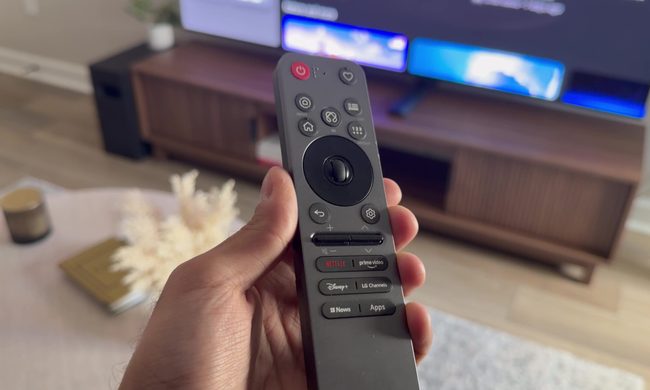
Recent reports have also highlighted issues with smart TV apps themselves acting as unintended conduits for data sharing. For instance, LG has announced plans to suspend webOS apps that facilitate residential proxy services, where user devices are unknowingly used to route other people’s internet traffic. This highlights a multi-layered vulnerability, where both the core operating system and third-party applications can contribute to privacy erosion.
The implications of this pervasive data collection extend beyond individual privacy concerns. The aggregation of viewing habits across millions of households can influence content creation, marketing strategies, and even societal narratives. Understanding how this data is collected, used, and protected is crucial for maintaining a healthy and informed digital society.
As technology continues to evolve, the line between convenience and surveillance will likely become increasingly blurred. Consumers are faced with a critical choice: embrace the seamless integration of smart devices and accept a degree of data commodification, or actively seek out more privacy-preserving alternatives and be prepared for potential trade-offs in functionality or ease of use. The findings from Proton serve as a potent reminder that in the age of connected living, vigilance and informed decision-making are paramount for safeguarding personal privacy. The "grim" situation described by Proton underscores the urgent need for greater transparency, stronger regulatory oversight, and more user-centric design principles from manufacturers of smart home technologies.