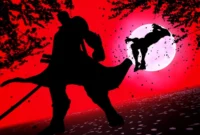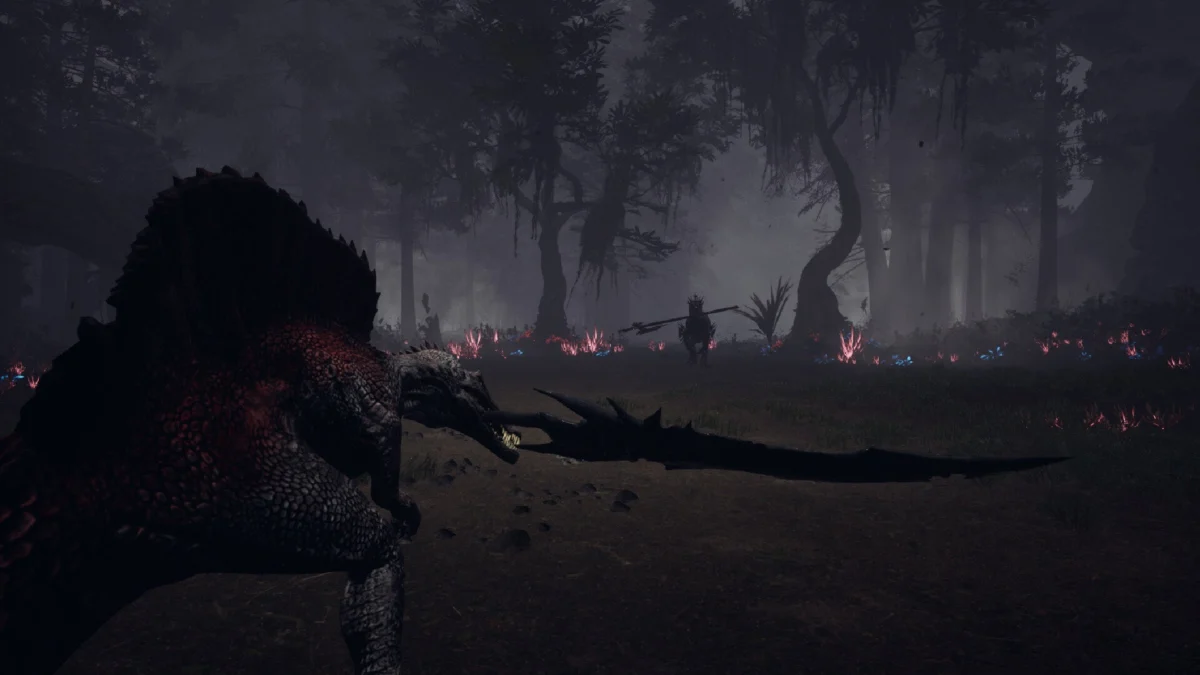
The digital gaming landscape often sees its most intriguing creations emerge from unexpected corners, and such is the case with Dinoblade, a new action title that has officially launched, transforming a viral animation concept into a playable reality. Four years ago, developer Jean Nguyen captured widespread attention on Dwitter, a microblogging platform known for its creative coding and animation snippets, by sharing a short video. This animation depicted a spinosaurus executing a complex combat combo reminiscent of Cloud Strife’s iconic Buster Sword moves from Final Fantasy VII. The video quickly amassed significant traction across social media, becoming a prime example of viral content that sparked imagination and demand. What began as a mere animation exercise has now culminated in a full-fledged video game, developed by Team Spino (Jean Nguyen’s development moniker), which is now available to the public. Dinoblade delivers a uniquely janky yet undeniably entertaining experience, fulfilling the promise of its outlandish premise.
The Genesis of Dinoblade: From Dwitter to Development
The journey of Dinoblade began in August 2022, when Jean Nguyen, an animator and developer, uploaded a captivating short video to Dwitter. Dwitter, a platform where users share animations created with JavaScript within a 140-character limit, became the unlikely birthplace of this project. Nguyen’s animation was a striking display of a spinosaurus, a large carnivorous dinosaur known for its distinctive sail-like structure, wielding a sword strikingly similar to Cloud Strife’s Buster Sword – a weapon instantly recognizable to fans of the seminal RPG Final Fantasy VII. The animation showcased the dinosaur performing intricate, fluid combat maneuvers, a blend of prehistoric power and classic video game martial prowess. This unlikely fusion immediately resonated with a global audience, quickly going viral across various social media platforms, including X (formerly Twitter). The sheer absurdity and impressive execution of the concept struck a chord, leading to an outpouring of requests and encouragement for Nguyen to develop it into a full game.
At that time, the animation was purely a demonstration of skill, not an indication of an ongoing game project. However, the overwhelming positive feedback and the clear enthusiasm from the online community evidently sowed the seeds for what would become Dinoblade. The transition from a viral animation to an actual game project is a significant undertaking, especially for what appears to be a solo developer or a very small team. It requires not only artistic vision but also extensive programming, game design, asset creation, and project management skills. Nguyen’s decision to commit to this ambitious project underscores the power of community engagement and the potential for internet virality to serve as a genuine catalyst for creative endeavors. This trajectory mirrors other instances in the indie game scene where unique concepts gain traction online before evolving into commercial products, demonstrating a modern pathway for game development outside traditional publishing models.
Unveiling the Unique World and Combat System
The core concept of Dinoblade is, by design, gloriously absurd: a world where dinosaurs, following an unspecified cataclysmic event, engage in combat using an array of bladed weapons. Players take on the role of a spinosaurus, echoing the viral animation’s protagonist. The narrative hook introduces a mysterious "Other Dinosaur," with whom the player’s spinosaurus forms a pact, setting the stage for the game’s intense duels. This premise alone sets Dinoblade apart, blending prehistoric fascination with high-fantasy weapon combat in a way rarely seen in video games.
Mechanically, Dinoblade draws immediate comparisons to FromSoftware’s acclaimed title Sekiro: Shadows Die Twice. This comparison is a strong indicator of the game’s combat philosophy, which emphasizes precise parrying as a central defensive and offensive mechanic. In Sekiro, mastering deflections is crucial for breaking an enemy’s posture and creating openings for critical blows; Dinoblade appears to adopt a similar system. Players must time their parries accurately to deflect incoming attacks, leaving opponents vulnerable. Beyond parrying, the combat system incorporates a blend of quick and heavy attacks, allowing for the execution of stylish and effective combos. The responsive nature of the parrying system, combined with well-animated enemy telegraphs, ensures that when the combat clicks, it delivers a deeply satisfying experience. Despite the inherent "jank" (a term often used to describe rough edges or unpolished elements in game design) present in other areas, the fundamental combat loop is reported to be robust and enjoyable.
Dinoblade further enriches its combat with a suite of special abilities, adding layers of strategic depth and spectacle. One particularly noteworthy mechanic allows players, after defeating a boss, to summon that very dinosaur to perform a powerful, screen-clearing attack. This feature is both thematically fitting and mechanically rewarding, offering a tangible benefit for overcoming formidable foes. Other abilities include an energy beam that can be discharged from the player’s sword, providing a ranged option, and a potent roar capable of temporarily freezing enemies in place, offering crowd control or setup opportunities. These abilities complement the core melee combat, allowing for varied playstyles and tactical approaches to different enemy encounters. The integration of such diverse powers within a dinosaur-themed action game underscores the developer’s commitment to delivering an experience that is both unique and engaging.
The Indie Development Journey: Challenges and Charms
The development of Dinoblade as an indie project, likely by a small team or even a single individual, inherently comes with a unique set of challenges and charms. The "jank" reported in the article—specifically concerning environments that feel "awkward," "clunky," or sometimes fail to load properly, and instances of invisible enemies—can largely be attributed to the constraints typically faced by indie developers. Unlike large studios with vast resources, dedicated teams for quality assurance, and extensive development cycles, indie creators often operate with limited budgets, tight timelines, and a smaller workforce, sometimes managing all aspects of development themselves.
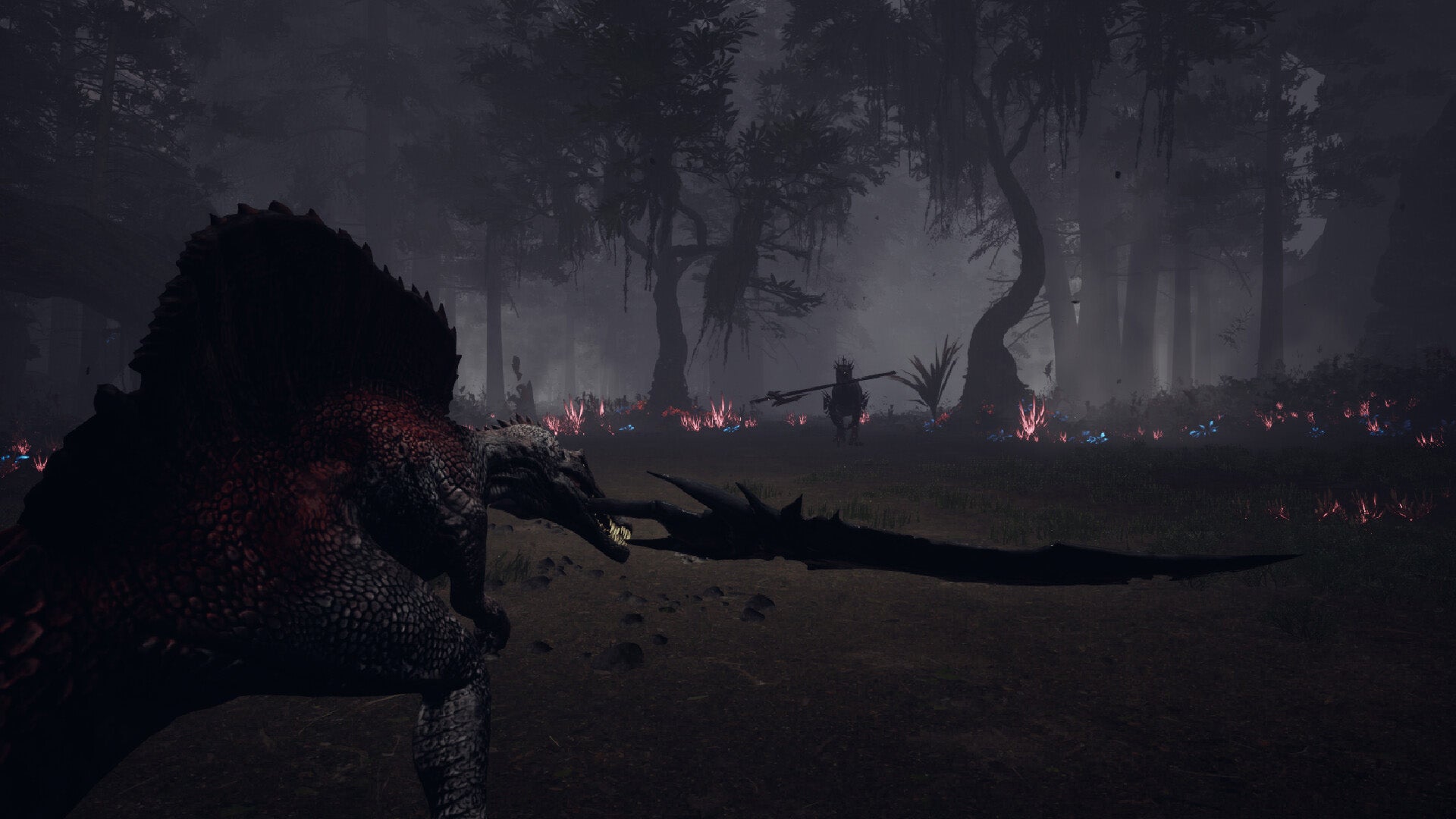
This context is crucial for understanding and appreciating Dinoblade. The article’s graceful forgiveness of these technical imperfections stems from an understanding of the arduous nature of solo game development. Crafting a complete game, from concept to launch, encompassing programming, art, animation, sound design, level design, and bug fixing, is a monumental task for one person. The fact that Dinoblade manages to deliver a cohesive and enjoyable combat experience despite these environmental and occasional rendering glitches is a testament to the developer’s dedication and skill in prioritizing core gameplay. The argument that the "clunky" movement makes sense for a "giant ass dinosaur" also ingeniously reframes a potential flaw as a feature, aligning it with the game’s overarching theme.
The success of Dinoblade in transcending its "jank" speaks to a specific segment of the gaming community that values innovative concepts and engaging gameplay over pristine graphical fidelity or flawless execution. This audience often champions indie titles that possess a unique charm or a distinct vision, even if they bear the hallmarks of their modest origins. The game’s ability to provide a "rip-roaring time" despite its rough edges positions it as a title that excels where it matters most: delivering fun and memorable gameplay.
Broader Implications: Viral Content and the Indie Game Ecosystem
The trajectory of Dinoblade from a viral Dwitter animation to a commercially released game offers valuable insights into the evolving dynamics of content creation, community engagement, and independent game development in the digital age. In an increasingly crowded market, capturing attention is paramount, and viral content provides an unparalleled launchpad. Jean Nguyen’s initial animation demonstrated the power of a compelling, easily digestible concept to spread rapidly across social media, generating organic buzz that would be difficult and expensive to replicate through traditional marketing channels. This phenomenon highlights how platforms like Dwitter, X.com, and others can serve as incubators for creative ideas, allowing developers to gauge public interest and even gather early feedback before committing to a full production.
For the indie game ecosystem, Dinoblade represents a success story in leveraging internet culture. Many promising indie projects struggle to find visibility amidst thousands of new releases annually. A viral origin story not only provides initial momentum but also builds a pre-existing community of interested players, eager to see the concept brought to life. This built-in audience can be invaluable for crowdfunding campaigns, beta testing, and day-one sales. However, it also sets a high bar, as the final product must live up to the expectations generated by the initial viral sensation. Dinoblade‘s ability to materialize into "something as cohesive and enjoyable" as it is, distinguishes it from many other viral concepts that fail to translate into successful commercial products.
The game also fits comfortably into a niche that appreciates the "soulslike" combat popularized by games like Sekiro and Dark Souls. This genre has cultivated a dedicated fanbase that values challenging, methodical combat and intricate boss encounters. By tapping into these established mechanics while injecting its own unique dinosaur-with-swords aesthetic, Dinoblade carves out a distinct identity within a popular genre. This blend of familiarity and novelty is often a recipe for success in the indie space.
A Homage to Obscure Classics and Future Potential
The article concludes by likening Dinoblade to games found "in the echelons of obscure PS2 or Dreamcast games that never were." This comparison is particularly evocative, suggesting a certain charm and cult potential. Games from the PlayStation 2 and Dreamcast eras are often remembered for their experimental nature, unique concepts, and sometimes rough-around-the-edges charm. Many titles from these generations, while not blockbuster hits, garnered a loyal following for their distinct personality and innovative gameplay. Dinoblade‘s blend of quirky premise, satisfying combat, and minor technical imperfections places it squarely in this tradition, hinting at a future where it might be celebrated as a hidden gem or a beloved cult classic.
The availability of a demo for Dinoblade is a smart strategic move, allowing potential players to experience the game’s unique blend of combat and charm firsthand before committing to a purchase. This transparency is often valued by players, especially for indie titles that might not have extensive marketing budgets. The full game is available on Steam, providing easy access to a global PC gaming audience.
In essence, Dinoblade stands as a testament to independent creativity and the evolving landscape of game development. It is a game born from a fleeting moment of viral brilliance, nurtured by dedicated development, and released as a product that, despite its quirks, delivers genuine enjoyment. Its journey from a Dwitter animation to a full-fledged title is a compelling narrative in itself, underscoring the potential for niche ideas to find significant traction and ultimately, commercial success, in the dynamic world of video games. As players delve into its dinosaur-on-dinosaur sword fighting action, Dinoblade is poised to carve out its own unique place in the annals of memorable indie titles.