The concept of Everyday Carry, commonly abbreviated as EDC, has evolved from a niche hobby into a sophisticated philosophy of preparedness that spans various professional sectors. For Stephen, a full-time cook based in Minnesota, the selection of tools carried on his person is not merely a matter of convenience but a reflection of professional discipline and a rigorous adherence to hygiene standards. His kit, which prominently features four distinct knives and a curated selection of writing instruments, highlights a growing trend among service industry professionals: the integration of high-performance tactical gear into the demanding environment of a commercial kitchen. By maintaining a strict boundary between utility tools and food-preparation implements, Stephen exemplifies a modern approach to the culinary arts where safety, efficiency, and gear maintenance intersect.
The Strategic Separation of Utility and Culinary Tools
In the high-pressure environment of a professional kitchen, the risk of cross-contamination is a primary concern for any chef or cook. Stephen’s EDC philosophy is built around the fundamental rule that utility blades—those used for opening boxes, cutting zip ties, or performing general maintenance—must never come into contact with food. This distinction is critical in the culinary world, where the Hazard Analysis and Critical Control Point (HACCP) systems dictate strict protocols for tool usage to prevent the spread of foodborne illnesses.
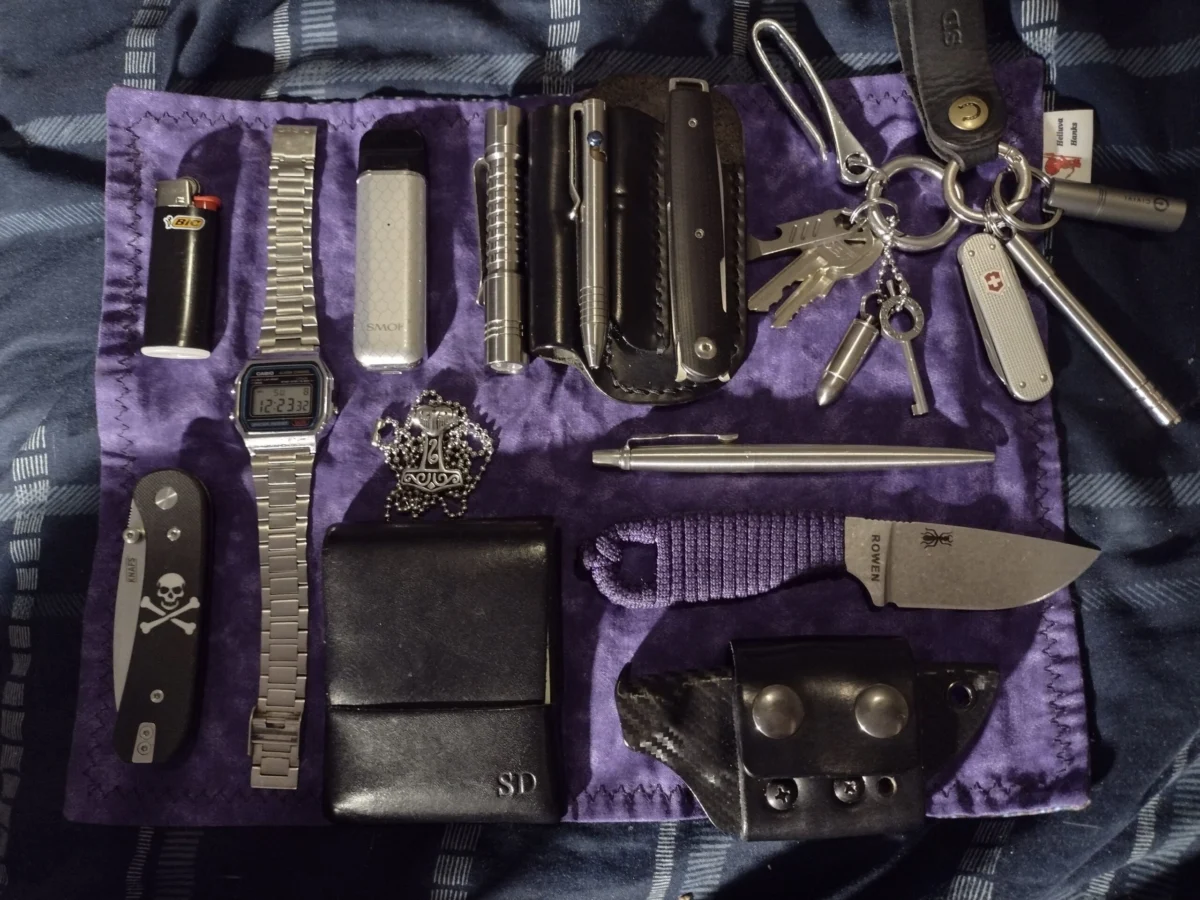
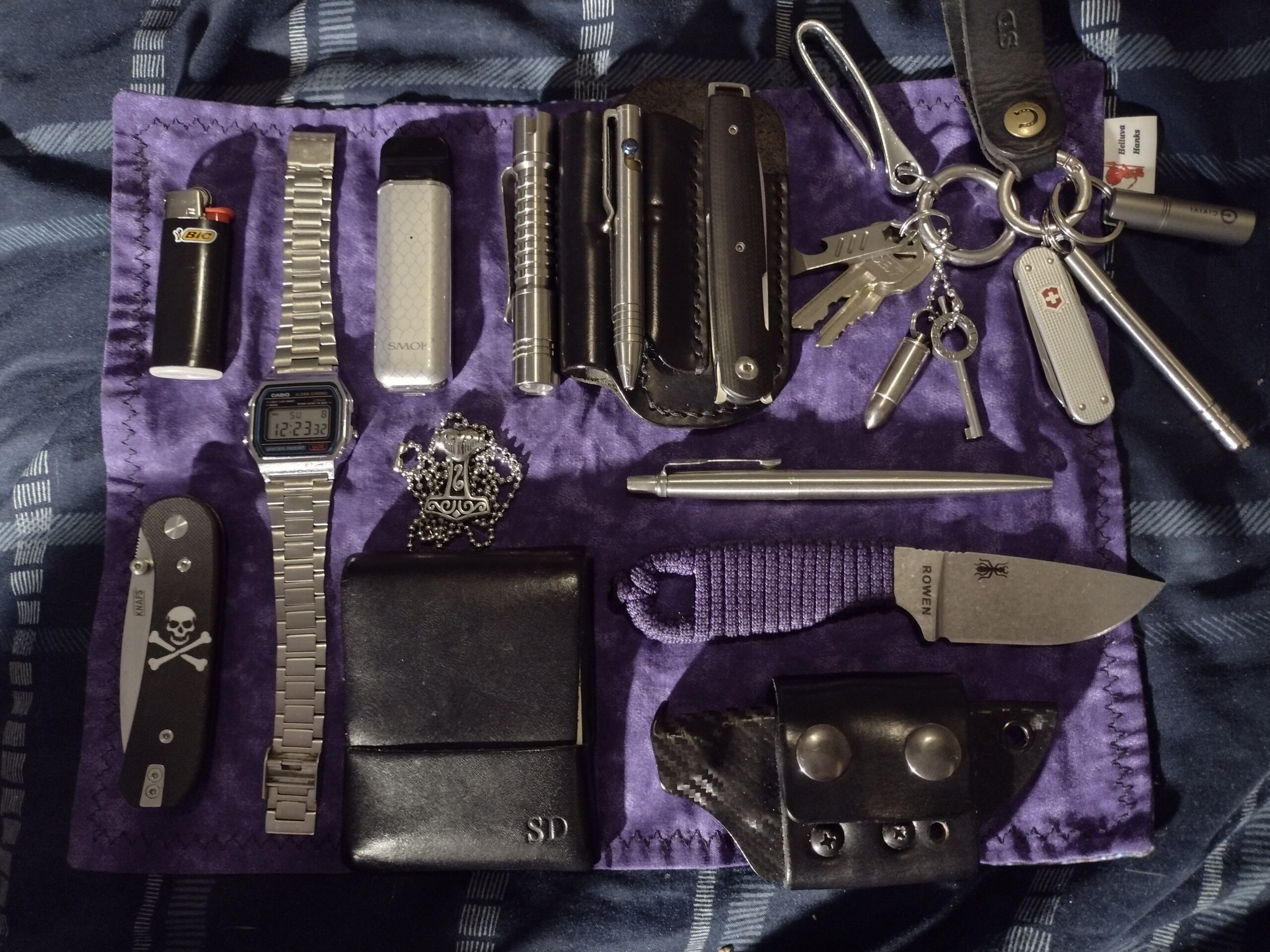
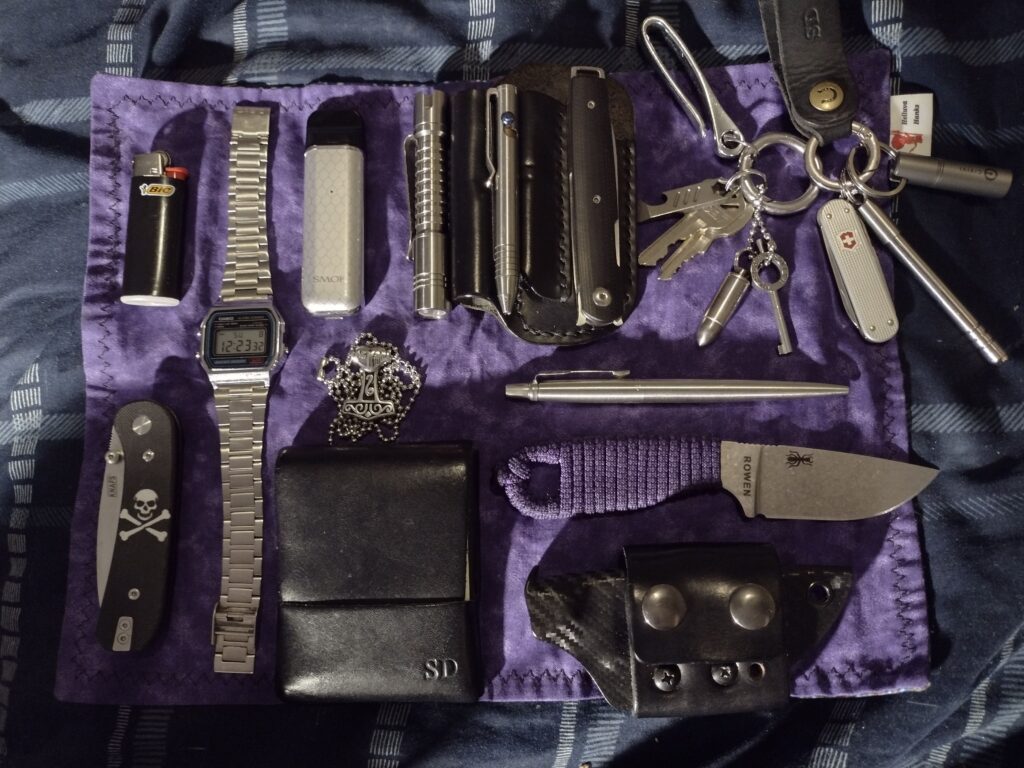
Stephen carries four knives on a daily basis: three folding knives and one fixed-blade ESEE Izula. Each serves a specific purpose. One of the folding knives is dedicated exclusively to "going through a lot of boxes," a common task in the receiving area of a restaurant where bulk shipments of produce and proteins arrive daily. By dedicating a specific blade to cardboard and packaging, Stephen ensures that the adhesives, dust, and microscopic debris found on shipping materials do not compromise the sanitized environment of his prep station.
This "multi-knife" strategy is a response to the diverse physical demands of the kitchen. While a chef’s knife is designed for the delicate task of dicing mirepoix or slicing proteins, it is ill-suited for the abrasive nature of cardboard. Using a kitchen knife for utility tasks would quickly dull the edge, requiring more frequent sharpening and potentially leading to metal fatigue. Conversely, using a utility knife for food prep after it has been used on external packaging would be a direct violation of sanitary standards.
Technical Analysis of the Gear: Metallurgy and Design
The selection of tools in Stephen’s kit demonstrates an appreciation for high-quality materials and metallurgical properties. A standout item in his collection is the ESEE Izula, specifically the S35VN steel variant. The Izula is named after the "Isula" ant, known in the Amazon as the Bullet Ant, a fitting moniker for a knife that is small, tough, and possesses a "sting" far beyond its size.
The ESEE Izula S35VN
The transition of the Izula from its original 1095 carbon steel to S35VN represents a significant upgrade for a kitchen professional. S35VN is a "super steel" developed by Crucible Industries in collaboration with master bladesmith Chris Reeve. It features niobium, which forms hard carbides that improve toughness and edge retention without making the blade brittle. For a cook in Minnesota, where humidity in the kitchen can be high and outdoor temperatures can be freezing, the corrosion resistance of S35VN is a vital asset. Unlike high-carbon steels that require constant oiling to prevent rust, S35VN can withstand the moist environment of a kitchen and the salt-heavy air of winter roads.
The Knafs and Boker Folders
The inclusion of a Knafs folding knife—likely the Lander or the Lulu, designed by EDC veteran Ben Petersen—suggests a preference for modularity and ease of maintenance. Knafs products are known for being "user-friendly," allowing for easy disassembly and cleaning, which is essential in a workspace where flour, grease, and liquids are omnipresent.
Complementing the workhorse blades is a Boker "gentleman’s knife." Boker, a German manufacturer with a history dating back to the 17th century, specializes in slim, unobtrusive designs. This knife likely serves as Stephen’s "light-duty" option, suitable for tasks that require precision or for use in more formal settings where a large tactical blade might be inappropriate.
Writing Instruments: From Value to Premium
A professional cook’s responsibilities extend beyond the stove; they include inventory management, labeling prep containers, and documenting temperature logs. Stephen’s choice of writing instruments reflects a balanced approach to the "price-to-performance" ratio.
The Parker Jotter
The Parker Jotter is an icon of industrial design. Since its debut in 1954, it has been prized for its all-stainless steel construction and its reliable "click" mechanism. At a price point often under $10, it provides a level of durability that plastic pens cannot match. In a kitchen, where a pen might be dropped on a hard tile floor or exposed to high heat, the Jotter’s metal body ensures it remains functional.
Titanium Bolt-Action Pen
Contrasting the affordable Jotter is a premium titanium bolt-action pen. The "bolt-action" mechanism is favored in the EDC community because it lacks the delicate springs and plastic parts found in cheaper pens that can fail under pressure. Titanium is an ideal material for a cook; it is lightweight, biocompatible (meaning it won’t react with the skin), and exceptionally strong. This pen represents the "buy once, cry once" mentality, providing a tool that can theoretically last a lifetime of service.
Organizational Systems: Leather and Keychains
One of the challenges of carrying four knives and two pens is the "pocket real estate" they occupy. Stephen manages this through the use of leather sheaths and keychain consolidation systems. This method of "hanging gear off the body" rather than stuffing it into pockets allows for better mobility—a necessity when moving quickly between a walk-in cooler and a hot line.
Leather sheaths offer a traditional aesthetic but also serve a functional purpose. Over time, leather molds to the shape of the tool, providing a custom fit that prevents the gear from rattling or falling out. Furthermore, leather acts as a protective barrier, preventing the metal tools from scratching one another or the wearer’s skin during the repetitive bending and reaching required in culinary work.
The Minnesota Context: Ruggedness as a Requirement
The geographic location of Stephen’s work cannot be overlooked. Minnesota’s climate is characterized by extreme seasonal shifts, which places unique stress on gear. Equipment must be able to perform in the sub-zero temperatures of a Minnesota winter—perhaps during a delivery at a loading dock—and then immediately transition to the 100-degree heat of a commercial kitchen.

This environment demands tools with high thermal stability and grips that can be operated even when hands are cold or wet. The ESEE Izula’s skeletonized handle or its optional Micarta scales provide the necessary traction for these conditions. The choice of stainless steels and titanium across his kit further ensures that the gear will not succumb to the road salt and moisture prevalent in the North Star State.
Broader Implications: The Professionalization of EDC
Stephen’s kit is a microcosm of a larger movement toward the professionalization of personal gear. No longer are "work tools" limited to what the employer provides. Modern professionals are increasingly investing their own capital into tools that improve their efficiency and safety.
In the culinary industry, this trend is particularly visible. The "knife roll" has long been a symbol of a chef’s status and commitment to their craft. Stephen has simply extended this logic to his pockets. By carrying high-quality utility tools, he protects his expensive culinary knives from damage and ensures he is prepared for the myriad of non-cooking tasks that constitute a large portion of a cook’s workday.
Furthermore, the emphasis on avoiding cross-contamination through tool separation highlights a high level of professional ethics. It demonstrates an understanding that a cook’s responsibility to the public begins the moment they step into the building, encompassing every action from opening a box of produce to plating a finished dish.
Conclusion: A Toolkit Built for Purpose
The everyday carry of Stephen, the Minnesota cook, serves as a masterclass in functional preparedness. By selecting tools like the ESEE Izula S35VN and the Parker Jotter, he balances the need for rugged durability with the practicalities of a budget. His four-knife system is not an exercise in excess, but a calculated strategy to maintain the highest standards of food safety and tool longevity.
As the EDC movement continues to grow, it is the specialized kits of professionals like Stephen that provide the most insight into the true value of the hobby. It is not about the mere collection of items, but about the thoughtful selection of instruments that empower an individual to perform their job with greater precision, safety, and pride. In the demanding world of professional cooking, having the right tool for every occasion—and knowing exactly which blade should never touch a piece of food—is the hallmark of a true craftsman.