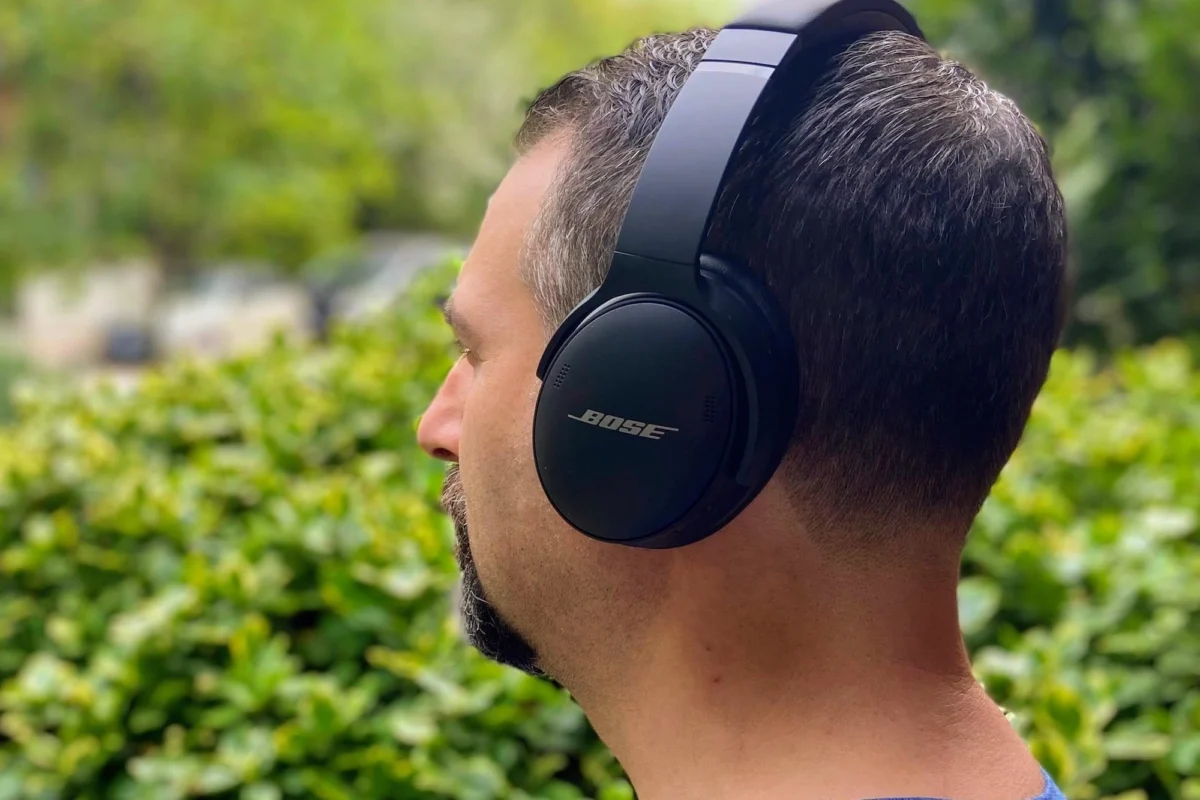
The landscape of premium consumer audio is poised for a significant shift as leaked information suggests Bose is preparing to refresh its core lineup with the introduction of the Bose QuietComfort (2nd Gen) headphones. For several years, the audio industry has observed a widening gulf between Bose’s mainstream offerings and its flagship "Ultra" tier. While the QuietComfort Ultra headphones, released in late 2023, introduced groundbreaking spatial audio and a more modern aesthetic, the standard QuietComfort model—often referred to as the successor to the venerable QC45—remained largely iterative. New reports indicate that Bose intends to bridge this gap, integrating high-end features into its mid-range model without a corresponding increase in the retail price.
The leak, attributed to the reputable industry insider billbil-kun, outlines a strategic move by the Massachusetts-based audio giant to consolidate its market position against stiffening competition from Sony, Apple, and Sennheiser. By bringing "Ultra-level" features to the $359 price point, Bose is effectively recalibrating the value proposition of its most popular product line, potentially making the standard QuietComfort the most competitive option in the premium noise-canceling category.
A Strategic Evolution for the QuietComfort Line
The QuietComfort series has long been the backbone of Bose’s consumer division. Since the launch of the QC35 in 2016, which set the industry standard for active noise cancellation (ANC), Bose has prioritized comfort and silence over flashy feature sets. However, the market has evolved. Competitors like the Sony WH-1000XM5 and the Apple AirPods Max have pushed the boundaries of what users expect, including spatial audio, advanced transparency modes, and lossless digital connectivity.

In 2023, Bose attempted to segment its market by rebranding its flagship as the "Ultra" and keeping the "QuietComfort" name for its standard model. While the standard model was praised for its reliable performance, critics noted that it felt somewhat "forgotten" in the shadow of the Ultra’s immersive audio capabilities. The rumored QuietComfort (2nd Gen) appears to be a direct response to this criticism, ensuring that the mainstream consumer does not have to pay a significant premium for the company’s latest technological breakthroughs.
Redesigning Comfort: Aesthetics and Ergonomics
According to the leaked specifications and renders, the QuietComfort (2nd Gen) will undergo a subtle but meaningful physical redesign. Bose has historically adhered to a "if it isn’t broken, don’t fix it" philosophy regarding the chassis of its headphones, but the 2nd Gen model introduces refinements aimed at long-term wearability.
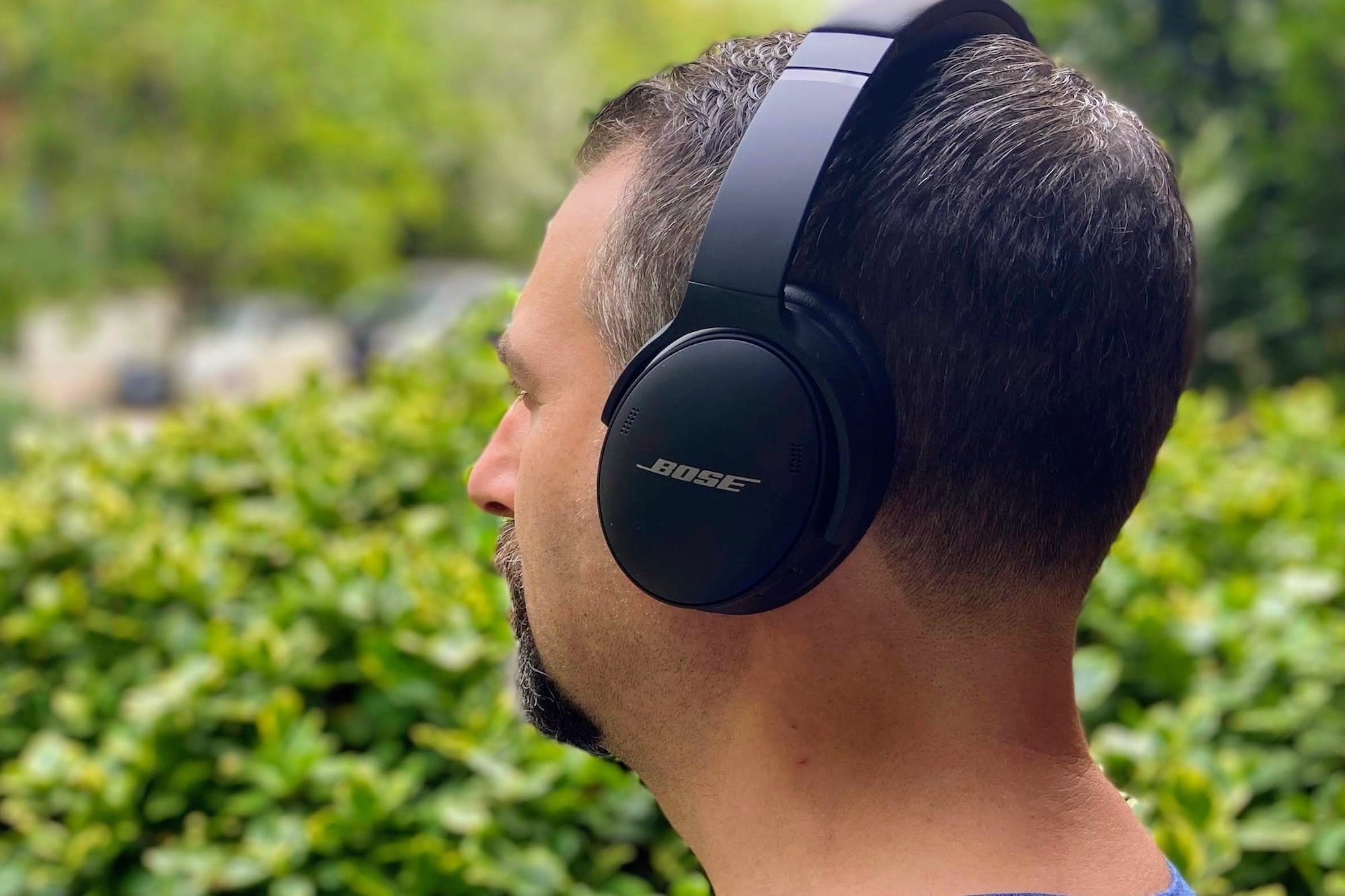
The new model is reported to feature "pill-shaped" ear cushions that appear softer and more contoured than the previous generation. This change is likely intended to improve the acoustic seal, which is critical for both passive noise isolation and the effectiveness of the active noise cancellation circuitry. Furthermore, the headband has been widened and equipped with additional padding to distribute weight more evenly across the cranium, addressing one of the few ergonomic complaints regarding the current model.
A notable functional change involves the placement of controls. While many modern headphones have migrated toward touch-sensitive panels—a feature found on the QuietComfort Ultra—the leaked information suggests the 2nd Gen model will retain physical buttons but relocate them for better accessibility directly on the earcups. This choice reflects Bose’s understanding of its core demographic: travelers and commuters who often prefer the tactile reliability of physical buttons over the sometimes finicky nature of touch gestures, especially in cold weather or when wearing gloves.
Technical Innovations: Spatial Audio and Lossless Playback
The most significant updates to the QuietComfort (2nd Gen) are found within its internal hardware. The standout feature is the inclusion of "TrueSpatial" audio. Previously, Bose’s proprietary spatial audio processing, which creates a multi-dimensional soundstage regardless of the source material, was exclusive to the Ultra lineup. By bringing this to the standard model, Bose is democratizing its most advanced audio processing technology.
In addition to spatial audio, the 2nd Gen model is expected to support lossless audio playback via a USB-C connection. As streaming services like Tidal and Apple Music increasingly offer high-resolution lossless tracks, the ability to bypass Bluetooth compression via a wired digital connection is becoming a high-priority feature for audiophiles. This move also aligns with the industry-wide transition away from the 3.5mm analog jack, providing a modern solution for high-fidelity listening.
The software suite accompanying the hardware is also receiving an upgrade. Bose reportedly plans to introduce new listening presets, including a dedicated "Movie Dialogue" mode. This preset is engineered to enhance vocal frequencies while managing background swells, a feature specifically requested by frequent flyers who use their headphones to watch films in noisy cabin environments.
Battery Life and Performance Metrics
Maintaining high performance while adding power-hungry features like spatial audio is a perennial challenge in the wearables market. The leaked data suggests that Bose has managed to maintain a 24-hour battery life for the QuietComfort (2nd Gen) when using standard active noise cancellation.

However, the use of spatial audio processing significantly increases the computational load on the internal chips. When TrueSpatial audio is engaged, the battery life is expected to drop to approximately 18 hours. While this is a decrease from the base performance, it remains competitive with the Apple AirPods Max (20 hours) and the Sony WH-1000XM5 (30 hours with ANC, though Sony does not offer a direct equivalent to Bose’s constant spatial processing).
Pricing Strategy and Market Implications
Perhaps the most surprising aspect of the leak is the pricing. Bose reportedly intends to launch the QuietComfort (2nd Gen) at a suggested retail price of $359. This matches the launch price of the current generation, effectively delivering a significant hardware and software upgrade at no additional cost to the consumer.
In an economic climate characterized by persistent inflation and rising component costs, Bose’s decision to hold the price steady is a clear aggressive maneuver. By pricing the 2nd Gen model at $359, Bose undercuts the Sony WH-1000XM5 ($399) and places significant pressure on the QuietComfort Ultra ($429).
This creates an interesting internal dilemma for Bose. If the standard QuietComfort now possesses the design refinements, spatial audio, and lossless capabilities of the Ultra, the justification for the $70 premium on the Ultra model becomes thinner. Analysts suggest that Bose may eventually update the Ultra line with even more exclusive features—such as improved microphones for telephony or superior materials—to maintain the tier separation.

Chronology of Development and Expected Release
The timeline for Bose’s product releases has become more predictable in recent years. Following the release of the QuietComfort 45 in late 2021 and the rebranded QuietComfort in late 2023, the emergence of leaks in mid-2026 suggests a late summer or early autumn release for the 2nd Gen model.
- September 2021: Launch of QuietComfort 45.
- September 2023: Launch of QuietComfort (rebranded) and QuietComfort Ultra.
- July 2026: Major leaks emerge via billbil-kun regarding the 2nd Gen model.
- Expected Q3 2026: Potential official announcement and retail availability.
While Bose has not officially commented on the leaks, the level of detail provided—including color options and specific battery metrics—is consistent with information that typically precedes an official launch by two to three months.
Industry Impact and Conclusion
The arrival of the Bose QuietComfort (2nd Gen) represents more than just a product refresh; it signifies a shift in how "premium" features are categorized in the audio industry. Features that were considered "flagship-only" less than three years ago are now becoming the baseline for mid-range professional headphones.
For the consumer, this is a net positive. The inclusion of lossless USB-C audio and spatial processing in a $359 package ensures that high-quality audio experiences are accessible to a broader audience. For Bose, the move is a necessary defense of its territory. As tech giants like Apple and Samsung continue to integrate their audio products into larger ecosystems, Bose must rely on its reputation for superior noise cancellation and acoustic engineering to remain the preferred choice for dedicated listeners.

If the leaked details hold true, the Bose QuietComfort (2nd Gen) will likely become the new "gold standard" for the average consumer, offering a nearly identical experience to the flagship Ultra model while maintaining the classic reliability and comfort that defined the brand for decades. The industry now waits for an official confirmation from Bose, which will likely set the stage for the next major battle in the high-end headphone market.