
Black and white photography, a medium that has captivated artists and audiences for over a century, possesses a unique power to transform the ordinary into the extraordinary. By stripping away the chromatic distractions of color, a well-executed monochrome image can instantly achieve a timeless quality, evoking a sense of nostalgia and offering a fresh perspective on familiar scenes. This transformation is not merely a technical conversion to grayscale; it requires a deliberate artistic intention from the outset, encompassing every element of the frame, from styling and mood to the foundational choice of background. Often relegated to an afterthought, the background in a black and white photograph plays a crucial role, acting as either the unifying element that binds the composition or the disruptive force that unravels the intended narrative. This article delves into the strategic considerations for selecting compelling backgrounds in monochrome photography, offering a deeper understanding of how this often-overlooked component can significantly enhance the emotional impact and storytelling potential of an image.
The genesis of this exploration into monochrome backgrounds can be traced to the enduring appeal of black and white as an artistic medium. Historically, from the pioneering daguerreotypes of the 19th century to the iconic works of Ansel Adams and Henri Cartier-Bresson, monochrome has been the language of visual storytelling. The advent of color photography did not diminish its relevance; rather, it carved out a distinct niche for black and white, emphasizing form, texture, light, and shadow. In the digital age, the ease of converting color images to grayscale has, paradoxically, led to a devaluation of the deliberate artistry involved in truly impactful monochrome photography. This article aims to reassert the importance of intentionality, particularly concerning the background, in creating photographs that transcend simple conversion and resonate with lasting power.
Studio Versus Location: Defining the Canvas
The decision to shoot in a controlled studio environment or on location is a fundamental one that significantly influences the choice of background for black and white photography. Each setting offers distinct advantages and limitations, shaping the overall aesthetic and narrative possibilities of the final image.
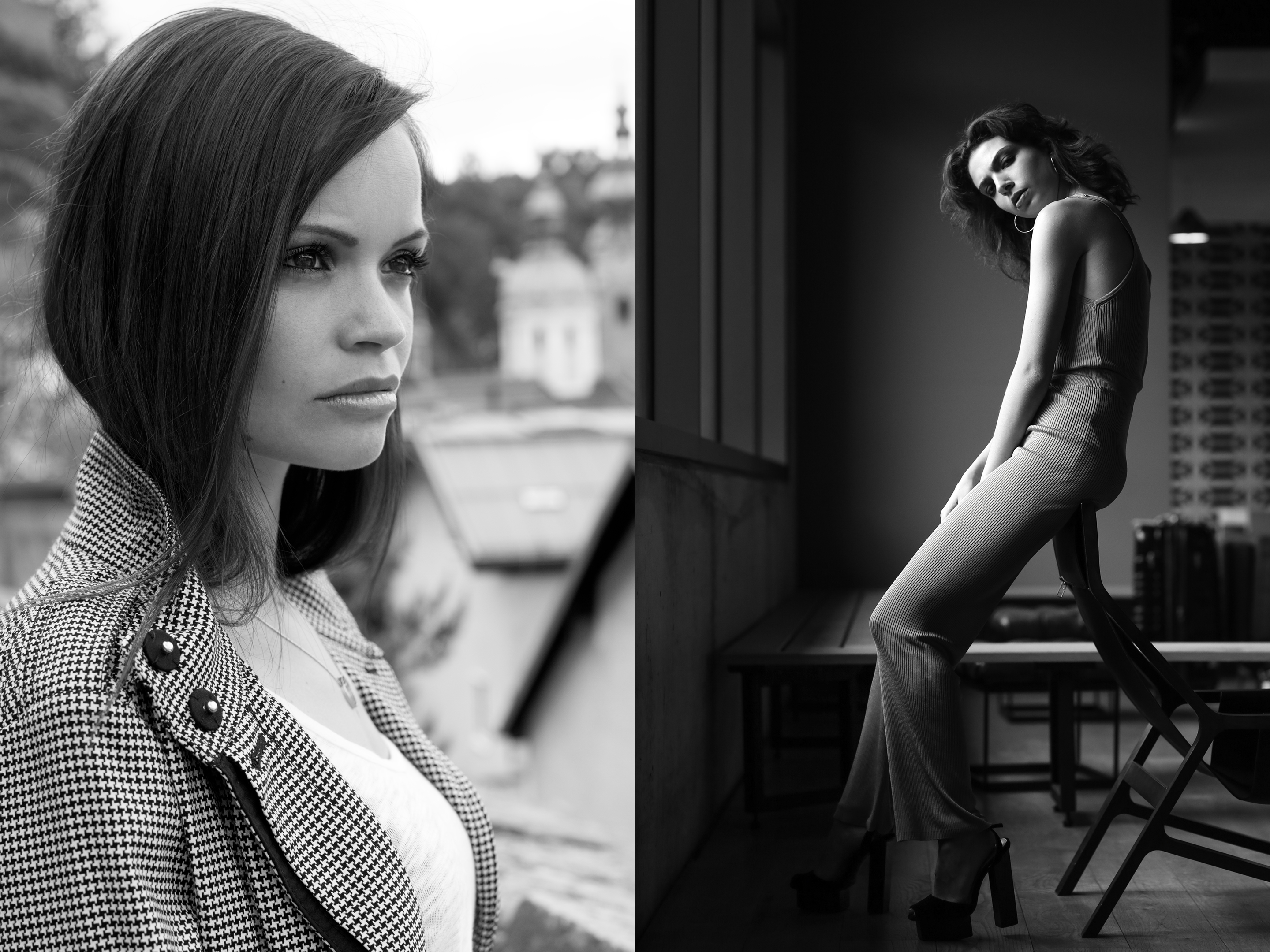
Studio: The Controlled Environment for Focused Artistry
Studio settings are frequently favored for monochrome fashion and beauty photography. In these scenarios, the primary objective is often to isolate and accentuate the subject, placing an unwavering spotlight on the styling, makeup, and the model’s expression. A studio background, whether a seamless paper roll, a painted canvas, or a carefully constructed set, can be meticulously chosen to complement the subject without introducing distracting elements. The controlled lighting within a studio environment allows photographers to precisely sculpt light and shadow, further enhancing the impact of the monochrome palette. For instance, a stark white or deep black backdrop can create a dramatic separation between the subject and their surroundings, emphasizing form and texture. This deliberate isolation allows the viewer’s attention to be drawn exclusively to the nuances of the subject’s presentation, making the background a silent, supportive partner in the storytelling. The lack of environmental variables ensures that the photographer has complete command over every visual cue, allowing for a highly refined and intentional execution.
Location: Weaving Narrative into the Environment
Location shoots, conversely, are often employed when the environment itself plays an integral role in the narrative of the photograph. This is particularly true for environmental portraits, where the subject’s surroundings provide context and deepen the understanding of their identity or story. When the model and their styling are intended to be part of a specific, unfolding narrative, the chosen location becomes a critical character in the composition. Whether the setting is an urban landscape, a rustic countryside, a vintage car interior, or a minimalist architectural space, the background must harmonize with the subject’s styling and the overarching story.

A key consideration for location shoots is the potential for the background to become overly busy or distracting. In black and white, patterns, textures, and lines can be amplified, and a chaotic environment can quickly overwhelm the subject. Photographers must exercise discernment, seeking out locations that offer visual interest without competing for attention. The background should act as a supportive element, enriching the theme and adding layers of meaning. For example, a fashion editorial set in a historic library might use the rich textures of aged books and the architectural details of the shelves to evoke a sense of timeless elegance, seamlessly integrating the environment with the fashion. Conversely, if the narrative calls for a sense of urban grit, the textured walls, fire escapes, and street signs of a city alley can be employed to create a raw and authentic atmosphere. The success lies in finding a balance where the background enhances, rather than detracts from, the central message of the photograph.
Understanding the Mood: The Emotional Resonance of Tones
The emotional impact of a black and white photograph is intrinsically linked to its tonal range. When selecting a background, understanding the desired mood – whether high-key, low-key, or a balance of midtones – is paramount, as the background’s tonality directly contributes to this emotional resonance.
High-Key: The Lightness of Being
High-key photography, characterized by predominantly bright tones and minimal shadows, often conveys a sense of optimism, purity, or serenity. A lighter background in a monochrome image naturally lends itself to this mood. Imagine a portrait against a softly lit, near-white backdrop; the subject appears illuminated, almost ethereal, with a gentle, serene presence. This approach is particularly effective for portraits where the focus is on capturing a sense of lightness and grace. Supporting data from art theory suggests that lighter tones are psychologically associated with openness, clarity, and tranquility, making them ideal for conveying positive or uplifting emotions.

Low-Key: The Drama of Shadows
Conversely, darker backgrounds tend to yield more dramatic and introspective images. Low-key lighting, with its deep shadows and selective illumination, creates a sense of mystery, intensity, or introspection. A background that is predominantly dark or features strong, defined shadows can amplify these qualities. Consider a portrait against a rich, dark textured wall; the subject emerges from the darkness, their features sculpted by light, creating a powerful and often brooding effect. This technique is often used in noir-inspired photography or for capturing subjects that embody a sense of depth or gravitas. The psychological impact of darker tones is often linked to feelings of seriousness, power, and the unknown, making them potent tools for dramatic storytelling.
Midtones: The Versatile Foundation
A background comprised primarily of midtones offers remarkable versatility and can serve as a safe and effective choice, especially when shooting outside the controlled studio environment. Midtones represent the middle ground between pure black and pure white, offering a balanced visual weight. This tonal range allows for a nuanced depiction of textures and forms, providing a solid foundation upon which the subject can stand out without being overpowered. A mottled concrete wall, a weathered wooden fence, or even a softly blurred natural landscape can all provide a rich tapestry of midtones. This versatility makes midtone backgrounds adaptable to a wide array of moods and narratives, allowing for subtle shifts in lighting and subject placement to dictate the overall emotional tenor of the photograph. This approach can be particularly beneficial when the background is intended to provide context and subtle environmental cues without dominating the frame.

The interplay between subject and background tonality is a critical element. A subject rendered in light tones against a dark background will pop with dramatic intensity, while a subject in shadow against a lighter background might appear to recede, inviting the viewer to explore the surrounding details. Understanding this relationship is key to controlling the visual hierarchy and emotional impact of the photograph.
Finding the Contrast: Sculpting Visual Impact
The judicious use of contrast between the subject and the black and white background is a powerful tool for directing the viewer’s eye and amplifying the intended mood of the photograph. This contrast is not solely dependent on the luminance of the tones but also on the interplay of light and shadow, and how these elements interact with the overall styling and thematic intent of the shoot.
Less Contrast, More Tonality: The Subtle Narrative
When the background is intended to play a significant role in telling the story or contributing to the atmosphere, a reduction in contrast is often advisable. This approach, characterized by a greater emphasis on subtle tonal gradations and softer transitions, allows the background’s details and textures to be perceived without creating a jarring separation from the subject. A background with less contrast often signifies a more integrated narrative, where the subject and their environment are intrinsically linked. For example, in a documentary-style portrait, a slightly blurred background with muted tones can provide context about the subject’s life and surroundings without pulling focus from their expression or demeanor. This approach encourages a more contemplative viewing experience, inviting the audience to engage with the subtle nuances of the scene. The presence of more tonality, meaning a wider spectrum of subtle grays, contributes to a richer, more layered visual experience that can evoke a sense of depth and realism.

More Contrast, More Drama: The Bold Statement
Conversely, a deliberate increase in contrast between the subject and the background can significantly amplify the mood, injecting a sense of drama, power, or intensity into the image. This is achieved through stark differences in luminance, where the subject might be brightly lit against a dark background, or vice versa, creating a strong visual separation. High contrast can be employed to emphasize the subject’s form, create a graphic impact, or evoke a feeling of tension or urgency. In fashion photography, for instance, a sharply defined subject against a stark, contrasting background can create a bold, eye-catching statement that highlights the garment’s silhouette and texture. The use of strong, defined shadows and bright highlights contributes to a more dynamic and impactful visual experience. This heightened contrast often serves to underscore the central theme or message of the photograph, ensuring that the subject commands immediate attention.
The type of lighting employed – whether natural or artificial – plays a pivotal role in determining the level of contrast. Natural light, with its inherent softness and variability, can often lend itself to softer contrast and richer tonality. Artificial lighting, on the other hand, offers greater control and the ability to create more dramatic lighting patterns, facilitating higher contrast. The photographer’s understanding of these lighting characteristics, in conjunction with the desired mood and narrative, will guide the decision on how much contrast is appropriate.
The Unseen Architect: Backgrounds as Narrative Pillars
In conclusion, the background in black and white photography is far from an incidental detail; it is an indispensable component that acts as an unseen architect of the image’s narrative and emotional impact. Its significance lies in its ability to either harmoniously support the subject and theme or inadvertently detract from them. A carefully considered background can imbue a photograph with depth, context, and emotional resonance, transforming a simple capture into a compelling story.

The strategic selection of a background – whether in the controlled environment of a studio or the dynamic setting of a location – requires a thorough understanding of the intended mood, the tonal palette, and the desired level of contrast. By consciously integrating the background into the creative process from the initial planning stages, photographers can unlock its potential to add theatricality and profound meaning to their monochrome visions. It is this meticulous attention to the seemingly minute details, such as the texture of a wall, the play of light on a surface, or the subtle gradients of tone, that ultimately elevates an entire theme, ensuring that the final image speaks volumes, transcending the limitations of color to communicate a timeless and impactful message. The enduring power of black and white photography, in essence, lies in its ability to distill subjects to their purest form, and the background, when thoughtfully employed, becomes a crucial partner in this artistic endeavor.