The dream of transforming a beloved classic car into a silent, emission-free electric vehicle (EV) is no longer solely the domain of high-end custom shops with multi-million dollar budgets. A burgeoning ecosystem of readily available conversion parts, coupled with the ingenuity of automotive enthusiasts, is making DIY EV projects more accessible than ever. This trend is democratizing electrification, allowing individuals to breathe new life into aging vehicles that might otherwise be destined for the scrap heap due to prohibitively expensive mechanical repairs.
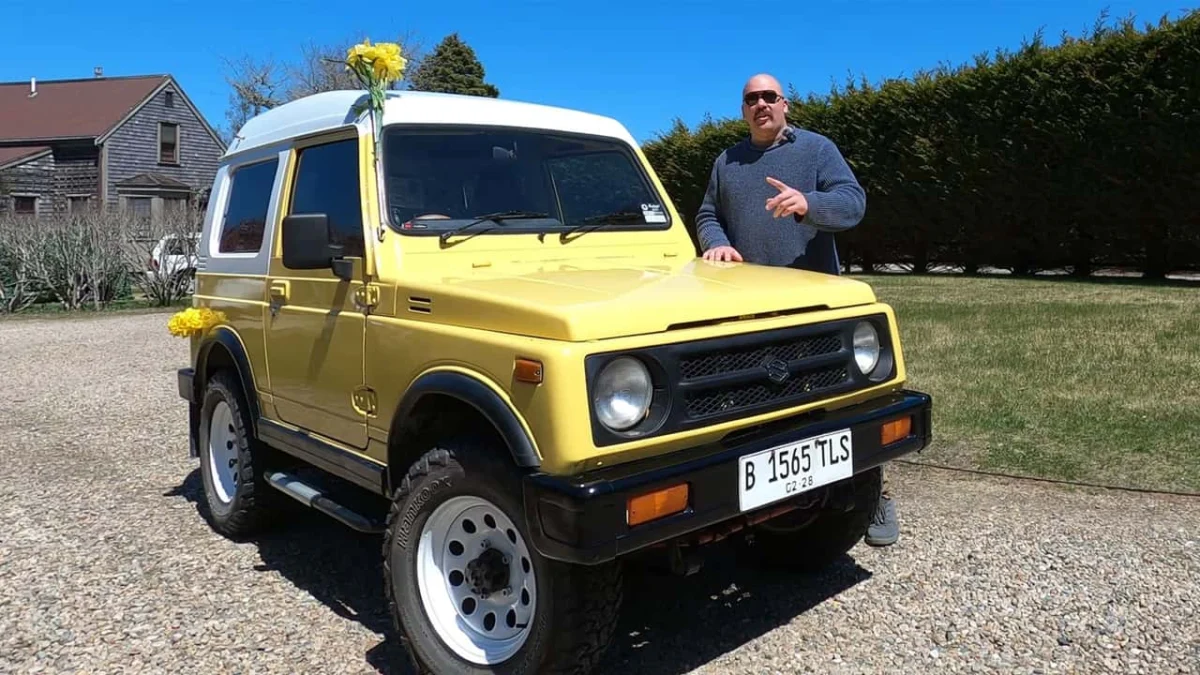
One compelling example of this movement is the recent electric conversion of a 1996 Suzuki Jimny, a compact off-roader also known in some markets as the Suzuki Samurai. The project, documented by YouTuber "Life of Troy," showcases a budget-friendly and surprisingly effective transformation that cost less than $5,000 and was completed in approximately five days. This initiative highlights a growing segment of the automotive aftermarket focused on enabling enthusiasts to undertake their own EV conversions, moving beyond the luxury segment that often garners media attention.
The Genesis of a Low-Cost EV Conversion
The journey began for "Life of Troy" with a personal automotive challenge. After importing his 1996 Suzuki Jimny from Indonesia, the vehicle, a familiar sight in many global markets for its rugged simplicity and off-road prowess, began to present significant mechanical issues. Specifically, the 1.0-liter four-cylinder internal combustion engine experienced a blown head gasket for the second time during his ownership. This recurring problem, coupled with the escalating costs associated with repairing an older vehicle, prompted a serious reevaluation of the Jimny’s future. For many owners of older vehicles, such persistent mechanical failures can quickly transform a cherished possession into a financial drain, leading to the difficult decision of whether to invest further or seek an alternative.
It was during this period of contemplation that the concept of an electric vehicle conversion emerged. The idea, according to Troy’s own accounts, materialized as a practical solution to keep the Jimny on the road without the constant worry of internal combustion engine maladies. The goal was not to create a high-performance EV, but rather a functional, low-speed vehicle suitable for local errands and casual driving. This pragmatic approach is key to understanding the project’s success and its appeal to a broader audience. By setting realistic expectations and focusing on essential functionality, the conversion avoided the complexities and costs associated with performance-oriented EV builds.
A Pragmatic Approach to Electrification
The original 1.0-liter engine in the Suzuki Jimny was rated at approximately 45 horsepower. While modest by modern standards, it was sufficient for the vehicle’s intended purpose. The EV conversion necessitated the removal of this gasoline-powered unit. In its place, a 72-volt direct current (DC) motor from D&D Motor was selected. This motor was directly coupled to the Jimny’s original five-speed manual transmission via a custom-made adapter plate. This crucial component bridges the gap between the electric motor and the existing gearbox, allowing for the retention of the manual shifting capabilities.
While the D&D Motor’s electric motor produces a modest nine horsepower, it compensates for its low peak output with a relatively robust 65 pound-feet of torque. This torque figure is particularly significant, as it provides the necessary grunt for accelerating from a standstill and maintaining momentum at lower speeds. The motor’s impressive affordability, retailing at just $929, further underscores the project’s budget-conscious philosophy. This pricing makes it an attractive option for DIY enthusiasts who are mindful of their investment.
Complementing the electric motor is a 500-amp controller, purchased for $815. This component acts as the brain of the electric powertrain, managing the flow of electricity from the battery to the motor and regulating its speed and torque based on driver input. Additionally, a DC-to-DC converter, sourced from eBay, was integrated to provide the necessary 12-volt power for the vehicle’s original accessories, such as lights and the radio.
Powering the Electric Jimny: Battery and Range Considerations
The heart of the electric powertrain is its energy storage system. For this conversion, "Life of Troy" opted for a 105-amp-hour lithium-iron-phosphate (LiFePO4) battery. This particular battery chemistry is known for its safety, longevity, and ability to withstand deep discharge cycles, making it a popular choice for EV conversions. Notably, this battery was originally designed for golf carts, a testament to the resourceful sourcing of components in DIY EV projects.
The battery pack was strategically located in the rear of the vehicle, occupying the space formerly held by the original gasoline tank. This placement optimizes weight distribution and preserves interior cabin space. With its current configuration, the battery provides a realistic driving range of approximately 20 to 30 miles on a full charge. While this range is not extensive, it is perfectly suited for the intended use case of short, local journeys.
The owner acknowledges that the current battery capacity is a limiting factor in the vehicle’s overall usability. However, he also notes the inherent flexibility of EV conversions: more battery capacity can be added in the future should the need arise, allowing for an extended range without fundamentally altering the core powertrain. Charging is a straightforward process, utilizing a standard 120-volt outlet, and a full recharge takes about five hours. This accessibility to common charging infrastructure further enhances the practicality of the conversion.
Simplified Mechanics and Performance Realities
One of the significant advantages that facilitated this particular conversion was the Jimny’s existing mechanical design. The vehicle did not feature a clutch pedal, and the electric motor was directly coupled to the transmission. While the manual gears are still present and functional, the need for a clutch engagement mechanism was eliminated. Furthermore, the original Jimny lacked vacuum-assisted brakes. This absence of a vacuum pump meant that the conversion did not require the integration of a complex vacuum booster system, a common challenge in electrifying older vehicles with braking systems that rely on engine vacuum. This simplification streamlined the installation process considerably.
In terms of performance, the converted Jimny delivers a driving experience that aligns with its modest specifications. The owner reports reaching speeds of approximately 50 miles per hour. This figure is remarkably close to the original quoted maximum speed of the gasoline-powered Jimny, indicating that the electric motor provides adequate power for highway cruising at lower speeds, albeit without the rapid acceleration of more powerful EVs.
A Growing Trend: Democratizing EV Technology
The success and simplicity of "Life of Troy’s" Suzuki Jimny conversion resonate with a wider community of automotive enthusiasts. The comments sections of his videos are frequently populated with individuals sharing their own similar projects. These range from electrifying ATVs and golf carts to other classic vehicles. The common thread among these projects is the transformative impact of electrification on the usability and appeal of these older machines. By embracing readily available, often repurposed, EV components, these enthusiasts are not only extending the lifespan of their vehicles but also participating in the broader shift towards sustainable transportation.
This DIY movement represents a crucial facet of the electric vehicle revolution. While major automotive manufacturers and specialized conversion companies focus on mass production and high-end offerings, the enthusiast community is proving that electrification can be a more accessible and personalized endeavor. The availability of affordable electric motors, controllers, and battery solutions is empowering individuals to become active participants in the transition to electric mobility, fostering innovation and a deeper understanding of EV technology at the grassroots level.
The Broader Implications of Accessible EV Conversions
The proliferation of these budget-friendly EV conversions carries significant implications for the automotive landscape. Firstly, it offers a viable pathway for preserving classic vehicles that might otherwise be lost due to the prohibitive costs of maintaining aging internal combustion engines. This helps to retain automotive heritage while embracing modern, cleaner technology.
Secondly, it provides a tangible and affordable entry point into electric vehicle ownership for individuals who may not be able to afford a new EV. By leveraging existing vehicle platforms, the cost of entry is drastically reduced, making the benefits of electric propulsion – such as lower running costs and reduced emissions – accessible to a wider demographic.
Furthermore, the innovation fostered within the DIY EV community can often influence the broader automotive industry. As enthusiasts discover novel solutions and cost-effective component integrations, these discoveries can sometimes inspire new product development or alternative approaches for larger manufacturers. The demand for specific types of conversion components, driven by the DIY market, can also lead to increased production volumes and reduced costs for these parts, creating a positive feedback loop.
The case of "Life of Troy’s" Suzuki Jimny is more than just a personal project; it is a microcosm of a growing trend that is democratizing electric vehicle technology. As more resources and information become available, the ability to transform a beloved older car into an eco-friendly electric machine is increasingly within reach, promising a future where classic automotive design and sustainable propulsion can coexist harmoniously. The enthusiasm and ingenuity displayed by individuals like "Life of Troy" are paving the way for a more inclusive and exciting electric future for all car enthusiasts.