The technology landscape continues its relentless march forward, and the past week has been no exception, delivering a cascade of significant announcements, product launches, and policy shifts across various sectors. From the latest cinematic revelations to crucial geopolitical developments impacting global supply chains, and from revolutionary camera systems to the pinnacle of display technology, TechRadar has been at the forefront, capturing every essential detail. For those who may have missed the daily torrent of news, this comprehensive roundup distills the most impactful stories, offering a deeper dive into their context, implications, and the broader trends they signify.
Cinematic Universe Expands with Spider-Man: Brand New Day Tease
One of the week’s most electrifying announcements emerged from CinemaCon 2026 in Las Vegas, where Sony Pictures unveiled the first extended clip of Spider-Man: Brand New Day. This highly anticipated film, slated for a global release on Friday, July 31, has already generated immense buzz following its initial trailer. The extended footage offered attendees a richer glimpse into the narrative, confirming the return of Tom Holland in his iconic role as the web-slinging superhero. Beyond the immediate excitement, industry analysts are keenly dissecting hints within the clip that suggest potential retconning of established Marvel Cinematic Universe (MCU) lore. This development could have far-reaching implications, particularly for the narrative arcs of the next two Avengers movies, which are expected to build upon the current multiversal complexities.
The "Brand New Day" title itself suggests a significant turning point for Peter Parker, possibly signaling a fresh start or a radical shift in his personal and superhero life following the events of previous installments. The speculation surrounding retconning aligns with fan theories and critical discussions about the MCU’s evolving continuity, particularly after the multiversal narrative arcs introduced in recent phases. CinemaCon attendees were also treated to two striking new posters for the film, further fueling anticipation and showcasing diverse artistic interpretations of Spider-Man’s latest adventure. The collaboration between Sony and Marvel Entertainment continues to be a cornerstone of the character’s cinematic success, balancing standalone storytelling with integration into the broader MCU tapestry. The success of Spider-Man: Brand New Day will undoubtedly influence future character developments and the interconnected nature of blockbuster superhero franchises, setting the stage for potential box office records and critical acclaim. The film’s release will be a critical juncture for both studios, demonstrating their ability to innovate within a beloved and established universe while keeping audiences engaged with fresh narratives and unexpected twists.
Navigating Geopolitical Waters: The US Foreign Router Ban and Netgear’s Exemption
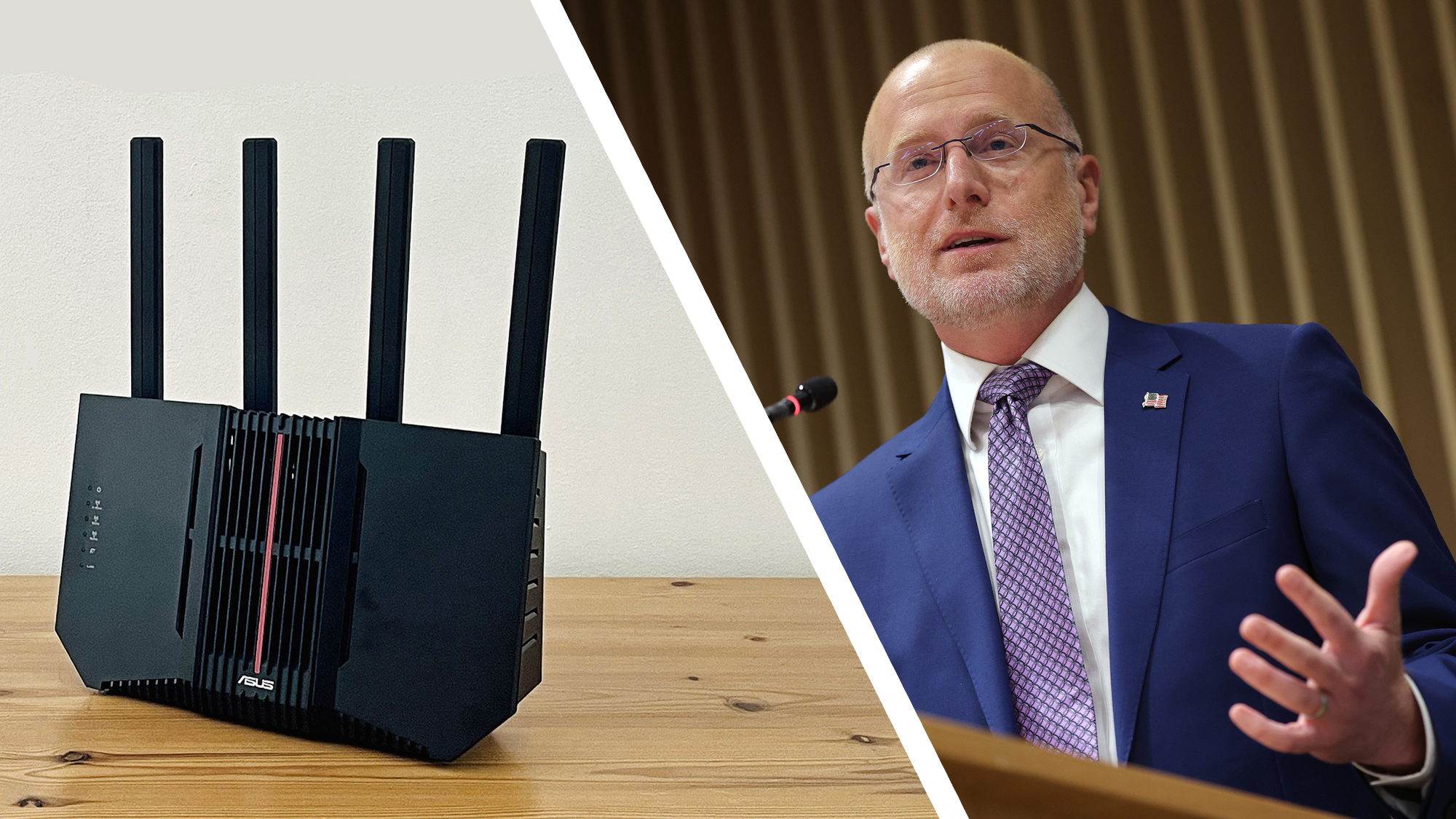
In a development that underscored the intricate relationship between technology and national security, the US administration recently enacted a ban on the launch of new routers manufactured in specific foreign countries. This policy, ostensibly driven by concerns over cybersecurity and the integrity of critical infrastructure, has sent ripples through the global tech industry, raising questions about supply chain diversification and market access. Initially, several major networking hardware manufacturers were expected to be significantly impacted.
However, a notable twist emerged this week with the Federal Communications Commission (FCC) granting an exemption to Netgear, a prominent player in the router market. Netgear confirmed that it had submitted an application detailing its future operational plans and current manufacturing processes, which seemingly aligned with the FCC’s exemption guidelines. These guidelines are understood to consider a company’s commitment to shifting production, enhancing security protocols, or demonstrating a clear separation from the national security concerns that prompted the ban. While the FCC’s decision offers a lifeline to Netgear, it also highlights the complex and sometimes opaque nature of such regulatory rulings. Critics argue that the ban, and its subsequent exemptions, create an uneven playing field, potentially stifling competition and innovation while disproportionately affecting companies with diverse international manufacturing footprints. The broader implications include a potential acceleration of manufacturing shifts to the US or allied nations, increased costs for consumers as supply chains adjust, and ongoing debates about the balance between national security and global trade. This saga serves as a compelling case study in how geopolitical tensions can directly reshape the consumer electronics market and force multinational corporations to re-evaluate their operational strategies. The decision will likely be scrutinized by other manufacturers hoping to secure similar exemptions, adding another layer of complexity to an already contentious policy.
Amazon’s Fire TV Ecosystem Receives Major Overhaul and Expansion
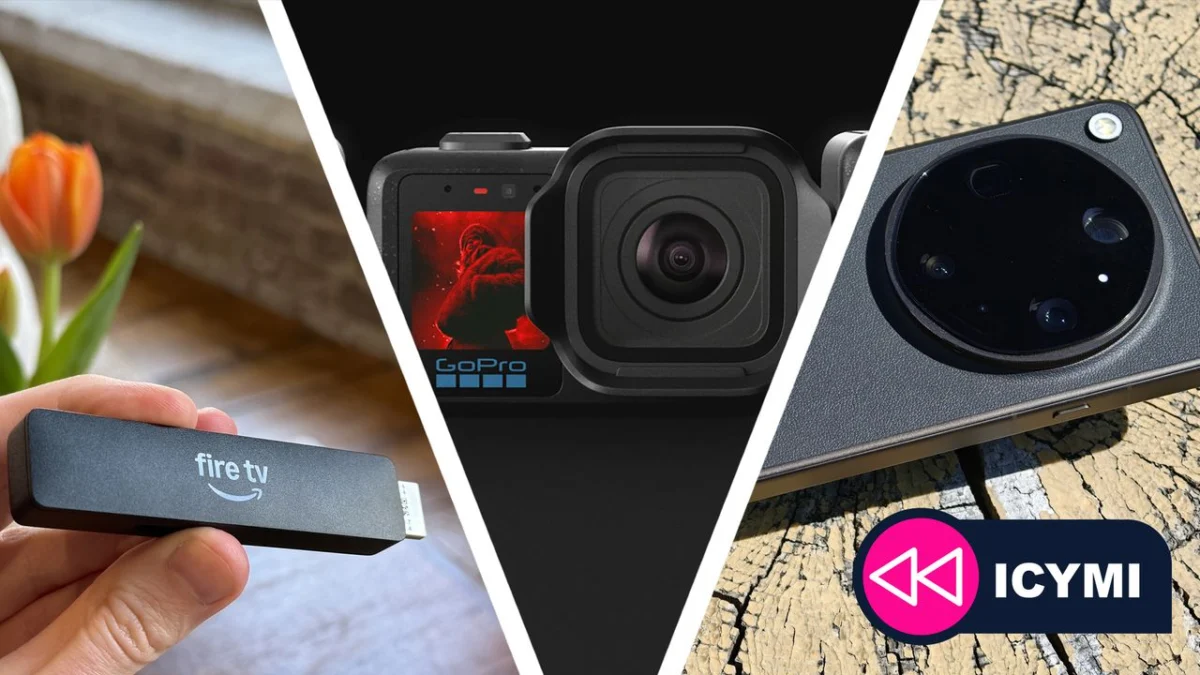
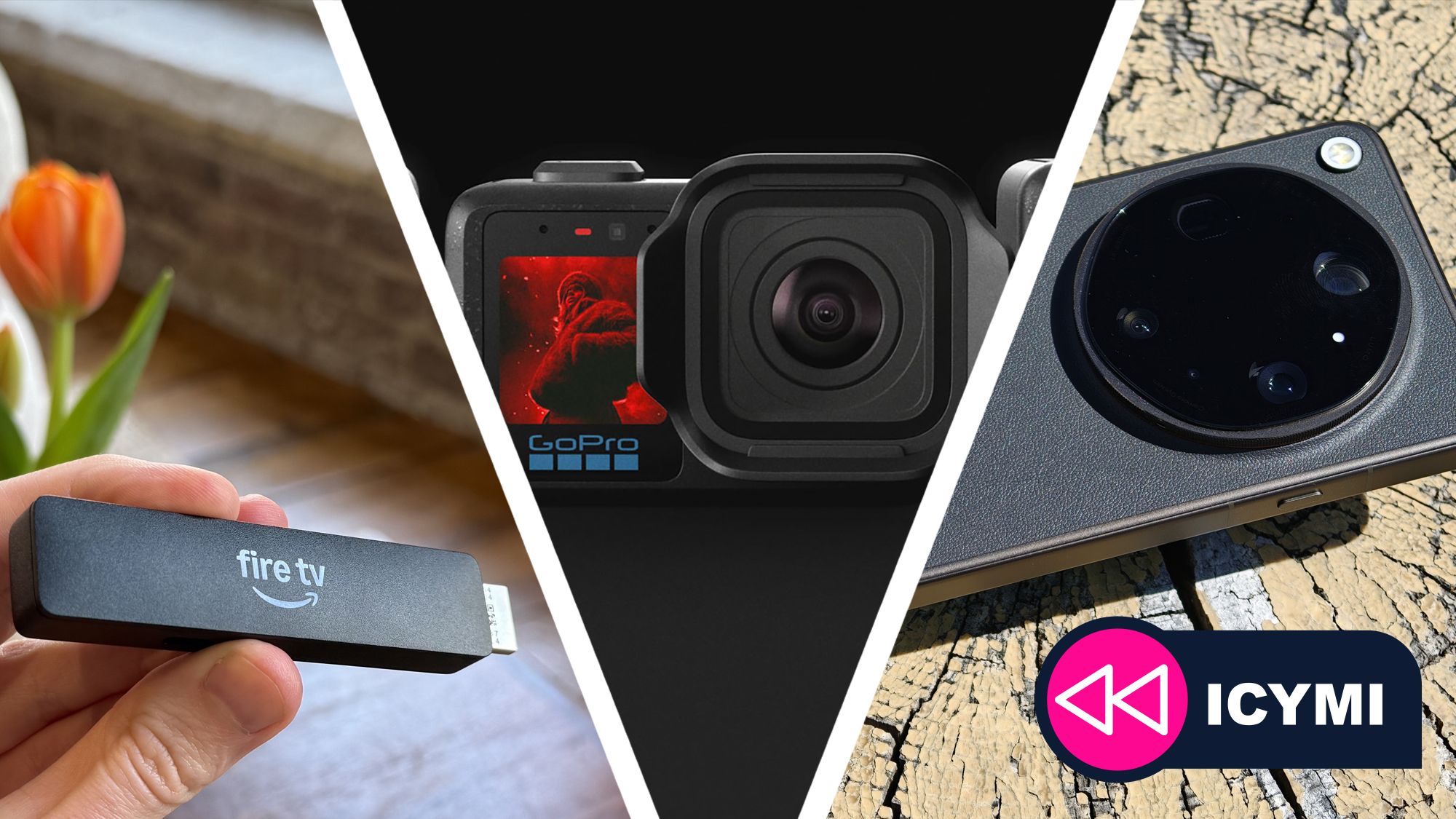
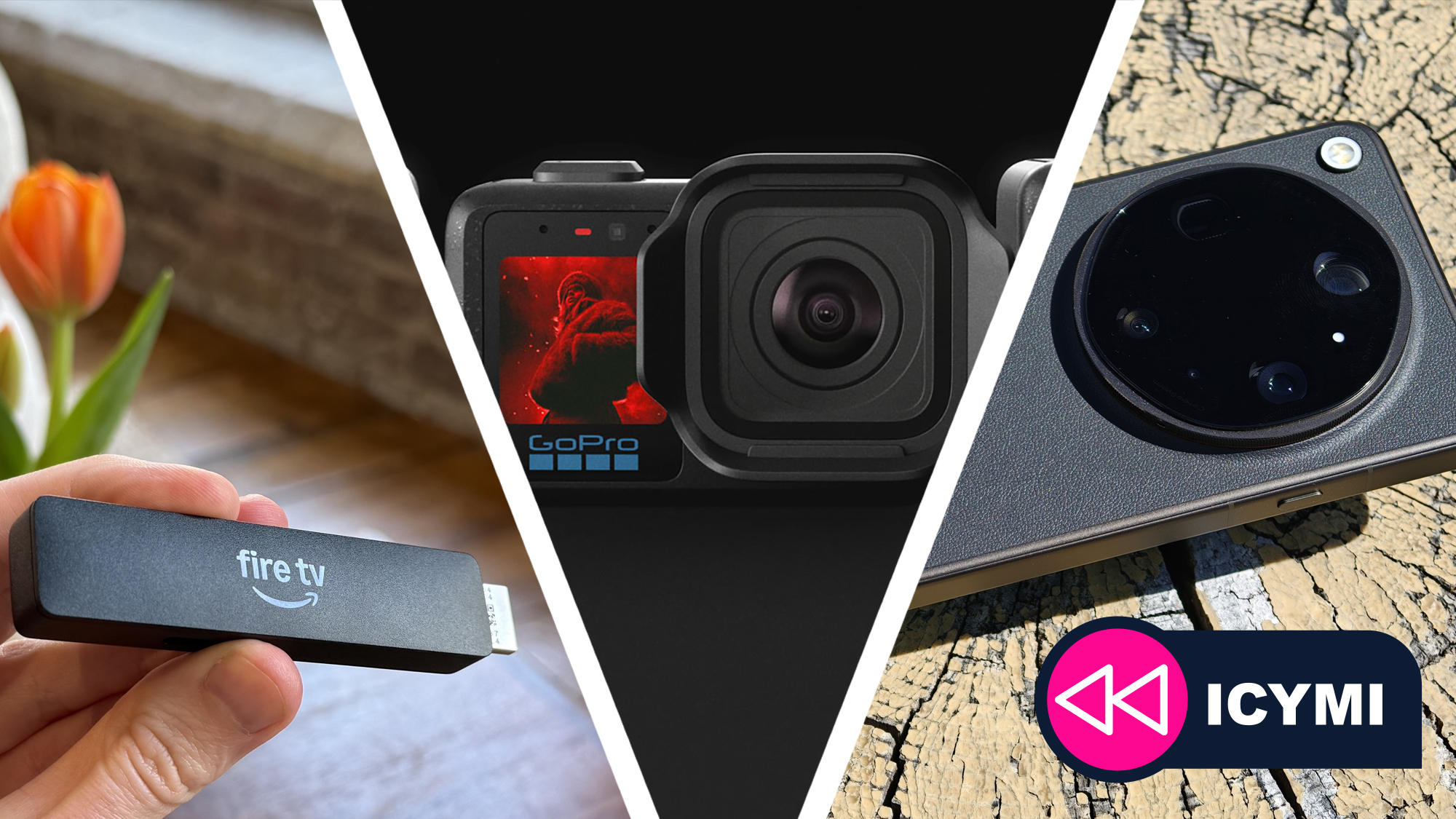
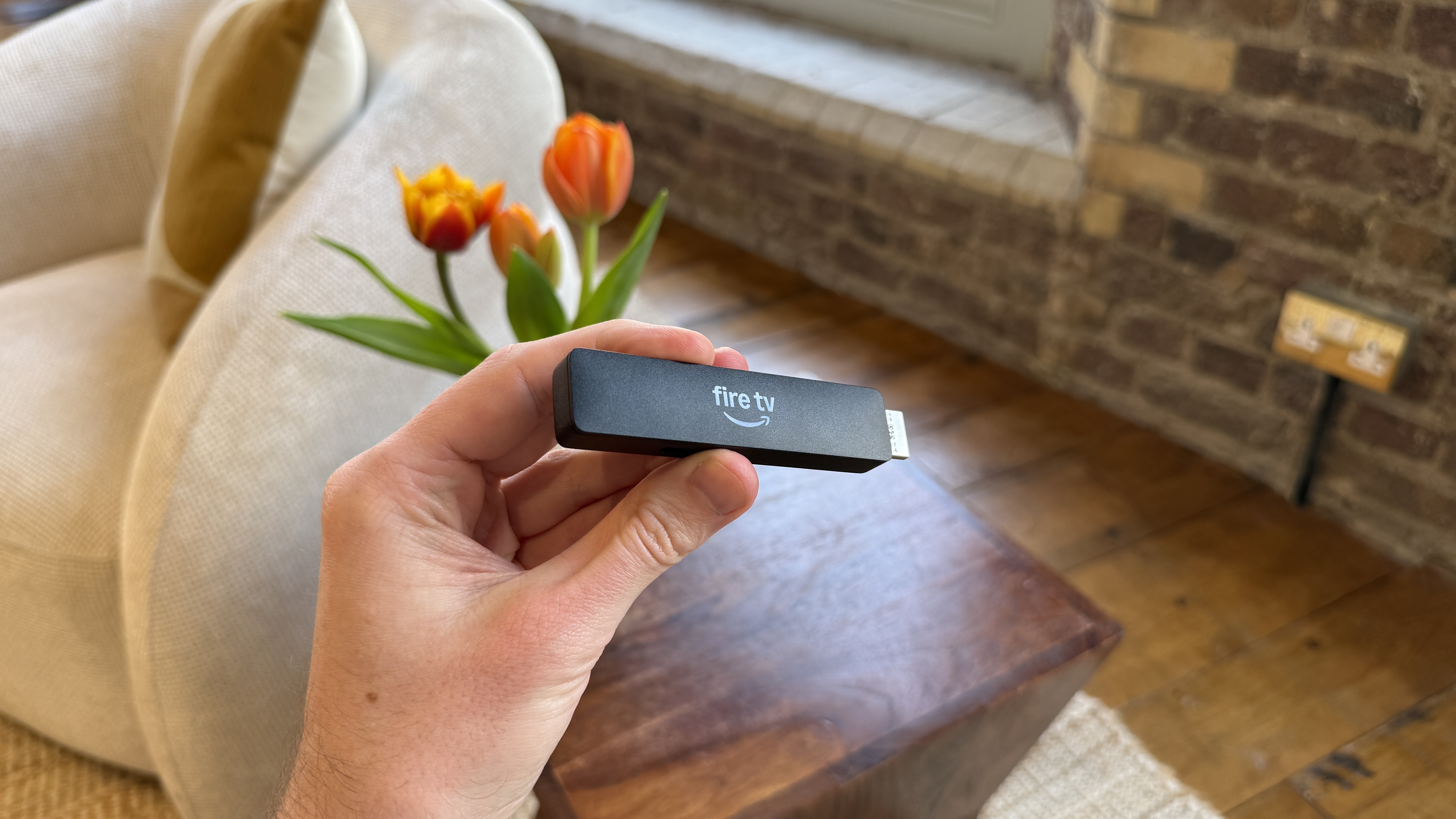
Amazon, a dominant force in the streaming media landscape, delivered a significant volley of updates to its Fire TV ecosystem this week, signaling an aggressive push to enhance user experience and expand content offerings. The headline hardware announcement was the introduction of a slimmer version of the popular Fire TV Stick HD. This new iteration promises a more discreet form factor, potentially making it easier to integrate into various home entertainment setups, while likely maintaining or improving upon the performance metrics of its predecessor. The physical redesign is often accompanied by internal optimizations, suggesting faster navigation and more efficient streaming capabilities.
Alongside the hardware refresh, Amazon announced a comprehensive interface revamp for all Fire TV devices. This software update is designed with a singular goal: to help users discover and access content more rapidly and intuitively. Key improvements are expected in category selections, personalized recommendations, and overall navigation fluidity, addressing common user frustrations with content discovery in an increasingly saturated streaming market. This strategic move aims to solidify Fire TV’s competitive edge against rivals like Roku and Google TV, which are constantly innovating their own user interfaces.
Perhaps the most impactful strategic development is the rollout of Fire TV Channels. These new channels will be entirely free and ad-supported, offering a diverse array of content spanning news, comedy, cooking, and travel. The international launch of these channels by the end of the month marks Amazon’s deeper foray into the free, ad-supported streaming television (FAST) market, a rapidly growing segment. By providing free content, Amazon aims to attract a broader audience, enhance engagement within its ecosystem, and create new monetization opportunities through advertising. This move positions Amazon not just as a hardware provider, but as a significant content aggregator and distributor, further blurring the lines between traditional broadcasting and streaming services. The expansion into FAST channels directly challenges the strategies of competitors and reflects a broader industry trend towards hybrid content models that combine subscription services with free, ad-supported options. This comprehensive overhaul underscores Amazon’s commitment to maintaining and expanding its foothold in the highly competitive home entertainment sector.

Oppo Redefines Smartphone Aesthetics with the Find X9 Ultra
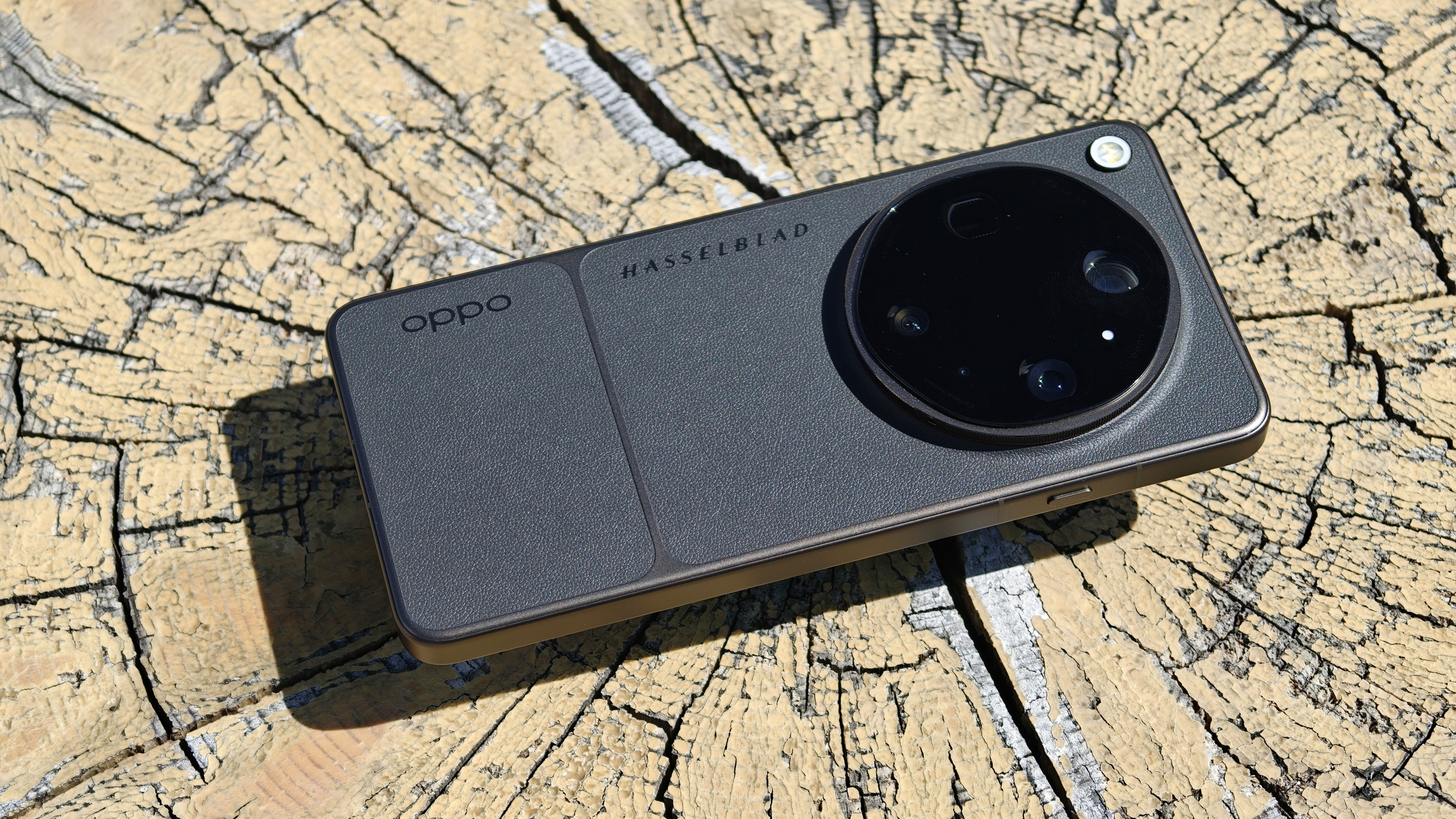
In the competitive world of premium smartphones, where design innovation can often feel incremental, Oppo has thrown down a gauntlet with the upcoming Find X9 Ultra. TechRadar had an exclusive early look at the device, and the initial assessment is unequivocal: this phone could genuinely claim the title of "the most beautiful phone of 2026." The Find X9 Ultra’s striking aesthetics are directly inspired by the Hasselblad X2D camera, a nod to Oppo’s ongoing collaboration with the iconic photography brand. This partnership extends beyond branding, influencing the phone’s sophisticated design language, materials, and overall tactile experience.
The design philosophy emphasizes elegance and functionality, featuring premium finishes and an ergonomic form factor that challenges conventional smartphone design norms. The influence of Hasselblad is evident not only in the camera module’s appearance but also in the meticulous attention to detail across the device. While a full reveal, including comprehensive specifications, pricing, and availability, is slated for next week, initial details confirm a formidable camera system. The Find X9 Ultra will boast twin 200MP cameras, offering unprecedented resolution and detail capture for mobile photography. Complementing this is an impressive 10x optical zoom, pushing the boundaries of what’s achievable with a smartphone camera and promising exceptional clarity even at extended focal lengths.
This level of photographic prowess, combined with the premium design, positions the Find X9 Ultra as a direct competitor to flagship devices from Apple, Samsung, and Google. It represents Oppo’s ambition to lead not just in technological specifications but also in design excellence, appealing to users who prioritize both form and function. The integration of advanced computational photography with high-resolution sensors and optical zoom capabilities suggests a device capable of challenging dedicated compact cameras. The upcoming full reveal will undoubtedly shed more light on the internal specifications, including processor, display technology, and battery life, which are expected to be equally cutting-edge. Oppo’s continued investment in innovative design and camera technology underscores a broader industry trend where smartphones are increasingly becoming sophisticated creative tools, blurring the lines between consumer electronics and professional-grade equipment.
DJI Unleashes the Osmo Pocket 4: A Vlogging Powerhouse
After months of swirling rumors and eager anticipation within the content creation community, DJI officially unveiled the Osmo Pocket 4, a significant upgrade that looks set to redefine the portable vlogging camera segment. Building upon the success of its predecessor, the Pocket 3, the latest iteration introduces a host of enhancements designed to appeal to both seasoned professionals and aspiring creators. DJI, a company synonymous with drone technology and cinematic stabilization, has steadily carved out a niche in handheld cameras, and the Pocket 4 represents a maturation of this product line.
The device boasts seven key upgrades that significantly boost its capabilities. Foremost among these is a new 4K sensor, delivering superior image quality, improved low-light performance, and richer detail in both photos and videos. This is complemented by enhanced color handling, ensuring more accurate and vibrant reproductions of real-world hues. For dynamic storytelling, the Osmo Pocket 4 introduces an impressive 8x slow-motion mode in full 4K resolution, allowing creators to capture dramatic, high-fidelity cinematic effects. The subject tracking technology has also seen marked improvements, offering more precise and reliable auto-focus and framing, essential for solo vloggers or fast-moving action shots.
Beyond the technical specifications, DJI has implemented welcome design tweaks that enhance usability and ergonomics, making the device more comfortable to handle during extended shooting sessions. A crucial upgrade for creators on the go is the higher capacity battery, which promises extended recording times between charges, addressing a common pain point for portable devices. These combined improvements position the Osmo Pocket 4 as a formidable tool for capturing high-quality video in a compact, stabilized package. It directly competes with other action cameras and even some mirrorless setups for creators prioritizing portability and ease of use. The Osmo Pocket 4 underscores DJI’s commitment to providing accessible, professional-grade tools for the burgeoning creator economy, further solidifying its position in the competitive market for vlogging and action cameras.
GoPro Reimagines Action Cameras with the Professional Mission Series
For a brand that once dominated the action camera market, GoPro has maintained a relatively low profile in recent times, leading some to question its future trajectory. However, this week marked a dramatic return to form with the launch of three new models under the "Mission" series, signaling a significant strategic shift towards the professional videography and photography segments. This new line represents a clear departure from GoPro’s traditional consumer-focused HERO series, aiming to capture a more demanding, high-end market.
The flagship of the new lineup is the Mission 1 Pro ILS, an innovation that could reshape expectations for action cameras. Critically, this model supports a Micro Four Thirds (MFT) lens mount, making it compatible with hundreds of existing professional-grade lenses. This move dramatically expands the creative possibilities for videographers, allowing them to leverage their existing lens investments and achieve unparalleled optical flexibility, depth of field control, and low-light performance in an action camera form factor. This lens interchangeability places the Mission 1 Pro ILS in direct competition with smaller cinema cameras and mirrorless systems, rather than just other action cameras.
Accompanying the ILS model are the Mission 1 and Mission 1 Pro, which also boast impressive specifications. All three cameras feature a new 1-inch 50MP sensor, a substantial upgrade that promises superior image quality, dynamic range, and low-light capabilities compared to previous GoPro generations. Furthermore, the entire Mission series is capable of recording breathtaking 8K video, offering immense resolution for professional post-production workflows and future-proofing content. While specific pricing details are yet to be fully revealed, pre-orders are set to open on May 21, indicating a rapid market deployment. This bold pivot by GoPro, targeting serious videographers with professional features and lens flexibility, suggests a renewed ambition to reclaim its innovative edge and potentially disrupt the prosumer and professional video equipment markets. The question remains: can GoPro successfully transition from its extreme sports roots to a more sophisticated, creative tool for discerning professionals? Early indications suggest a compelling argument.
LG’s G6 OLED TV Sets a New Standard in Home Entertainment
For years, LG has consistently held a leading, often top, position in TechRadar’s rankings for the best OLED TVs, setting industry benchmarks for picture quality and innovation. This week, the company reinforced its dominance with the launch of the LG G6 OLED TV, the new flagship for 2026. After an intensive three-week evaluation period, TechRadar’s experts confirmed that the G6 not only meets but significantly exceeds the high expectations set by its predecessors, establishing a new pinnacle for home viewing experiences.
The LG G6 builds upon the already exceptional foundation of the LG G5, delivering across multiple critical performance metrics. In terms of picture quality, the G6 showcases enhanced contrast, deeper blacks, and more vibrant colors, largely due to advancements in OLED panel technology and processing algorithms. The improvement in reflection reduction is particularly noteworthy, allowing for a more immersive viewing experience even in brightly lit environments, a common challenge for many high-end displays. Gaming performance has also seen substantial upgrades, with reduced input lag, higher refresh rates, and advanced gaming features making it an ideal choice for serious gamers.
The G6’s color reproduction is lauded for its accuracy and fidelity, rendering content as intended by creators. This is coupled with superior performance in bright rooms, addressing one of the traditional criticisms of OLED technology compared to high-brightness LED panels. These collective improvements solidify the LG G6’s position as a premium television, justifying its likely high price point for discerning consumers. The G6’s innovations signal a continued push in display technology, demonstrating how incremental advancements in panel design, processing power, and software optimization can lead to profoundly better viewing experiences. This flagship TV not only serves as a benchmark for LG but also raises the bar for the entire television industry, challenging competitors to innovate further in their pursuit of the ultimate home entertainment display. The G6 embodies the ongoing evolution of OLED, promising unparalleled visual fidelity and a truly cinematic experience in the comfort of one’s home.

The week’s news underscores a dynamic and evolving tech landscape, where established players are reinventing themselves, cinematic universes are expanding with intriguing twists, and geopolitical factors are increasingly influencing technological supply chains. From the intricate details of a new Spider-Man narrative to the professional ambitions of GoPro, the innovative designs of Oppo, and the superior display technology of LG, consumers and industry professionals alike have much to anticipate. These developments not only shape current market trends but also lay the groundwork for future innovations that will continue to integrate technology more deeply into our daily lives.