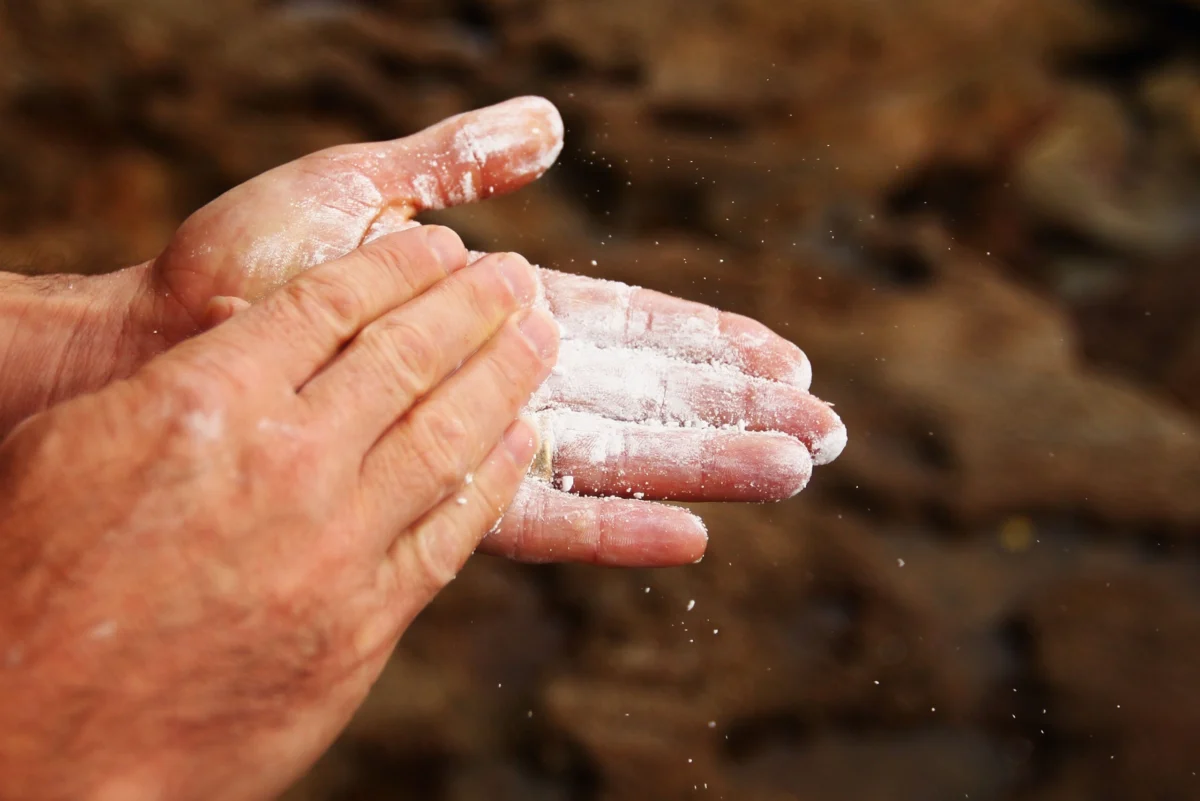
A Los Angeles-based startup, NutriHacks, has introduced a novel climbing accessory that aims to revolutionize how athletes approach their sport: Protein Chalk. Launched in January 2026, this innovative product is a half-kilogram bag of chalk formulated with plant-based protein, designed to serve a dual purpose: enhancing grip and contributing to climbers’ daily protein intake, while simultaneously addressing concerns about the respiratory health impacts of traditional chalk. The company, co-founded by sisters Lucy and Ella Deril, positions Protein Chalk as a solution to an often-overlooked aspect of climbing – the inadvertent inhalation of magnesium carbonate.
The Genesis of a Protein-Powered Grip Enhancer
The concept for Protein Chalk emerged from the personal experiences and scientific backgrounds of its creators. Lucy Deril, a 26-year-old food science graduate, and her older sister, Ella Deril, both active participants in the fitness and climbing communities for the past six years, identified a unique opportunity. Their journey in climbing began at Cliffs of Id in Culver City, where they, like many others, became intimately familiar with the ubiquitous presence of chalk.
"When you’re at the gym, you’re obviously inhaling chalk all the time," explained Lucy Deril in a statement. "If you’re going to inadvertently inhale chalk, you might as well hit your macros." This pragmatic outlook, coupled with Ella’s complementary perspective, formed the core philosophy behind NutriHacks. "As athletes, it’s important to us to optimize everything that goes into our body for performance," Lucy elaborated. "We have protein shakes, protein pizza, and protein ice cream, but it’s still extremely difficult to hit the recommended protein amounts each day, especially as a woman. So why not support your nutrition goals with every opportunity you have?"
The development of Protein Chalk was guided by stringent nutritional and safety standards. The product boasts an impressive 83% plant-based protein content with no added sugars. It is also formulated to be biodegradable, non-GMO, gluten-free, dairy-free, and USDA-certified organic. The founders claim a shelf life of three years when stored properly in its plastic packaging, and crucially, it is 100% edible.
Addressing Respiratory Concerns in Climbing
Beyond its nutritional attributes, Protein Chalk is presented as a safer alternative to traditional magnesium carbonate chalk, particularly concerning its impact on respiratory health. For years, climbers and health professionals have voiced concerns about the potential long-term effects of inhaling fine chalk particles. While magnesium carbonate has been a staple in climbing for its moisture-wicking and grip-enhancing properties, its airborne nature has raised questions about its effects on the lungs.
A significant study published in 2025 by the Czech Academy of Sciences shed more light on this issue. Over a six-month period, researchers monitored the respiratory health of climbers who engaged in bouldering at indoor gyms for at least two hours per week, without using respiratory protection. The findings indicated that the average climber inadvertently inhales approximately one milligram of magnesium carbonate particulate matter per cubic meter per hour. This level is nearly double the U.S. Workplace Exposure Limit of 0.5 milligrams per cubic meter per hour. The study further revealed that during longer sessions, such as four-hour climbing workouts, the inhaled particulate matter could increase to as much as two milligrams per cubic meter. These statistics underscore the potential for significant airborne exposure in regular climbing environments.
NutriHacks claims that Protein Chalk mitigates these risks due to its distinct molecular structure. According to the company, the particulates in Protein Chalk are designed to be larger and less prone to prolonged suspension in the air compared to traditional chalk. "Protein Chalk won’t stay floating in the air forever like regular chalk does," stated Lucy Deril. "And if it does, it won’t get stuck in your lungs. A heavier particle means that you still get the friction you need, but instead of hurting you, it will actually assist in the stimulation of muscle mass over time." This assertion suggests that the chalk’s physical properties, rather than its chemical composition, are key to its perceived respiratory benefits.
A Dual Benefit: Performance and Health
The Deril sisters envision Protein Chalk as a product that not only aids in climbing performance but also contributes to the overall health and nutritional goals of athletes. Their rationale extends to the practicalities of gym management.
"The founders also say that their product is, at its core, designed to address an unavoidable side effect of climbing: the accidental inhalation of chalk," the initial report noted. Lucy Deril further elaborated on the potential benefits for belayers, who are often positioned below climbers and thus more directly exposed to falling chalk. "With Protein Chalk, belayers won’t have to worry about dodging falling chalk particles from their climbers above: If they swallow any protein chalk, it’ll just come back as gains."
The implications for climbing gyms could be substantial. Ella Deril suggested that widespread adoption of Protein Chalk could alleviate concerns about gym ventilation systems and the need for aggressive cleaning protocols. "Eventually, once everybody is using protein chalk, gyms won’t have to worry about ventilation or aggressive vacuuming," she stated. "The potential savings for gym owners will be quite literally life-changing." This perspective highlights the economic and operational advantages that could accompany a shift towards such an innovative product.
Initial User Feedback and Unanswered Questions
To assess the efficacy of Protein Chalk in its primary function – providing grip for climbing – a product sample was tested in a controlled gym environment. The initial user experience revealed several key observations. The chalk was noted for its softness and fine grains, which appeared to offer greater coverage on the hands with each application compared to conventional chalk. It reportedly performed well on various indoor climbing holds.
However, the testing also identified some drawbacks. A distinct clumping effect was observed on the hands, particularly as sweat levels increased. Additionally, a persistent vanilla scent was noted, which may be a consideration for users sensitive to fragrances.
Following this initial testing, feedback was provided to Ella Deril. In a brief exchange, the tester humorously queried, "It’s not like this is just protein powder marketed as chalk, right?" Before Ella could offer a response, the phone call reportedly dropped. Since that interaction, Climbing magazine has stated that it has been unable to re-establish contact with the Deril sisters through various communication channels, including email, phone, and text. This lack of follow-up leaves certain performance aspects and long-term product development details open to speculation.
The Broader Implications and Future Outlook
The introduction of Protein Chalk by NutriHacks represents a bold step into a niche market, attempting to blend nutritional science with athletic equipment. If the claims regarding respiratory benefits hold true and are substantiated by further independent research, the product could have a significant impact on the climbing industry. The potential to reduce airborne particulate matter in gyms and contribute to climbers’ nutritional intake simultaneously offers a compelling value proposition.
The company’s emphasis on plant-based ingredients and organic certification also aligns with growing consumer trends towards health-conscious and sustainable products. As the fitness industry continues to innovate, products that offer multifaceted benefits are likely to gain traction. The success of Protein Chalk will ultimately depend on its ability to deliver consistent grip performance, validate its health claims through rigorous scientific study, and overcome any user-specific concerns, such as the reported clumping and scent.
The silence from NutriHacks following the initial product introduction and testing raises questions about the company’s immediate future and its capacity for ongoing communication and product refinement. Nevertheless, the concept itself has undeniably sparked conversation and demonstrated a forward-thinking approach to addressing the often-unseen challenges of athletic pursuits. The climbing community will be watching to see if Protein Chalk can live up to its ambitious promises and become a staple in climbing bags worldwide.