The often-overlooked aspect of groom preparation photography warrants a dedicated approach, mirroring the attention given to bridal preparations to ensure a complete and emotionally resonant wedding gallery. This segment of the wedding day, typically relegated to a fraction of the time and creative energy, holds immense potential for capturing genuine emotion, striking portraits, and compelling narrative images. By applying intentionality and strategic planning, photographers can elevate groom prep coverage from a perfunctory task to a vital component of wedding storytelling. This guide, drawing from extensive experience, outlines a systematic approach to capturing the groom’s journey from the moments before the ceremony to the commencement of groomsmen portraits, emphasizing proactive preparation and creative execution.
Understanding the Nuances of Groom Preparation
Historically, wedding photography coverage has disproportionately focused on the bride’s preparations, leaving the groom’s getting-ready moments to be perceived as less critical or less photogenic. However, this perspective fails to acknowledge the inherent emotional weight and visual storytelling opportunities present in the groom’s experience. From the camaraderie with his groomsmen to the quiet contemplation before a life-altering commitment, these moments are rich with potential for authentic connection and powerful imagery. Renowned photography studio Lin and Jirsa Photography, with hundreds of weddings under their belt, has developed a refined methodology for maximizing this coverage, whether it takes place in luxurious hotel suites, intimate backyard casitas, exclusive golf club locker rooms, or the quintessential garage-adjacent man cave. This guide distills their proven strategies into actionable advice.

Proactive Planning: Uncovering What Truly Matters to the Groom
The cornerstone of exceptional groom preparation photography lies in pre-wedding consultation. A critical step, often underestimated, involves a direct conversation with the groom to identify individuals and items of profound personal significance. During the planning call or through a detailed questionnaire, posing specific questions such as, "Is there anything or anyone that holds particular importance to you on this wedding day that I should be aware of?" can unlock invaluable insights. These answers directly inform the photographer’s approach, transforming a potentially generic session into a deeply personalized narrative.
For instance, a groom might reveal his intention to wear his grandfather’s cherished watch, a detail that can be beautifully incorporated into the imagery. Another might express a desire for a portrait with his father, who is traveling from afar, highlighting a significant familial bond. Some grooms may share unique pre-ceremony rituals with their groomsmen – a specific toast, a traditional card game, or a shared tradition from their alma mater. These seemingly small details, invisible to an uninitiated observer, are precisely what imbue the final gallery with a level of personal resonance that surpasses even the most technically perfect posed portrait.
Furthermore, this dialogue serves as an invaluable indicator of the groom’s personal investment in his preparation coverage. Some grooms are genuinely enthusiastic about documenting these moments, while others may be more passive, anticipating the ceremony and reception. Understanding this spectrum allows photographers to calibrate their time, direction, and creative energy accordingly, ensuring that resources are allocated effectively without sacrificing quality or depth. This upfront understanding prevents disappointment and ensures that the photographic output aligns with the groom’s expectations and priorities.

Optimizing the Environment: The Art of the Pre-Shoot Reset
The reality of groom preparation spaces often presents a stark contrast to the meticulously curated environments of bridal suites. Hotel rooms, particularly those hosting a group of groomsmen, can quickly become repositories of scattered clothing, discarded beverage containers, and general disarray. While this is a natural consequence of the celebratory atmosphere, it necessitates a proactive approach to environmental management before the camera begins to roll.
A simple, yet highly effective, strategy is to dedicate a few minutes to "resetting" the immediate shooting area. This involves discreetly relocating items that would detract from the composition – moving dry-cleaning bags from chairs, clearing nightstands of bottles, and tidying surfaces. If a bed is in the background, straightening the linens can significantly improve the aesthetic. A polite request to a groomsman to gather empty cups or to ensure the room is reasonably tidy upon arrival, perhaps prefaced by a brief email or text reminder a day or two prior, can preemptively address much of the potential clutter. Even a simple request to the hotel for room servicing before the photographer’s arrival can make a substantial difference.
While achieving an immaculate environment may not always be feasible, these minor adjustments are instrumental. They not only save considerable post-production time by minimizing the need for digital cleanup but also allow the photographer to focus on the interplay of light and emotion rather than contending with distracting elements. This intentionality in environmental management demonstrates professionalism and respect for the photographic process, ultimately contributing to a more polished and impactful final collection of images.

The Foundation of the Gallery: Capturing Essential Details
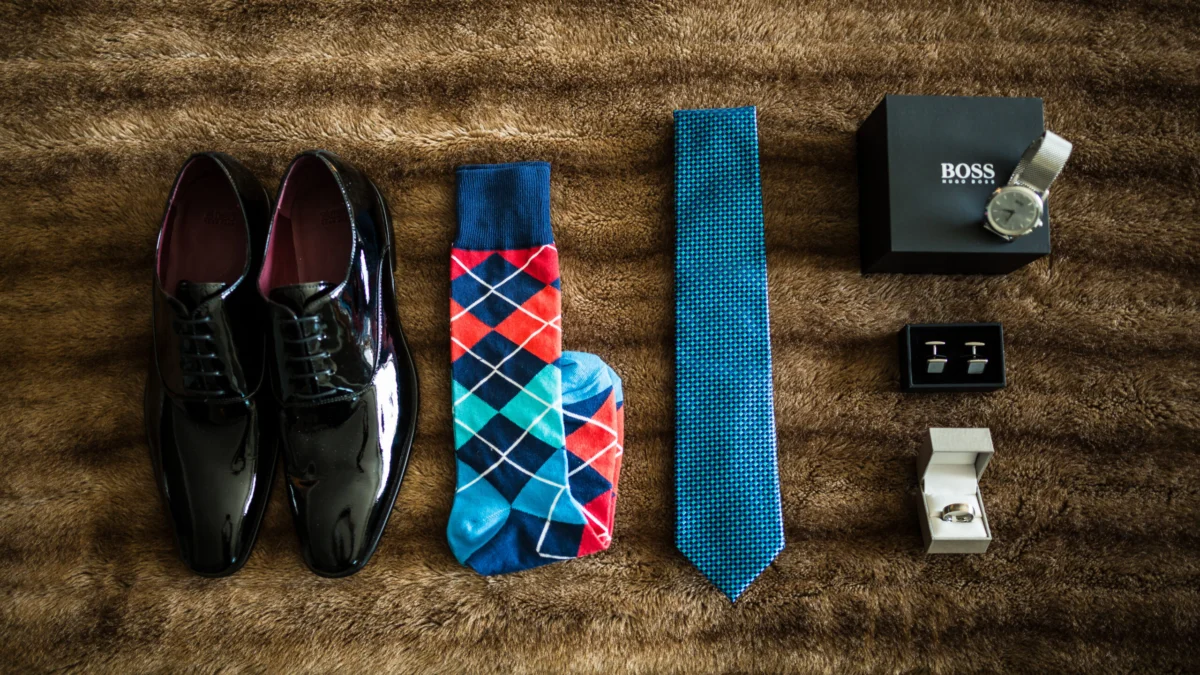
Similar to bridal preparations, the meticulous capture of the groom’s details forms a crucial visual foundation for the wedding album and gallery. This element provides essential variety and pacing, bridging the gap between candid moments and formal portraits. It is imperative that these details are documented early in the process, ideally before items are used, misplaced, or integrated into the attire.
The photographer should liaunt with the groom to ensure that all pertinent items – the suit or tuxedo, shoes, watch, cufflinks, tie, boutonniere, and any sentimental accessories – are gathered in one accessible location prior to the photographer’s arrival. While grooms may not always prioritize detail shots with the same fervor as brides, these images serve a vital narrative purpose. They offer a tangible representation of the groom’s ensemble and personal style, contributing to the overall storytelling arc of the day.
Even if not explicitly requested, dedicating a few minutes to photographing two or three well-composed shots of key details, such as the watch, shoes, or jacket, can significantly enhance the final gallery. These images, often presented as a flat lay, require a surface with appealing texture – a polished wooden desk, crisp white bed linens, or a supple leather chair. Natural light, ideally from a window, yields the most flattering results. Shooting from directly overhead at an aperture of f/4 to f/5.6 ensures that the entire arrangement remains sharp, while a tight composition, where the items fill the frame, prevents a sense of emptiness. This attention to detail not only adds visual richness but also demonstrates a comprehensive approach to documenting the wedding day.

The Power of Connection: Identifying and Engaging VIPs
A critical element of successful groom preparation photography is the early identification and active engagement of "Very Important Persons" (VIPs) within the groom’s circle. These typically include the best man, brothers, father, and any groomsmen with a particularly long-standing or significant relationship with the groom. Gathering this information during the pre-wedding consultation is paramount.
Upon arrival, taking the time to personally introduce oneself to each VIP by name can dramatically alter the dynamic of interactions throughout the day. This small gesture fosters a sense of recognition and respect, making these individuals more receptive to the photographer’s requests and guidance.
Incorporating VIPs into the preparation coverage is a strategic blend of logistical planning and subtle direction. It is beneficial to inform them early on about specific moments when their presence will be required – such as when the jacket is being put on, the tie is being adjusted, or a toast is being made. When individuals understand that they will be called upon, they are more likely to remain present and engaged, rather than drifting away or becoming engrossed in their mobile devices.

Many of the most impactful preparation moments involving VIPs – a groomsman assisting with a tie, a father helping with the jacket, or groomsmen gathering for a celebratory toast – are inherently re-enactable. If the groom is already dressed upon the photographer’s arrival, a brief, natural-looking recreation of these key interactions can provide the essential relational coverage needed for the album. These moments, captured in a short burst, appear authentic on camera and are invaluable for illustrating the groom’s connections with his closest male companions. The notion of technically re-enacting a fleeting moment of assistance or camaraderie is rarely perceived as artificial by the subjects or viewers.
Crafting Individual Narratives: The Groom’s Portraiture
Following the assisted preparation moments, dedicating time to individual groom portraits is essential. The objective is to leverage the best available light in the room, ideally emanating from a large window, and to position the groom against a clean, uncluttered background. This focused portrait session should be approached systematically, working through a concise sequence before transitioning to group dynamics.
A common challenge in male portraiture is the tendency for subjects to appear stiff or awkward when their hands are idle. To circumvent this, incorporating simple, natural actions like adjusting a tie, straightening cufflinks, or fastening a watch provides the groom with a purposeful activity. These small gestures lend a sense of naturalism and engagement to the portraits, transforming a static pose into a dynamic moment. The camera readily perceives the difference between a groom passively standing and one actively attending to his attire.

Deliberately varying the groom’s expression and eye direction is key to creating a diverse set of portraits. Aim for at least one frame where the groom looks directly into the lens, conveying confidence and directness. Another should capture him looking off to the side, perhaps at a specific point of interest or a person, rather than a generic "look away." A natural smile, often elicited through conversation rather than a direct request, adds warmth and personality. A genuine laugh, captured spontaneously, invariably produces a more compelling image than a forced smile.
Showcasing two or three of these strong individual portraits on the back of the camera after the session can have a significant psychological impact on the groom. Seeing himself captured in a flattering light early in the day can boost his confidence and relax him for subsequent photographic encounters. Grooms who feel assured about their portrayal are generally more at ease and cooperative throughout the remainder of the wedding day, leading to more successful portrait sessions across the board.
When it comes to lighting, a crucial consideration is the avoidance of mixed light sources within the same frame, particularly the clash between warm tungsten lamp light and cooler natural window light or flash. This color temperature conflict can result in muddy, uneven tones that are challenging to correct in post-production. The photographer must make a clear decision: either draw the curtains and rely on flash as the primary light source, or turn off the room lamps and exclusively utilize natural window light. For those seeking to master the art of blending disparate light sources, specialized techniques and guidance are available.
Catalyzing Interaction: Directing Action When Energy Wanes

Groom preparation environments often oscillate between two extremes: an atmosphere of boisterous, almost chaotic energy, or a subdued, perhaps slightly nervous stillness where individuals may seem unsure of how to occupy their time. The former offers ample opportunities for candid capture, while the latter necessitates proactive direction to generate engaging moments.
Understanding the groom’s pre-planned activities for the morning is vital. If a group toast, gift exchange, or a specific tradition has been arranged, the photographer should structure their schedule to be present and ready to document these events as they unfold. If no specific activities are planned, the photographer can gently suggest simple actions that naturally foster interaction. A group toast, even with non-alcoholic beverages, is a universally effective way to elicit genuine camaraderie. Gift exchanges are particularly fruitful as they often lead to unscripted reactions and heartfelt exchanges. A simple prompt, such as "Let’s gather everyone for a toast before we head out," can create a valuable two to three-minute window of authentic, emotion-rich coverage that is difficult to manufacture otherwise.
The key to successful direction lies in the authenticity of the activity. Asking groomsmen to feign a card game may result in awkward, staged images. Conversely, a genuine toast where the best man delivers a heartfelt message will yield frames of profound emotional depth. When in doubt, a candid conversation with the groom about the typical dynamics and interactions among his groomsmen can often reveal an activity that will resonate with the group and produce natural, compelling photographic moments.
The Centerpiece of the Group: Groomsmen Group Portraits

Group portraits offer a significant canvas for creative expression within groom preparation coverage. Photographers can opt for an editorial style, characterized by sharp lines, serious expressions, and a sophisticated, "GQ" aesthetic, or they can embrace the group’s inherent personality, allowing for a more relaxed and dynamic portrayal. Both approaches are valid and effective. However, a common pitfall is allowing the groom to become visually lost within the group, diminishing his prominence.
To counteract this, intentional framing and positioning are essential. In larger groups, the groom should be subtly highlighted. This can be achieved by placing him slightly forward of the main group, ensuring he receives fractionally more light if off-camera flash is employed, and composing the shot so that visual lines naturally draw the viewer’s eye towards him, rather than distributing attention evenly. The groomsmen serve to support the overall image, but the groom must remain the undeniable focal point.
Once the formal group composition is established, simple directives can be used to inject variety in expressions and energy. A sequence that moves from direct camera gazes to looking at the groom, and then prompts laughter through a shared inside joke or a humorous comment, can generate a range of authentic reactions within a short timeframe. This efficient approach provides the necessary diversity for album spreads without the need for extensive repositioning.
Personal Connections: Individual Groom and Groomsman Portraits

A frequently overlooked, yet highly personal, aspect of groom preparation photography is the creation of individual portraits of the groom with each groomsman. These pairings often become some of the most cherished images in the entire wedding gallery, as grooms rarely possess formal photographic records with their closest friends. The formula for these pairings mirrors that of bride and bridesmaid portraits: one clean, classic pose and one more playful, dynamic shot.
For the clean pose, a shoulder-to-shoulder stance, with at least one hand casually placed in a pocket, encourages good posture and natural expressions. For the fun pose, prompting the pair to recall an inside joke or a signature move can yield highly personalized results. If they hesitate, a simple suggestion for the groom to whisper something to the groomsman often elicits a reaction that is more genuine and memorable than any staged scenario.
Efficiency is key. Allocating approximately 90 seconds per pairing, totaling around nine minutes for a party of six groomsmen, ensures a smooth and timely flow. Maintaining organization, facilitating quick transitions between pairings, and sustaining energy levels are crucial. By the time the last pairings are photographed, the preceding groomsmen, having witnessed the fun, are often already in a jovial mood, contributing to a positive and energetic atmosphere.
Fleeting Moments of Connection: Family Portraits During Prep

While formal family portraits are typically scheduled for later in the day, the preparation period offers a unique window for capturing candid, unscheduled family interactions. With the groom dressed and the pre-ceremony nerves beginning to manifest, but before the rush towards the aisle, there exists a valuable opportunity for intimate portraits with parents or other close family members. These moments often possess an emotional depth that formal, posed sessions may not achieve.
Adopting a documentary approach, where the photographer positions themselves in favorable lighting conditions and allows the moment to unfold organically, is most effective. A father straightening his son’s tie one last time, a mother adjusting the boutonniere, or a quiet, meaningful handshake between the groom and his father – these are images that resonate deeply and are often treasured for decades. These captures require minimal time, typically around three minutes, and no formal posing.
Expanding the Canvas: Outdoor Group Portraits (If Time Permits)
Should the wedding day schedule allow, moving the groom and groomsmen outdoors for a brief portrait session after the indoor preparation coverage concludes can significantly enhance the visual narrative. The advantages of natural light, a real-world environment, and ample space for movement offer a distinct aesthetic from indoor shots.

Outdoor locations proximate to the preparation venue may present challenges such as pedestrian traffic, parked vehicles, signage, or distracting backgrounds. A consistent strategy for mitigating these distractions is to utilize the group itself as a compositional element. Positioning the groomsmen so their bodies obscure blemishes in the frame, shooting from a lower angle to direct the background towards the sky or architectural features, or employing a longer focal length lens (such as a 70-200mm at f/2.8) from a distance can effectively compress the scene and blur out distracting elements, creating a clean, context-free background.
Encouraging movement, rather than static posing, is often more effective, particularly with groups of men who may be less comfortable being photographed. Walking shots, where the entire group moves towards or past the camera, tend to generate more natural energy and alleviate any sense of stiffness associated with standing still. This movement provides everyone with a purpose and contributes to a more relaxed group dynamic.
Conclusion
The comprehensive coverage of groom preparation is not merely an optional add-on but a fundamental component of a robust wedding photography service. By prioritizing proactive planning, environmental optimization, meticulous detail capture, strategic engagement with VIPs, and thoughtful portraiture, photographers can transform this often-underestimated segment into a powerful storytelling element. The resulting images will not only reflect the groom’s personal journey but also contribute significantly to the overall emotional richness and narrative completeness of the wedding gallery, providing lasting memories for the couple and their families.