The author’s recent week, characterized by a harmonious blend of solitary exploration and meaningful social connections, offers a compelling counterpoint to the prevailing narrative of high-octane, performance-driven adventure. This period, devoid of monumental achievements but rich in lived experience, underscores a growing sentiment within the outdoor community and society at large: a re-evaluation of what constitutes a fulfilling engagement with nature and with each other. The observations presented here, drawn from personal reflection and broader cultural trends, suggest a significant shift towards valuing slower, more deliberate forms of interaction with the natural world and fostering deeper interpersonal bonds.
A Week of Quiet Discoveries and Enduring Connections
The week in question, as described by the author, was not marked by summit conquests, record-breaking feats, or adrenaline-fueled expeditions. Instead, it comprised a series of seemingly ordinary yet profoundly satisfying activities. These included:
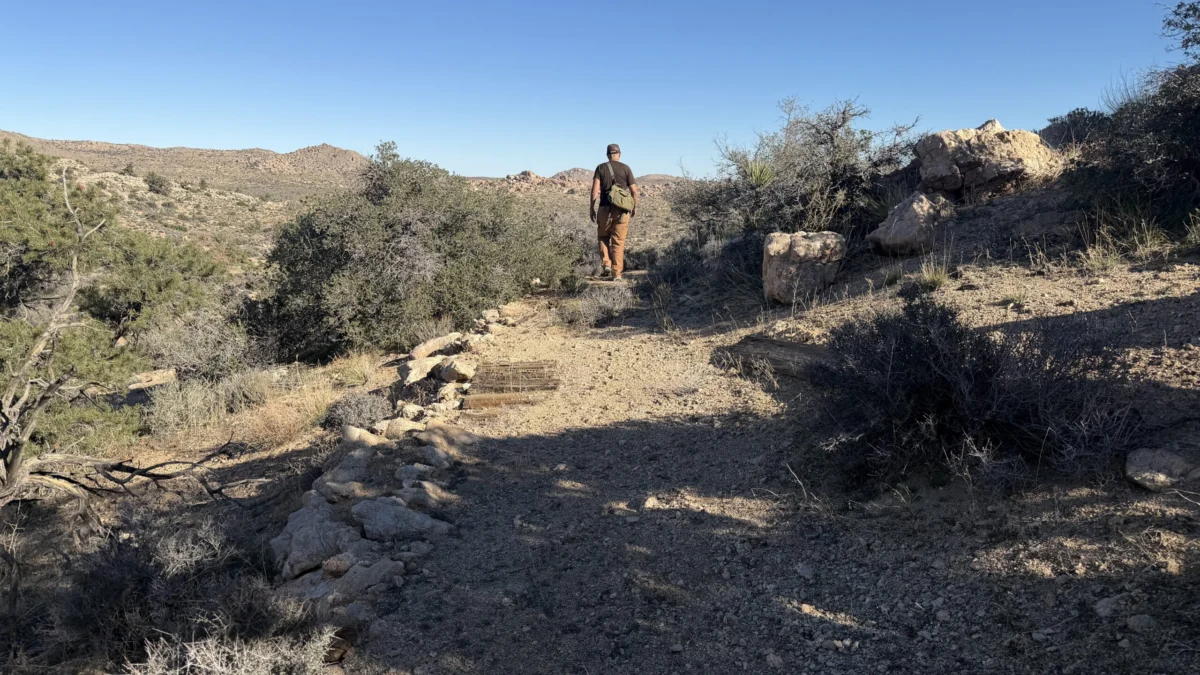
- A Solitary Expedition: A hike within a few miles of home led to the unexpected discovery of ancient rock art and a fragment of pottery, hinting at the deep history embedded in the local landscape. This underscores the potential for profound encounters with the past and with nature’s artistic expressions even in familiar surroundings.
- Foraging for Traditional Crafts: The author engaged in a walkabout to gather oak galls, a natural source for making ink, and cottonwood bark, a material suitable for crafting a friction fire kit. These activities connect to ancestral practices and promote a deeper understanding of natural resources.
- Shared Exploration and Future Planning: A social gathering with a friend, Jeff, involved leveraging technology like Google Earth to identify new mountain biking trails, illustrating how digital tools can enhance, rather than replace, physical exploration. This highlights the evolving landscape of outdoor recreation.
- Philosophical Discourse in Nature: A hike with a friend, Kelly, culminated in a discussion over tacos, where the pair contemplated solutions to pressing global issues. This exemplifies the power of informal settings in fostering intellectual engagement and collective problem-solving.
- Forensic Naturalism: Another hike with a friend, Brad, led to the examination of a site where a mountain lion had reportedly preyed on a young deer. The meticulous deconstruction of the scene served as a practical lesson in ecological dynamics and the raw realities of the wild.
While acknowledging the presence of work and domestic responsibilities, the author emphasizes that the true value of this week lay in its balanced composition of solitude in nature, camaraderie with friends, and shared experiences within the natural environment. This equilibrium, the author posits, represents a desired mode of living, a departure from the constant pursuit of the extraordinary.
The Evolving Landscape of Adventure Journal
Adventure Journal, as a publication, has historically championed the pursuit of performance and the exploration of the improbable. However, recent editorial decisions and content trends reflect a conscious effort to broaden the definition of adventure. Over the past one to two years, there has been a discernible emphasis on cultivating a deeper connection with nature, embracing a slower pace, and prioritizing walking as a fundamental mode of exploration.
This shift is not a repudiation of high-octane adventure but rather an expansion of its conceptual boundaries. The author notes that conversations with seasoned adventurers—those who have dedicated years to pushing physical limits on bikes and on foot—and observations of societal trends have prompted a re-evaluation of what individuals seek from their outdoor pursuits. This introspection, coupled with a growing awareness of societal and environmental challenges, suggests a collective yearning for more grounded and sustainable forms of engagement.
The author’s assertion in a previous introduction that "walking is the purest expression of human adventure" generated significant dialogue. Contrary to concerns that this might alienate readers who identify with more dynamic activities, the piece resonated deeply. Many hard-core cyclists and runners reportedly found inspiration in the call to slow down and incorporate more walking into their lives. This indicates a broader societal readiness to embrace a more contemplative approach to adventure, a return, in part, to "the old ways."
The Deeper Quest: Why We Seek Adventure
The genesis of Adventure Journal, according to its founder, was to provide a platform for writers, artists, photographers, and readers to collectively explore and interrogate the motivations behind our pursuit of adventure. The fundamental question remains: What are we truly seeking, and how do we recognize it when we find it?
The urgency of reconnecting with nature has been a theme since the time of Thoreau. However, the present era is marked by an unprecedented level of human "dislocation" from the natural world. The consequences are starkly visible in escalating climate change, the environmental impact of data centers, the proliferation of fast fashion waste, and a pervasive sense of spiritual deficit. This disconnect manifests as a global mental health crisis, highlighting a profound human need for sustenance that the material world alone cannot provide.
A Groundswell of Resistance and Reconnection
Amidst these challenges, a powerful counter-movement is gaining momentum. Individuals and communities are actively pushing back against destructive environmental practices and societal trends. Notable examples include:
- Opposition to Data Center Expansion: Successful campaigns to halt the construction of energy-intensive data centers in ecologically sensitive areas demonstrate the growing power of grassroots activism.
- Combating Surveillance Capitalism: Efforts to resist the pervasive influence of data-driven industries reflect a desire for greater individual autonomy and privacy.
- Legislative Action Against Fast Fashion: France’s recent ban on influencer promotions of fast fashion signals a governmental recognition of the need to curb unsustainable consumption patterns.
- Protecting Youth Online: Australia’s decision to restrict social media access for individuals under 16 years of age indicates a growing concern for the mental well-being of young people in the digital age.
These actions, though often facing formidable opposition, underscore a fundamental truth: the collective power of people, when mobilized, can be a potent force for positive change. This burgeoning movement suggests a societal shift towards prioritizing well-being, environmental sustainability, and authentic human connection over unchecked consumerism and technological dependence.
The Primal Needs: Connection to Nature and Community
While the "why" of adventure remains a complex question, the author posits a compelling answer: humans fundamentally seek two interconnected elements: a connection to nature and a connection to community. This is not a novel concept, but the contemporary inability of the material world to provide lasting fulfillment or happiness serves as stark evidence that these fundamental needs cannot be ignored or circumvented.
The core human requirements are elemental: to feel at home in the natural world and to experience the solace and strength that comes from community. It is argued that true rest and contentment can only be achieved when these basic needs are met.
The realm of adventure, therefore, can and should accommodate both slow and fast-paced pursuits, and even rapid adventures can be enriched by the presence of human community. However, the inherent "sexiness" of speed and high performance, as alluded to by concerns regarding an ode to walking, often overshadows the profound gratification that can be derived from focused, deliberate exploration in nature.
The author’s "unremarkable" week serves as a potent reminder and a gentle nudge in this direction: the profound fulfillment found in the synergy of nature, community, and the reciprocal nourishment they provide. The path forward for adventure, and indeed for human well-being, may lie in embracing this balanced integration.
Data and Context on Environmental and Societal Trends
The reflections on a changing approach to adventure are underscored by several global trends:
- Growing Environmental Awareness: Public concern over climate change has reached unprecedented levels. A 2023 Pew Research Center survey indicated that a majority of adults in developed nations believe climate change is a major threat, driving increased interest in conservation and sustainable practices. This heightened awareness naturally translates to a desire for more mindful engagement with the natural world.
- Mental Health Crisis: The World Health Organization (WHO) reports a significant global increase in mental health conditions, exacerbated by factors such as social isolation and environmental degradation. This has led to a greater appreciation for nature-based therapies and activities that promote well-being. Studies, such as those published in Environmental Health Perspectives, consistently demonstrate the positive impact of time spent in nature on reducing stress, anxiety, and depression.
- The "Great Resignation" and Re-evaluation of Priorities: The post-pandemic era has seen a widespread re-evaluation of work-life balance and personal priorities. Many individuals are seeking more meaningful experiences and a greater connection to their communities, moving away from purely materialistic pursuits. This societal introspection aligns with the article’s core message of seeking deeper fulfillment.
- Rise of Slow Living and Mindfulness: The "slow living" movement, emphasizing intentionality, mindfulness, and a rejection of hyper-consumerism, has gained significant traction. This philosophy directly supports the article’s advocacy for slower, more deliberate forms of adventure and engagement with the environment.
- Impact of Urbanization: As more of the global population lives in urban centers, the disconnect from nature becomes more pronounced. This intensifies the desire for accessible natural experiences, even those found close to home, as described in the author’s personal discoveries.
Implications for the Adventure Industry and Beyond
The observed shift in the perception of adventure has several far-reaching implications:
- Diversification of Adventure Offerings: Adventure tourism operators and gear manufacturers may need to adapt their offerings to cater to a growing demand for slower, more immersive, and community-focused experiences. This could include guided nature walks, foraging tours, craft workshops using natural materials, and community-based outdoor initiatives.
- Redefinition of "Performance": The metrics of success in adventure may broaden beyond physical prowess to include elements of environmental stewardship, personal growth, and community impact.
- Increased Focus on Accessibility: Discoveries made "just a couple miles from home" highlight the importance of accessible nature experiences for all individuals, regardless of their proximity to remote wilderness areas.
- Strengthening of Community Bonds: The emphasis on social connection within nature-based activities can foster stronger local communities and a shared sense of responsibility for environmental protection.
- Potential for Greater Environmental Advocacy: As individuals deepen their connection to nature through these slower, more intimate experiences, they are likely to become more invested in its preservation and more vocal advocates for environmental policies.
The week described by the author, while seemingly ordinary, represents a profound reflection of evolving human needs and desires. It serves as a compelling argument for a more balanced, connected, and sustainable approach to adventure, one that recognizes the enduring power of nature and community to foster a sense of belonging and well-being. The journey inward, often facilitated by deliberate steps in the natural world, may ultimately lead to the most significant discoveries.