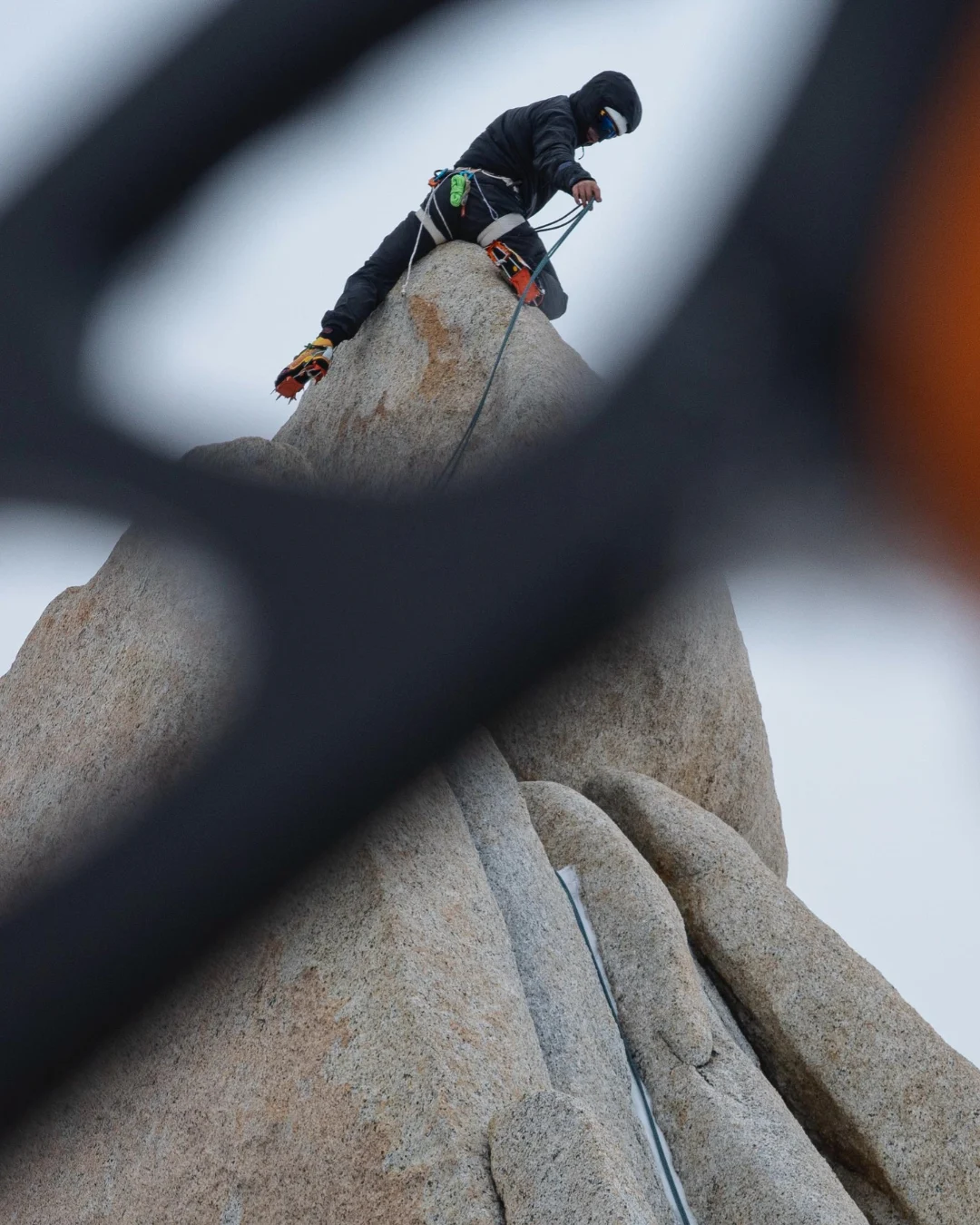
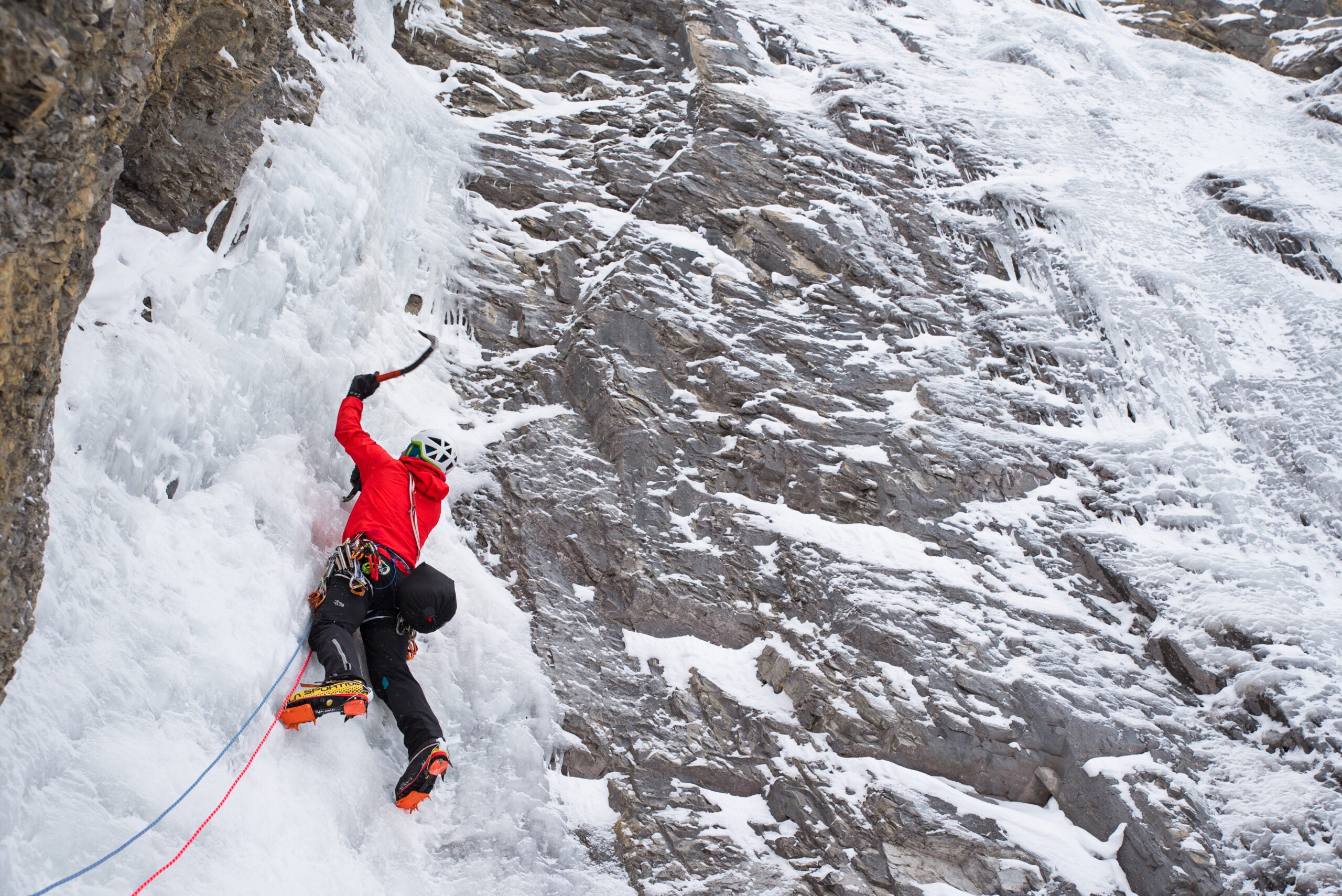
Many years ago, in the dead of winter, I shouldered a pack stuffed with ice-climbing gear and skied deep into the Canadian Rockies. I was broke, sporadically employed, and had terrible climbing tactics. My partner Karl and I worked up quite the sweat breaking trail for six undulating miles that afternoon and stopped for the night below our intended route, a sweeping ridge of fractured limestone and aerated snow. We hadn’t brought a tent, so I dug a cave in the shallow, faceted snowpack while Karl melted snow to cook dinner. An hour later the cave was dug, the water boiled, and we squirmed into our hole for the night. It was -15°F, my socks were still soaked with sweat, and I foolishly thought that if I just kept my ski boots on inside my sleeping bag my feet would somehow stay warm throughout the night. They did not.
By midnight, my feet were no longer warm. They got seriously cold at 2 a.m. and were frozen by 3. It was easy to keep track of my splits because I never fell asleep. By 5 a.m. it finally occurred to me that I should be worried. My feet had passed through pain to complete numbness—a sensation I’d read about but assumed I was too immortal to ever experience. So I slithered out of the snow cave to shake some life into them. I clipped into my skis and frantically skin-sprinted around our camp until I keeled over, sucking wind. It would be two whole days until I regained any sensation in my toes, and multiple years before they returned to normal.
While I have made similarly dumb mistakes in the following years, I believe my footwear-tactics for alpine climbing have markedly improved thanks to mentorship, research, and climbing with professional alpinists. Nowadays, my footwear is lighter than it’s ever been before, my feet are consistently warmer and drier than they’ve ever been before, and my equipment is more versatile across a range of conditions and terrain. Here are a few of my hard-won tips, and my preferred pieces of gear.
The Genesis of an Alpine Footwear Revolution
The incident in the Canadian Rockies, which occurred in the harsh winter of 2023, marked a pivotal moment in the author’s approach to alpine climbing. The debilitating frostbite, which rendered his toes numb for days and caused long-term issues, served as a stark and unforgettable lesson in the critical importance of proper foot care and equipment selection in extreme cold. This personal ordeal, a common narrative among many seasoned mountaineers, underscores the inherent risks associated with high-altitude and winter expeditions, where even minor equipment failures can have severe consequences. The author’s subsequent dedication to refining his footwear strategy reflects a broader trend in modern alpinism, where technological advancements and a deeper understanding of physiological responses to cold are driving innovation in gear design and application.
Vapor Barrier Socks: A Foundation for Warmth
From autumn to spring, I wear vapor barrier (VB) socks in the mountains nearly every day. VB socks are essentially articulated waterproof barriers for your feet, constructed from materials like thin plastic or specialized membranes. They are meticulously waterproof and seam-taped to prevent moisture from wicking off your feet and saturating your climbing boots. This is particularly crucial in winter conditions, where boots can freeze solid overnight without such protection. For multi-day climbs, VB socks are not just recommended; they are an absolute necessity. However, for individuals who experience significant foot perspiration, like myself, they prove invaluable for managing moisture even on shorter approaches, ensuring a more comfortable and controlled microclimate for the feet.
The initial concern with VB socks often revolves around the perception of feet "swimming" in sweat. However, extensive research and practical application have demonstrated a counterintuitive phenomenon: in a completely saturated environment, the human body’s sweating response significantly diminishes. This effect has been corroborated by prolonged expeditions. For instance, after a demanding 20-hour push involving skiing, hiking, and climbing, my feet, encased in VB socks, were only minimally damp, a testament to their efficacy.
VB socks also offer considerable benefits during warmer months, especially on long alpine rock climbs with glacial approaches. In such scenarios, opting for lighter approach shoes over heavy waterproof mountaineering boots is often a strategic choice for agility and comfort. The VB sock then becomes instrumental in maintaining foot dryness, preventing blisters and discomfort that can arise from prolonged exposure to sweat and moisture, even in less extreme temperatures. It is imperative, however, to select mountain footwear judiciously, considering the specific demands of the terrain and activity.
To optimize comfort and prevent slippage, I employ a layering system. An ultralight polypropylene sock is worn directly against the skin, followed by the VB sock, and finally a tall woolen sock. This sandwiching technique, using materials with varying degrees of friction, effectively mitigates any tendency for the foot to slide within the boot.
A crucial aspect of VB sock maintenance is regular airing and frequent washing. Neglecting these simple yet vital steps can lead to an exceptionally unpleasant and persistent foot odor, a consequence that can detract significantly from the overall experience.
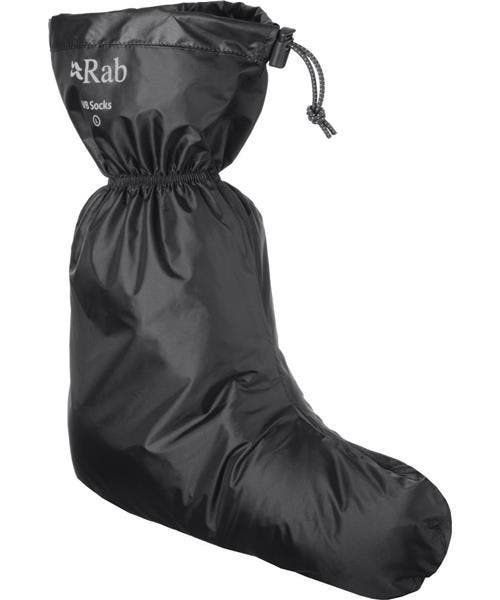
My Pick: Rab Vapour Barrier Socks
Weight: 40 g (per sock) / 3 oz
Estimated Retail Price: $35.00
Available at: rab.equipment.com
Heated Socks: The Mechanical Advantage Against the Cold
While moisture management through VB socks represented a significant leap forward in controlling foot warmth during alpine climbing, the challenge of maintaining optimal temperature persisted. The memory of frostbitten toes in that unforgiving snow cave served as a constant reminder of the need for a more proactive, mechanical solution. Double boots, while beneficial for ice climbing, offered only a partial remedy. It was through a conversation with Brette, a world-class alpinist who contended with persistent poor foot circulation, that a revolutionary concept was introduced: heated socks.
During a winter expedition in Canada, I encountered Brette, who had just completed a successful ice-climbing trip amidst exceptionally frigid conditions. Her ability to retain all her toes, even in such extreme cold, was a source of envy. When I inquired about her secret, she revealed her reliance on heated socks. My immediate concern, given my experience with moisture management, was the potential for increased perspiration. However, Brette’s simple yet effective response—"Then I just crank ’em"—implied a sophisticated integration of heated socks with moisture management strategies, likely involving VB socks to contain any sweat.
Heated socks, such as the Therm-ic models I now utilize, operate on a straightforward principle. Rechargeable batteries are connected to thin wires integrated into the sock’s fabric, which run discreetly behind the calf and beneath the foot. These wires generate a low-level, consistent heat, adjustable through multiple output settings, minimizing bulk and ensuring comfort. On the lowest setting, the batteries can provide warmth for up to 16 hours, a duration sufficient for most day-long expeditions. For extended missions or overnight stays, I opt for medium or high settings and carry a spare set of batteries. The crucial element here is the continued use of VB socks to manage any perspiration, ensuring the heated elements function effectively without exacerbating moisture issues.
The durability of these heated socks has been remarkable. Despite extensive use, covering well over 100 miles of varied terrain, they show no signs of wear and tear. Furthermore, their machine-washable design simplifies maintenance, ensuring they remain a reliable component of my alpine kit.
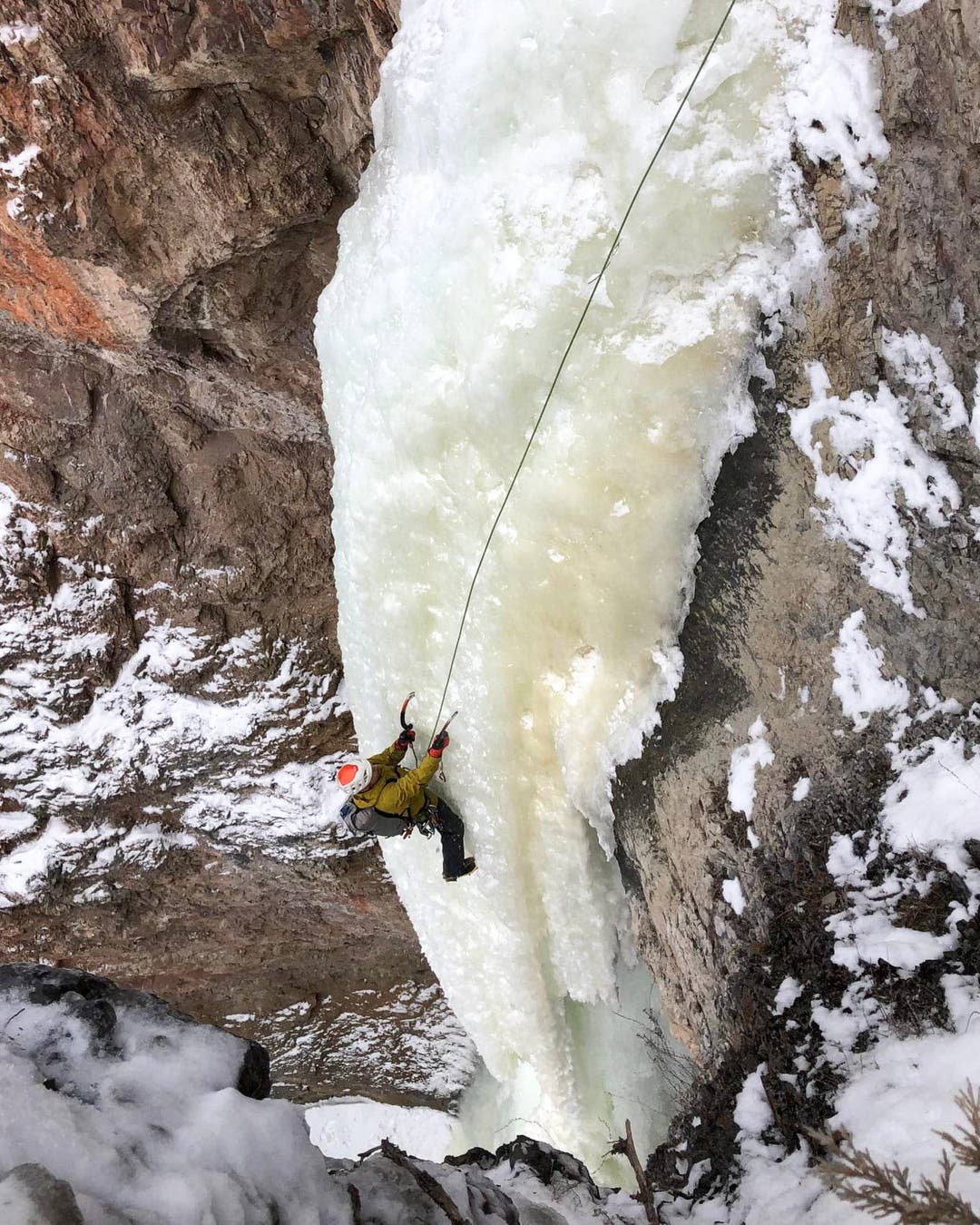
My Pick: Therm-ic Heat Fusion Heated Socks
Weight: 125 g (per sock) / 4.4 oz (with battery)
Estimated Retail Price: $350.00
Available at: rei.com
Lighter Crampon Heels: A Strategic Weight Reduction
With feet consistently warm and dry, the focus shifts to optimizing overall efficiency for long alpine ascents. While many climbers prioritize minimalist gear, for demanding alpine pursuits, strategic weight reduction is paramount. Observing contemporary professional alpinists, a discernible trend emerges: the widespread adoption of aluminum heel pieces on crampons. This seemingly minor alteration, easily achievable by combining the aluminum heel piece of a lightweight mountaineering crampon with the front sections of a more robust steep-ice crampon from the same manufacturer, yields significant weight savings.
Petzl’s "Alpen Adapt" system exemplifies this innovative approach. By merging the proven "Dart" front section with the exceptionally light "Leopard" aluminum heels, connected by a thin cord instead of a traditional metal linking bar, a substantial reduction in weight is achieved. This configuration, often referred to as the "Dart-Leopard hybrid," shaves approximately 220 grams (7.7 ounces) per pair. Beyond the direct weight savings, the cord-linked system allows the crampons to be folded lengthwise, facilitating more compact packing—a considerable advantage on routes that demand transitions between ice and rock climbing.
The adage "one pound off your feet equals five pounds off your back" highlights the profound impact of such weight reductions. Saving 220 grams on crampons is akin to shedding the weight of a liter of water or eleven Black Diamond Camalot Ultralight cams. This translates to reduced fatigue, increased mobility, and enhanced endurance over extended periods in the mountains.
A critical consideration with this hybrid setup is the paramount importance of crampon fit. The absence of a rigid metal linking bar necessitates meticulous attention to the cord’s tension. The fisherman’s knot, used to secure the cord, must be hand-tightened to its maximum capacity, ensuring the shortest possible length that still allows the heel bail to engage securely. If the fixed heel-bail settings do not provide an adequate fit, the knot must be retied and adjusted. It is imperative to understand that the cord will naturally tighten further during initial use, introducing potential slack. Regular checks and adjustments throughout the first day of use are essential to maintain a secure fit. A failure to do so can have severe consequences, as experienced by the author when a poorly adjusted crampon front section rotated outward on vertical ice, leading to a precarious situation.
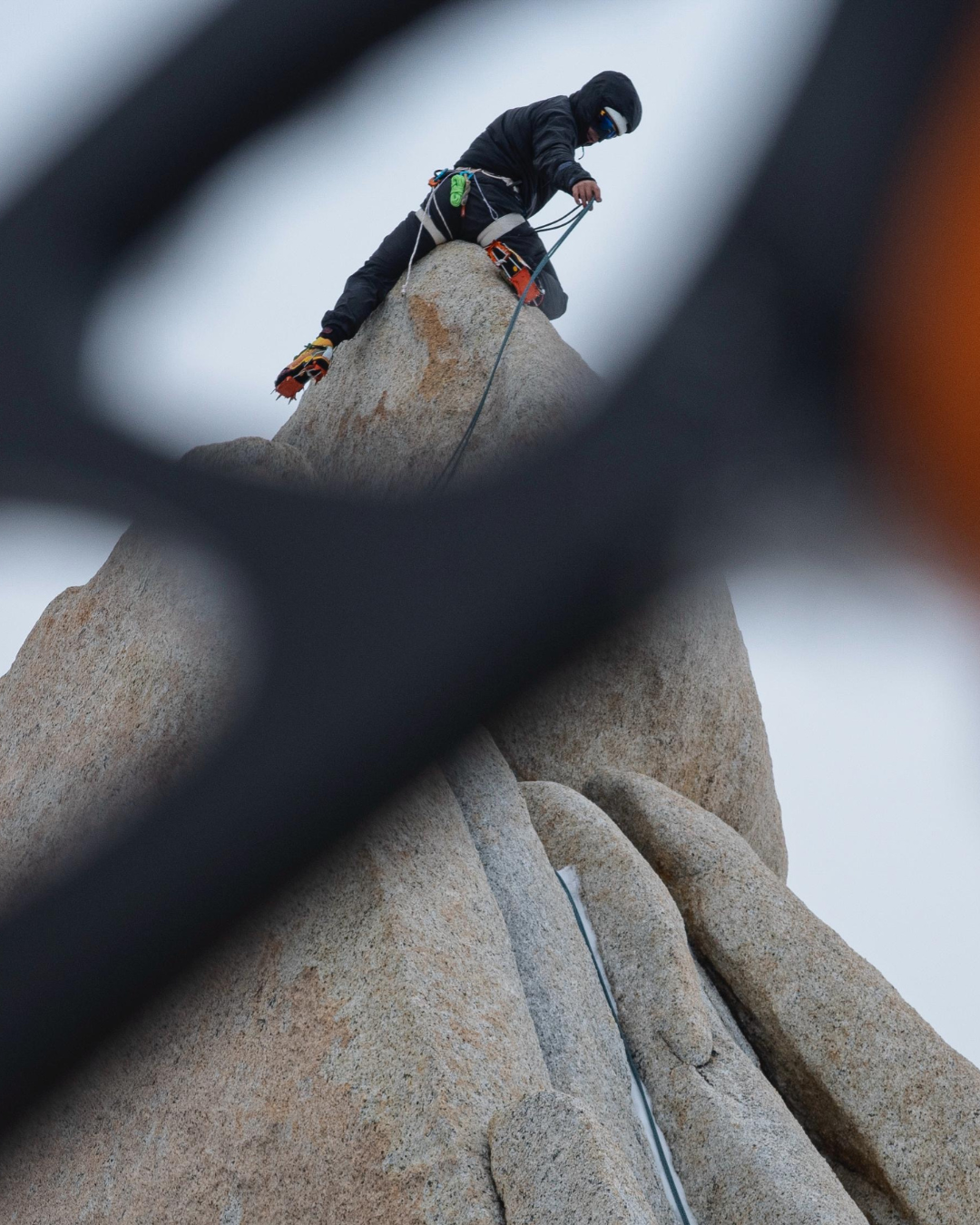
Furthermore, while Petzl’s cord is exceptionally strong, it remains susceptible to abrasion from sharp rocks. Caution must be exercised when navigating rocky terrain with these crampons to prevent damage to the cord under tension.
My Pick: Petzl Kit Cord-Tec (Dart front not included)
Weight: 120 g (per foot) / 4.2 oz
Estimated Retail Price: $97.00
Available at: petzl.com
The Ski-Climb Interface: Navigating Approaches and Descents
In regions like the Canadian Rockies, where the author resides, efficient approaches to ice and alpine climbs often involve skiing. This necessity has led to the development of two primary strategies for integrating skiing with climbing:
-
Lightweight Backcountry Ski Boots: This approach involves using a pair of lightweight backcountry ski boots, clipped into traditional pin bindings, and carrying dedicated ice climbing boots on the backpack. The primary advantage here is the ability to comfortably ski to and from the base of the climb, potentially linking powder turns all the way back to the valley floor. However, this method introduces the added weight of a second pair of boots and necessitates two footwear transitions—one to ski and one to climb, and vice versa. These transitions can be particularly unpleasant in adverse weather conditions at the end of a long day, especially when swapping warm, dry boots for frozen, damp ones.
-
Silvretta Bindings: This system utilizes the now-discontinued Silvretta 500 ski bindings, renowned for their ability to interface directly with the heel and toe bails of climbing boots. This setup offers a significant advantage by eliminating the need for a separate pair of ski boots, thereby reducing overall weight and circumventing the cumbersome footwear transition process. The Silvrettas are relatively lightweight (1,620 g/57.1 oz per pair) and perform adequately on the approach. However, their limitations become apparent when skiing in powder with soft ice-climbing boots and a heavy climbing pack, a scenario that demands a conservative approach to descents. To enhance security in such conditions, a cordalette can be looped through a drilled hole in the ski tip and tensioned behind the knees, simulating the stiffness of an anchored boot. My personal preference in these situations is to maintain ski skins for any downhill section exceeding 20 degrees and to employ a switchback technique for descent, eschewing any attempt at fluid turns. The scarcity of Silvretta bindings, as they are no longer in production, makes them a coveted but difficult-to-acquire item.
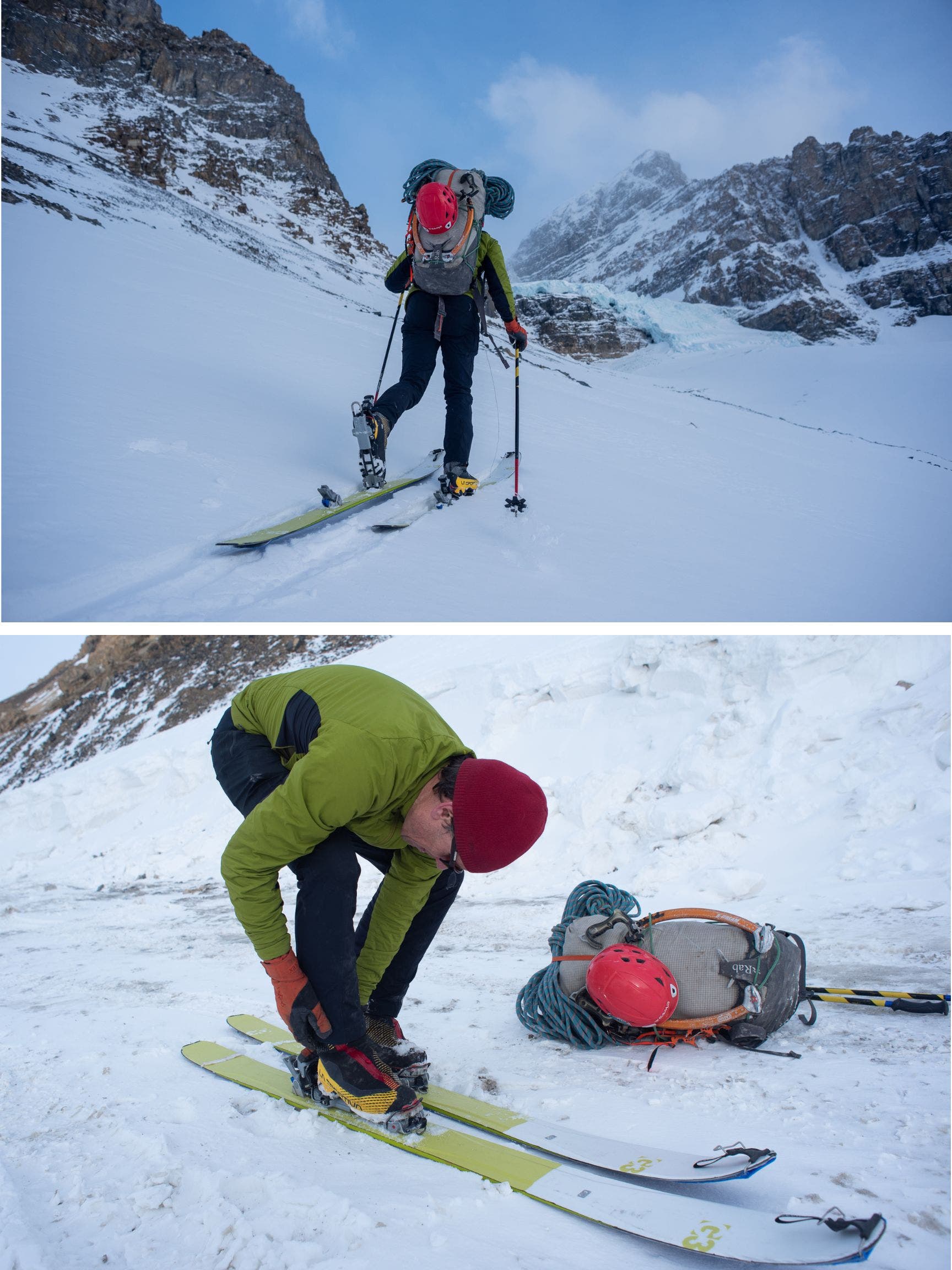
A compelling third option has emerged in recent years, challenging traditional paradigms: climbing in lightweight ski boots. While historically, ski boots were perceived as bulky and imprecise for climbing, recent innovations have introduced sleeker, more agile designs. The Scarpa F1 LT, for example, represents a significant advancement in this category. Weighing 724g/25.5oz less than my standard single climbing boot, it offers remarkable ankle dorsiflexion, a secure BOA tightening system for heel lock, and an exceptionally lightweight build. While I may not feel confident tackling my absolute limit on mixed or ice climbing routes in ski boots, they prove to be a highly capable option for more moderate terrain. The stiff, supportive platform of the F1 LT has, in fact, provided a surprising degree of stability on steep, sticky blue ice, reminiscent of older plastic climbing boots, which has helped to mitigate calf pump fatigue.
My Pick: Scarpa F1 LT Alpine Touring Ski Boots (Men’s/Women’s)
Weight: 990 g (per boot) / 34.9 oz
Estimated Retail Price: $719.00 (currently 20% off)
Available at: rei.com
Floating in Deep Snow: Conquering the White Expanse
Of all the challenges inherent in alpine climbing, perhaps none is as universally despised as the struggle to move through deep, unconsolidated snow. The sensation of floundering, of sinking with every step, can be more demoralizing than a freezing bivouac, a terrifying lead, screaming barfies, or even a partner’s unfortunate dietary choices. While I have developed several techniques for managing facetted snow—such as forming ski poles into an ‘X’ for stability, employing a crawling motion, or stepping with the shin rather than the foot—the most significant aid in this arduous endeavor has been the Ascent Plates from Billy Goat Technologies.
These snowshoes, engineered from teflon-coated anodized aluminum, were initially conceived for ski mountaineers ascending steep couloirs. However, their utility extends seamlessly to alpine climbers facing prolonged periods of snow-trenching. Ascent Plates are designed to fit securely between a climbing boot and crampon, crucially allowing all crampon points to maintain engagement with underlying ice and firm snow. This integration ensures that traction is not compromised, even when traversing soft snow conditions.
The low-profile design of Ascent Plates is a key feature, enabling them to slide almost unnoticed into a backpack’s back panel. This portability means that this invaluable tool is readily available when needed, without adding excessive bulk or weight to the climbing pack. The ability to effectively "float" on deep snow drastically reduces the physical exertion and psychological toll of such terrain, transforming what would otherwise be a grueling ordeal into a more manageable and even efficient progression.
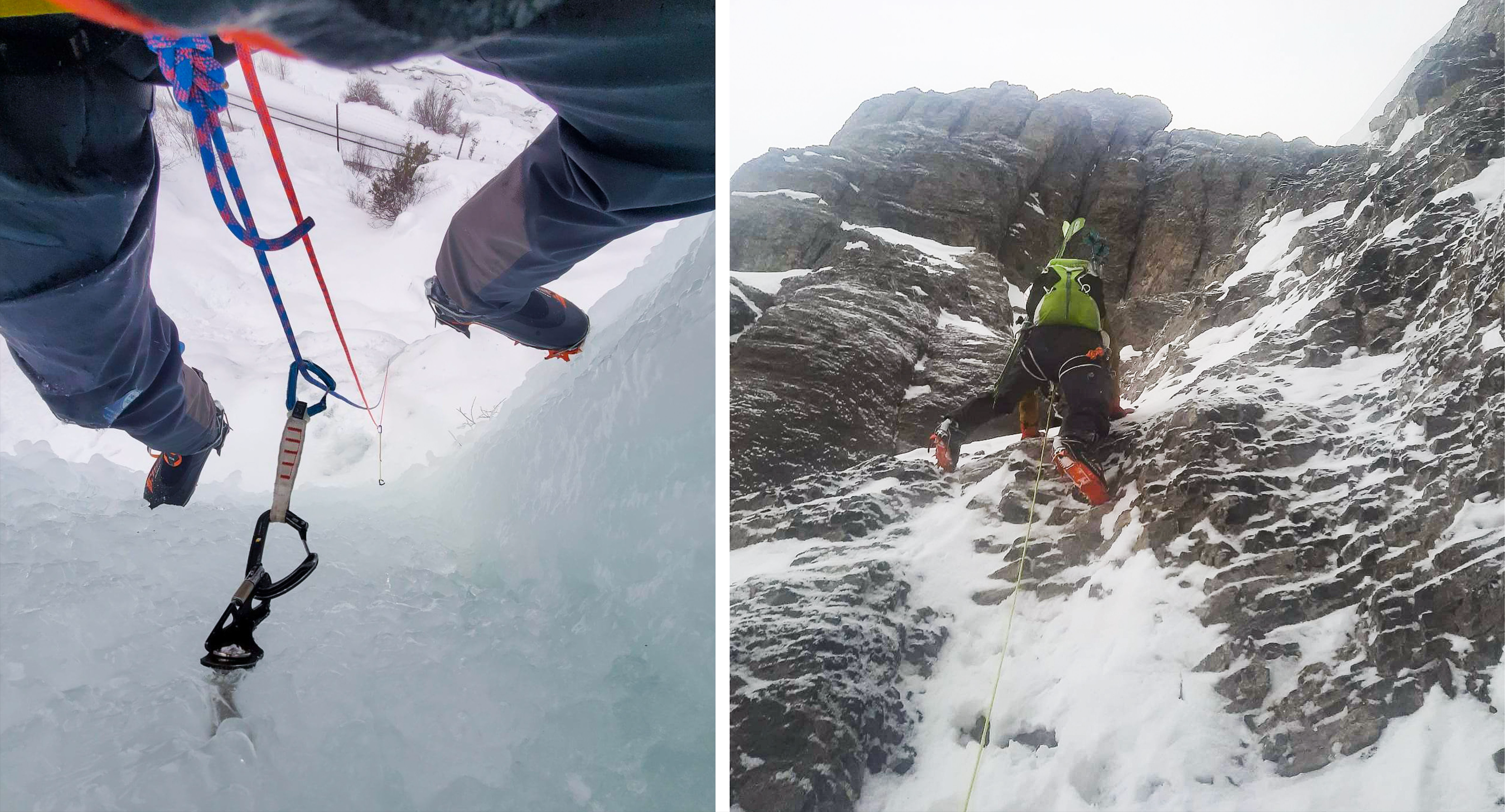
My Pick: Billy Goat Technologies Ascent Plates
Weight: 380 g (per plate) / 13.5 oz
Estimated Retail Price: $145.00
Available at: whitemountainski.co
Broader Implications and Future Trends
The evolution of alpine footwear and associated gear, as exemplified by the author’s journey from frostbitten toes to peak performance, reflects a broader paradigm shift in mountaineering. The integration of advanced materials, refined design principles, and a deeper understanding of biomechanics and thermoregulation are collectively enhancing safety, efficiency, and enjoyment in extreme environments. The trend towards lighter, more versatile equipment, such as hybrid crampons and specialized ski-climbing footwear, allows alpinists to tackle increasingly ambitious objectives with greater confidence and reduced physical burden.
The development of technologies like heated socks and advanced vapor barrier systems directly addresses the physiological challenges of cold-weather mountaineering, mitigating risks like frostbite and hypothermia, which have historically been significant limiting factors. Furthermore, the emphasis on weight reduction, particularly in footwear and associated gear, aligns with the growing popularity of fast-and-light alpinism, where efficiency and mobility are paramount.
The analysis of these gear choices and their impact suggests a future where technology continues to play an increasingly vital role in pushing the boundaries of human endurance and exploration. As materials science advances and our understanding of human performance in extreme conditions deepens, we can anticipate further innovations that will make challenging alpine environments more accessible and safer for a wider range of enthusiasts. The ongoing dialogue between innovation and practical application, driven by the experiences of individuals like the author, ensures that the gear we rely on will continue to evolve, empowering us to pursue our aspirations in the world’s most formidable landscapes.