








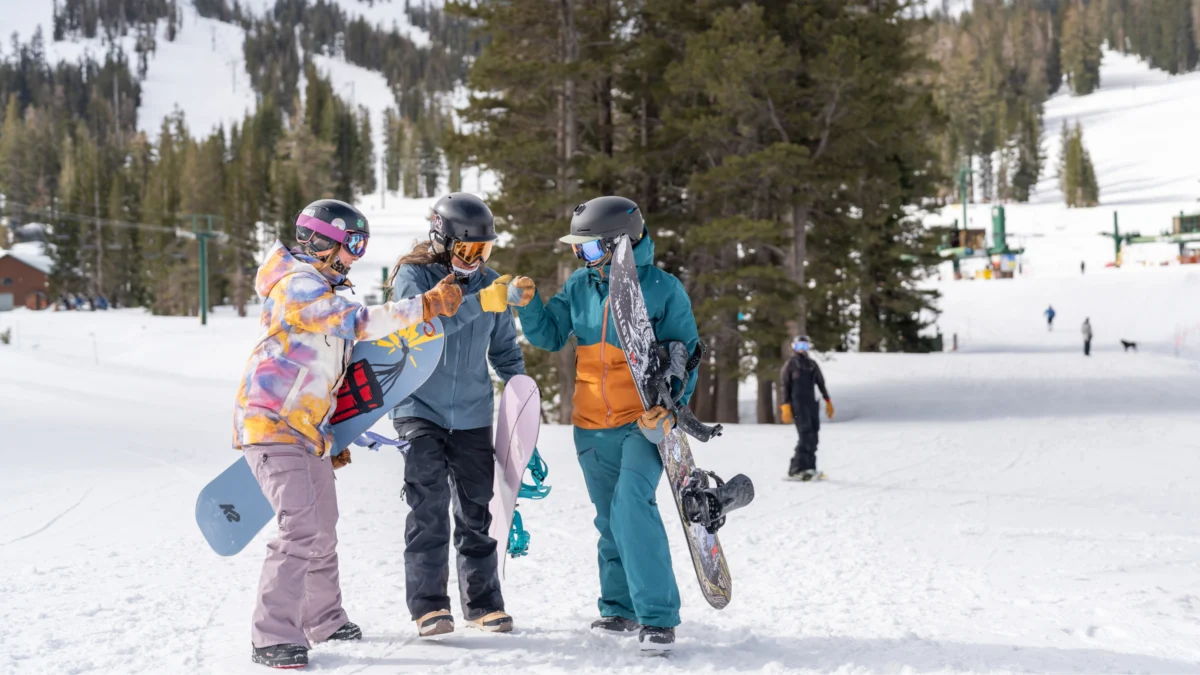
Mastering the mechanics of snowboarding is a process defined by a steep learning curve, both literally and figuratively. As the 2026-2027 winter season approaches, the market for entry-level equipment has shifted toward technology that prioritizes confidence-building and skill progression. Choosing the correct board is a critical decision for any newcomer, as improper equipment—often characterized by excessive stiffness or incorrect sizing—can hinder technical development and lead to avoidable frustration on the slopes. This report synthesizes the results of a comprehensive spring 2027 test cycle, in which a team of professional instructors and veteran riders evaluated 44 of the season’s top snowboards across the Sierra, Wasatch, and Rocky Mountain ranges.

The Methodology of Modern Snowboard Testing
The selection process for this year’s gear guide was rooted in empirical data and qualitative assessment. The test crew, comprised of experts with decades of combined experience in snow sports coaching and competitive riding, utilized a standardized scoring system. Each board was graded on specific performance metrics, including flex pattern, responsiveness, edge-hold, and stability during high-speed maneuvers.
Beyond raw performance, testers were tasked with a critical, objective evaluation: determining whether a specific deck acts as a catalyst for growth. The testing cycle, conducted throughout the spring of 2026, accounted for varying conditions, from icy morning hardpack to soft afternoon slush. This ensures that the recommendations provided are not merely based on peak-performance metrics, but on the real-world versatility required by riders transitioning from the "bunny hill" to more complex, varied terrain.

Top Performers: The 2027 Lineup
The following models were identified for their ability to balance performance with an intuitive, forgiving design architecture.
The Editors’ Choice: Salomon Lotus (Women’s) and Salomon Pulse (Men’s)
These boards are widely regarded as the industry standard for beginners due to their exceptional predictability. Featuring a soft flex and a directional twin shape, the Lotus and Pulse facilitate fundamental skill acquisition without punishing the rider for minor technical errors. The use of gentle camber underfoot provides necessary grip on firm snow, while the rockered nose and tail sections effectively minimize the risk of "catching an edge." These boards serve as an ideal baseline for those who have moved past the initial discovery phase and are looking to refine their turn initiation and balance.

Best Value: Rossignol Ampage Vol. 2
For riders seeking a cost-effective entry point without sacrificing build quality, the Ampage Vol. 2 offers a rocker-dominant profile that excels in maneuverability. While its soft flex makes it less suitable for high-speed, technical freeriding, it is engineered for the playful, exploratory nature of a developing rider. It performs well in terrain parks and on groomed runs, allowing for experimentation with buttering and small jumps.
Best for Powder: Jones Frontier 2.0
As riders gain confidence, they often look to explore deeper snow. The Jones Frontier 2.0 is the premier choice for this transition, utilizing a tapered directional shape and an elongated, rockered nose to provide natural buoyancy in powder. The integration of "Traction Tech" edges allows the board to maintain stability even on firmer, groomed sections, bridging the gap between a pure powder board and an all-mountain daily driver.

Best for Progression: Never Summer Proto Type 3
For the "late-stage" beginner or aspiring intermediate, the Proto Type 3 represents a significant step up in engineering. While it requires a higher level of technical proficiency than the entry-level Salomon models, it offers a robust platform for those committed to long-term growth. Its carbon-bolstered core and triple-camber profile provide the stability needed for larger jumps and more aggressive speeds, making it a viable long-term investment.
Understanding Technical Specifications
The diversity of snowboard shapes and profiles can be daunting for the uninitiated. Understanding these components is essential for selecting a board that aligns with an individual’s physical stature and riding goals.

Shape Profiles
- True Twins: These are symmetrical in both shape and flex. They are the ideal choice for riders who intend to spend time in terrain parks or who want to learn to ride "switch" (the opposite stance) as early as possible.
- Directional Boards: Designed for one-way travel, these boards feature a larger, floatier nose and a shorter tail. They are the gold standard for stability at speed and performance in powder, though they are less forgiving when riding switch.
- Directional Twins: These offer a hybrid approach, combining the switch-riding capabilities of a twin with the float and performance characteristics of a directional board.
Flex and Profile
The "profile" of a board—how it sits on the ground—determines its personality. Camber, an upward arc in the center of the board, provides maximum power and edge hold but requires a more precise technique. Rocker, a downward arc (or "U" shape), is more forgiving and playful, making it the preferred profile for true beginners who are still learning to manage their center of gravity.

Implications for the 2027 Retail Market
The shift in 2027 product development suggests a broader industry trend toward "inclusive performance." Manufacturers are increasingly aware that the barrier to entry for snowboarding is not just financial, but technical. By creating boards that are more stable, more intuitive, and easier to turn, brands like Salomon, Jones, and CAPiTA are attempting to increase retention rates among new riders.
Data from the testing period indicates that the most common mistake among beginners is purchasing a board based on height rather than weight or intent. Industry experts emphasize that weight is a more accurate indicator of how a rider will engage with the board’s flex. Furthermore, the rise of "wide" options—such as the Cardiff Lynx—addresses the long-standing issue of toe drag for riders with larger boot sizes, a factor that was previously overlooked in entry-level segments.

Strategic Advice for New Buyers
Prospective buyers should utilize the following checklist when evaluating a potential purchase:
- Assess Past Experience: Use data from previous rentals. If a rental board felt "squirrely," look for a slightly longer, more stable model. If it felt "unresponsive," a shorter, softer board is likely needed.
- Verify Weight and Width: Always check the manufacturer’s provided weight ranges. For those with boot sizes over 10.5, prioritizing a "wide" or "mid-wide" deck is critical to maintaining control.
- Define the Goal: Are you looking to master the basics of turning on green runs, or are you hoping to enter the terrain park? A "true twin" is best for the latter, while a "directional" or "directional twin" is better for the former.
Future Outlook and Conclusion
The 2027 season presents a wealth of options for riders at the start of their journey. The focus on accessibility, combined with the integration of high-end materials into beginner-friendly designs, has narrowed the gap between entry-level and performance gear. As the industry continues to prioritize the "progression" segment, new riders can expect a smoother transition from the initial learning phase to the confidence of an intermediate-level boarder.

The testing team’s commitment to re-evaluating the sport through the eyes of a novice serves as a reminder that the best gear is that which encourages, rather than intimidates. By selecting a board that matches one’s current skill level while providing enough potential for growth, riders can ensure their first few seasons are defined by improvement and enjoyment rather than the common pitfalls of improperly specified equipment. The 2027 models listed here represent the best of this philosophy, offering a clear path forward for those ready to navigate the slopes.