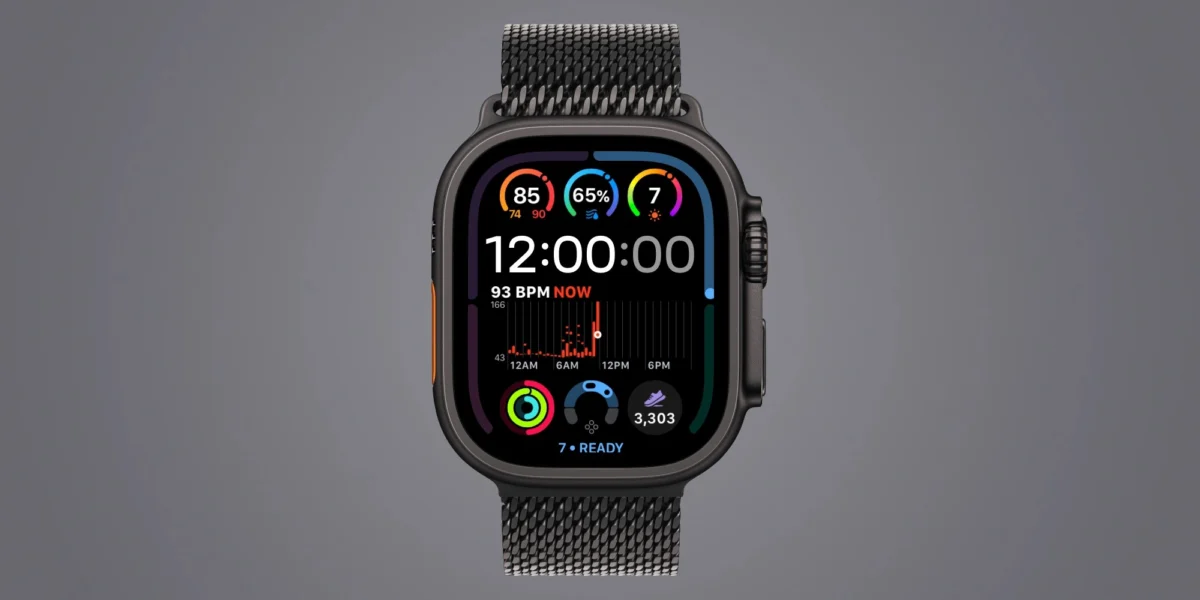
The launch of the Apple Watch Series 12 and the Ultra 4 represents the latest iteration in Apple’s decade-long endeavor to transform the wearable from a smartphone companion into a sophisticated biometric laboratory. While the hardware design remains familiar, the integration of watchOS 27 brings a fundamental shift in how the device processes and presents health data, moving beyond simple step counting toward holistic physiological monitoring.
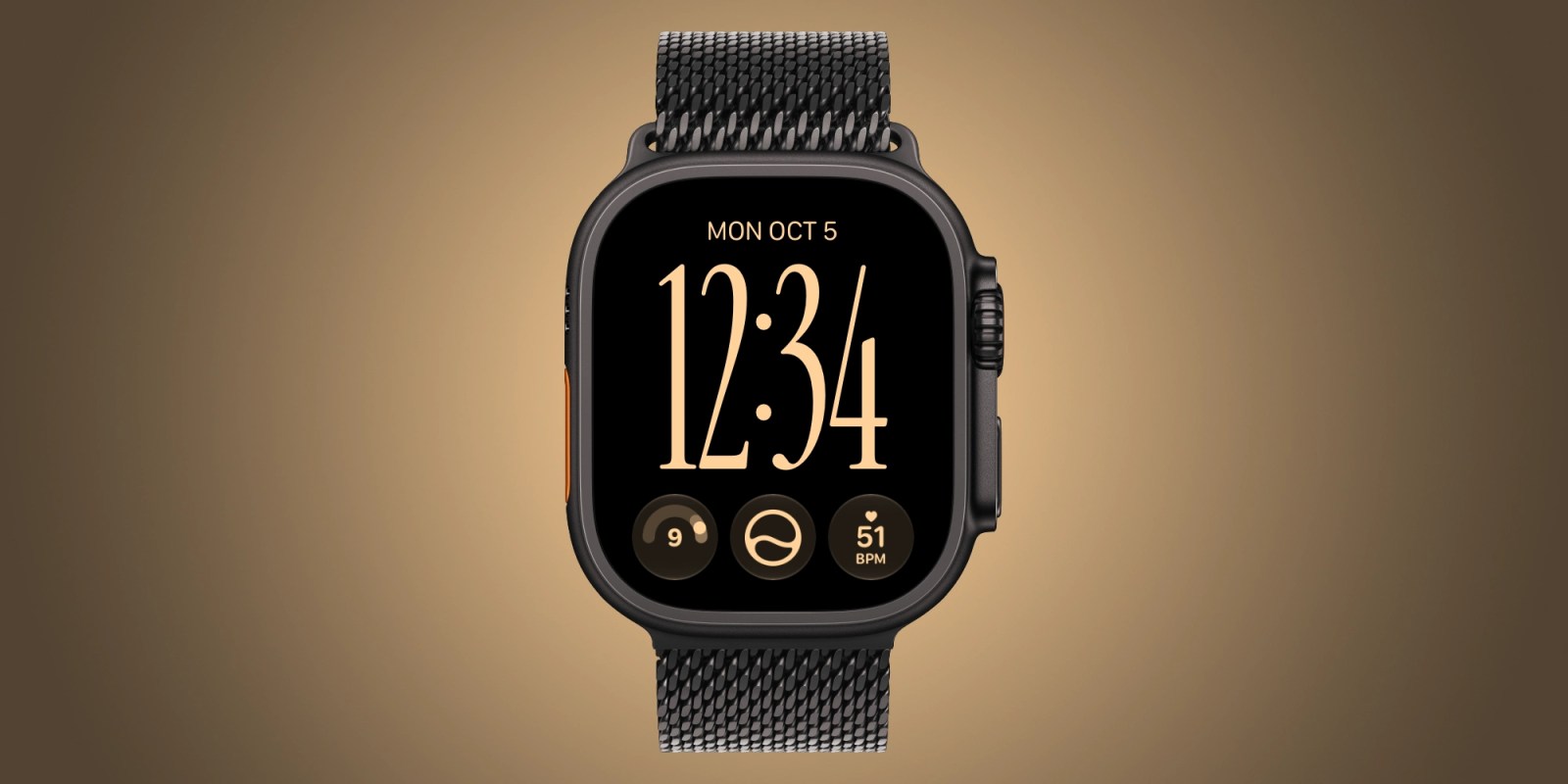
A Chronology of the Latest Wearable Evolution
Apple’s trajectory with the Apple Watch has consistently prioritized health-centric utility. Following the introduction of blood oxygen monitoring in 2020 and temperature sensing in 2022, the 2026 release of the Series 12 and Ultra 4 marks a pivot toward "Readiness" metrics.
The development timeline for these devices was accelerated by the integration of more robust neural engines within the S12 and S12 SiP (System in Package) processors. During the September 2026 launch event, Apple executives emphasized that the hardware was no longer just tracking data—it was interpreting it. By mid-September, early adopters began reporting that the true value of these devices lay in the new "Readiness" algorithms, which correlate overnight recovery with daytime strain to provide a more accurate picture of a user’s physical capacity.
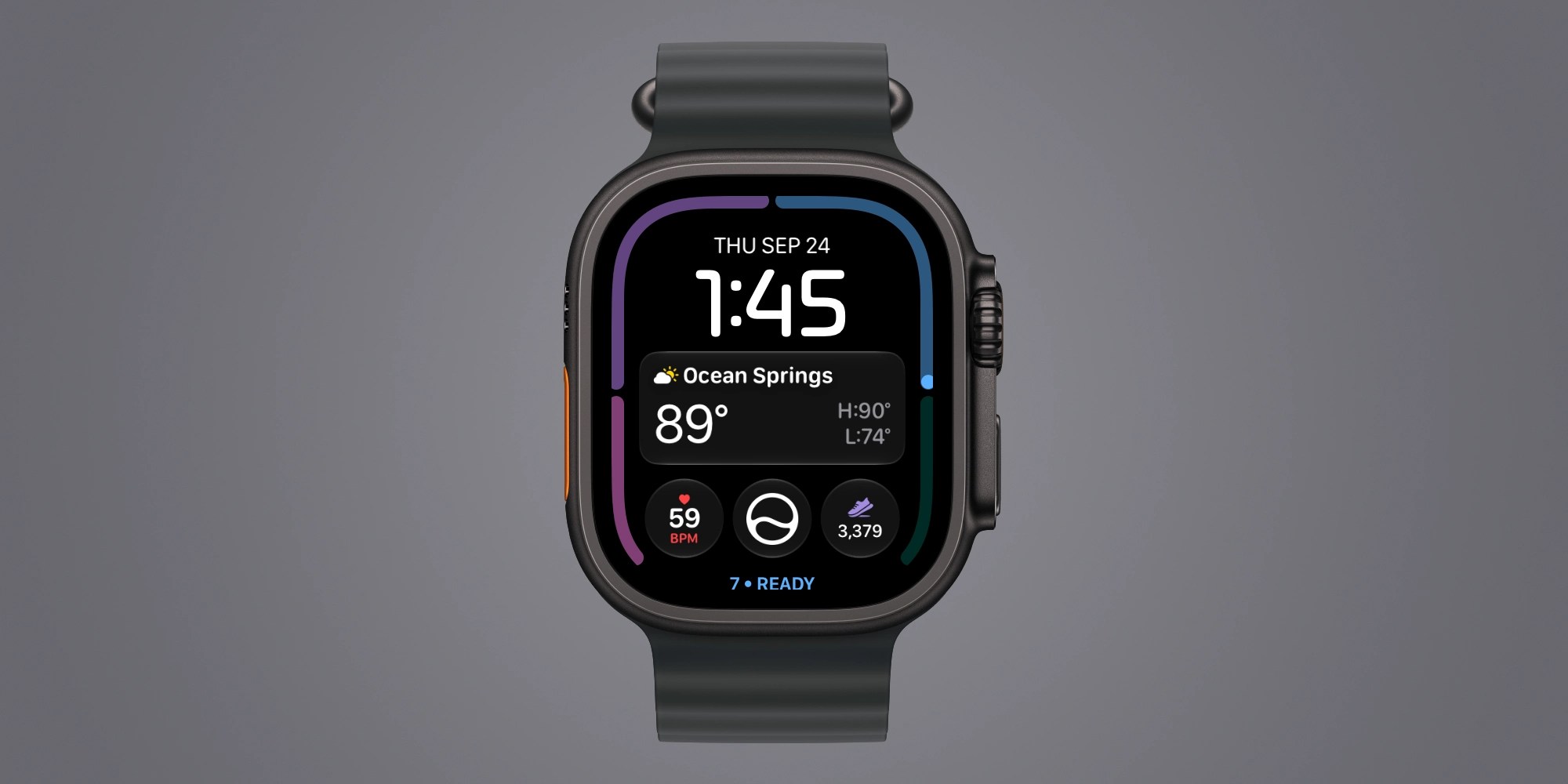
Optimizing the Interface: The New Complication Landscape
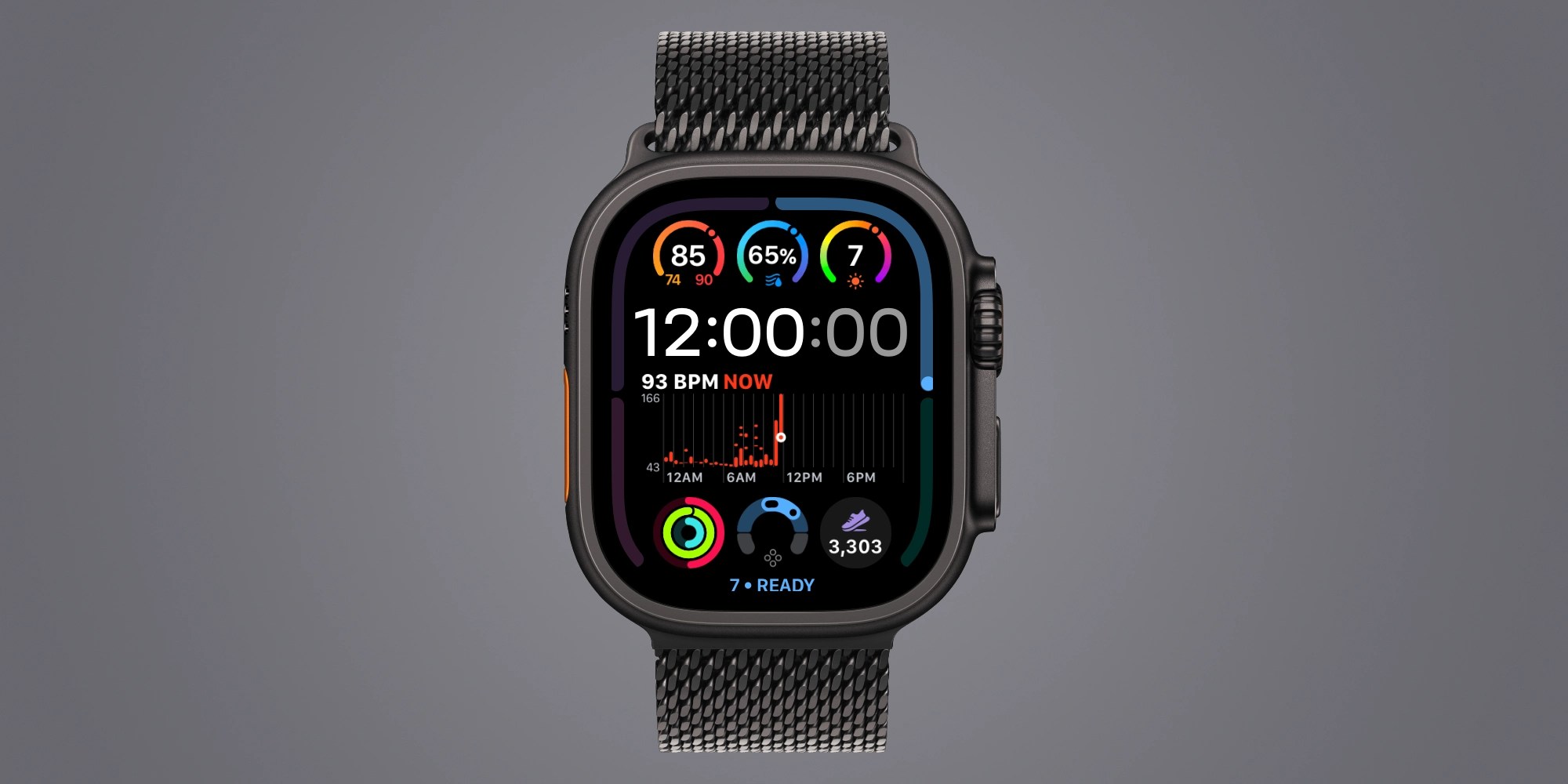
For power users, the most immediate change with the Series 12 and Ultra 4 is the expansion of the complication ecosystem. Historically, Apple Watch faces were limited by the data refresh rates of third-party complications. However, the new architecture allows for live, high-frequency updates for metrics like heart rate and real-time step counts.
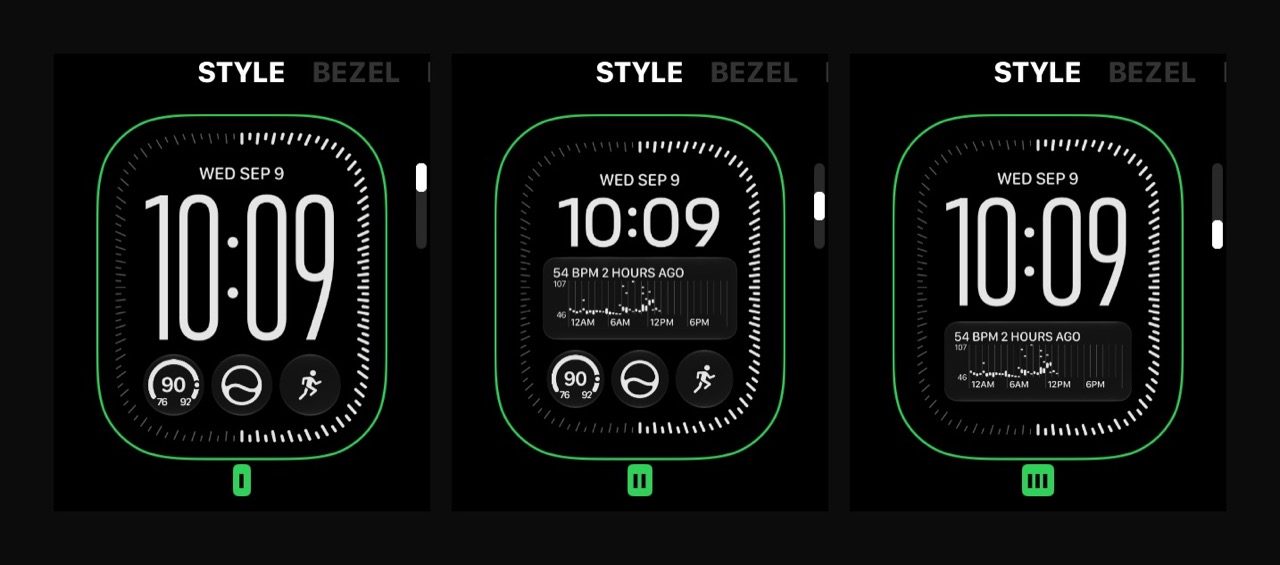
To maximize this, users should transition to the Siri Modular watch face. This layout, optimized for watchOS 27, allows for a greater density of information without sacrificing legibility. By placing the "Readiness" score in the primary slot, users can gauge their physical state at a glance. Furthermore, the ability to pin a live heart rate complication—which now updates with significantly lower latency than on previous models—serves as a critical tool for athletes and those monitoring cardiovascular health in real-time.
The Science of Readiness: Data Requirements and Calibration
The "Readiness" score is not an instantaneous calculation; it is a longitudinal assessment. For the system to provide accurate insights, it requires a minimum of seven days of consistent data collection. This includes overnight vitals, respiratory rates, and wrist temperature, all captured while the user is asleep.
The implication for the user is a shift in charging habits. Because the watch must be worn during sleep to establish a baseline, the traditional "overnight charge" model is effectively obsolete. Instead, users are encouraged to adopt a "daytime charging window," such as during a morning routine or an evening commute. This adjustment is essential for the watch’s sensors to gather the necessary data points required to calculate recovery trends effectively.
Advanced Vitals and Diagnostic Capabilities
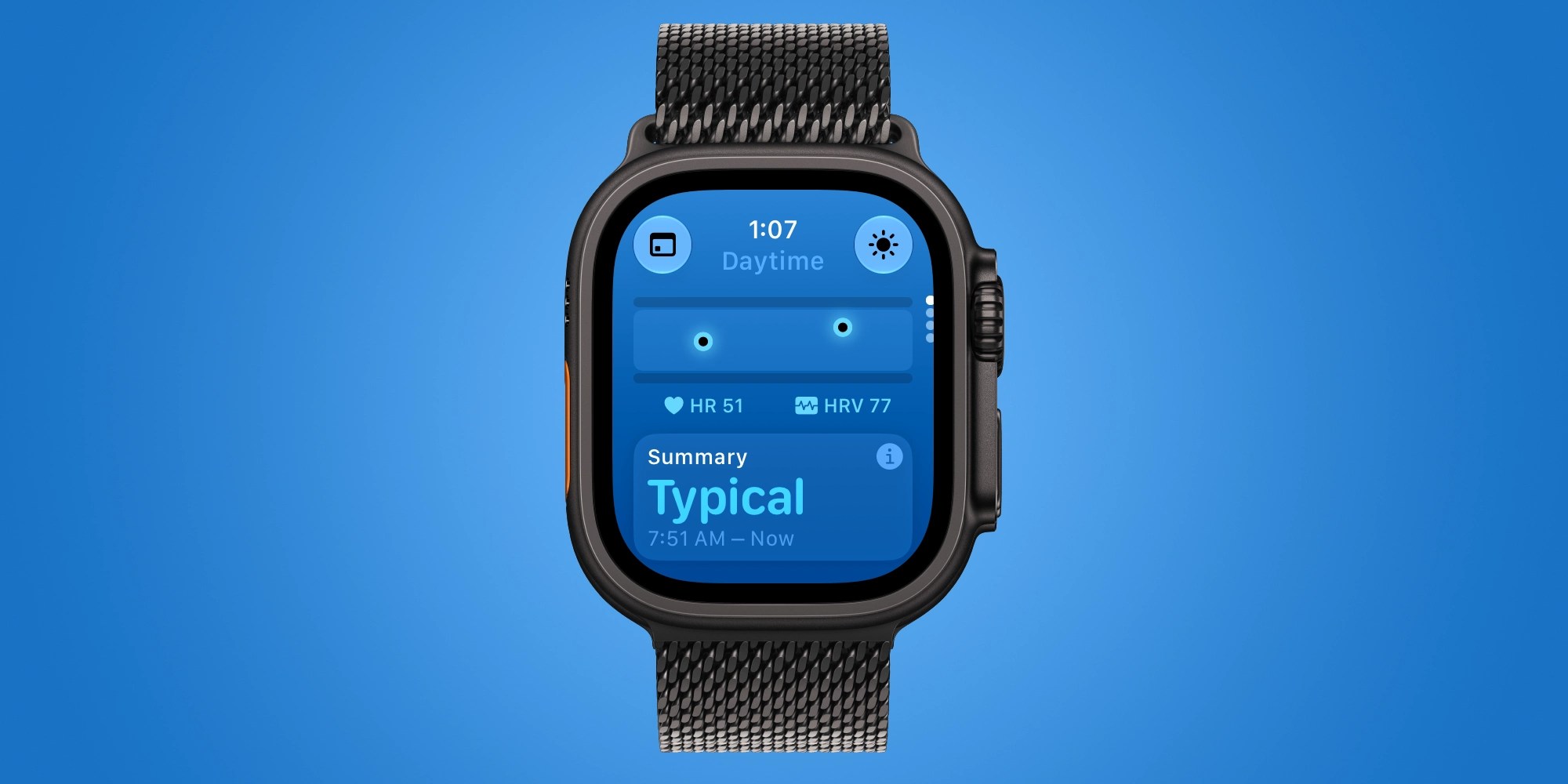
A significant technical improvement in the latest models is the expansion of the Vitals app. In previous versions, the watch primarily focused on nocturnal data, providing a snapshot of how the body recovered during sleep. The Series 12 and Ultra 4, however, introduce "Daytime Vitals."
This feature utilizes the enhanced processing power of the updated sensor array to monitor recovery heart rate variability throughout the day. By analyzing the time between heartbeats during periods of inactivity, the watch can now detect signs of physical or mental stress before they manifest as a significant change in resting heart rate. This proactive data gathering represents a shift in consumer wearables, moving from descriptive data (what happened) to prescriptive analysis (how the body is handling load).
Automated Intelligence: The Integration of Shazam and Siri
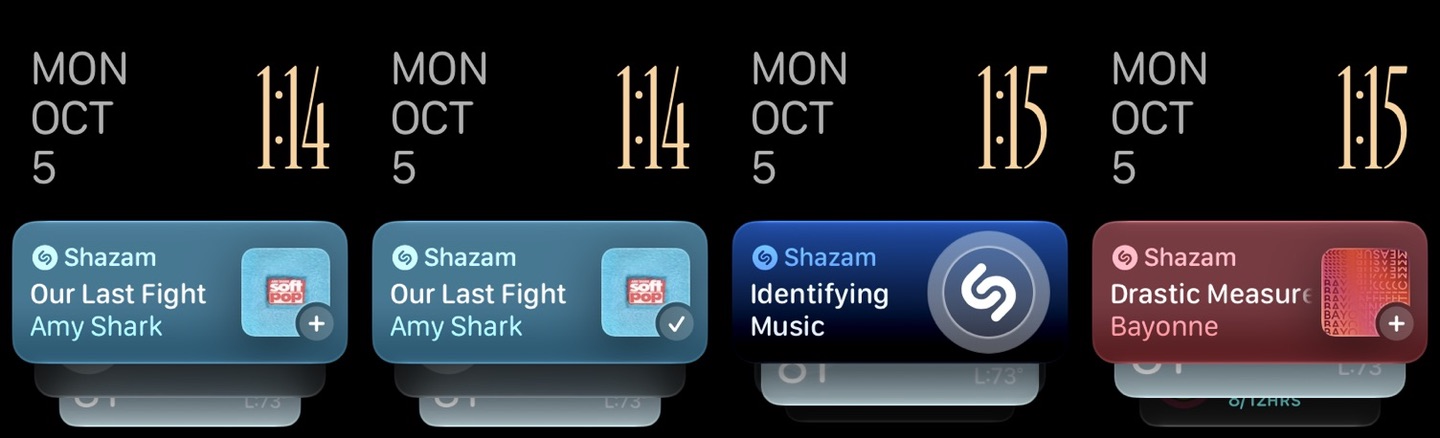
Beyond health, the user experience is streamlined through the integration of ambient intelligence. The introduction of automatic Music Recognition, powered by Shazam, allows the watch to function as an always-on listener. By enabling Music Detection within the Smart Stack settings, the device can identify tracks playing in the background without manual input.
This functionality relies on the watch’s low-power neural processing, which constantly samples ambient audio without uploading raw data to the cloud, maintaining Apple’s stringent privacy standards. The metadata for recognized songs is then seamlessly pushed to the user’s Smart Stack, allowing for immediate interaction, such as adding a track to an Apple Music playlist.
Future-Proofing with Siri Recap and Live Rewind
The current software experience is only the beginning. Apple has confirmed that upcoming updates to watchOS 27 will introduce "Siri Recap" and "Live Rewind." These features are designed to leverage the increased memory bandwidth of the Series 12 and Ultra 4.
Siri Recap will synthesize daily notifications and health alerts into a concise summary, reducing the cognitive load of constantly checking the wrist. Meanwhile, Live Rewind is expected to allow users to "scrub back" through audio captured by the watch, essentially creating an on-device audit trail of recent conversations or ambient events. This suggests that the Apple Watch is evolving into an active personal assistant that records and contextualizes the user’s environment in ways previously reserved for high-end digital voice recorders.

Broader Implications for the Wearable Market
The focus on "Readiness" and "Daytime Vitals" indicates that the wearable industry is moving toward a standard of total-day health tracking. Industry analysts suggest that this trend is forcing competitors to improve their own sensor accuracy and data interpretation algorithms.
However, the primary challenge remains user compliance. The demand for 24/7 wear time creates a hurdle for adoption, particularly for users accustomed to taking their watches off at night. As Apple continues to refine the battery life and charging speeds of its devices, the distinction between a "daytime" and "nighttime" device will likely disappear entirely, establishing the Apple Watch as an indispensable component of modern personal health management.

Practical Recommendations for New Users
- Calibration: Prioritize the first week of ownership by strictly adhering to a sleep-tracking schedule to ensure the Readiness score has sufficient data to calibrate.
- Interface Customization: Move away from static watch faces. Utilize the modularity of the new watchOS to group health metrics that change throughout the day, such as moving from "Activity" in the morning to "Vitals" in the afternoon.
- Smart Stack Hygiene: Frequently curate the Smart Stack to prioritize the Music Recognition and Vitals widgets, ensuring that the most relevant information is available with a single swipe of the Digital Crown.
- Power Management: Establish a consistent 30-minute charging routine during sedentary periods to ensure the device never drops below the threshold required for accurate sensor monitoring.
As these technologies continue to mature, the Apple Watch Series 12 and Ultra 4 serve as a benchmark for the next generation of consumer electronics—devices that act less like gadgets and more like intuitive extensions of the human biological state.