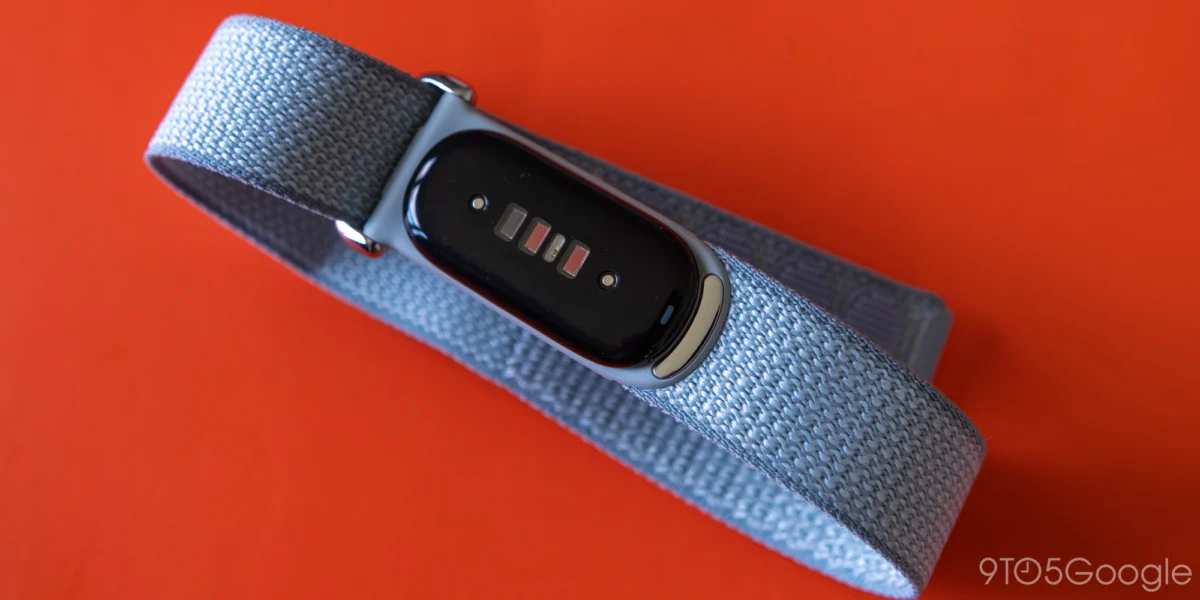
Google Health 5.11 is rolling out this week as a rather big update for Fitbit trackers and the Pixel Watch. This substantial software release marks a significant milestone in Google’s ongoing strategy to integrate advanced physiological monitoring into its wearable ecosystem. The update, which is currently making its way to users on both iOS and Android platforms, introduces sophisticated enhancements to automatic activity detection, long-term health trend monitoring, and sleep analysis, signaling a shift toward more proactive, data-driven personal health management.
Chronology of the 5.11 Rollout and Device Compatibility
The deployment of version 5.11 began in late October 2026, coinciding with the broader hardware release cycle of the Google/Fitbit product line. The core feature of this update, the Improved Automatic Activity Tracking, has been confirmed for the Fitbit Air and the Pixel Watch 3, 4, and 5. Furthermore, the upcoming Fitbit Edge, slated for market release on October 27, 2026, will arrive with these capabilities pre-installed, ensuring parity across the company’s current high-end wearable portfolio.
For users, the update process is staggered. iOS users were granted immediate access to the version 5.11 build via the Apple App Store, while Android users began receiving the update through the Google Play Store on a rolling basis. This phased approach is standard for Google’s health software, allowing the engineering team to monitor server-side stability and ensure that the integration between the Google Health backend and individual device sensors remains seamless.
Expanded Activity Detection: Enhancing Precision
The centerpiece of this update is the overhaul of automatic activity detection. Historically, wearable devices struggled to distinguish between high-intensity interval training, casual movement, and non-exercise movement. With version 5.11, Google has leveraged refined machine learning algorithms that reportedly decrease latency in activity recognition.
By analyzing accelerometer and heart rate variability data with greater frequency, the system can now categorize movements with higher fidelity. For users of the Pixel Watch 3 through 5, this means a more accurate reflection of "active minutes" without the need to manually trigger workout modes. This shift reduces the "friction of entry" for users, encouraging consistent data collection that is essential for accurate long-term health modeling.
The Health Guardian Initiative and Premium Integration
Perhaps the most significant addition in this update is the introduction of the "Health Guardian" suite, specifically curated for Google Health Premium subscribers. This feature set represents a pivot from simple tracking to predictive health analysis. Users of the Fitbit Air and Edge can now configure trend monitoring for two critical health indicators: blood pressure and insulin resistance.
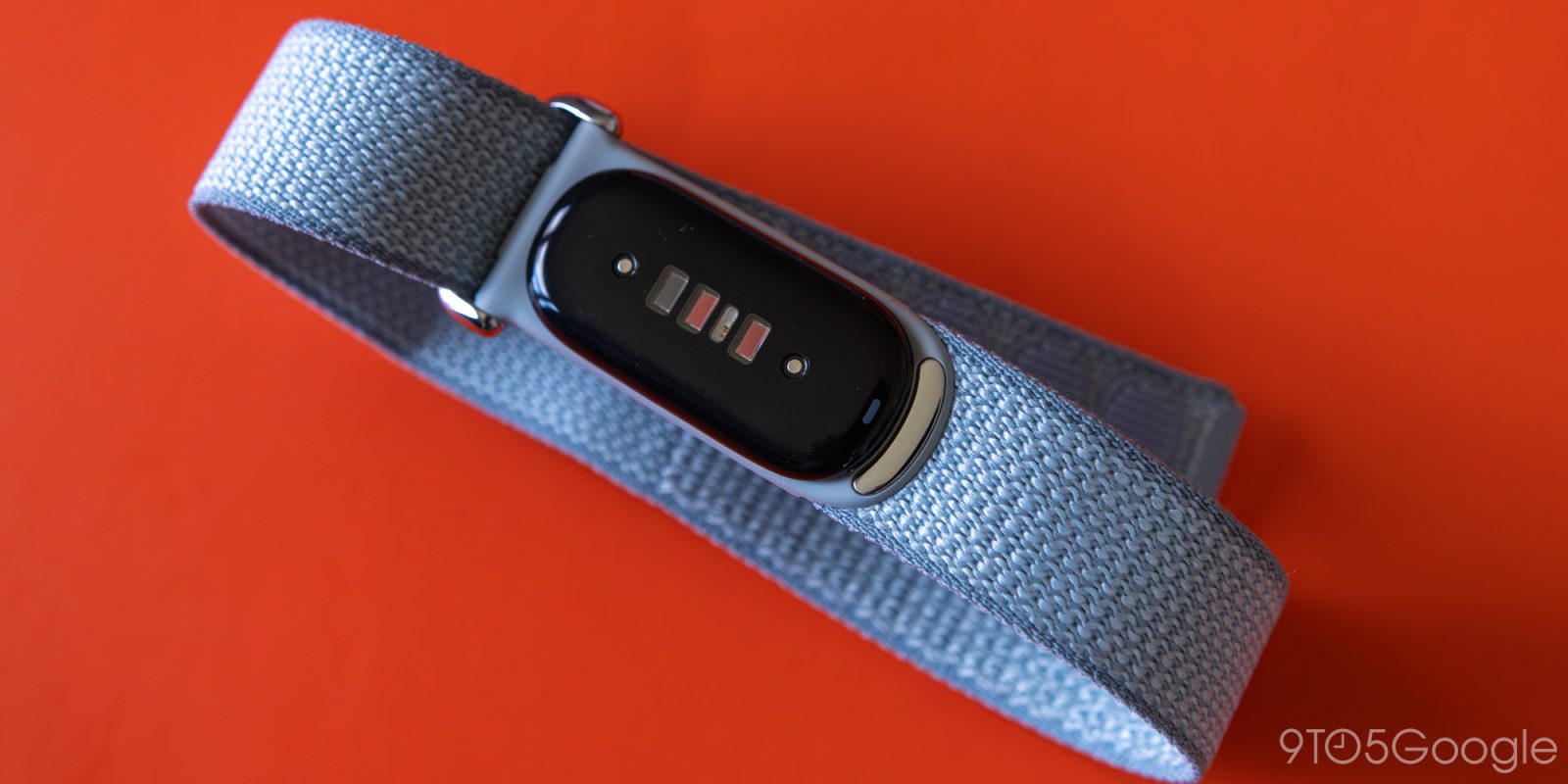
The inclusion of these metrics is a noteworthy step for the consumer wearable market. While medical-grade diagnostic tools remain the gold standard, the integration of these trends allows users to identify correlations between lifestyle choices—such as diet, sleep patterns, and exercise volume—and their physiological responses over time. The company has announced that the first comprehensive report for these metrics will be generated at the beginning of November 2026, providing users with a baseline to track longitudinal changes.
Data privacy remains a core concern for such sensitive health information. Google has reiterated that these trends are processed within the secure enclave of the Google Health ecosystem, with users retaining full control over whether this data is shared with third-party applications or medical providers.
Refined Glucose Management and UI Updates
In tandem with the Health Guardian features, the Google Health application has undergone a nomenclature and interface overhaul regarding glucose monitoring. The term "blood glucose" has been officially simplified to "Glucose" throughout the application. This change is accompanied by a complete redesign of the charts and graphs used to visualize glucose trends.
The new visualization tools are designed to be more intuitive, allowing users to spot spikes and dips in glucose levels with greater clarity. By moving away from dense, tabular data to a more fluid, interactive graphical interface, Google is aiming to make the management of blood glucose more accessible to non-medical users. This is particularly relevant for the growing number of users who utilize continuous glucose monitors (CGMs) in conjunction with their Fitbit or Pixel Watch devices.
Advanced Sleep Tracking Capabilities
Sleep tracking has long been a pillar of the Fitbit experience, but version 5.11 brings qualitative improvements to the underlying logic of the software. The update introduces more robust wake detection algorithms, which are designed to reduce the false positives that often occur when a user remains stationary but is actually awake.
Additionally, the update grants users greater agency over their sleep data through improved nap editing. Previously, short periods of rest or accidental "nap" detections were difficult to prune from the primary sleep record. The new interface allows for granular editing of sleep sessions, ensuring that the total sleep duration and sleep stage distributions are as accurate as possible. This accuracy is vital, as sleep stage analysis is a key input for the "Readiness Score" metrics that determine a user’s capacity for physical activity on any given day.
Analysis: The Strategic Direction of Google Health
The release of version 5.11 underscores Google’s broader ambition: to transform its wearables from simple step-counters into comprehensive health companions. By focusing on "Health Guardian" features, the company is effectively competing with specialized medical hardware, albeit within the context of a consumer wellness platform.

Industry analysts observe that this move aligns with a wider trend in the wearable technology sector, where manufacturers are increasingly focusing on "actionable insights" rather than raw data. By offering trends in insulin resistance and blood pressure, Google is moving closer to providing the kind of information that historically required a visit to a physician. While the company maintains that these features are for informational purposes and not for medical diagnosis, the utility for proactive health management is undeniable.
The timing of this update is also strategic. By ensuring these features are available on the Pixel Watch 5 and the incoming Fitbit Edge, Google is creating a strong value proposition for consumers who are weighing the merits of the Google ecosystem against competitors like Apple or Garmin. The subscription-based model of Google Health Premium, which gates these advanced analytics, provides a recurring revenue stream that justifies the significant investment in R&D required to refine these complex health-tracking algorithms.
Official Response and Consumer Implications
While Google has not released a public statement regarding the specific technical hurdles of this rollout, the company’s support documentation emphasizes the necessity of consistent, high-quality data input for the new features to function correctly. The company has encouraged users to ensure their devices are synced regularly and that firmware is updated to the latest available version to avoid potential gaps in data reporting.
The implications for the average user are profound. For those managing chronic conditions, the ability to view glucose, blood pressure, and sleep data in a unified dashboard—now more visually accessible than ever—simplifies the burden of self-monitoring. However, it also places a greater responsibility on the user to interpret this data correctly. Google’s inclusion of descriptive charts and trend reporting acts as a bridge, helping users understand the "why" behind their health metrics.
As the deployment continues through the remainder of the quarter, the industry will be watching closely to see how effectively these features impact user engagement. If the improved activity tracking and Health Guardian tools lead to higher retention rates among Premium subscribers, it is likely that Google will continue to expand the scope of its health monitoring capabilities, potentially moving into more niche areas of physiological tracking in the future.
For now, the 5.11 update serves as a testament to the rapid pace of innovation in the wearable space. As software becomes the primary differentiator between hardware iterations, users can expect these periodic, feature-rich updates to become the standard expectation for their devices. The integration of high-level health insights into the daily workflow of a smartwatch represents not just an improvement in software, but a fundamental shift in how technology enables individuals to understand and manage their own biological health.