The demand for high-performance, versatile outdoor apparel has surged significantly over the last decade, driven by an increasing demographic of individuals who prioritize both aesthetic "cabin-core" fashion and technical durability. As of late 2026, the outdoor gear market has seen a notable shift toward multifunctional garments that bridge the gap between rugged backcountry utility and casual, everyday wear. Among the brands gaining traction in this specialized sector is Allover Apparel, a manufacturer that has recently garnered attention for its innovative approach to traditional overalls and utility wear.
The Evolution of Outdoor Utility Wear
Historically, the market for women’s outdoor overalls has been polarized. Consumers have generally faced a choice between heavy-duty, industrial-grade workwear that lacks ergonomic flexibility, or lightweight fashion pieces that fail to withstand harsh environmental conditions. Sensory considerations—such as the presence of abrasive metal hardware, stiff zippers, and non-breathable synthetic fabrics—have long been identified as pain points for users with specific tactile sensitivities.

Allover Apparel entered the market with the explicit goal of resolving these ergonomic and functional limitations. By leveraging Bluesign-approved, recycled polyester-spandex blends, the company has sought to balance high-tensile strength with the soft-touch requirements of modern outdoor enthusiasts. The brand’s design philosophy focuses on "active mobility," a concept that incorporates mechanical stretch into garment construction to accommodate the range of motion required for activities such as climbing, winter camping, and Nordic skiing.
Product Development and Technical Specifications
The core of the brand’s current offerings, the Women’s Lookout Overalls 2.0, represents a technical refinement of their original design. According to product specifications, the garment utilizes a fabric composition of 94 percent recycled polyester and 6 percent spandex, providing a moisture-wicking and abrasion-resistant surface.
Key technical features include:
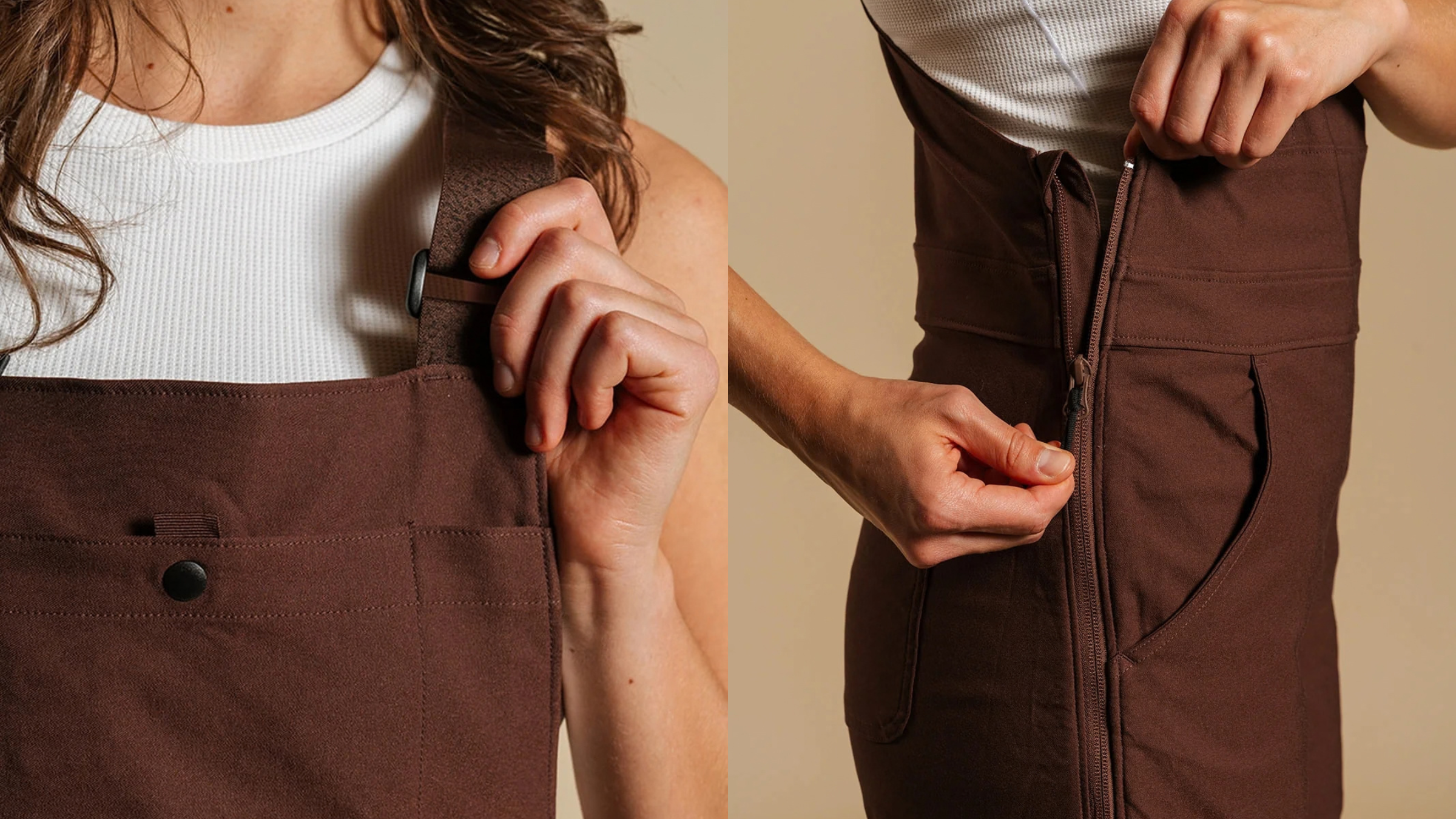
- Hardware Integration: The replacement of traditional metallic, high-friction buckles with non-release, integrated strap systems designed to minimize pressure points on the shoulders.
- Tactile Optimization: The incorporation of hidden zipper tracks shielded by fabric overlays to prevent direct contact with skin, specifically engineered for users with sensory sensitivities.
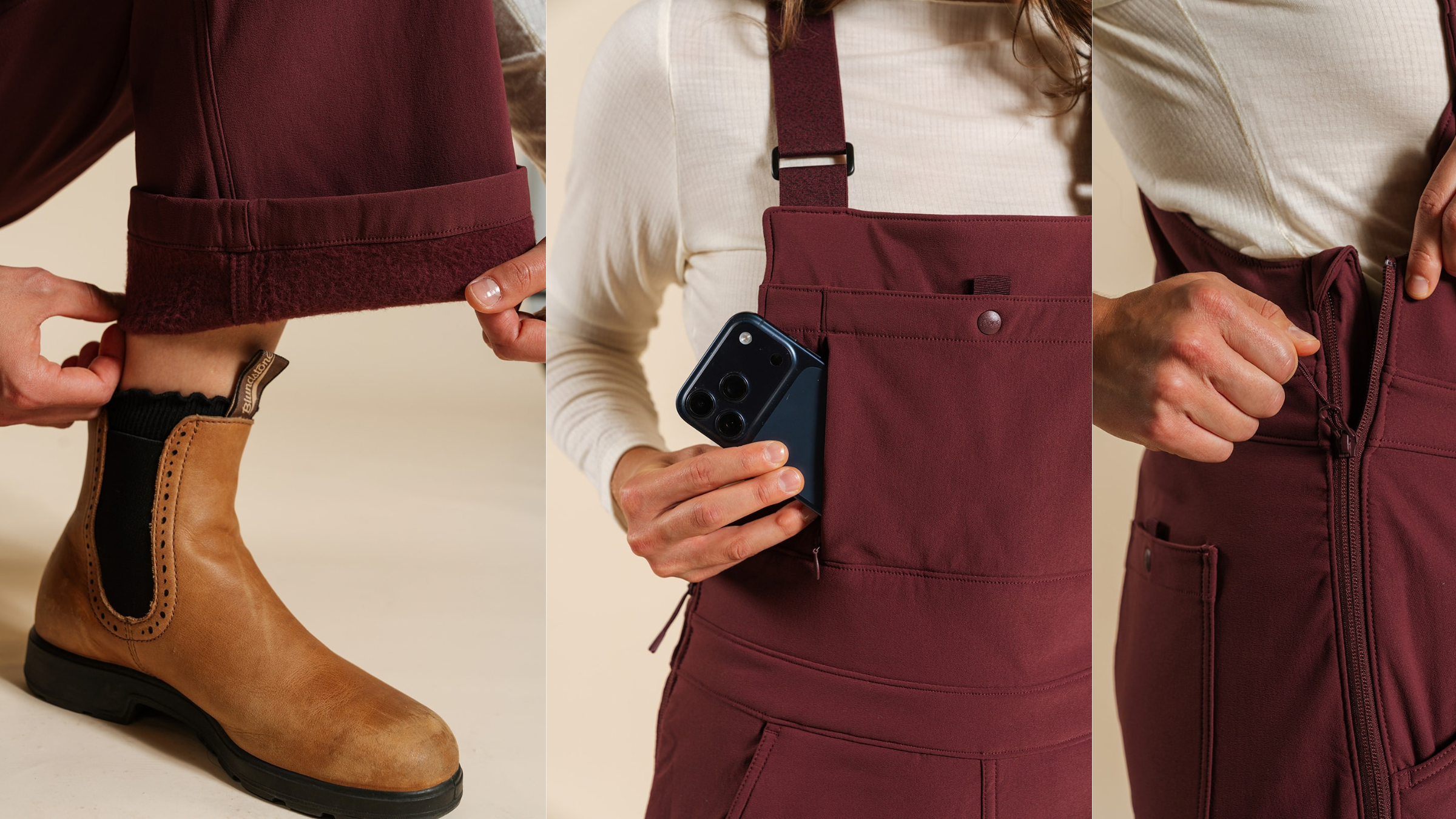
- Strategic Utility: The inclusion of seven distinct storage pockets, including an internal secure-access pocket for electronic devices.
- Ergonomic Functionality: The implementation of a lateral, mid-thigh zipper system designed to facilitate restroom access in remote environments without requiring the complete removal of the garment or peripheral gear such as backpacks or harnesses.
Market Entry: The Fooses Winter Overalls
In response to the success of the Lookout line, Allover Apparel expanded its portfolio in 2026 to include the Fooses Winter Overalls, a model specifically tailored for cold-weather environments. The development of the Fooses line acknowledges the logistical challenges of winter recreation, where traditional layering can often feel restrictive.
Industry analysts note that the Fooses design incorporates a "sleeping-bag" aesthetic, utilizing insulated, windproof, and waterproof materials that maintain high mobility. The inclusion of eight pockets and a wider leg profile serves a dual purpose: accommodating thick base layers and providing enhanced coverage over mountaineering or ski boots. Unlike the lighter Lookout model, the Fooses are engineered with a slightly more generous fit, a deliberate decision by the design team to ensure that the garments function effectively as an outer shell over thermal insulation.
The Broader Impact on Sustainable Textile Production
The adoption of Bluesign-approved materials by Allover Apparel reflects a wider industry trend toward sustainable textile production. Bluesign is an international standard that certifies the absence of harmful substances and ensures high environmental, health, and safety standards throughout the supply chain.

For the modern consumer, the transition toward recycled materials is not merely a preference but a significant market driver. Data from the outdoor industry indicates that nearly 60 percent of active-duty outdoorspeople now consider the environmental footprint of their gear as a primary factor in purchasing decisions. By utilizing recycled polyester, Allover Apparel aligns itself with the circular economy, reducing the reliance on virgin petroleum-based synthetics.
Performance Testing and User Feedback
While initial testing has occurred in diverse environments ranging from the North Cascades to local trails in Eastern Washington, the brand has been subject to rigorous real-world field evaluations. Longitudinal testing, spanning six months of continuous use in various weather conditions—including heavy precipitation and sub-freezing temperatures—suggests that the materials maintain structural integrity without the need for frequent laundering, a trait highly valued in backcountry scenarios.
Critics and users alike have pointed to the brand’s sizing strategy as a critical area for consumer consideration. Due to the intentional "relaxed fit" design, many users have reported that the garments run large compared to standard retail sizing, particularly in the winterized models. This underscores a trend in outdoor apparel: prioritizing volume to accommodate layering rather than emphasizing a slim, aesthetic silhouette.
Strategic Implications for the Future of Apparel
The rise of brands like Allover Apparel signals a broader shift in the retail landscape. The "hybridization" of clothing—where items are designed to transition seamlessly from the wilderness to the office or home—is increasingly replacing traditional "single-use" gear.
The economic implications for the sector are significant. By diversifying their utility, manufacturers are able to justify higher price points, as the consumer perceives a higher "cost-per-wear" value. As Allover Apparel continues to iterate on its designs, the primary challenge will be maintaining the balance between the specialized requirements of the climbing/hiking community and the aesthetic demands of the broader lifestyle market.
Furthermore, the brand’s focus on hardware-free tactile experiences highlights a long-overlooked demographic in the outdoor industry: those who require sensory-friendly apparel to participate fully in outdoor activities. This inclusivity in design is expected to become a benchmark for future outdoor gear manufacturers who wish to remain competitive.
Conclusion
The trajectory of Allover Apparel since its inception suggests that the market for highly functional, aesthetically pleasing, and ethically manufactured gear is far from saturated. By addressing technical pain points—from the ease of restroom access in the backcountry to the tactile comfort of zippers and buckles—the brand has effectively created a niche that appeals to both the hardcore mountaineer and the casual, outdoor-oriented consumer.
As the industry moves toward 2027, the focus for such companies will likely shift toward further innovation in material science, specifically regarding the longevity of waterproof coatings and the continued refinement of insulation-to-weight ratios in winter gear. For the time being, the success of the Lookout and Fooses lines serves as a case study in how targeted, user-centric design can disrupt established apparel categories and foster deep brand loyalty among a highly discerning customer base. Whether these garments remain a staple of the outdoor wardrobe will depend on their continued performance under the increasing strain of climate-varied travel and the durability expectations of the modern outdoor enthusiast.