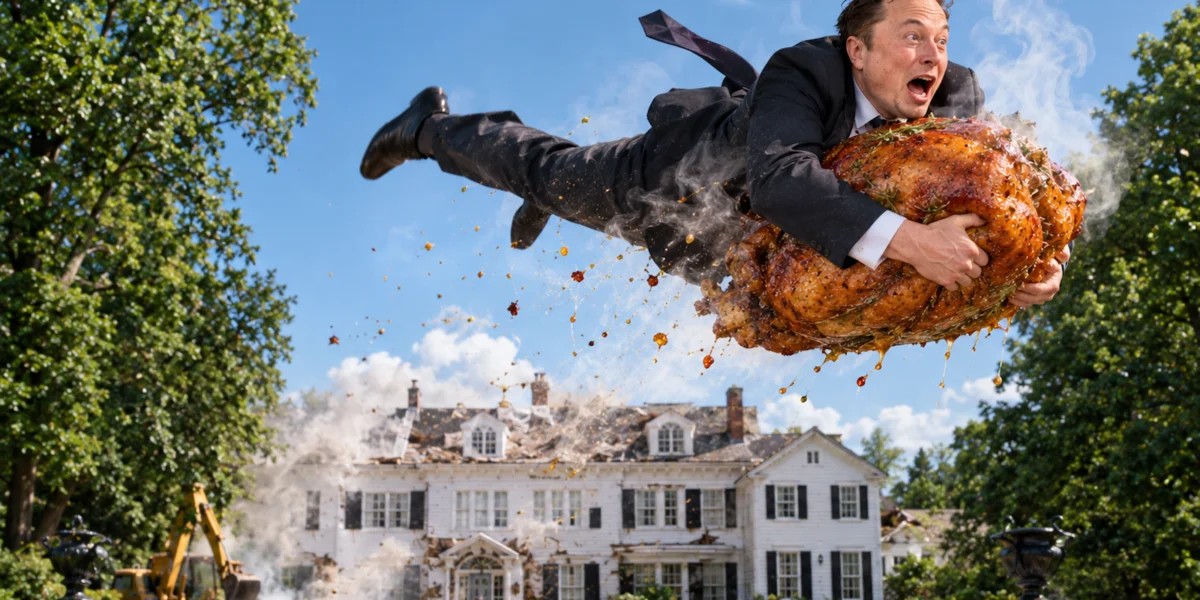
The ongoing saga surrounding the next-generation Tesla Roadster took yet another unexpected turn as CEO Elon Musk announced a further delay to the vehicle’s much-anticipated demonstration. Originally slated for an October 1 unveiling, the physical debut of the high-performance electric sports car has been pushed back by approximately two weeks. Musk cited unfavorable weather conditions as the primary rationale for postponing the event, noting that the atmospheric elements would be too severe to safely or effectively showcase the vehicle’s heavily publicized, albeit unconventional, technological capabilities.
This latest postponement adds to a nearly decade-long timeline of missed deadlines, shifting target dates, and growing skepticism from automotive analysts and early reservation holders alike. For consumers who committed substantial capital—in some cases wiring deposits of up to $250,000 for the exclusive Founders Series—the ongoing wait has transformed from an exercise in patience into a study of corporate timeline management. Industry commentators have increasingly drawn parallels between the protracted development cycle of the Roadster 2.0 and classic cautionary tales of prolonged product development, highlighting the growing tension between visionary marketing and tangible automotive manufacturing milestones.
The Chronology of Broken Promises: A Nine-Year Delay
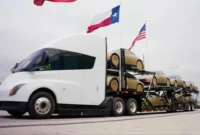
To understand the weight of the current delay, one must examine the timeline of the second-generation Roadster, which has stretched far beyond its original projections. When Elon Musk first unveiled the concept in November 2017 during the surprise debut of the Tesla Semi, the Roadster 2.0 was greeted with rapturous applause and audacious performance claims. Musk boasted that the vehicle would achieve a zero-to-sixty acceleration time of 1.9 seconds, a top speed exceeding 250 miles per hour, and a staggering 620-mile range from a 200 kWh battery pack. Furthermore, the vehicle was pitched as a halo product that would deliver "smackdown to gasoline cars."
At the time of the 2017 unveiling, production was officially scheduled to begin in 2020. However, as 2020 approached, global supply chain pressures, the onset of the COVID-19 pandemic, and Tesla’s strategic redirection toward scaling high-volume models such as the Model Y and the Cybertruck resulted in the Roadster being repeatedly pushed to the back burner. By 2021, Musk announced that production had been pushed to 2023. As 2023 came and went without a production-ready vehicle rolling off the line, the timeline shifted again toward late 2024 for a potential unveiling, with manufacturing theoretically slated to follow at an unspecified future date.
Now, with the calendar reading late 2026, the vehicle remains in a perpetual state of transition. The decision to delay the early October demonstration by two weeks due to weather concerns, while seemingly minor in the context of a nine-year wait, underscores the delicate nature of Tesla’s promotional rollouts for a vehicle that continues to exist primarily in concept renderings and prototype appearances.
Financial Commitments and Consumer Sentiment
The prolonged development cycle of the Roadster 2.0 places a unique financial and psychological burden on its most dedicated supporters. Unlike traditional vehicle reservations, which often require refundable deposits of a few hundred dollars, securing a spot for the Roadster required significant financial outlay. Standard reservations required a $50,000 wire transfer, while the limited-run Founders Series demanded the full $250,000 upfront, interest-free, to secure one of the first 1,000 production units.
For nearly a decade, thousands of customers have kept hundreds of millions of dollars tied up in Tesla’s corporate accounts without a concrete delivery date in sight. This dynamic has sparked intermittent legal and consumer inquiries, though the allure of owning what is promised to be the fastest accelerating production car in the world has kept most reservation holders tethered to the brand. Financial analysts note that while these deposits represent an interest-free loan to the automaker, the reputational cost of continually moving the finish line can gradually erode consumer trust among high-net-worth buyers who have alternative options in the burgeoning electric supercar market from legacy luxury brands and nimble EV startups alike.
Regulatory Hurdles in Europe: Full Self-Driving (Supervised) Delayed
While the Roadster continues to capture headlines for its aesthetic and performance ambitions, regulatory roadblocks are simultaneously impacting Tesla’s core autonomous software ambitions across the Atlantic. Regulatory bodies within the European Union have elected to delay the official vote and subsequent approval process for Tesla’s Full Self-Driving (Supervised) software package until at least December.
The delay highlights the stringent safety validation processes enforced by European regulators, particularly regarding advanced driver-assistance systems (ADAS) operating under UNECE (United Nations Economic Commission for Europe) regulations. Unlike the regulatory environment in the United States, where manufacturers can deploy features under "beta" or supervised monikers with broader latitude, European authorities require rigorous, exhaustive validation data proving that autonomous systems meet stringent functional safety standards before public highway deployment can be authorized.
This regulatory friction is expected to slow Tesla’s broader monetization strategy for its software suite in international markets. With European regulators exercising heightened caution, the timeline for widespread commercial deployment of unsupervised or heavily autonomous features outside of North America remains highly uncertain.

Liability and the Debate Surrounding Autonomous Incidents
As the discourse surrounding Full Self-Driving and autonomous vehicle technology intensifies, public and regulatory scrutiny regarding liability in the event of an accident has taken center stage. Recent industry data and public debates have forced policymakers, insurance providers, and automotive engineers to grapple with a fundamental question: Who bears the ultimate responsibility when a vehicle operating on autonomous software causes a collision?
Automotive industry experts generally divide liability into distinct categories: the manufacturer of the software and hardware (Tesla), the human supervisor behind the wheel who maintains legal responsibility under current "Supervised" classifications, and regulatory bodies that approve the deployment of such systems on public infrastructure. Proponents of autonomous technology argue that advanced driver-assistance systems ultimately reduce human error—which accounts for the vast majority of traffic fatalities globally—and that software manufacturers should share liability proportionally when system disengagements or misclassifications occur.
Conversely, legal scholars and traditional insurers emphasize that because systems like Tesla’s FSD currently require constant human supervision and readiness to take over steering or braking, the driver remains legally and ethically culpable for any mishaps on the road. This unresolved legal landscape continues to complicate insurance frameworks, municipal transit planning, and consumer adoption rates on a global scale.
Broader Implications for Tesla’s Product Ecosystem
The convergence of delayed hardware reveals, international regulatory pushback on software, and ongoing debates regarding autonomous liability paints a complex picture for Tesla as it navigates the latter half of the decade. While the company maintains its dominant market share in global electric vehicle sales through the high-volume Model 3 and Model Y lines, its valuation has increasingly relied on the promise of futuristic technologies—ranging from humanoid robots and robotaxis to flying supercars.
The postponement of the Roadster 2.0 demonstration, while a localized event in a massive corporate portfolio, serves as a microcosm of the challenges facing capital-intensive technological developments. As competitors catch up in vehicle performance, battery efficiency, and software sophistication, the luxury of protracted timelines may begin to narrow. Whether the upcoming mid-October demonstration will finally provide the concrete specifications and manufacturing schedules that investors and consumers demand remains to be seen. For now, the automotive world watches, waits, and adjusts its collective calendar once more.