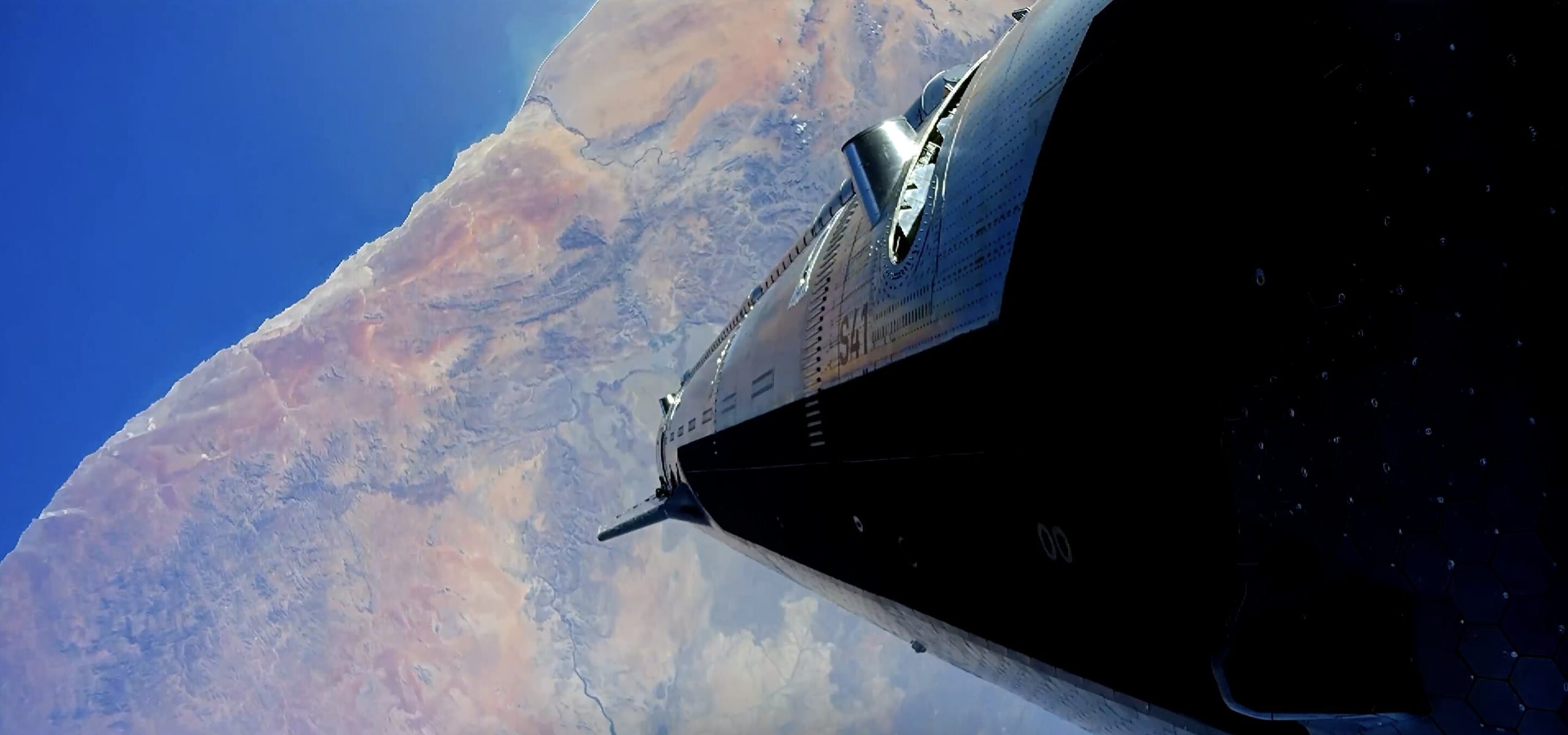
SpaceX achieved a monumental milestone in aerospace history on Monday, September 28, 2026, when its next-generation Starship launch vehicle successfully reached orbit for the very first time during Flight 14. What began as a nail-biting test flight fraught with early engine anomalies ultimately transformed into a masterclass in engineering resilience, risk management, and commercial execution. Liftoff from Starbase in Boca Chica, Texas, proceeded smoothly, but the ascent quickly tested the mettle of the flight control team when one of Ship 41’s six Raptor engines experienced an early shutdown.
For several tense minutes, the mission’s fate hung in the balance. SpaceX livestream host Dan Huot informed global viewers that the internal control room team was deliberating whether to abort the orbital insertion burn, a safety protocol written directly into the mission architecture. However, following a rigorous series of data reviews and polls, flight controllers elected to proceed. A single Raptor engine executed a crucial 19-second burn, successfully pushing the spacecraft into a stable orbit approximately 170 miles above Earth. This high-stakes decision validated a carefully calculated risk framework designed to push boundaries while preserving system redundancy.
The Anatomy of Flight 14: Engineering Under Pressure
The successful orbital push during Flight 14 was not a matter of luck, but the result of rigorous contingency planning. Ahead of the launch, mission planners established strict parameters regarding backup hardware availability. Specifically, flight controllers were instructed to greenlight the orbital insertion burn only if sufficient healthy systems remained to safely execute a subsequent deorbit burn should things go awry. The loss of a Raptor engine on Ship 41 represented the exact failure scenario this rule was engineered to address.
Historically, SpaceX has cultivated a corporate culture deeply rooted in iterative failure and rapid prototyping—a philosophy famously championed by CEO Elon Musk. From the harrowing early days of the Falcon 1, which suffered three consecutive failures before finally reaching orbit in 2008 when the company was on the brink of bankruptcy, to the explosive early developmental flights of Starship prototypes, risk tolerance has been a core tenet of the company’s identity.
However, the operational landscape of 2026 presents a significantly different financial reality. With SpaceX operating as a publicly traded entity under the ticker symbol $SPCX, market pressures have taken on a new dimension. Following a dip in share prices below its initial public offering (IPO) price in July—triggered by delays surrounding Flight 13—short interest in the company had climbed notably. A catastrophic vehicle loss during a high-profile orbital attempt, particularly one carrying revenue-generating next-generation hardware, would have carried immediate repercussions for shareholders. Despite these heightened financial stakes, Musk has carefully structured SpaceX’s governance to insulate its long-term interplanetary objectives from short-term market fluctuations.
Operational Adjustments and Controlled Splashdown
The delicate balance between ambition and caution became immediately apparent following successful orbital insertion. Mission parameters were visibly adjusted, cutting a planned ten-hour flight down to a condensed three-hour profile. SpaceX elected to shift the splashdown zone from its original location west of Chile to the North Pacific Ocean near Hawaii. While the company did not issue a formal detailed rationale for the altered trajectory, Musk noted earlier in the month that teams were exercising heightened caution regarding orbital debris mitigation.
The final phases of the flight unfolded as scripted. The critical single-Raptor deorbit burn executed flawlessly, allowing Ship 41 to complete its complex aerodynamic flip and terminal landing burn before breaking apart upon impact with the Pacific waters—an expected outcome for this phase of the testing campaign. This controlled conclusion marked another successful data-gathering milestone, paving the way for rapid turnaround times between flight campaigns. Industry observers anticipate that Flight 15 could launch as early as October 19, leaving engineering teams a tight three-week window to diagnose the root cause of Monday’s premature engine shutdown.

The Starlink V3 Business Case and Constellation Scaling
While the engineering feat of reaching orbit commanded global headlines, the true economic narrative of Flight 14 lies within its payload. Ship 41 successfully deployed 26 next-generation Starlink V3 satellites, with telemetry confirming that all units were operating nominally shortly after deployment.
The introduction of the Starlink V3 architecture represents a quantum leap in global satellite internet capacity. Each V3 satellite is engineered to deliver an estimated 1 terabit per second (Tbps) of downlink capacity and 160 gigabits per second (uplink). Consequently, a single Starship launch adds approximately 26 Tbps of total network bandwidth—representing a staggering tenfold increase over a standard Falcon 9 payload of V2 Mini satellites.
Crucially, the physical dimensions and mass of the V3 satellites make them entirely incompatible with the Falcon 9 launch vehicle. This structural limitation positions Starship as the exclusive logistical engine capable of deploying SpaceX’s ultimate vision: a sprawling constellation of up to 100,000 satellites, deployed at a rate of up to 60 units per flight once routine commercial service commences. Unlike the 20 prototype V3 units carried on Flight 13, which reentered the atmosphere on suborbital trajectories, the satellites deployed during Flight 14 possess the onboard propulsion necessary to raise their operational orbits. Analysts project these units will begin actively serving commercial broadband customers within weeks, unlocking hundreds of millions of dollars in recurring annual revenue. With this capability now proven, SpaceX has begun actively winding down Falcon 9 Starlink launch operations from its Florida pads, redirecting its operational focus toward Starship-centric deployment schedules.
Tesla Cybercab Fleet Doubles in Austin Amid Autonomous Push
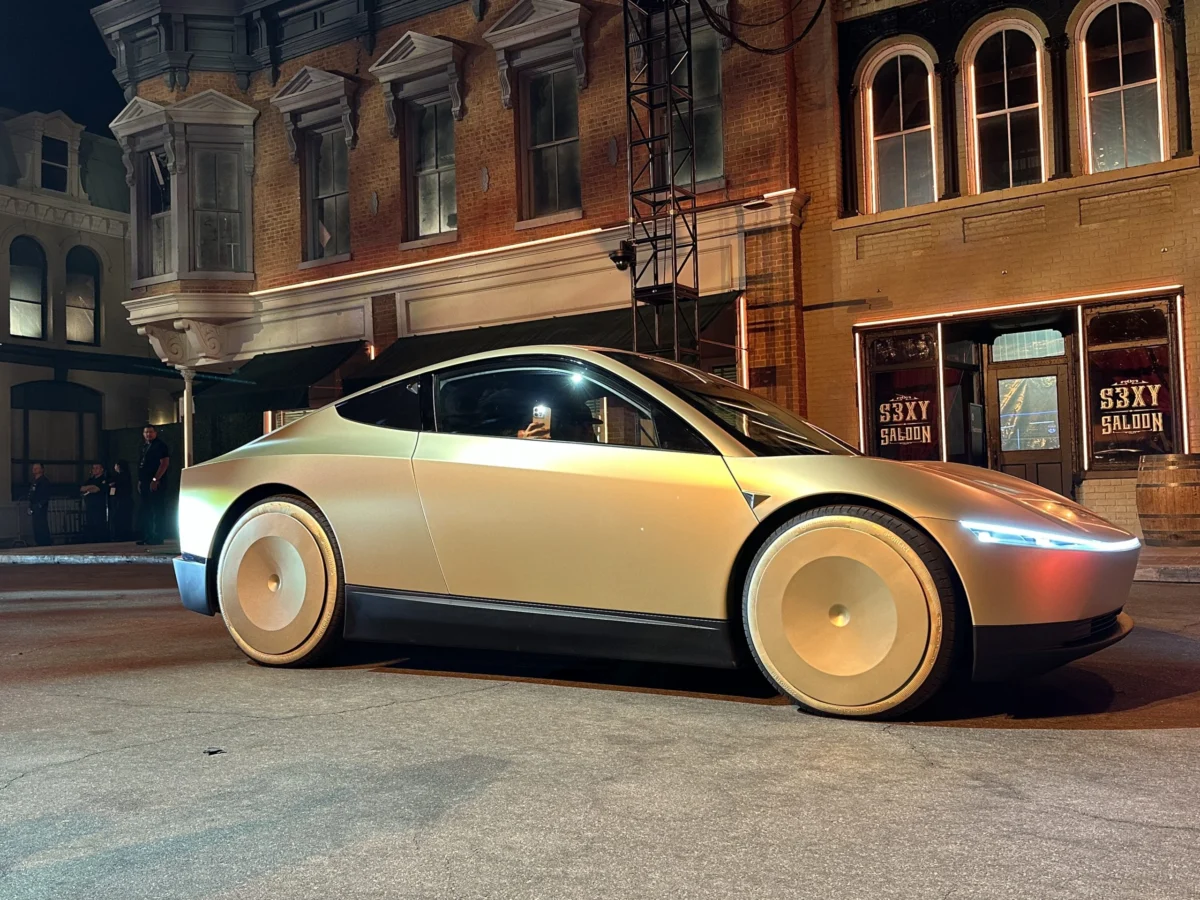
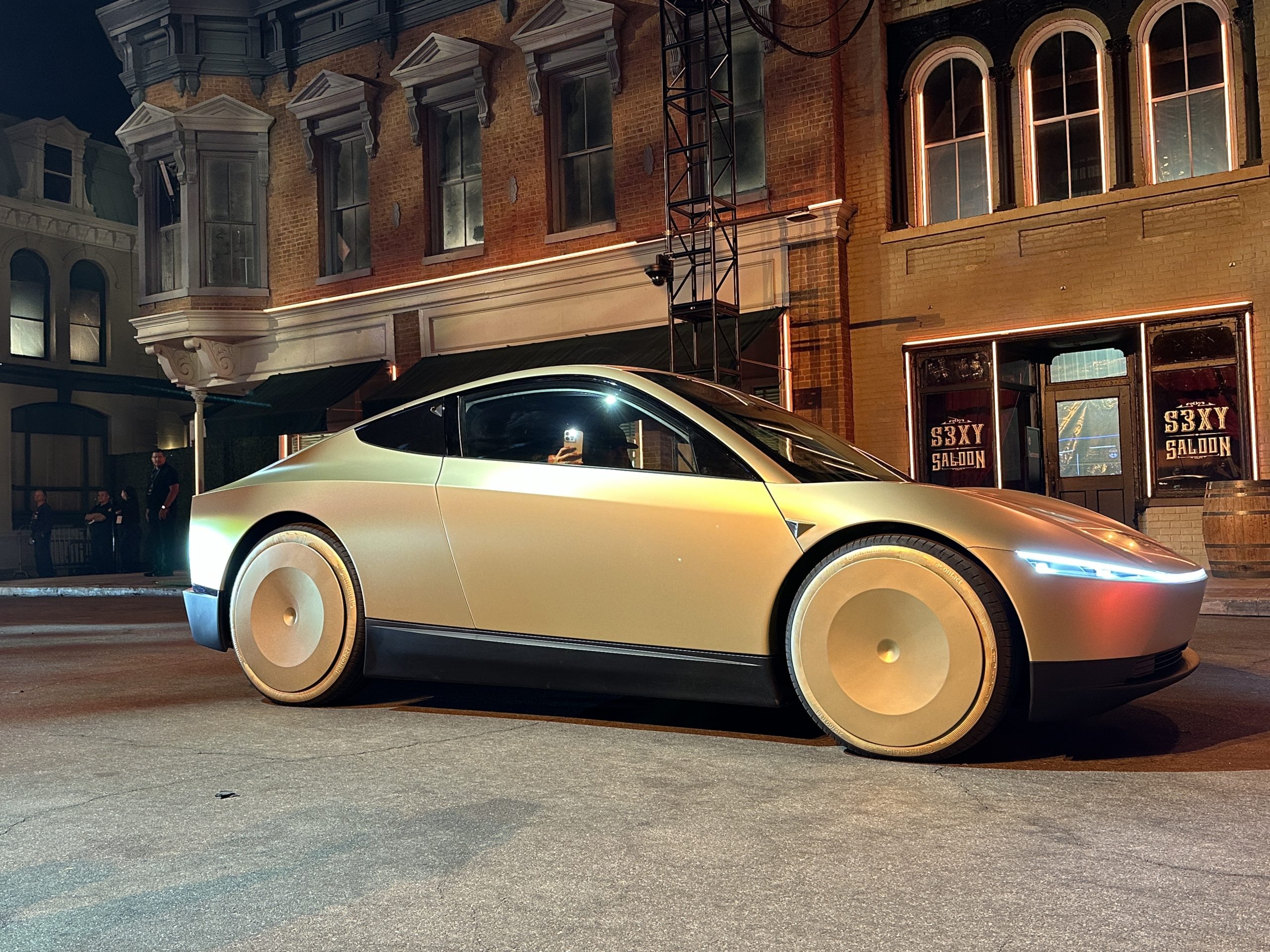
While SpaceX dominated the aerospace sector, sister company Tesla made significant waves on terrestrial transportation fronts by quietly doubling the operational footprint of its autonomous Cybercab fleet in Austin, Texas. Over the weekend, local riders began receiving notifications via the Tesla Robotaxi application stating that the active fleet had expanded significantly to well over 100 units.
The rapid scale-up follows Tesla’s formal public rollout of Cybercab rides in early September, though the broader ride-sharing program had been quietly active in testing capacities since the previous summer. The Cybercab represents a radical departure from traditional automotive design; it is the first production vehicle engineered from the ground up to operate entirely without a steering wheel or pedals, relying exclusively on end-to-end autonomous software.
Data from local monitoring indicates that fleet availability expanded sharply from 58 operational units on a Monday to 125 units by Friday of the same week. This substantial capacity increase addresses early consumer feedback regarding elevated wait times during the initial public launch phase. Industry analysts interpret the rapid expansion as a clear signal of growing consumer demand and an increasing level of internal confidence within Tesla. The company’s Full Self-Driving (FSD) software suite has demonstrated a growing capability to navigate complex urban traffic scenarios safely without explicit human oversight or intervention. While currently restricted to the Austin metropolitan area, Tesla’s long-term roadmap envisions deploying the Cybercab across multiple major U.S. markets in the coming quarters.
Tesla Semi Revolutionizes Heavy Transport with "No Human Contact" Production
Complementing its autonomous passenger vehicle developments, Tesla revealed groundbreaking manufacturing methodologies for its all-electric Class 8 truck during the Semi Handover event at its new dedicated facility in Sparks, Nevada. Spanning 1.8 million square feet and situated adjacent to the existing Gigafactory Nevada, the new plant is engineered for an ambitious peak production rate of 50,000 trucks annually.

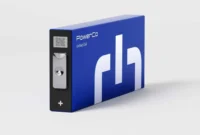
Following a meticulous four-year redesign process and extensive pilot fleet testing—primarily with early commercial adopters such as PepsiCo, DHL, and U.S. Foods—Tesla has transitioned the Semi platform from traditional 2170 battery cells to its in-house 4680 cylindrical cells, produced at Giga Texas. This architectural transition successfully reduces total battery pack mass while preserving essential vehicle range, a vital prerequisite for scaling commercial production.
What captured the attention of manufacturing experts, however, is Tesla’s implementation of a fully automated logistics and assembly pipeline. According to presentations by Lars Moravy, Vice President of Vehicle Engineering, and Dan Priestley, Head of the Semi Program, Tesla has engineered a "zero human touch point" supply chain. Under this system, trailers loaded with 4680 cells arriving from Giga Texas will be unloaded automatically by dedicated robotic lines at the Nevada facility. The cells are autonomously staged, transported, and fed directly into pack assembly and vehicle production lines without ever being handled by human operators.
This closed-loop manufacturing philosophy extends deeply into the facility’s floor design. The plant utilizes the automotive industry’s highest-capacity electric monorail conveyance systems to transport frames-in-white simultaneously, while widespread adoption of advanced powder-coating replaces traditional, labor-intensive painting processes. By minimizing physical touchpoints, supply chain buffers, and transit damages, Tesla aims to drive down the production costs of a component that traditionally constitutes the vast majority of an electric commercial vehicle’s weight and expense.
Broader Implications and Future Outlook
The simultaneous milestones achieved across SpaceX and Tesla during the final week of September 2026 underscore a defining era of industrial automation, vertical integration, and aggressive technological scaling. SpaceX’s successful orbital insertion of Starship Flight 14 definitively proves that heavy-lift interplanetary logistics and next-generation mega-constellations are no longer theoretical concepts, but active commercial realities. By overcoming mid-flight anomalies through rigorous contingency engineering, SpaceX has solidified a transport system capable of reshaping global telecommunications and space exploration.
Simultaneously, Tesla’s dual-pronged terrestrial advancements—doubling its autonomous Cybercab fleet to over 100 units in Austin and implementing zero-touch automated manufacturing for the Tesla Semi in Nevada—demonstrate a relentless execution of Musk’s vision for "the machine that builds the machine." As these disparate yet interconnected technological ecosystems continue to mature through the final months of 2026, the boundary between visionary engineering and scalable commercial reality continues to dissolve.