As the transition from late-summer paddling excursions to crisp autumn temperatures takes hold, the editorial staff at Backpacker magazine has released its comprehensive gear evaluation report for September 2026. Following a rigorous month of field testing that spanned from late-season waterways and high-altitude South American snowfields to the rugged terrain of Wisconsin’s Ice Age Trail, editors have identified three standout products. These items—designed to optimize safety, comfort, and sustained energy during demanding outdoor pursuits—were selected to assist backpackers in preparing for the upcoming 2027 Spring Gear Guide cycle.
The September testing protocol formed part of an ongoing, year-round evaluation process utilized by outdoor journalism outlets to preview equipment prior to commercial release. Editorial teams subjected candidate gear to extreme environmental conditions, evaluating durability, weight-to-performance ratios, and ergonomic utility in the field. The resulting selections highlight recent innovations in survival tool design, natural fiber garment engineering, and rapid-delivery nutritional supplements.
Innovative Survival Engineering: The Outdoor Element Flicker Feather
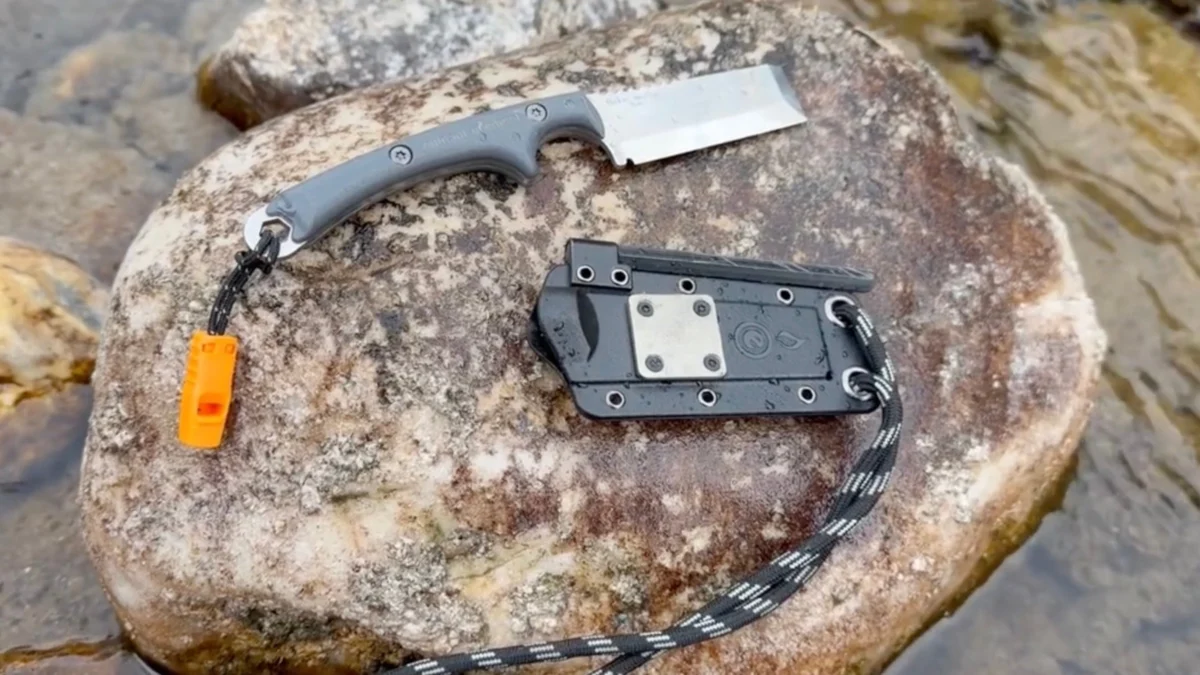
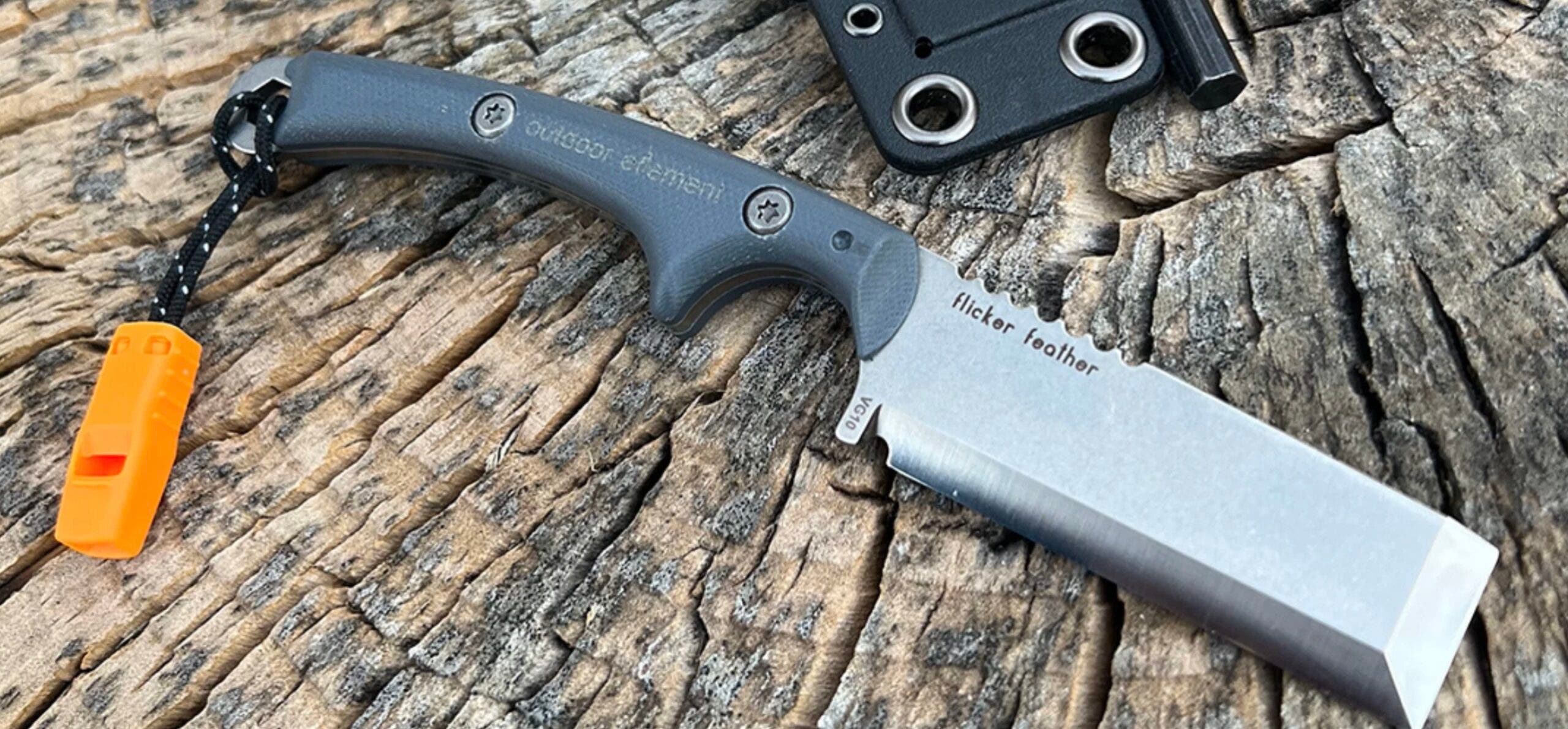
Priced at $60, the Outdoor Element Flicker Feather redefines conventional fixed-blade utility by functioning primarily as a specialized survival chisel. Unlike standard hiking knives that rely on traditional pointed profiles, the Flicker Feather features a VG10 steel blade engineered with a flat tip and a secondary, perpendicular cutting edge designed for precision carving, scraping, and fine motor tasks.
Testing notes from Associate Editor Will Brendza highlighted the exceptional ergonomics of the handle, which facilitates precise blade movements during shelter building and camp chores. However, structural limitations were noted regarding the single-direction bevel, which requires purchasers to select specific left- or right-handed models depending on their dominant hand.
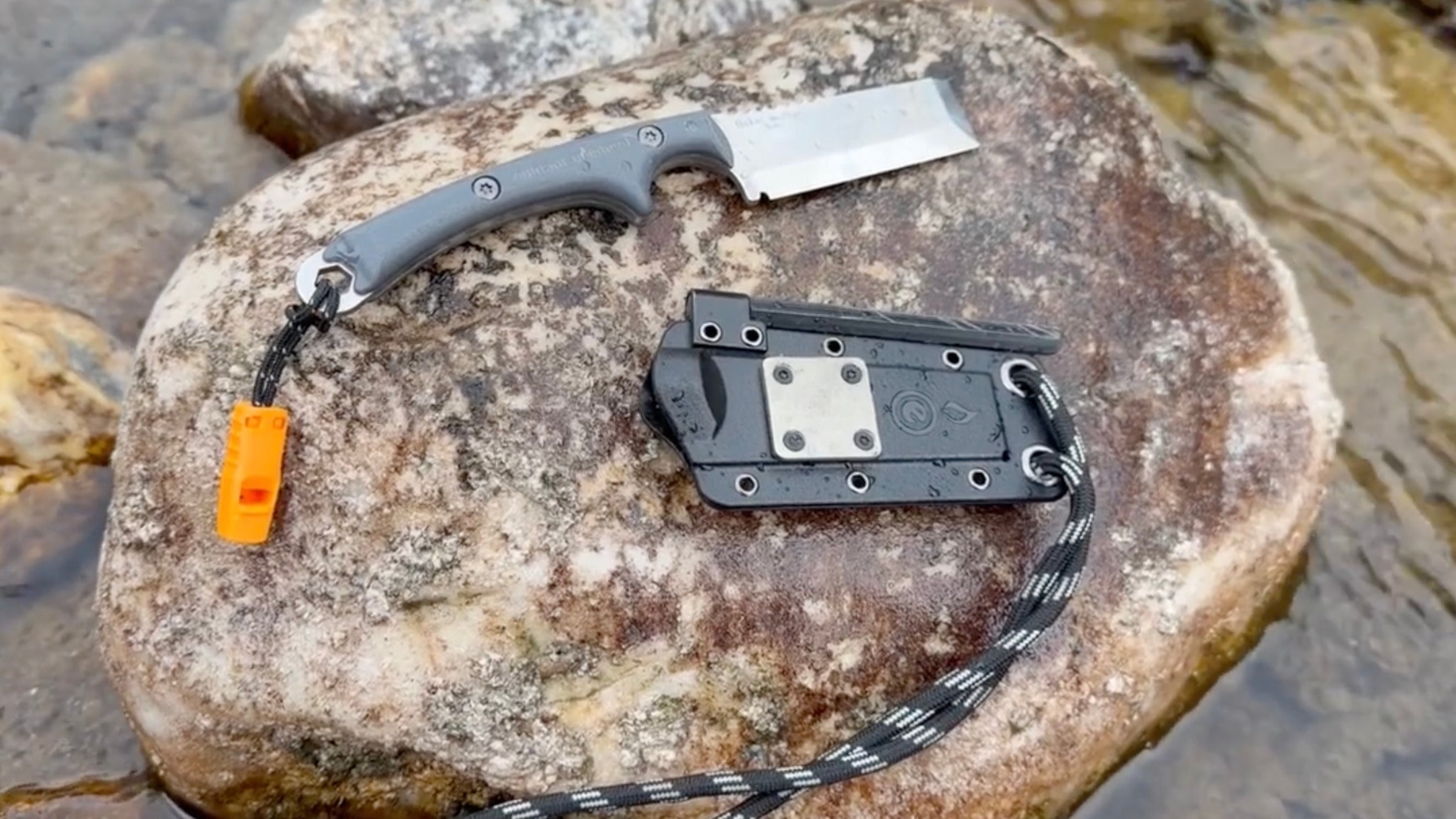
The primary engineering achievement of the Flicker Feather, however, lies in its modular hard-plastic retention sheath. Designed to secure the blade under high-vibration conditions, the sheath integrates multiple survival mechanisms:
- A high-decibel survival whistle embedded directly into the knife’s pommel.
- A built-in field sharpening plate for edge maintenance on extended expeditions.
- An integrated ferrocerium (ferro) rod for reliable ignition in adverse weather conditions without the need for traditional lighters.
- A heavy-duty metal belt clip and neck lanyard for versatile carry configurations.
Priced significantly lower than comparable multi-feature survival knives on the commercial market, the Flicker Feather offers a cost-effective, multi-functional alternative for backpackers seeking to consolidate emergency gear within a single, lightweight package.
Evolution of Trail Comfort: Paka Trail Crew Socks
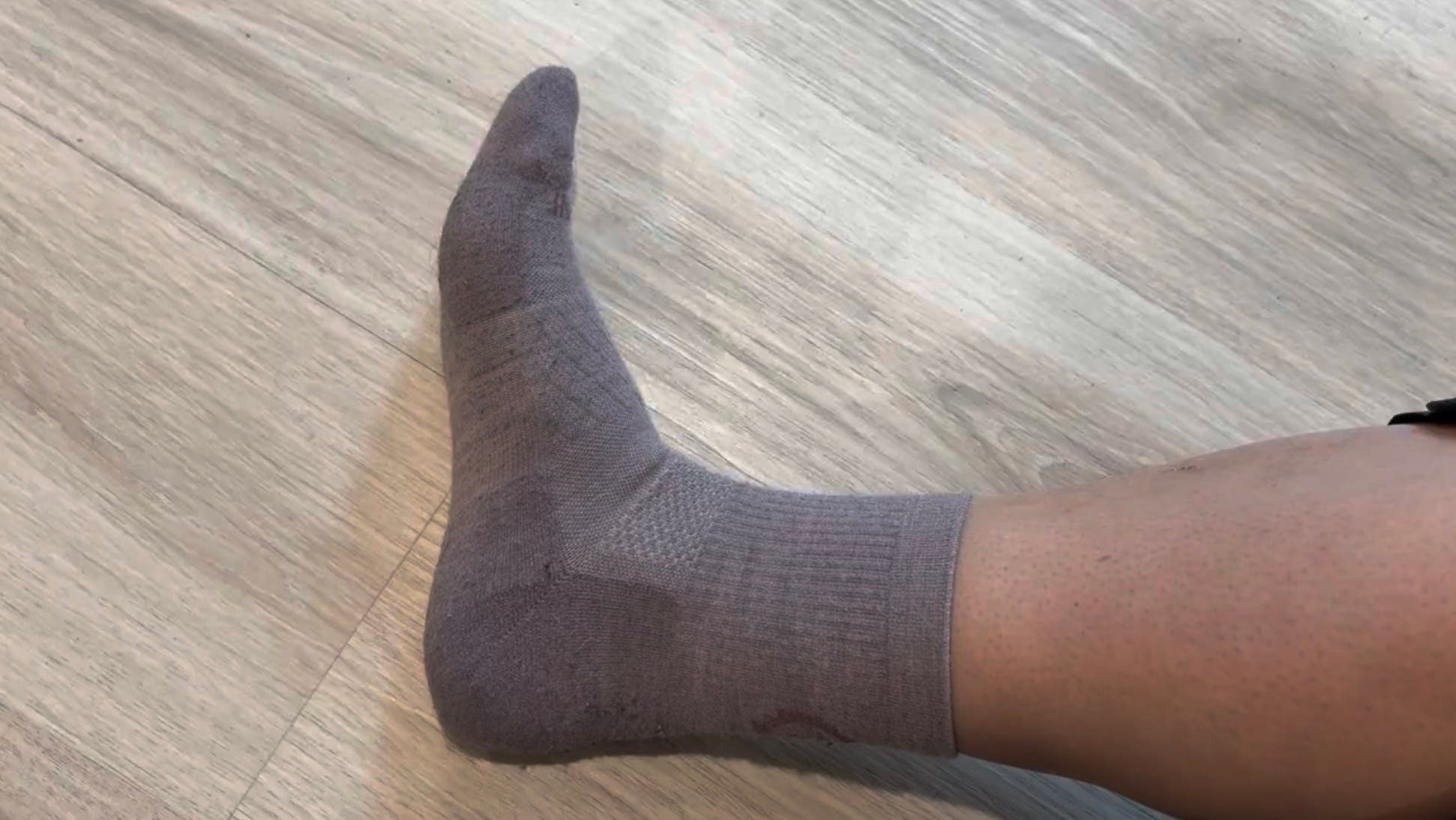
Addressing the foundational element of backcountry mobility, Senior Editor Zoe Gates evaluated the Paka Trail Crew socks, priced at $25. Historically dominated by merino wool garments, the hiking sock market has seen increased adoption of alpaca fiber alternatives due to unique thermal and mechanical properties.
The Paka Trail Crew socks demonstrated superior thermoregulation and natural antimicrobial properties, effectively resisting odor retention over consecutive days of high-exertion trekking. Constructed with light compression zones, the socks provide targeted arch support and maintain structural integrity without slipping or bagging after prolonged use in sweaty environments.
Key performance metrics cited in the evaluation include:
- Fiber Density: Alpaca fiber is reported to be significantly lighter than traditional sheep’s wool while retaining lower moisture volumes, facilitating rapid drying times following river crossings or heavy perspiration.
- Durability Enhancement: The heel cushioning extends higher along the Achilles tendon than standard footwear interfaces, specifically targeting the high-friction zone where low-cut trail runners and cycling shoes typically cause premature fabric wear.
Industry analysts note that the incorporation of sustainably sourced alpaca wool reflects a broader trend within outdoor apparel toward eco-friendly, high-performance natural fibers that rival petroleum-based synthetics in moisture management and durability.
Rapid-Delivery Nutrition: Buzz Bomb Caffeine Powder
To combat physical fatigue during alpine starts and multi-day traverses, Editor-in-Chief Adam Roy tested the Buzz Bomb Caffeine Powder, retailing at $25 for a 20-packet supply. Addressing the limitations of liquid energy drinks and bulky containers, the product utilizes a sublingual delivery mechanism. Users pour the 1-gram flavored powder—available in profiles such as Lemon Drop and Peach Mango—directly beneath the tongue, where it dissolves rapidly.
According to manufacturer specifications, sublingual administration allows caffeine to absorb directly into the bloodstream within approximately one minute, bypassing standard gastrointestinal processing to provide a faster onset of alertness than traditional ingested beverages.
Nutritional and physiological comparisons highlight several distinctions between sublingual powders and conventional energy products:
- Caffeine Dosage: Each individual Buzz Bomb packet contains 50 milligrams of caffeine, roughly equivalent to a standard cup of black tea. This contrasts sharply with commercial energy drinks, which frequently exceed 300 milligrams per serving.
- Portability: The lightweight, foil-packet design minimizes pack weight and eliminates the need for liquid storage or mixing vessels.
While the physiological efficacy was validated during field trials, editorial commentary noted the psychological adjustment required for users accustomed to traditional beverage consumption methods.
Industry Implications and Future Outlook
The release of the September 2026 gear evaluations underscores the ongoing evolution within the outdoor recreation industry toward multi-functional design, sustainable material sourcing, and efficient weight reduction. As manufacturers prepare products for the 2027 Spring Gear Guide, consumer demand continues to favor equipment that offers high versatility without increasing pack weight.
Market analysts observe that innovations such as integrated survival sheaths, specialty natural fibers like alpaca, and alternative nutritional delivery systems reflect changing consumer priorities. With outdoor participation rates remaining stable across North and South America, manufacturers are increasingly pressed to deliver gear that balances durability, ecological sustainability, and user safety in remote environments.
Further field assessments by the Backpacker editorial team will continue throughout the winter months, culminating in the official publication of the Spring Gear Guide, where these and subsequent products will receive final ratings based on long-term durability and performance across diverse global topographies.