The reality of high-altitude and technical climbing is that even the most meticulously planned expeditions can succumb to the unpredictability of the mountains. Whether it is an unexpected storm, a gear failure, or a sudden injury, the "suffer bivy"—an unplanned overnight stay in the wilderness—remains one of the most significant risks for climbers. Drawing from the 10th edition of the definitive resource Mountaineering: The Freedom of the Hills and interviews with seasoned mountain guides, this analysis outlines the essential survival kit required to mitigate the lethal consequences of being benighted.
The Anatomy of a Benighted Incident
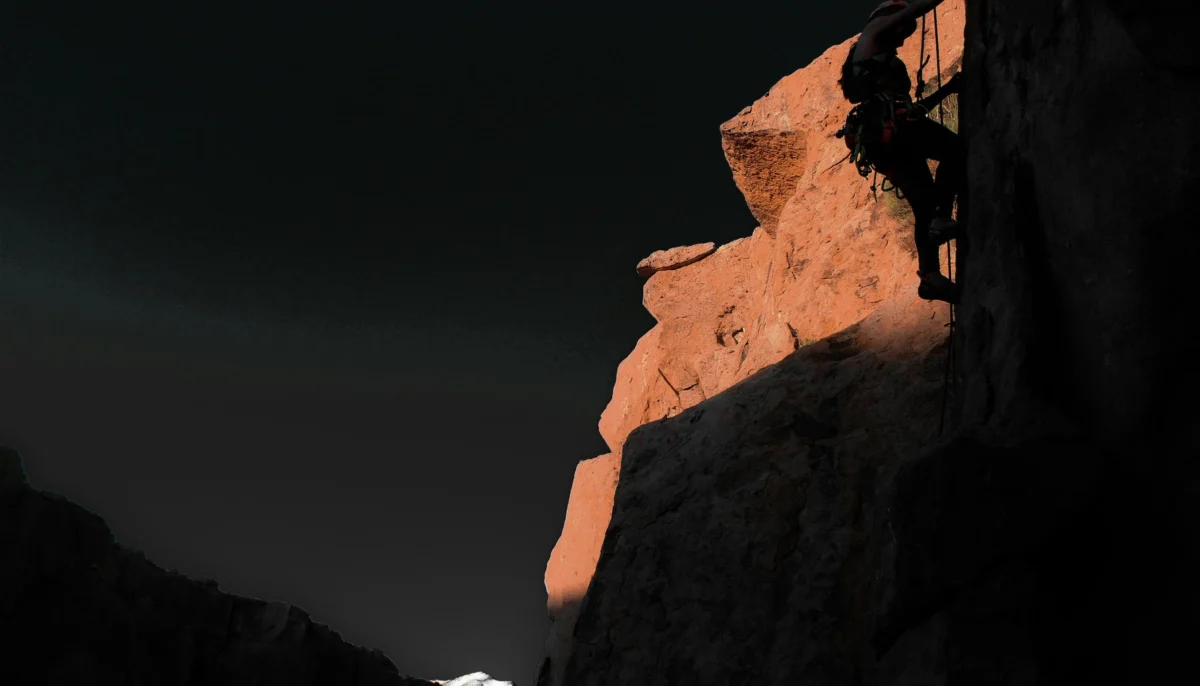
A "benighted" scenario occurs when a climbing party is forced to spend the night on a wall or in the alpine zone because they failed to reach a safe haven before sunset. According to historical search and rescue (SAR) data, these incidents often begin with a series of minor errors that compound over time. A common timeline starts with a slow start or a late-morning summit push, followed by route-finding errors that consume daylight. By the time a party realizes they will not make it to the base, the temperature has dropped, physical exhaustion has set in, and the window for safe descent has closed.
Climbing fatalities and severe injuries are frequently linked to exposure during these unplanned nights. When a climber is immobile on a ledge, core body temperatures can plummet rapidly, leading to hypothermia, impaired cognitive function, and, in extreme cases, cardiac arrest. The necessity of carrying emergency gear is not merely a precautionary suggestion; it is a critical component of risk management, akin to carrying insurance for a high-stakes endeavor.
Chronology of Survival: A Strategic Approach
Survival in the mountains is predicated on the ability to stabilize a situation within the first hour of realizing one is stranded. Expert mountain guides suggest a structured approach to the "bivy" process:
- Immediate Assessment (Hours 0–1): Once the decision is made to stop, the party must secure themselves to the mountain. This involves establishing a redundant anchor system and donning all available insulation.
- Environmental Shielding (Hours 1–2): The priority shifts to creating a micro-climate. Using a bivy sack or tarp, climbers must insulate themselves from both the cold rock beneath them and the ambient air.
- Metabolic Management (Ongoing): Rationing food and water becomes critical. Maintaining blood sugar levels is essential for shivering, which is the body’s primary mechanism for heat production.
- Signaling and Rescue Coordination (Dawn): Once daylight returns, communication devices are activated to provide precise coordinates to rescue teams.
The 11 Pillars of Alpine Survival
Professional mountaineers advocate for a standardized "emergency kit" that should remain in the climber’s pack regardless of the route’s perceived difficulty.
1. Advanced Insulation
The primary threat in a bivy is convective and conductive heat loss. Climbers often rely on active layers for movement, but these are insufficient for stationary survival in sub-freezing temperatures. A dedicated synthetic-fill "puffy" jacket, which retains warmth even when damp, is an indispensable asset.
2. Specialized First Aid
A basic kit is insufficient for remote alpine environments. SAR teams recommend a trauma-focused approach, including high-grade pressure dressings for bleeding control and immobilization supplies for orthopedic injuries. A high-decibel whistle is also essential for signaling, as voice projection is often lost against high-altitude winds.
3. Technical Repair Kits
When equipment fails—such as a torn boot sole or a snapped crampon strap—the ability to perform field repairs can mean the difference between a self-rescue and a costly helicopter extraction. A robust multi-tool, high-tensile bailing wire, and industrial-strength adhesive tape are standard recommendations.
4. Caloric Reserves
In an emergency, the body’s metabolic rate increases due to shivering. Climbers should carry a "reserve ration" of calorie-dense, low-water-content food, such as nut butters or specialized energy gels, specifically earmarked for survival rather than daily consumption.
5. Redundant Illumination
While modern headlamps offer impressive runtimes, they are prone to battery drain in cold conditions. A secondary, high-output light source with a fresh set of lithium batteries—which perform better in the cold than alkaline versions—is a non-negotiable requirement.
6. Fire-Starting Capability
In forested or sub-alpine zones, fire provides both warmth and a powerful psychological boost. Using waterproof matches or a ferrocerium rod, coupled with a small packet of dry tinder, can be life-saving. It also serves as a potent visual signal for aerial search teams.
7. Hydration and Filtration
Dehydration exacerbates the effects of altitude sickness and hypothermia. While snow can be melted, it requires significant fuel. A lightweight, compact water filter or chemical purification tabs allow climbers to safely consume water from mountain streams, preventing the debilitating effects of gastrointestinal distress during an already dire situation.
8. Emergency Shelter
The difference between a "suffer bivy" and a lethal night is often the ability to stay dry. Emergency blankets (mylar sheets) are widely considered inadequate for high-wind alpine environments. A dedicated, windproof, and water-resistant bivy sack or a lightweight sil-nylon tarp provides the necessary barrier against the elements.
9. UV Protection
At high altitudes, the intensity of solar radiation is significantly amplified by thin atmosphere and reflective surfaces like snow or granite. Sunburn and snow blindness can incapacitate a climber within hours. High-SPF sunscreen and polarized, UV-rated eyewear are essential for maintaining physical readiness.
10. Navigational Redundancy
Reliance on smartphone GPS is a common point of failure due to battery drain and signal loss. Traditional navigation—using a topographic map and a magnetic compass—remains the gold standard. Climbers should identify "bail-out" points or natural features that can be used for orientation if they are forced off-route.
11. Satellite Communication
The advent of satellite messaging devices, such as the Garmin InReach or similar two-way communicators, has fundamentally altered the rescue landscape. These devices provide a lifeline to SAR dispatchers, allowing for the transmission of exact GPS coordinates and the status of the climbing party, which significantly reduces the search radius and response time for rescuers.
Analysis of Broader Implications
The climbing community has seen a shift in recent years toward "fast and light" ethics, where speed is prioritized to minimize exposure time. However, industry experts caution that this trend often leads to an dangerous omission of safety equipment. The philosophy that "if I am fast enough, I won’t need these things" ignores the statistical reality of mountain accidents.
Data from the American Alpine Club’s Accidents in North American Climbing report underscores that the majority of incidents are the result of cumulative human error. When a team is caught out, the weight of the survival kit—typically totaling less than three to five pounds—is negligible compared to the cost of a rescue operation or the potential for catastrophic loss of life.
Expert Guidance and Conclusion
Professional mountain guides emphasize that survival gear is not a substitute for judgment, but a safeguard for when judgment fails. The goal of every ascent should be a safe return to the trailhead. By internalizing these 11 essentials, climbers are not only better prepared for the unexpected but are also acting with the professional responsibility required of those navigating high-consequence environments.
As noted in the latest edition of Mountaineering: The Freedom of the Hills, the hallmark of an expert climber is not merely their ability to navigate difficult terrain, but their ability to identify and mitigate risk before it escalates into an emergency. Ensuring that your pack is prepared for the worst-case scenario is the first step in a successful and long-lived climbing career.