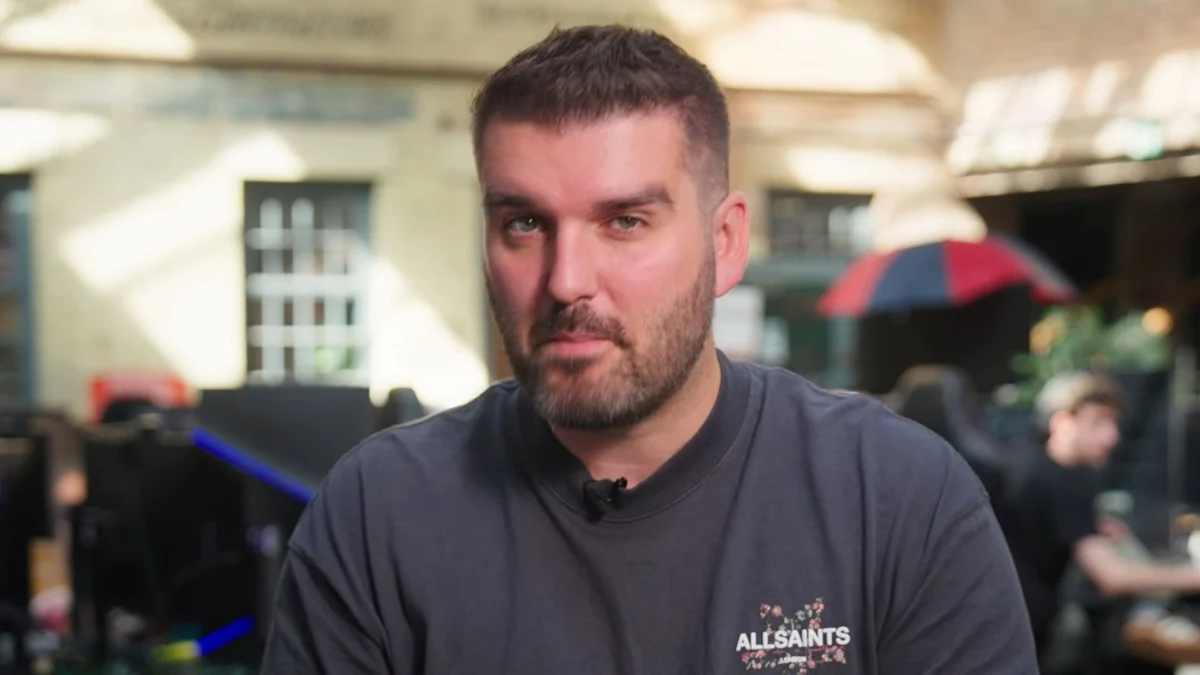
The rapid commercial success of the independent shooter Wardogs has been overshadowed by a burgeoning industry controversy regarding the studio’s internal labor practices. Following the title’s impressive achievement of selling two million copies within its debut weekend, Bulkhead CEO Joe Brammer has come under intense scrutiny for his candid admission that the studio actively screens job applicants for their stance on "crunch"—the practice of mandating extended, often unpaid or high-pressure overtime to meet project deadlines.
A Commercial Triumph Amidst Operational Strife
Wardogs, a title once cast aside by industry giant Tencent during its development phase, has proven to be a surprise market success. Its trajectory from a rejected project to a multi-million-unit seller highlights the unpredictable nature of the modern games market, where independent titles can achieve breakout success despite lacking the marketing budgets and structural support of major publishers. However, the narrative surrounding the game has shifted from one of indie resilience to a heated debate over the human cost of such rapid, intensive production cycles.
During a recent appearance on The Game Business Show, Brammer detailed the studio’s philosophy, asserting that prospective employees who voice opposition to crunch culture on social media platforms are effectively disqualified from the hiring process. This policy, which Brammer frames as a way to ensure cultural alignment, has ignited a firestorm of criticism from industry peers, labor advocates, and game developers who argue that such practices are not only unethical but symptomatic of poor project management.
The Anatomy of a Controversial Hiring Policy
Brammer’s comments provided a rare, unvarnished look at the internal vetting processes of some independent studios. By monitoring the digital footprints of applicants, Bulkhead aims to filter out individuals who prioritize work-life balance in a way that conflicts with the studio’s operational reality.
"A lot of people who may have an issue with crunch… they often don’t make it in the door," Brammer stated. He characterized the studio’s environment as one where hard work is a defining pillar, suggesting that those who do not subscribe to that ethos would find the workplace environment akin to being "slave-driven." The CEO maintains that this transparency is intended to protect both the studio and the potential employee from an unhappy working relationship.
However, critics argue that this approach creates a self-selecting pool of employees who may feel coerced into silence, effectively normalizing a culture of overwork. The practice of "social media vetting" regarding labor politics has sparked concerns about the erosion of labor rights within the creative industry, as it penalizes developers for advocating for healthier working standards.
The Human Cost: A Historical Perspective on Crunch
The term "crunch" has long been a dark stain on the reputation of the video game industry. Throughout the 2010s and into the 2020s, high-profile reports from outlets such as Kotaku and various industry labor groups have documented the systemic burnout, health deterioration, and familial strain caused by mandatory overtime. Major studios, ranging from CD Projekt Red to Rockstar Games, have faced public reckonings after reports surfaced detailing the grueling hours required to finish massive titles like The Witcher 3 and Red Dead Redemption 2.
In response to this pressure, the industry has slowly begun to shift. Many mid-to-large-sized studios have adopted "sustainable development" frameworks, which focus on project management, realistic roadmaps, and the elimination of mandatory overtime as a prerequisite for development. Brammer’s defense of crunch—and his active screening against those who oppose it—stands in direct contradiction to these broader, modern industry trends.
Evidence of the intensity at Bulkhead was visible even during the Wardogs launch window. Social media posts from Brammer himself showed the provision of air mattresses within the studio, intended for staff members working through the night to address server stability issues. While the CEO framed this as part of a high-stakes, "all-hands" effort, labor advocates view the necessity of office-based sleeping arrangements as a red flag, indicating a failure to adequately staff or plan for the post-launch period.
Industry Reaction and the "Bad Management" Argument
The backlash from the wider game development community was swift and severe. Industry professionals took to platforms like Bluesky to dissect Brammer’s statements, pointing to a wealth of research suggesting that crunch is actually counterproductive.
The consensus among many project managers is that crunch is a symptom of planning failures rather than a badge of honor. Michael Howe, representing Studio Gobo, noted, "Crunch is a result of bad planning and poor management." This perspective is supported by various psychological and productivity studies indicating that excessive hours lead to diminishing returns, increased error rates, and long-term talent attrition.
Furthermore, consultants like Nazih Fares suggested that the reliance on crunch often signals a lack of effective production leadership. The implication is that if a studio must rely on employees working through the night to hit a launch target, the studio’s management has failed to set realistic milestones or manage scope effectively.
Economic Implications and Future Sustainability
From a purely economic standpoint, the "crunch-positive" model presents significant risks. While a studio might achieve a successful launch in the short term, the long-term cost of high turnover—often referred to as "brain drain"—can be devastating. Replacing experienced developers who leave due to burnout is costly and time-consuming, potentially jeopardizing the quality of future projects.
Moreover, the increasing visibility of these labor practices could lead to reputational damage that makes it harder for the studio to attract top-tier talent in the future. As the industry moves toward more transparent, union-supported, or labor-conscious environments, companies that maintain "hustle culture" as a core tenet may find themselves increasingly isolated.
Brammer has attempted to justify the policy by noting that the studio provides bonuses and incentives to those who do endure these periods. "If we’re going to be a company that says ‘We do crunch,’ then you have to get something for it," he argued. However, many developers argue that financial compensation does not mitigate the long-term physical and mental health impacts of chronic overwork.
The Road Ahead: Culture vs. Profit
The success of Wardogs highlights a persistent tension in the gaming sector: the desire to create high-quality, market-leading experiences versus the humane treatment of the workforce responsible for those products. While Brammer clearly views his studio’s approach as a necessary component of its competitive edge, the broader industry appears to be moving in a different direction.
The coming months will be a test for both Bulkhead and the industry at large. Will the studio be able to maintain its pace of development without facing a exodus of talent? Will the success of Wardogs encourage other studios to adopt similarly rigid hiring policies, or will it serve as a cautionary tale about the dangers of prioritizing speed over sustainable labor practices?
As of now, the dialogue remains divided. On one side, proponents of the "hard-work" model prioritize the immediate output and commercial success of the product. On the other, a growing coalition of developers, producers, and industry observers are pushing for a future where professional success is not built on the exhaustion of those who create the games.
Ultimately, the case of Wardogs serves as a stark reminder that while a game may be a triumph of code and creativity, its development history is written by the people behind the monitors. The industry is currently in the midst of a profound transformation, and the debate triggered by Bulkhead’s hiring policy is likely to be a defining feature of the industry’s ongoing evolution toward a more sustainable and equitable future.