The contemporary photography market has witnessed an unprecedented resurgence of interest in analog aesthetics, digital retro-styling, and simplified user experiences. Amid this landscape, Fujifilm has emerged as the dominant force on social media platforms such as Instagram and TikTok. While competitor brands like Sony, Canon, and Nikon continuously push the boundaries of technical specification sheets, autofocus speeds, and full-frame resolution metrics, Fujifilm has intentionally charted a different course. The manufacturer has doubled down on compact form factors, tactile physical dials, and a distinct color science that has captivated both amateur enthusiasts and professional creators alike.
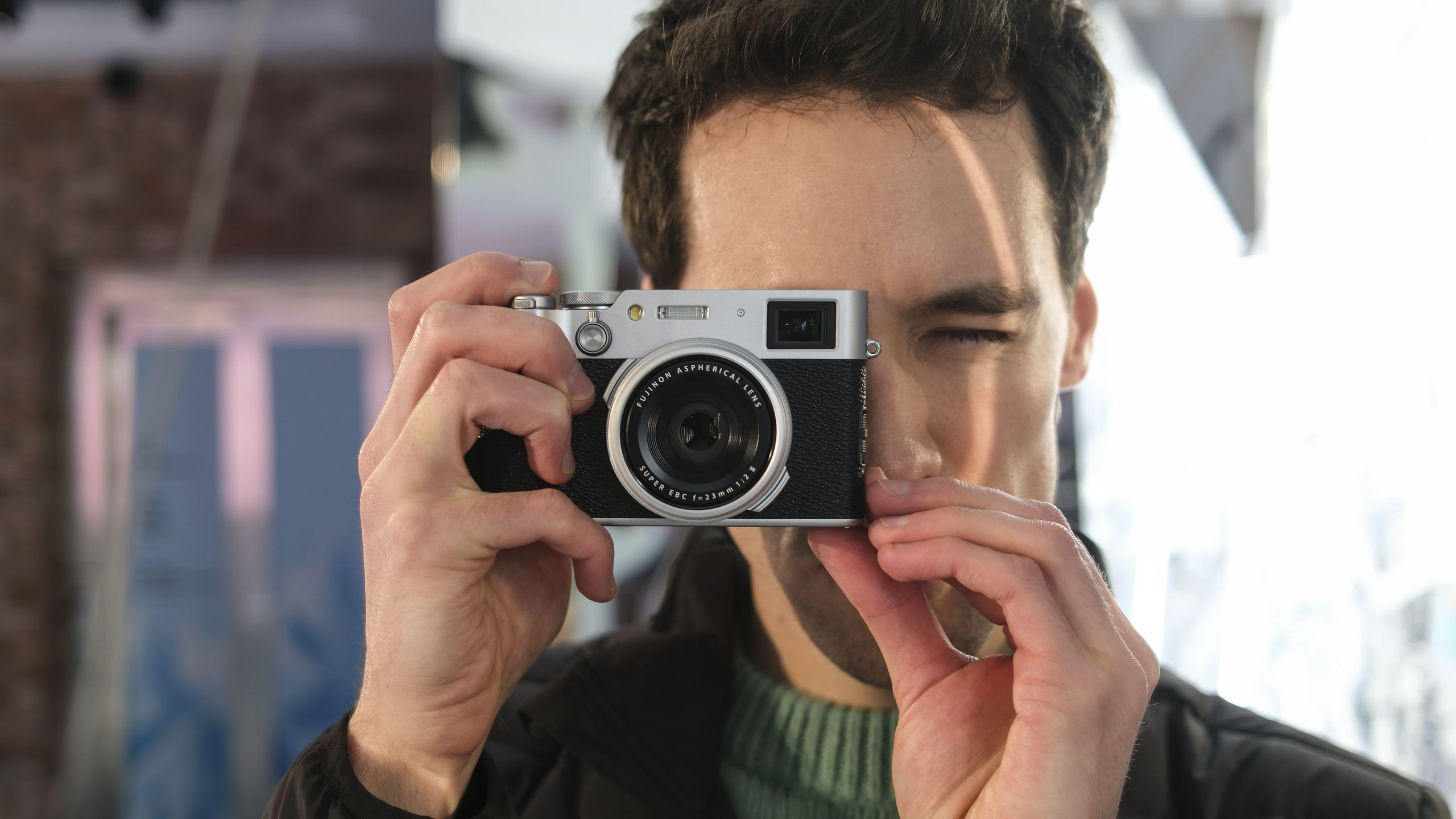
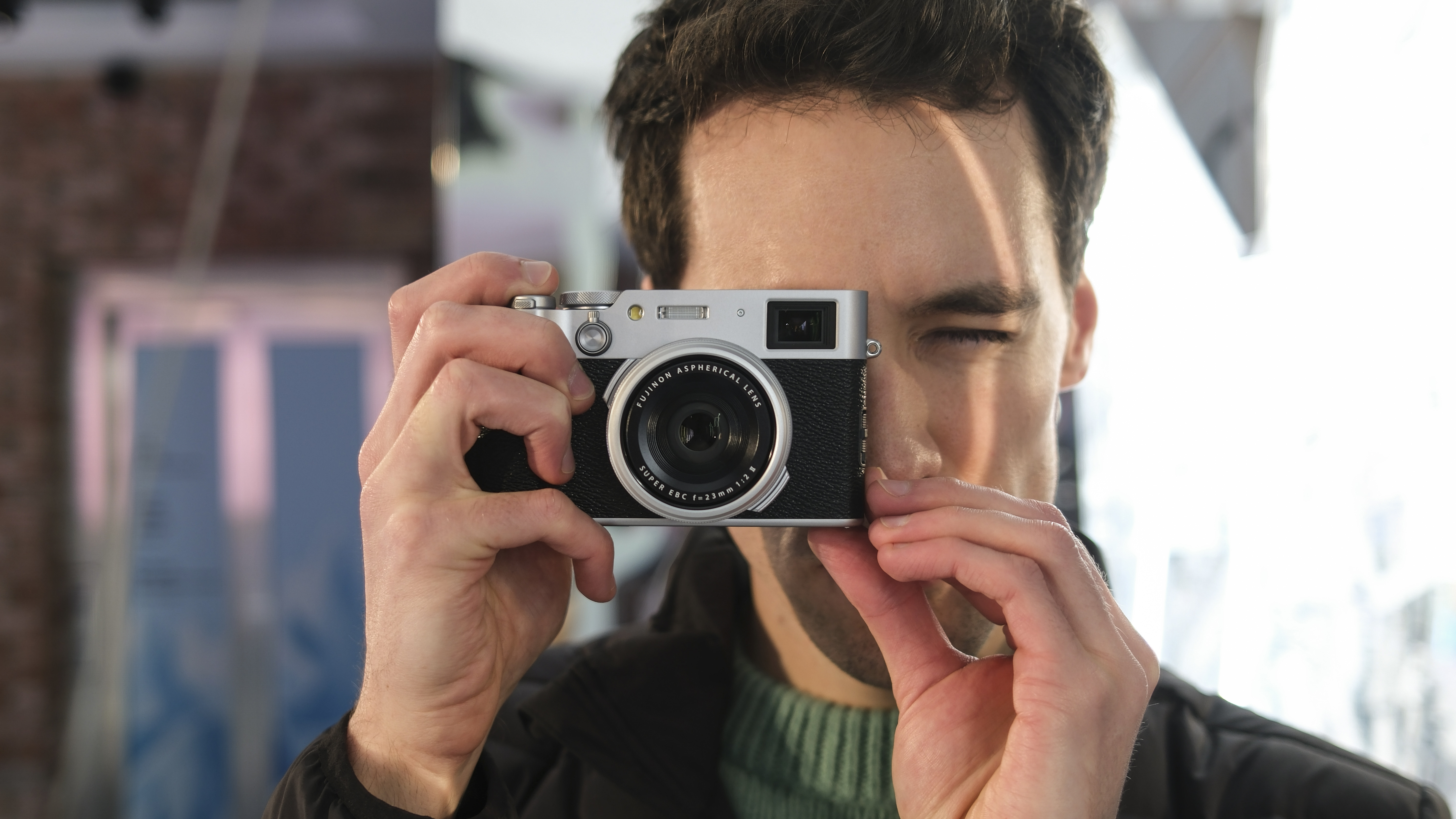
At the center of this cultural phenomenon is the Fujifilm X100VI. Featuring a high-resolution 40.2-megapixel APS-C sensor packed into a charismatic, highly portable body, the camera has become an elusive object of desire. Two years after its initial market launch, supply chain constraints and overwhelming global demand continue to make the X100VI exceptionally difficult to acquire at its recommended retail price (RRP). This sustained scarcity has triggered a secondary market boom, driving up used prices across Fujifilm’s entire X-Series ecosystem. Buyers eager to replicate the coveted "Fuji look" are increasingly scouring the secondhand market for older, discontinued camera models, sometimes purchasing hardware that is more than a decade old simply to capture the signature aesthetic.
However, navigating the used Fujifilm market requires careful technical scrutiny. Contrary to popular belief among casual buyers, not all Fujifilm X-Series cameras are built with the same underlying sensor technology or color processing capabilities. Understanding the distinct hardware variations—particularly the differences between X-Trans, Bayer, and EXR sensor arrays—is essential for anyone looking to invest in a retro-styled digital camera without buyer’s remorse.
The Origins of Fujifilm’s Color Science and the X-Trans Revolution
To understand the modern obsession with Fujifilm cameras, one must examine the brand’s unique approach to digital sensor design. Most mainstream digital camera manufacturers—including Sony, Canon, and Nikon—rely on the standard Bayer color filter array. The Bayer pattern arranges red, green, and blue pixels in a repeating grid. While highly efficient, the traditional Bayer layout can occasionally produce color moiré and false artifacts when capturing fine, repeating patterns, necessitating an optical low-pass filter that can subtly soften image details.
In response, Fujifilm developed its proprietary X-Trans sensor technology, first introduced in 2012 with the release of the Fujifilm X-Pro1. The X-Trans color filter array utilizes a randomized, non-repeating 6×6 pixel grid inspired by the chaotic, organic grain structure of traditional silver halide photographic film. This unique design naturally reduces the risk of moiré without requiring an anti-aliasing filter, allowing the sensor to capture sharper, more detailed images while imparting a distinct tonal rendering that fans describe as organic and three-dimensional.
Yet, a common misconception is that all X-Series cameras utilize an X-Trans sensor. The historical record reveals a more complex hardware timeline. The inaugural model of the line, the FinePix X100 launched in 2010, actually relied on a traditional CMOS sensor with a standard Bayer filter array. It was not until the arrival of the X100S in 2013 that the iconic compact series adopted the X-Trans architecture.
Similarly, Fujifilm’s historical product lineup includes several categories that completely bypassed X-Trans sensors. The short-lived entry-level mirrorless X-A series—which included models like the X-T100 and X-T200—utilized Bayer sensors to keep manufacturing costs lower for budget-conscious consumers. The ultra-compact Fujifilm XF10 and the specialized X Half also incorporated Bayer filters. Furthermore, a select group of vintage models—such as the X10, XF1, and X-S1—utilized Fujifilm’s specialized EXR sensors, which were engineered to dynamically adjust pixel grouping for improved low-light performance or wide dynamic range, differing fundamentally from both standard Bayer and X-Trans designs.
Evolution of the X-Trans Generations and Filmic Aesthetics
For prospective buyers hunting for a bargain on the used market, recognizing these sensor distinctions is critical. Even within the X-Trans lineage, significant hardware iterations have yielded distinct visual results.
The first-generation X-Trans I sensor, featuring a 16-megapixel resolution, was exclusive to just three early bodies: the Fujifilm X-E1, the X-M1, and the flagship X-Pro1. Despite being technologically outdated by modern standards, these cameras retain a fiercely loyal following. Many purists argue that the X-Trans I sensor delivers the most authentic, analog-like color rendition and grain structure of any digital sensor Fujifilm has ever produced, making models like the X-Pro1 highly sought-after collector’s items despite their sluggish autofocus speeds and low-resolution rear LCD screens.
As the technology progressed through subsequent generations—introducing higher resolutions, faster processing engines, and improved high-ISO performance—the underlying digital characteristics shifted. While newer sensors offer vastly superior processing power and tracking capabilities, vintage enthusiasts frequently seek out earlier generations specifically for that elusive, unpolished filmic charm.
The Critical Role of Film Simulations
Beyond the physical sensor array, another foundational pillar of the "Fuji look" is the brand’s suite of proprietary Film Simulations. Far from being simple digital color filters applied in post-production, Fujifilm’s Film Simulations are deeply integrated into the camera’s image processing pipeline. They are designed to emulate the physical color palettes, contrast curves, and tonal responses of legendary analog films produced by Fujifilm throughout its history, such as Provia, Velvia, Astia, and Across.
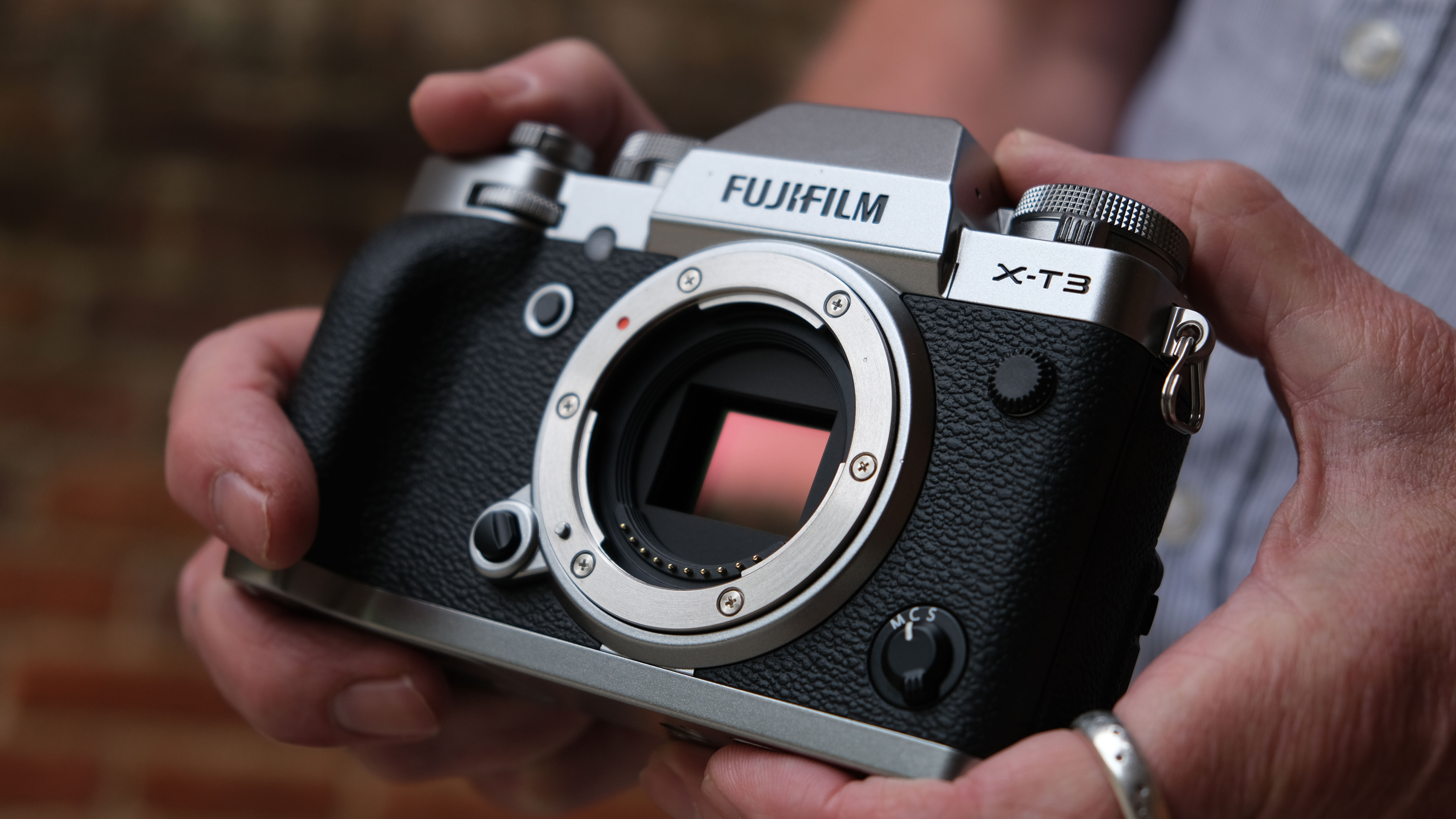
Though Film Simulations have become synonymous with the modern X-Series, their corporate lineage actually predates the digital mirrorless boom, originating in 2003 with the FinePix F700 compact camera. However, buyers purchasing a vintage or second-hand Fujifilm camera must carefully verify which specific simulations are supported by the onboard processor of that exact model.
As Fujifilm released successive generations of cameras, the library of available Film Simulations expanded substantially. Early models like the X-Pro1 feature a relatively modest selection of profiles. Crucially, they lack some of the most popular modern simulations—such as Classic Chrome, which mimics the muted, documentary-style tones of vintage magazine reportage, and Classic Negative, which replicates the high-contrast, saturated look of consumer print films like Fujifilm Superia. Photographers expecting to replicate viral social media recipes on a first-generation X-Series body may find themselves limited by the firmware and processing capabilities of older hardware.
Market Implications and Buyer Recommendations
The sustained popularity of Fujifilm’s retro lineup has created a unique economic ecosystem within the photographic industry. Used camera retailers report that older, discontinued X-Series models regularly command prices close to, or sometimes exceeding, their original launch prices. This inflation is driven entirely by lifestyle and aesthetic demand rather than pure technical specifications.
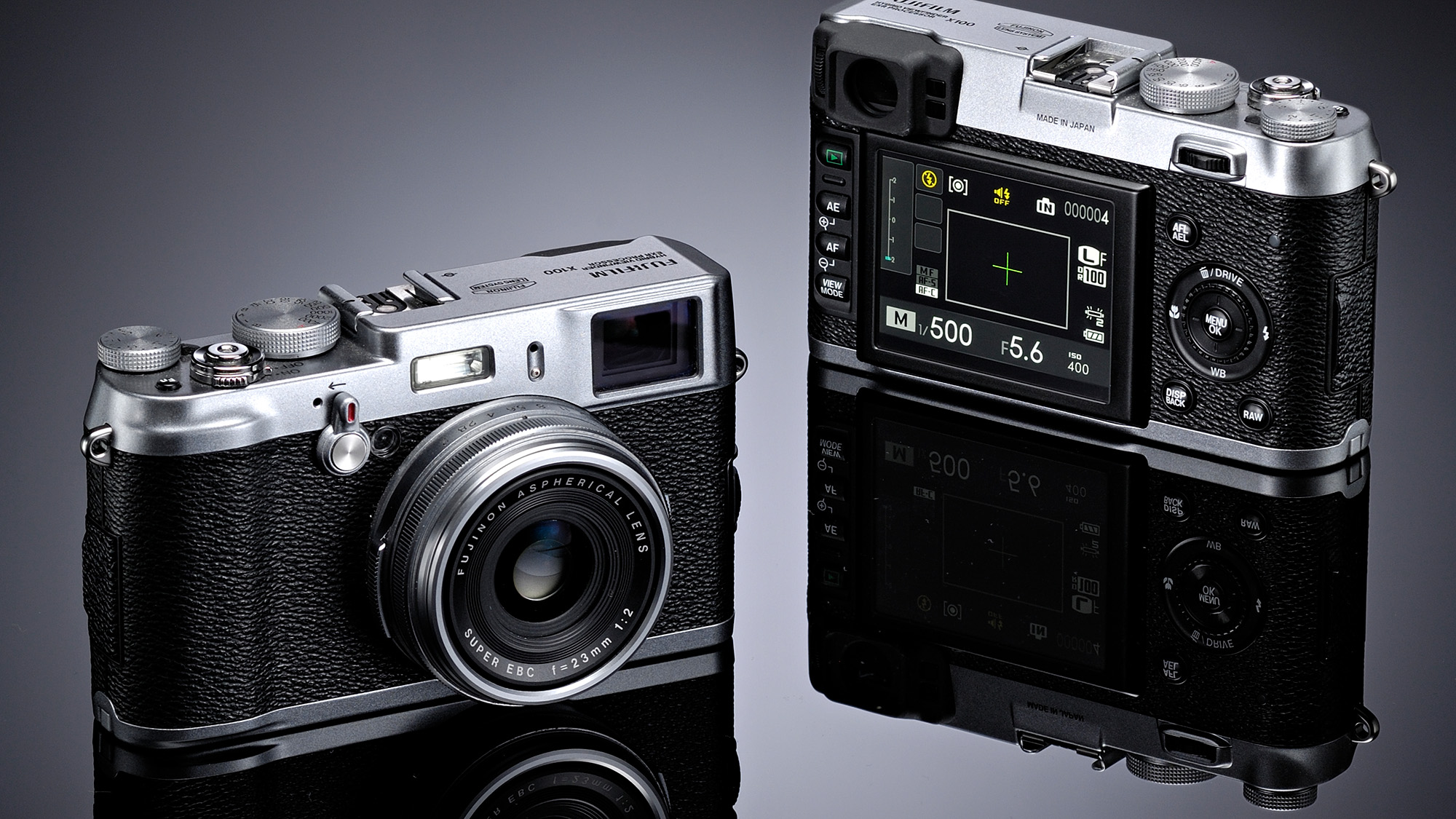
Industry analysts note that this trend highlights a broader psychological shift among consumers. As smartphone cameras achieve near-perfection through computational photography, a growing segment of the market actively seeks out hardware limitations—such as manual physical dials, optical viewfinders, and deliberate color profiles—to restore a sense of intentionality and craftsmanship to the image-making process.
For consumers entering the market today, industry experts advise thorough research before purchasing a secondhand Fujifilm camera. Buyers should verify whether a prospective model utilizes a Bayer or an X-Trans sensor, check the specific generation of the processing engine, and review the onboard Film Simulation menu to ensure it aligns with their creative goals. While older bodies can offer a rewarding, tactile shooting experience and a distinct aesthetic, understanding the technical specifications beneath the retro exterior ensures that buyers invest wisely in a tool that matches their artistic vision without paying an inflated nostalgia tax for the wrong hardware.