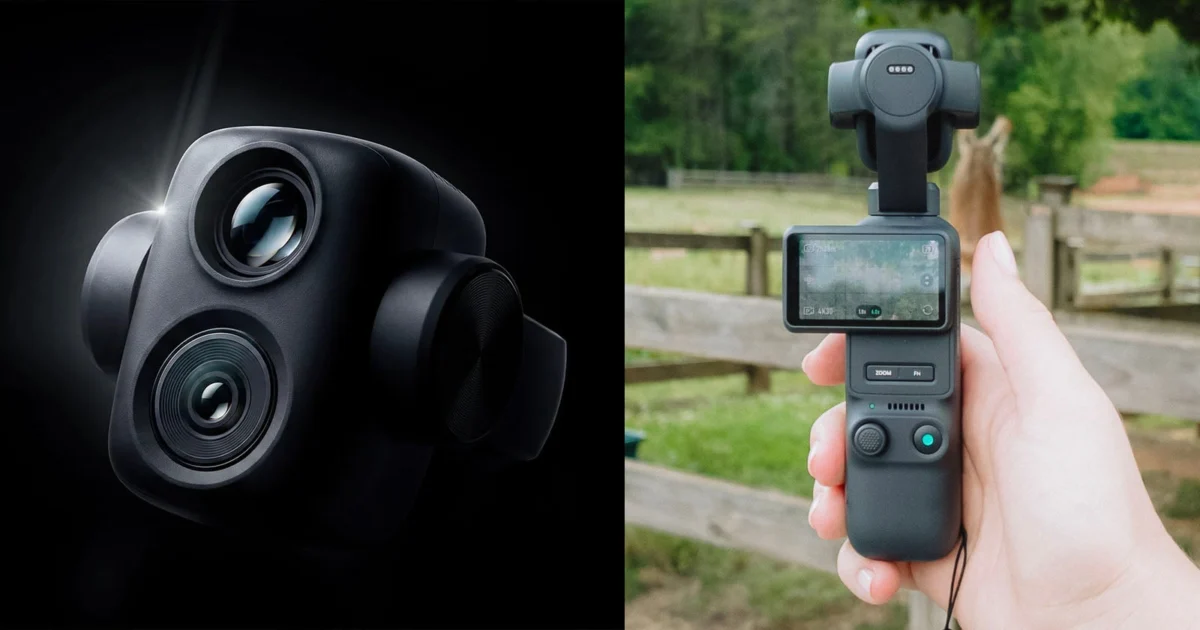
Just days after the Federal Communications Commission (FCC) intensified its efforts to curb the importation of certain technologies, Xtra, a company previously offering camera products that bore striking resemblances to DJI’s latest offerings, has abruptly pulled its Muse 2 Pro from its website. The company has also suspended all preorders and initiated a refund process for customers who had already committed to purchasing the device. This sudden move follows a series of regulatory actions by the FCC targeting companies accused of circumventing U.S. import restrictions, particularly concerning technology that appears to be sourced from DJI, a major player in the drone and camera market.
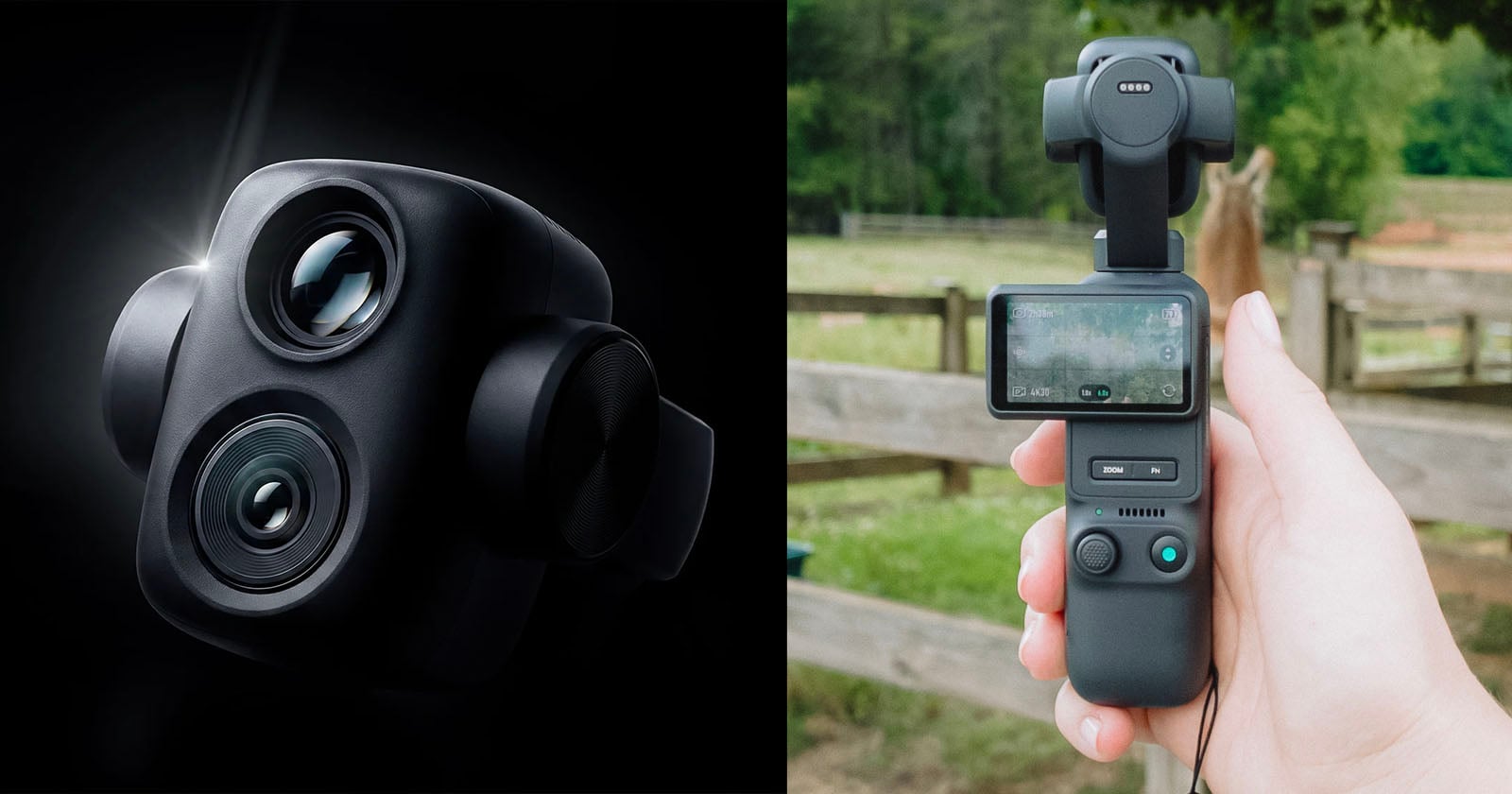
The Xtra Muse 2 and its Pro variant were positioned as direct alternatives to DJI’s Osmo Pocket 4 and Osmo Pocket 4P, respectively. While Xtra claimed minor design modifications, the fundamental architecture and functionality of these cameras were widely perceived as near-identical to DJI’s products. This strategy appeared to be an attempt by Xtra to navigate the complex U.S. regulatory landscape that has, for various reasons, kept DJI’s newest Osmo Pocket models unavailable in the United States. This is not the first instance of Xtra introducing products that closely mimic DJI’s designs to the American market; the company has a history of releasing cameras with uncanny visual and functional similarities to DJI’s established lines, often managing to bypass existing tariffs and restrictions.
The FCC’s recent actions represent a significant escalation in its enforcement activities. Earlier in July, the commission began imposing fines on multiple companies, including Xtra, which it identified as allegedly facilitating the entry of DJI technology into the U.S. market under the guise of their own products. The latest development involves proposed bans on the importation of new affected DJI products, which, while not immediately enacted due to a mandated 30-day public comment period, has seemingly prompted Xtra to preemptively withdraw its product from the market. The company’s decision to cease sales and offer refunds suggests an acknowledgment of the increasing regulatory pressure and potential legal ramifications.
Timeline of Events and Regulatory Actions
The situation has unfolded rapidly, marked by key regulatory milestones:
- Prior to July 2026: Xtra had been actively marketing and accepting preorders for the Muse 2 Pro, positioning it as a competitive alternative to DJI’s unavailable Osmo Pocket 4 series. The company had successfully introduced similar products into the U.S. market in the past, leveraging design similarities without incurring significant regulatory hurdles.
- Early July 2026: The FCC began a series of enforcement actions. On July 10th, reports emerged of the FCC levying fines against multiple companies, including Xtra, for alleged violations related to the importation of technology that appeared to be of DJI origin. These fines were issued under the premise that these companies failed to adequately disclose the origin of their technological components, a critical aspect of import regulations.
- Mid-July 2026: The FCC announced further measures, including proposed bans on the importation of new DJI products that are affected by these regulatory concerns. While these bans were not set to take immediate effect, a 30-day public comment period was established, allowing for broader input and potential appeals.
- Late July 2026 (Present): Xtra responded to the escalating regulatory environment. Photographer Francis Alvarez shared on Threads an email he received from Xtra indicating the immediate pause of the Muse 2 Pro’s Early Bird program. This was followed by the removal of the product from Xtra’s official website and the announcement of a full refund process for all pre-order customers.
Xtra’s Statement and Customer Communication
The email received by customers, as reported by Francis Alvarez and subsequently confirmed by Xtra’s website updates, cited an inability to confirm a "reliable launch timeline at this stage" as the reason for pausing the Early Bird program. This wording leaves a theoretical possibility for the product’s eventual U.S. release, but the immediate consequence is the discontinuation of sales and the processing of refunds.
Xtra’s official communication concluded with a statement indicating that "Further information will be shared separately once the relevant plans are confirmed." This suggests a period of internal reassessment and potential strategic adjustments within the company in response to the FCC’s actions. The company has also reportedly ceased responding to inquiries from media outlets, including PetaPixel, regarding these ongoing issues.
Underlying Regulatory Concerns: The DJI Factor
The core of the FCC’s scrutiny lies in the apparent sourcing of technology by companies like Xtra from DJI. DJI, a global leader in drone technology and consumer electronics, has faced various geopolitical and regulatory challenges, leading to restrictions on its products in certain markets. In the United States, this has manifested in limited availability of some of its latest consumer devices, such as the Osmo Pocket 4 series.
The FCC’s investigation centers on whether companies like Xtra are essentially importing and rebranding technology that is subject to these restrictions, thereby circumventing U.S. trade laws and regulations. The commission’s standard procedure in such cases involves requiring companies to declare the origin of their components. The failure to provide satisfactory explanations, as alleged by the FCC, points towards the use of restricted or prohibited technology. The fines issued earlier in July were a direct consequence of this alleged non-compliance.
Broader Implications for the Market and Consumers
The FCC’s aggressive stance has significant implications for the market for consumer electronics, particularly those in the rapidly evolving camera and drone sectors.
- Impact on "Clone" Manufacturers: Companies that have historically relied on producing near-identical versions of popular products from major manufacturers like DJI face increased risk. The FCC’s actions signal a more robust enforcement environment, making it harder for such businesses to operate in the U.S.
- Consumer Access and Choice: While the availability of alternatives can benefit consumers by offering lower price points, the regulatory actions could ultimately limit consumer choice if key products are permanently barred from the market due to import restrictions. For consumers who had placed preorders for the Muse 2 Pro, the immediate impact is the disruption of their purchase plans and the need to seek alternative solutions.
- Intellectual Property and Fair Competition: The FCC’s involvement touches upon issues of intellectual property protection and fair competition. By targeting companies that allegedly leverage restricted technology, the commission aims to uphold the integrity of import regulations and prevent unfair market advantages.
- Future of Xtra and Similar Companies: The future of Xtra, and other companies operating in a similar fashion, appears uncertain. Without access to key technologies or facing significant regulatory hurdles, their ability to compete in the U.S. market is under serious doubt. The FCC’s ban, once fully enacted, could permanently curtail the importation of affected DJI products, leaving these companies with limited options.
The situation underscores the complex interplay between technological innovation, international trade regulations, and geopolitical considerations. As the FCC continues its enforcement, the market will likely see further adjustments, with potential impacts on product availability, pricing, and the competitive landscape for consumer electronics. The withdrawal of the Xtra Muse 2 Pro serves as a clear indicator of the immediate consequences of such regulatory pressures, leaving consumers and industry observers to watch closely for future developments.