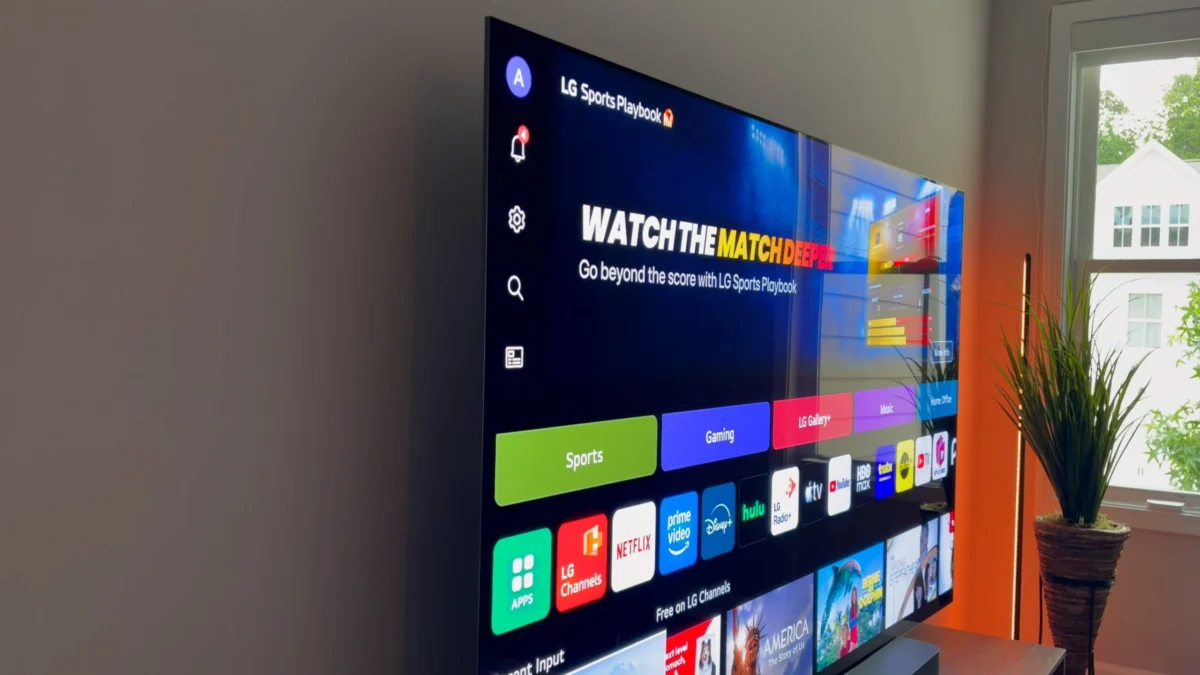
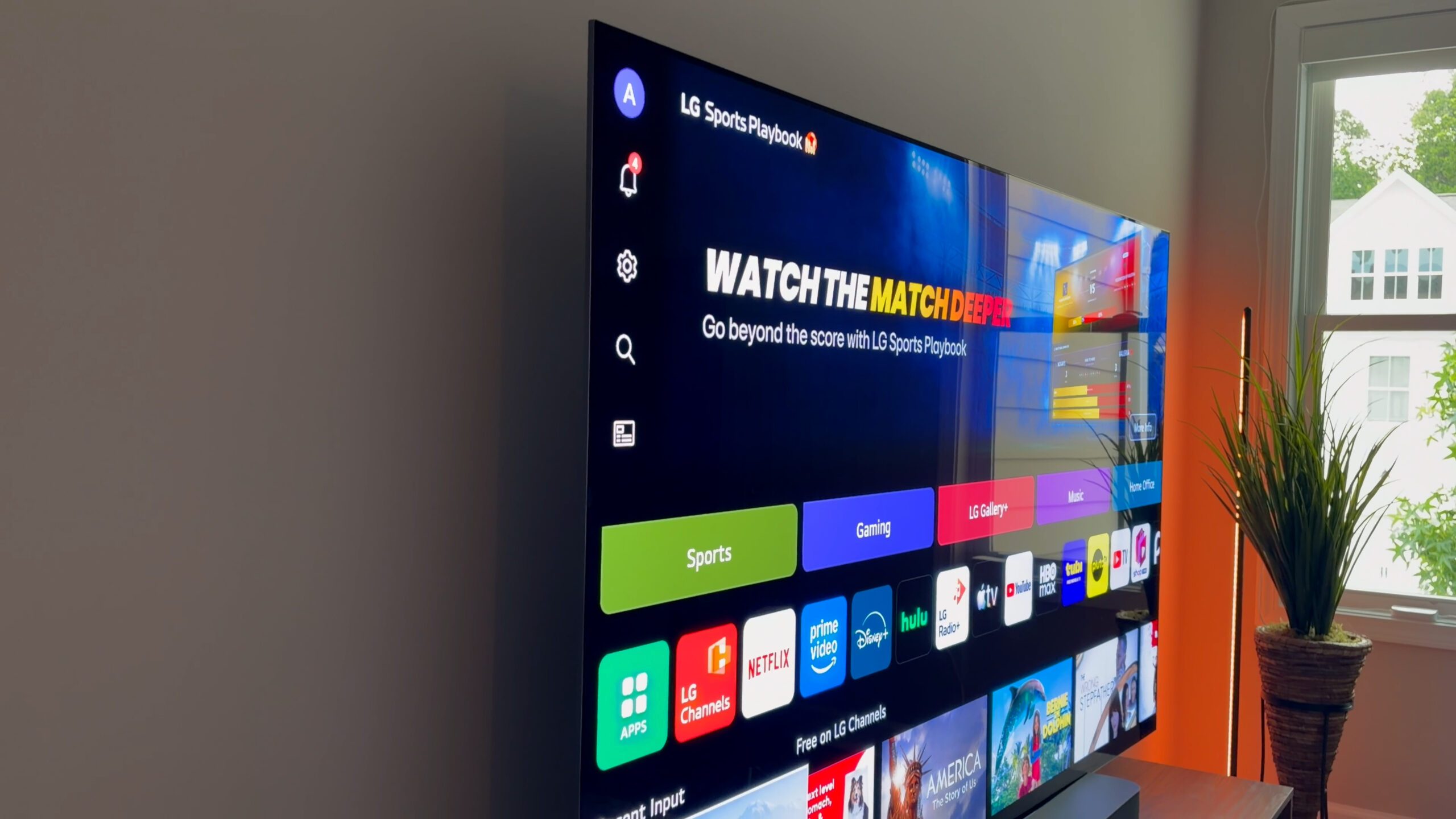
LG is taking decisive action against a growing concern within its smart TV ecosystem: applications that surreptitiously transform user devices into residential proxy nodes. This development, reported by KrebsOnSecurity and corroborated by security firm Spur, signals a significant shift in how smart TV manufacturers are addressing app security and user privacy. LG has confirmed its intention to suspend any webOS application found to be participating in this practice, marking a critical step in safeguarding its users’ internet connections and personal data.
The issue came to light following a comprehensive report by Spur, which identified a disturbing trend: over 42% of applications available on LG’s webOS store contain Software Development Kits (SDKs) that can reroute a user’s internet traffic through their television. This hidden functionality allows third parties to leverage the TV’s IP address for their own online activities, often without the explicit and informed consent of the device owner. The problem is not isolated to LG; the same report indicated that Samsung’s Tizen operating system is also affected, with over a quarter of its apps exhibiting similar code.
Understanding Residential Proxies and Their Implications
A residential proxy essentially acts as an intermediary that masks the true origin of internet traffic. In this context, app developers are reportedly compensated by companies to integrate SDKs that enable their applications to function as these proxy nodes. This means that when an LG or Samsung smart TV owner uses an affected app, their home internet connection, identified by their unique IP address, is being used by paying customers of proxy services. These customers might be utilizing the IP addresses for a variety of purposes, ranging from market research and data scraping to bypassing geo-restrictions and, in more concerning scenarios, engaging in activities that could be perceived as malicious or illegal.
The ubiquity of these SDKs is particularly alarming. Spur’s research indicated their presence not just in obscure or seemingly untrustworthy applications, but also in seemingly innocuous software such as casual games, screensavers, and utility applications. This widespread integration means that even users who are diligent about app selection might unknowingly be contributing to a network of residential proxies. The implications for the average user are multifaceted. Firstly, it can lead to a degradation of their own internet performance as their bandwidth is utilized by others. Secondly, and perhaps more critically, their IP address could be associated with online activities they did not perform, potentially leading to unwanted scrutiny or even legal complications.
LG’s Response and the Path Forward
In response to these findings, LG has committed to a stringent policy of app removal. John Taylor, a Senior Vice President at LG, stated that developers who fail to remove the problematic proxy features from their applications will face outright suspension from the LG Content Store. The company has initiated a thorough review of its existing app catalog and has vowed to implement more rigorous evaluation processes for future app submissions. This proactive stance underscores LG’s recognition of the severity of the issue and its commitment to protecting its customer base.
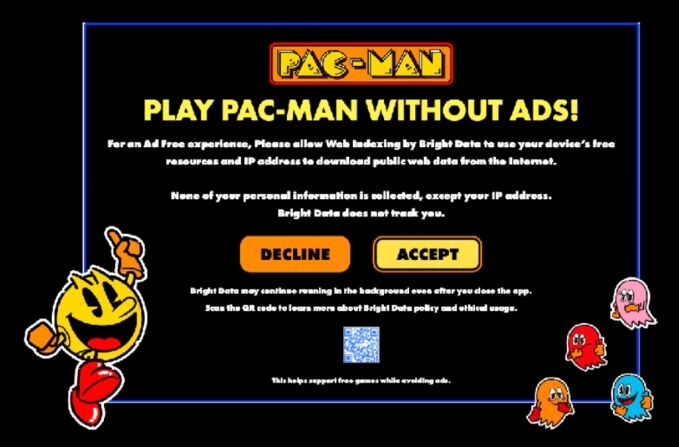
The proxy network implicated in this situation, Bright Data, has defended its practices. A spokesperson for the company asserted that users are presented with a dedicated screen to opt-in to the service and that customers who utilize their network undergo a vetting process. However, security researchers at Spur remain unconvinced. They argue that a single consent prompt, often buried deep within the settings of a smart TV application, does not constitute genuine transparency, especially when any member of a household, including children, could inadvertently agree to the terms. The visual evidence provided by Spur, showing a sample acceptance screen for proxy services, highlights the potentially obscure nature of these opt-in mechanisms.
Broader Industry Trends and User Privacy
This incident is not an isolated one and reflects a larger trend of evolving privacy challenges in the realm of smart home technology. In a separate development, it was reported that LG had faced criticism for bundling McAfee promotions into its monitor drivers via Windows Update without explicit prior warning. While seemingly unrelated, these instances collectively contribute to a growing public discourse around the transparency and ethical practices of major technology manufacturers in how they handle user data and system resources.
The situation also draws parallels with the ongoing debates surrounding app store policies on other platforms. Apple, for instance, faces criticism for its app approval process, particularly concerning the influx of certain types of applications. While Apple’s rigorous approval system can sometimes lead to delays, it generally prioritizes security and user privacy. The current situation with smart TV app stores suggests that a similar level of scrutiny and a stronger emphasis on user consent are urgently needed across the industry.
The implications of LG’s crackdown extend beyond its own platform. It sets a precedent for other smart TV manufacturers, such as Samsung and the myriad of other brands operating on various smart TV operating systems. As consumers increasingly rely on smart TVs for entertainment and information, the integrity of these devices and the applications they host becomes paramount. The potential for unauthorized use of a user’s internet connection for activities they are unaware of, and potentially could be held responsible for, is a significant privacy and security concern.
The Future of Smart TV App Ecosystems
The actions taken by LG are a welcome development for consumers concerned about their online privacy. The move towards stricter app vetting and the enforcement of clear guidelines against hidden proxy functionalities are essential steps in restoring trust in smart TV platforms. However, the underlying business model that incentivizes app developers to incorporate such SDKs remains a challenge. Companies like Bright Data operate on the premise of providing valuable data and access services, and the demand for residential proxies, for whatever purpose, continues to exist.
Moving forward, it will be crucial for consumers to remain vigilant. Understanding the permissions requested by applications, scrutinizing privacy policies (however tedious that may be), and staying informed about security reports are vital. Furthermore, regulatory bodies may need to consider implementing clearer guidelines and enforcement mechanisms to ensure that smart TV platforms are not inadvertently facilitating unauthorized data usage or privacy breaches. The digital landscape is constantly evolving, and the battle for user privacy in the connected home is far from over. LG’s decisive action, however, represents a significant victory for consumers and a strong signal to the industry that user trust and data security must be prioritized above all else.

The long-term impact of this crackdown could lead to a more secure and transparent app ecosystem for smart TV users. By holding developers accountable and tightening its own review processes, LG is not only protecting its customers but also encouraging a broader industry shift towards more ethical app development and distribution. The future of smart TV technology hinges on its ability to provide a seamless and enjoyable user experience without compromising the fundamental rights to privacy and security.