
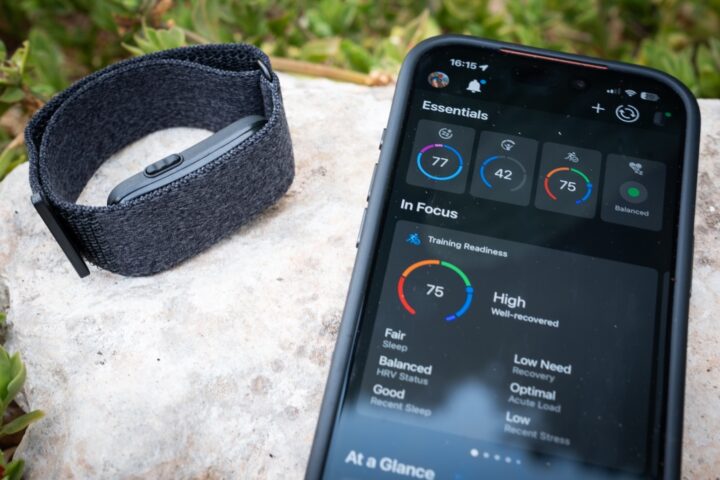
Garmin has officially entered the screenless wearable market with the launch of the Garmin Cirqa, a $199 device designed to provide comprehensive health and fitness metrics without the distractions of a traditional smartwatch display. The release follows nearly a year of industry speculation and rumors regarding Garmin’s intentions to compete directly with minimalist trackers like Whoop and the Fitbit Air. Positioned as a high-performance alternative that eschews mandatory monthly fees, the Cirqa integrates Garmin’s established ecosystem of physiological data into a compact, 20-gram pod-and-strap form factor.

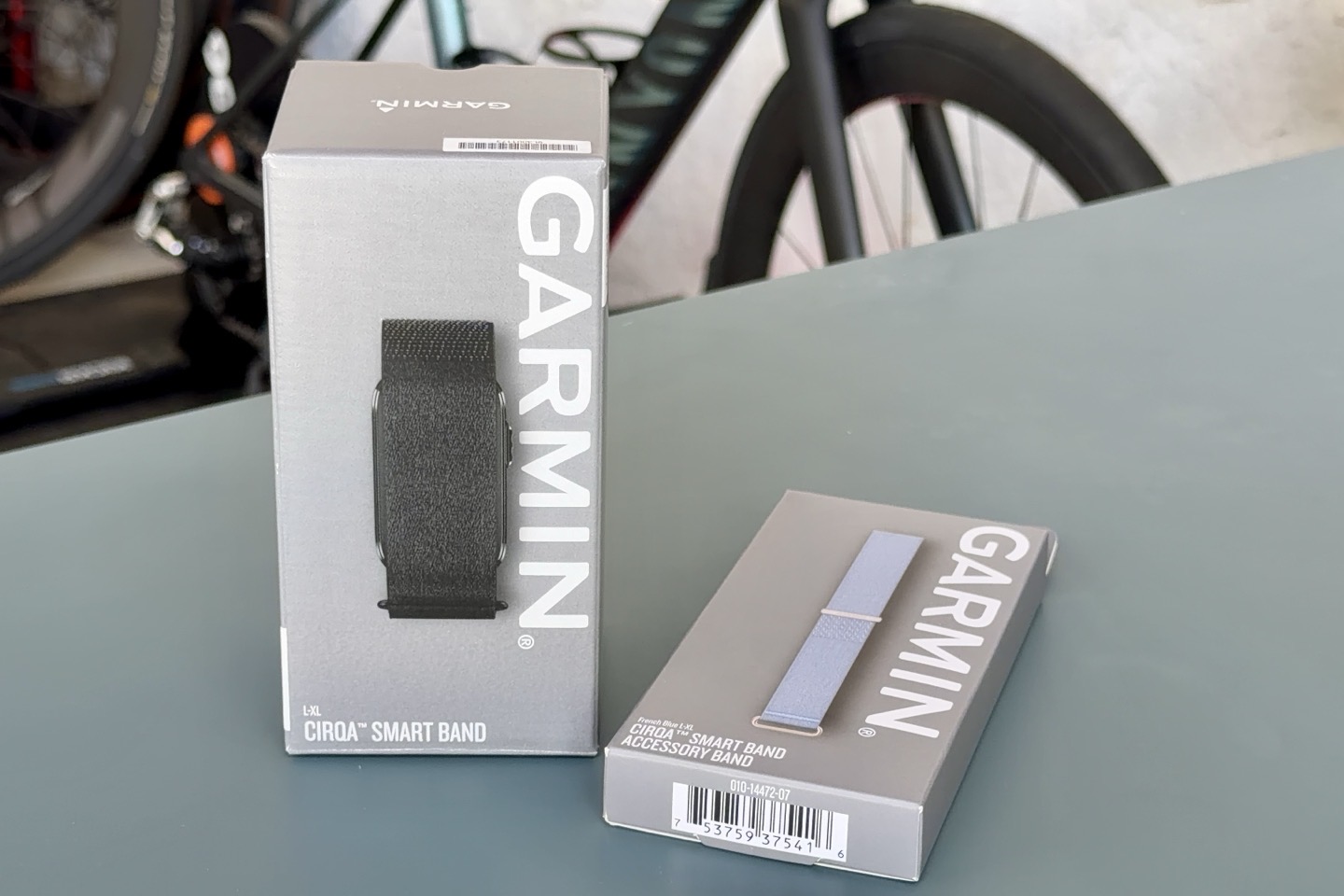
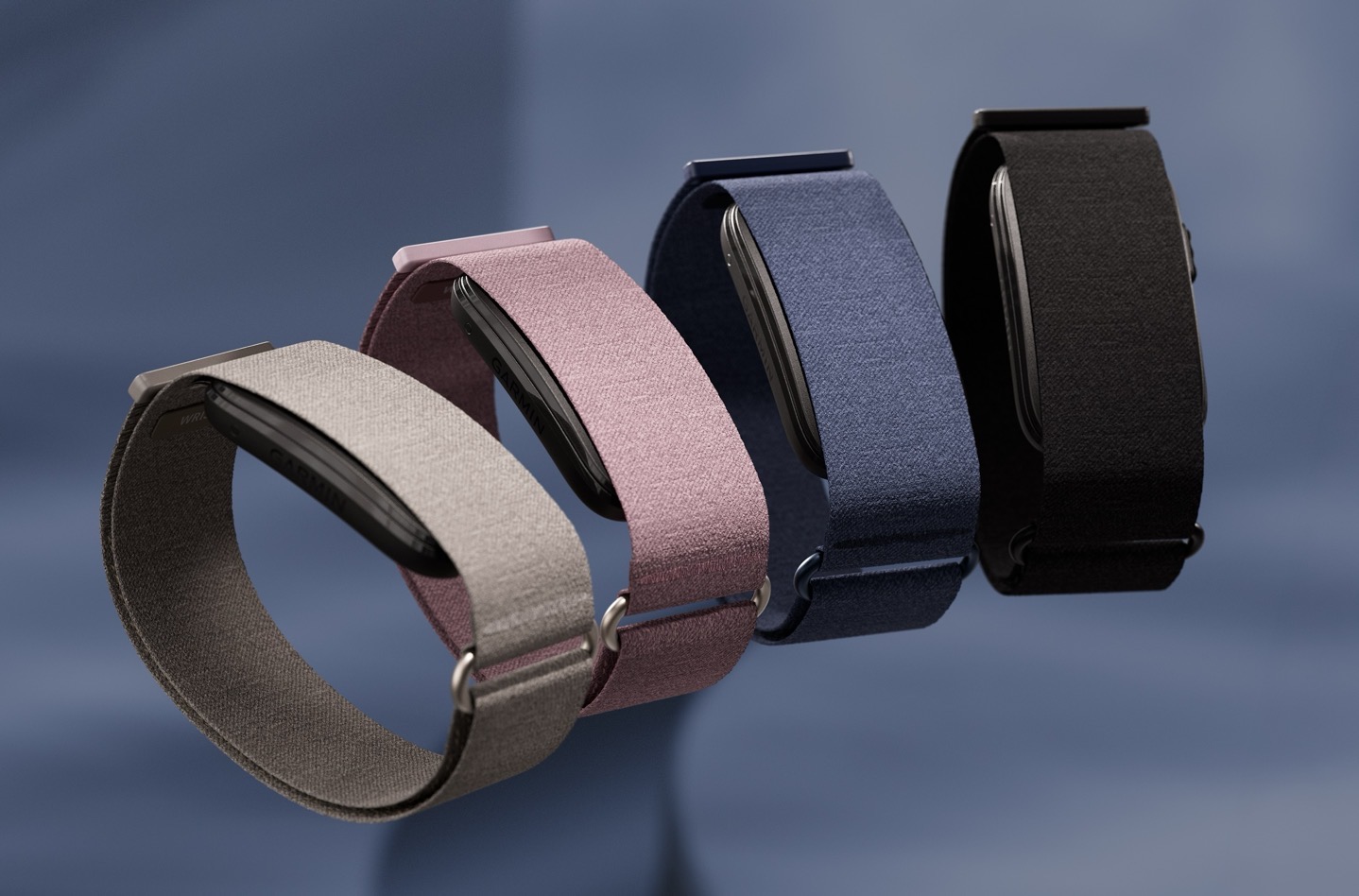
The device is priced at $199 USD (€199 / £179 / CAN$279) and is available in four colorways: Black, Grey, Red/Pink, and Navy Blue. Unlike many of its primary competitors, the Cirqa does not require a subscription to access its core data, though the company has introduced an optional "Garmin Connect+" tier for advanced coaching and nutrition features. This strategic move aims to capture a segment of the market that prioritizes deep data analytics and long-term value over the recurring cost models popularized by other industry leaders.
Hardware Design and Technical Specifications
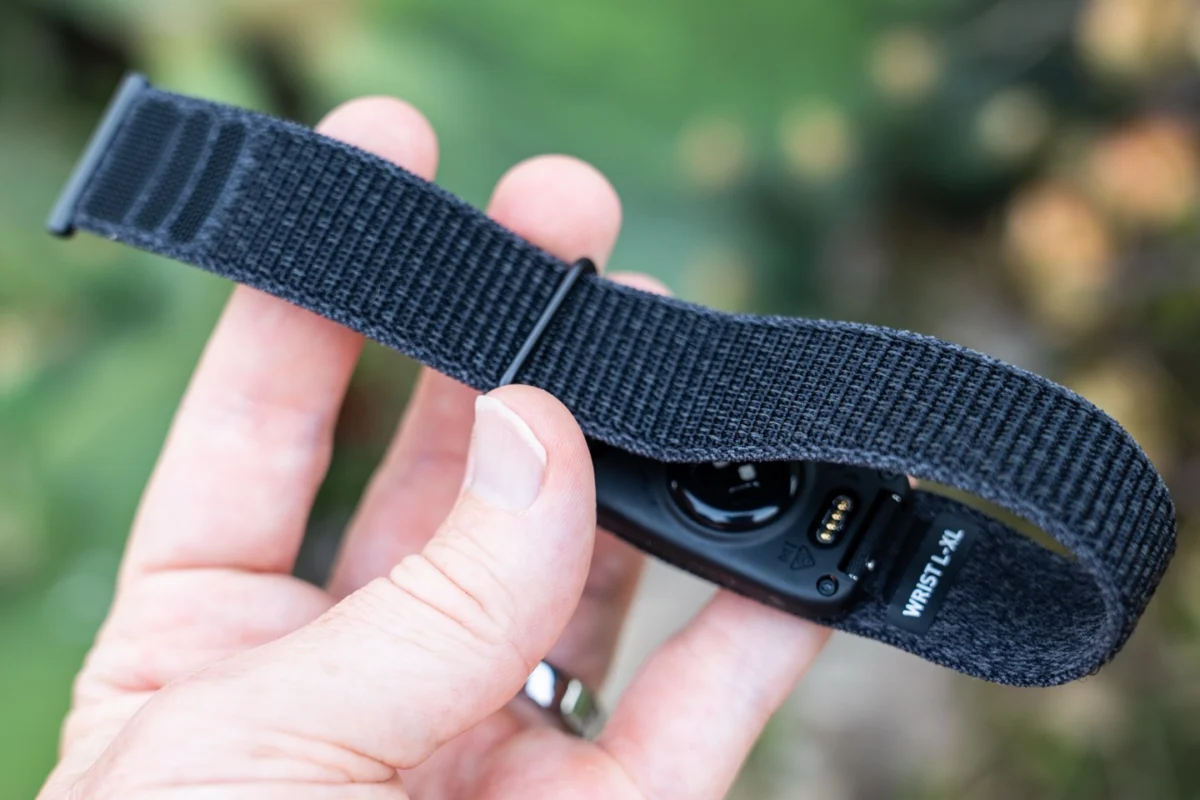
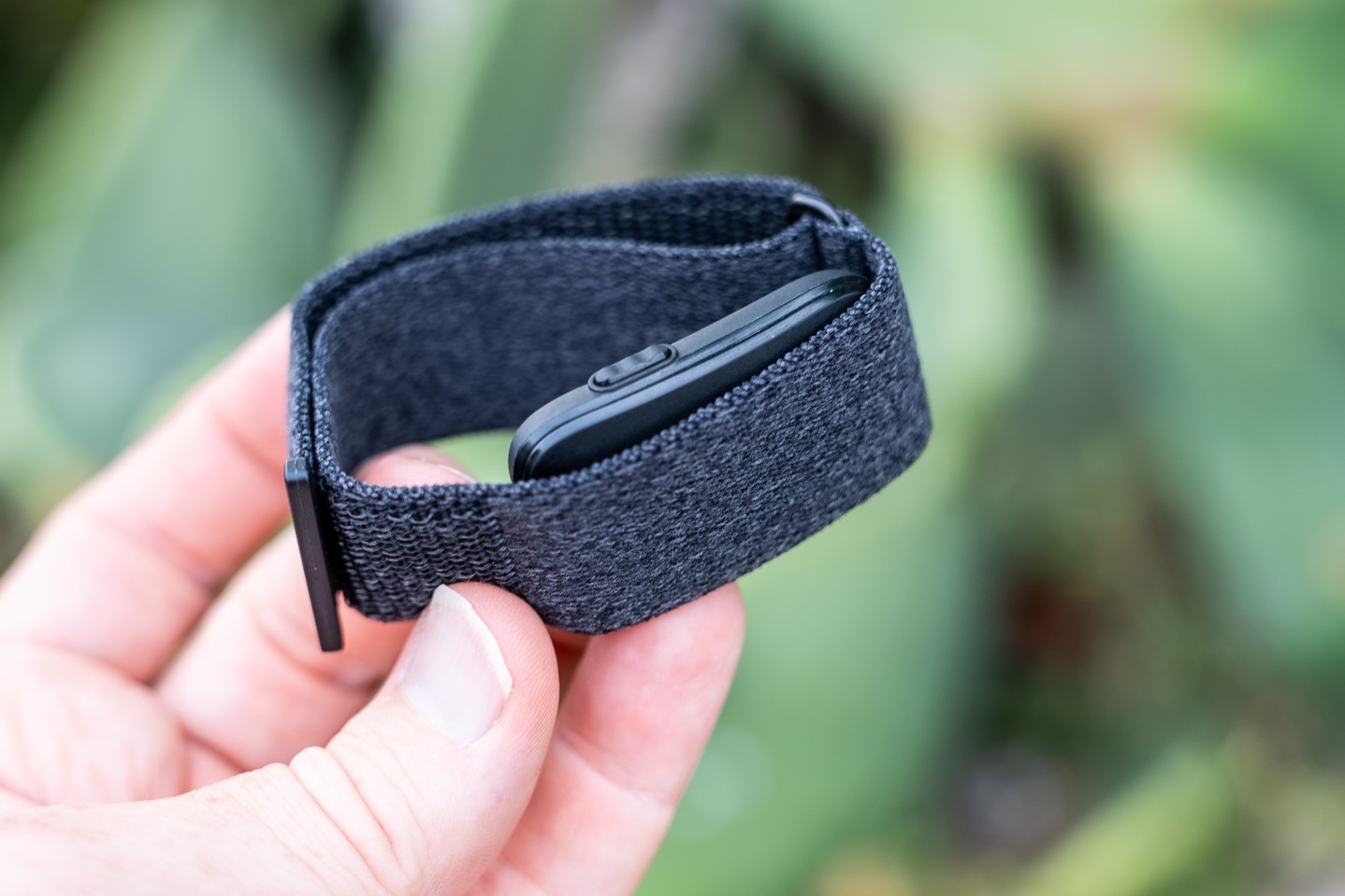
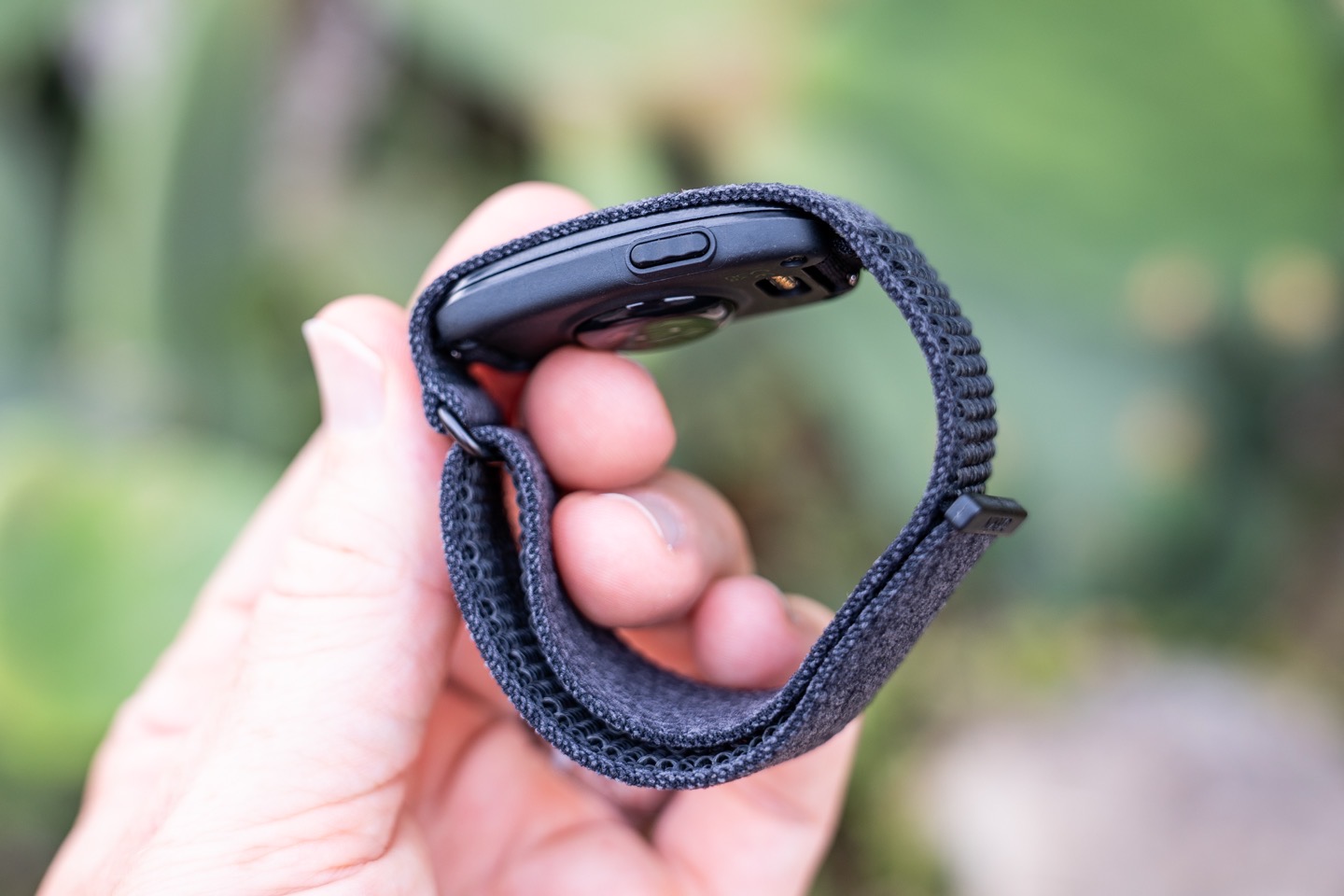
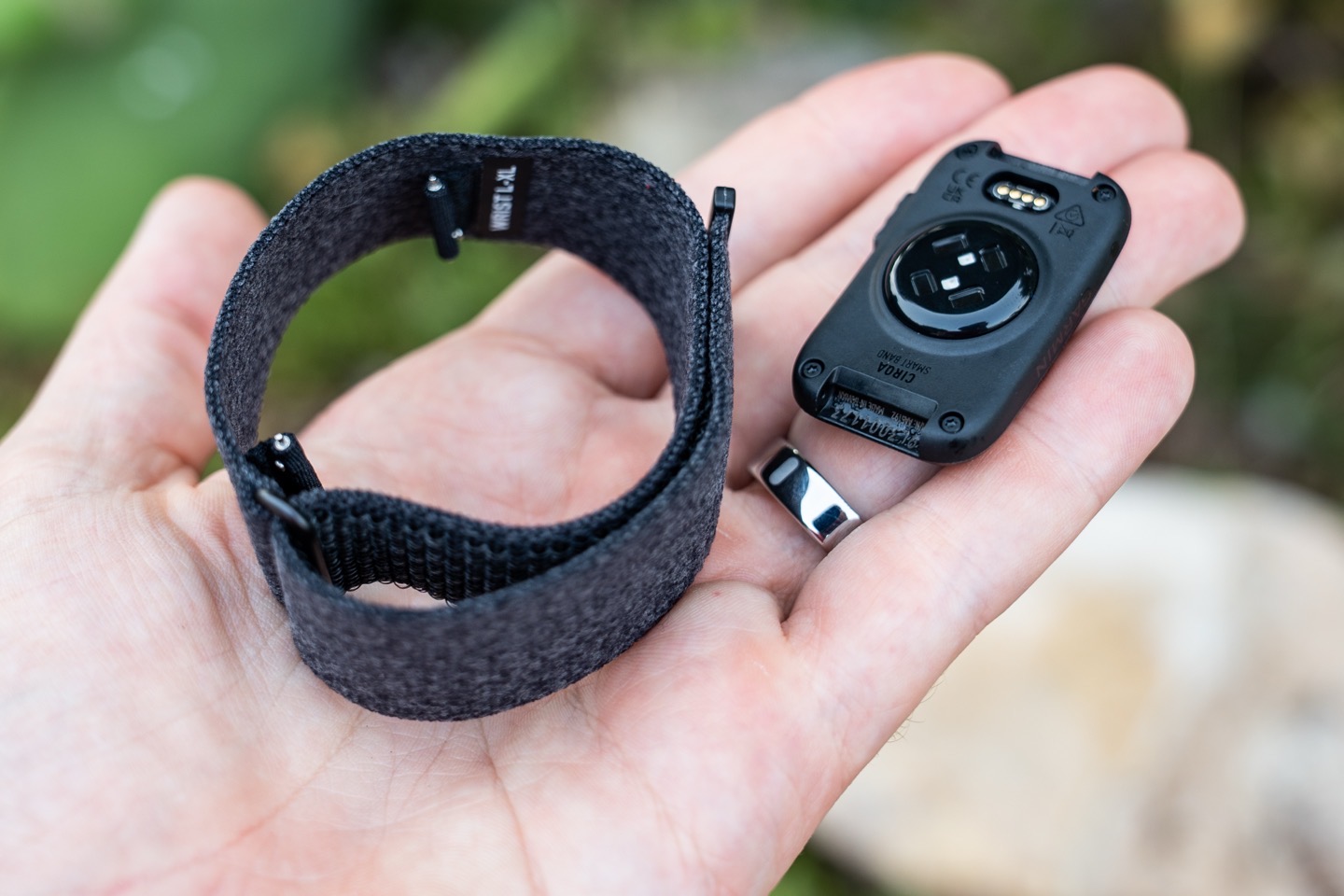
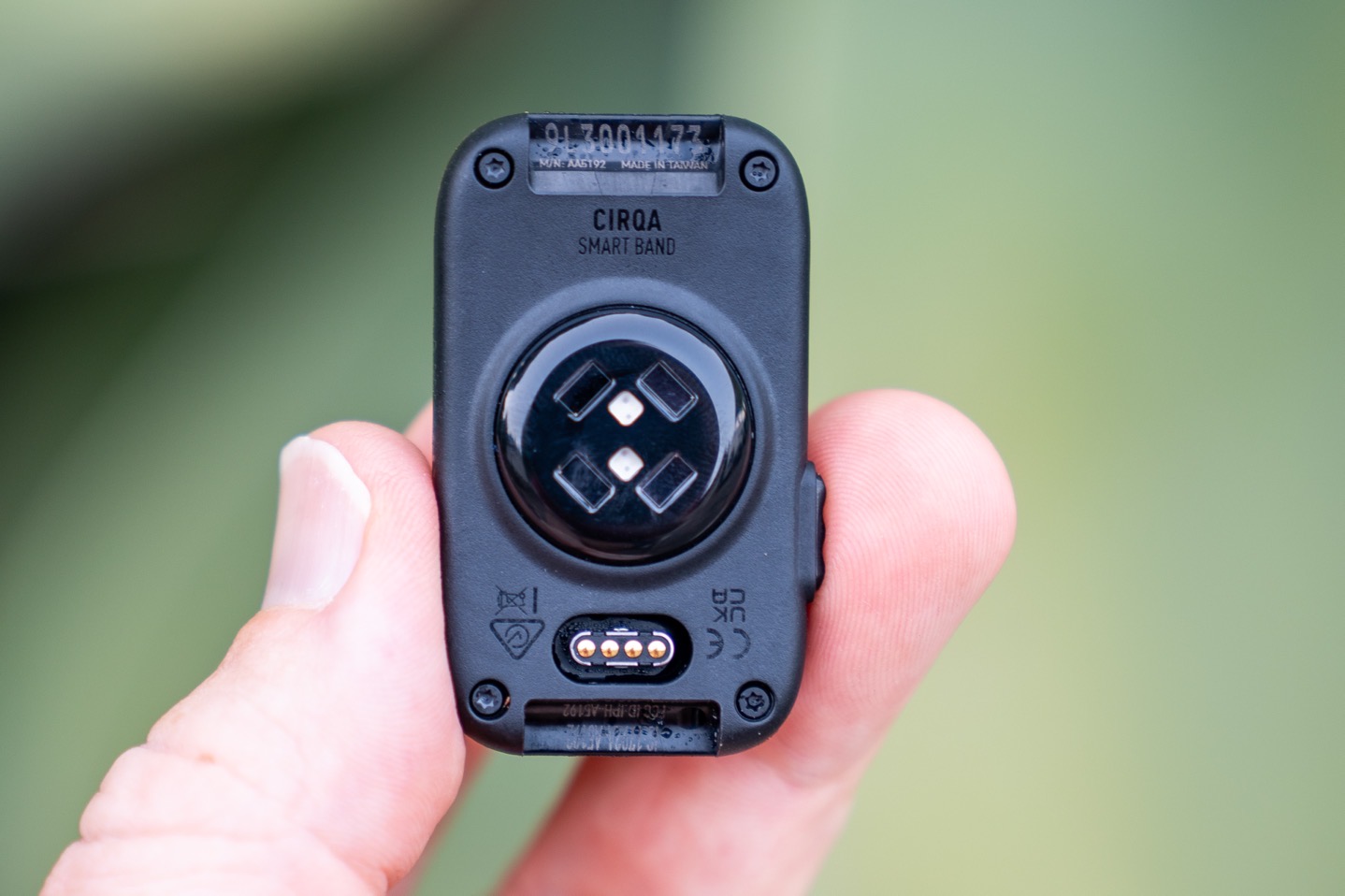
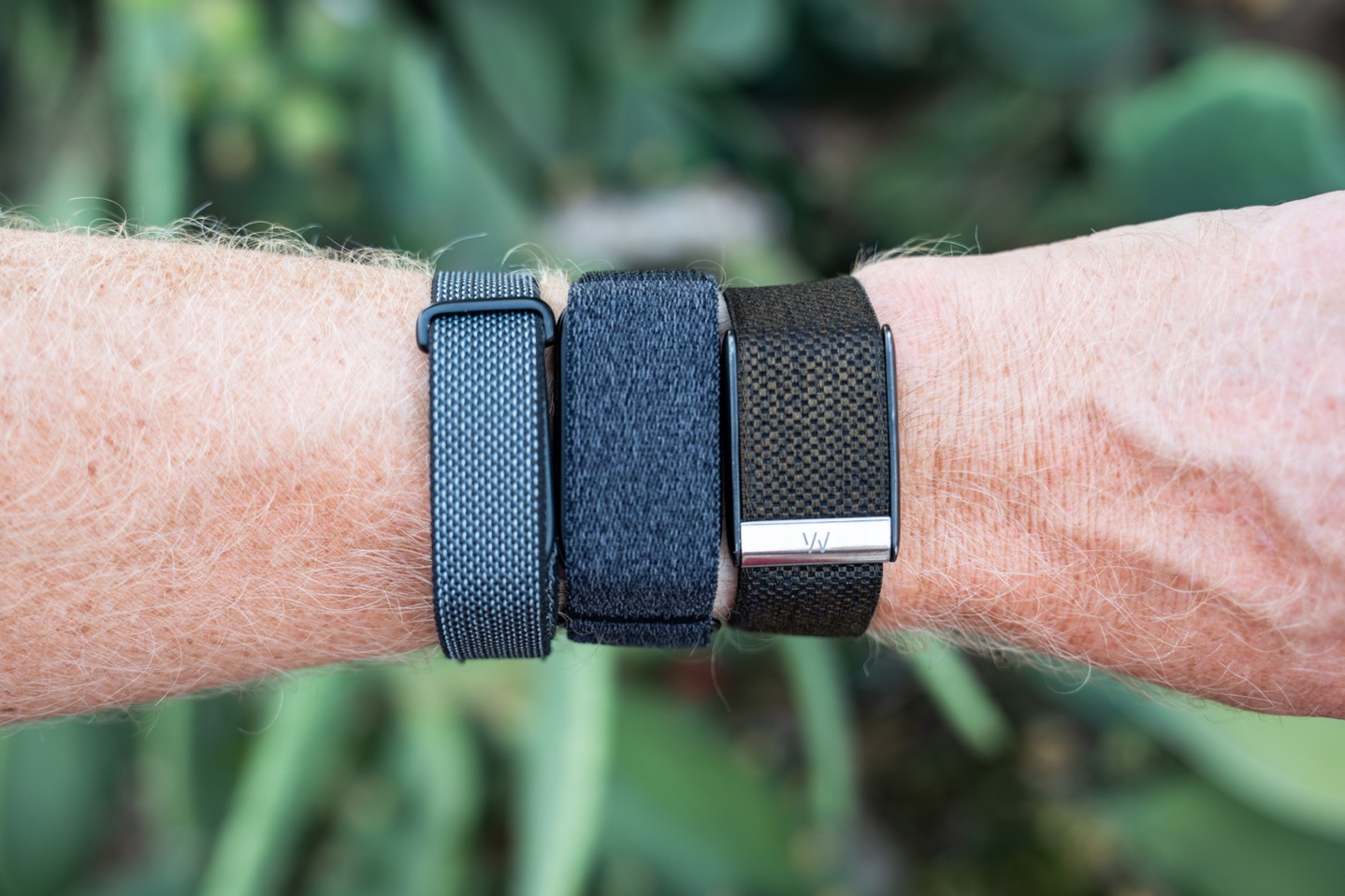
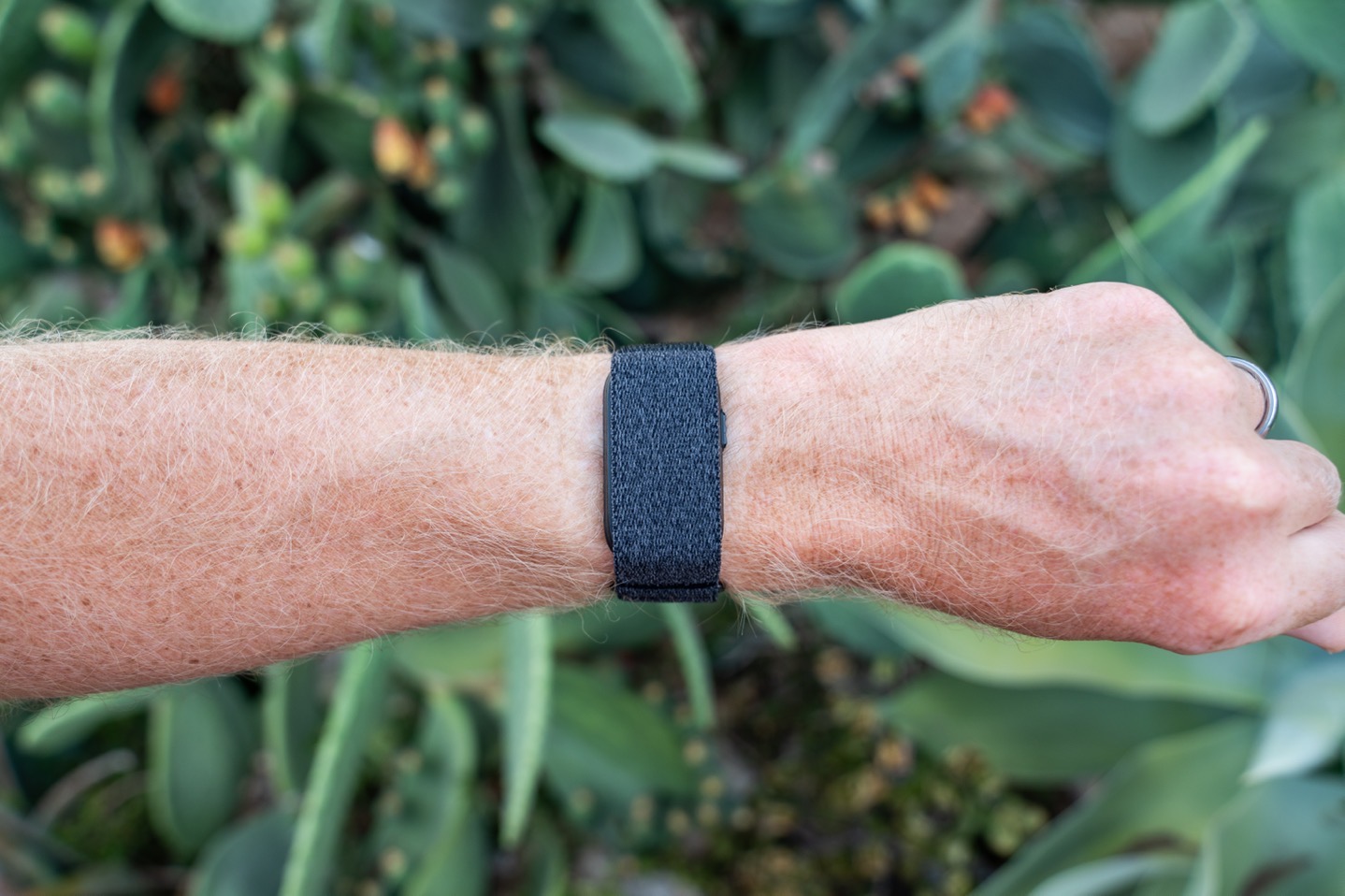
The Garmin Cirqa is built around a detachable "pod" that houses the internal sensors and battery. This pod is secured to the wrist or bicep using a 27mm wide strap, which is slightly wider than the current Whoop 5.0 band. The strap utilizes a simple Velcro adjustment system, emphasizing comfort for 24/7 wear. Notably, Garmin has included a physical button on the side of the pod—a feature often omitted in screenless trackers—which serves multiple functions, including manually starting activities, snoozing alarms, and initiating heart rate broadcasting.
Internally, the Cirqa utilizes the Garmin Elevate Gen4 optical heart rate sensor. While this is a generation behind the Gen5 sensor found in the flagship Fenix and Forerunner series, it remains a highly capable module for heart rate variability (HRV) and general fitness tracking. The primary distinction between the two generations is the Gen5’s support for medically certified Electrocardiogram (ECG) readings, a feature absent from the Cirqa. However, the device does include skin temperature tracking, a metric previously reserved for higher-end hardware.
Key specifications include:
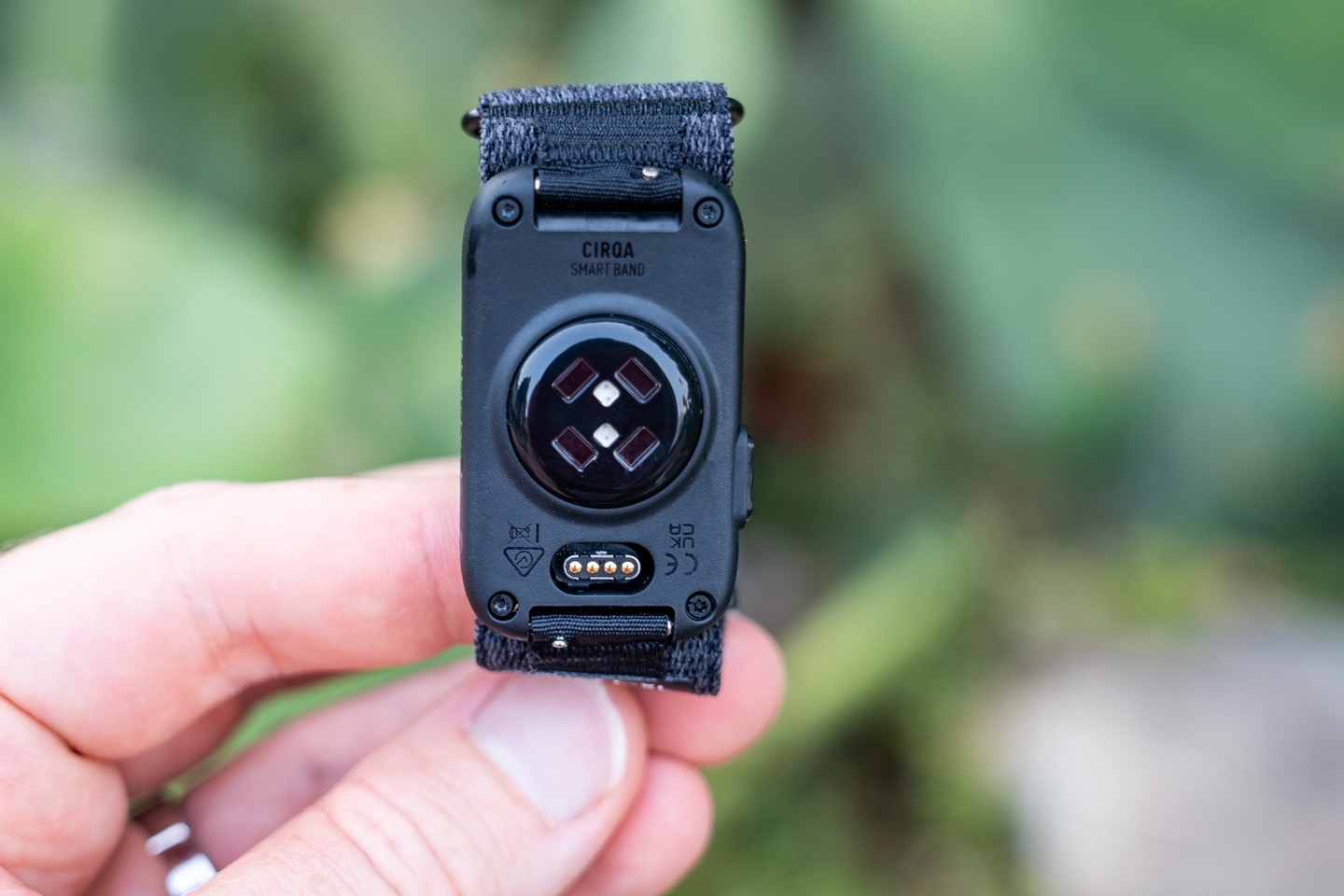
- Weight: 20 grams.
- Battery Life: Up to 10 days on a single charge.
- Water Resistance: Rated to 50 meters (5 ATM).
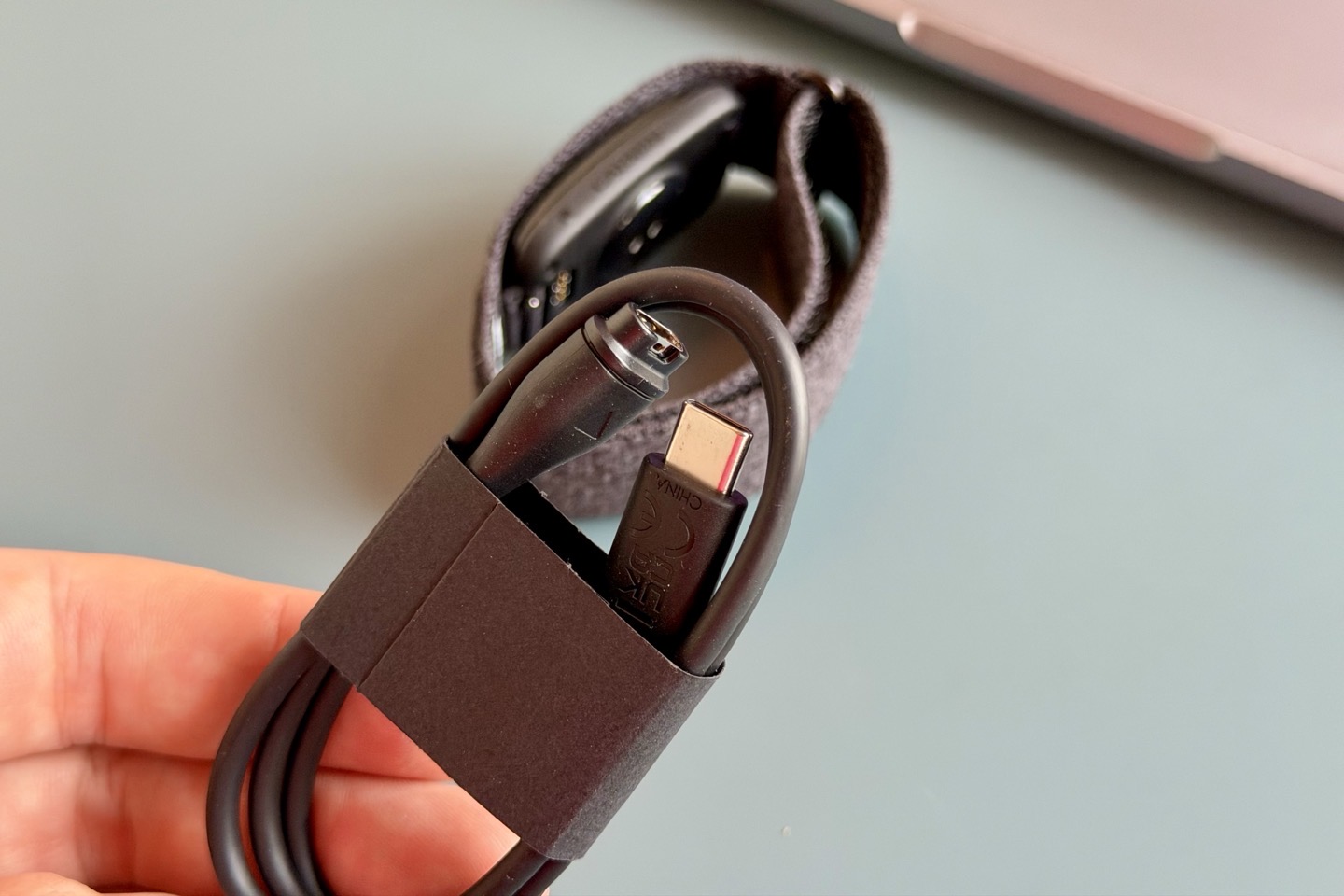
- Charging: Standard Garmin proprietary port with a USB-C termination.
- Connectivity: Bluetooth and ANT+ support; uses "Connected GPS" via a paired smartphone.
- Sensors: Optical heart rate (Elevate Gen4), Pulse Ox (SpO2), accelerometer, and skin temperature sensor.
The Evolution of Garmin’s Screenless Strategy
The launch of the Cirqa is the culmination of several years of groundwork. In early 2025, Garmin released the Index Sleep Monitor, a screenless device that served as a proof-of-concept for 24/7 wearable tracking without a display. This precursor allowed the company to refine its "Unified Training Status" and "Physio TrueUp" algorithms, ensuring that data collected by a screenless band could seamlessly merge with data from other Garmin devices, such as bike computers or GPS watches.
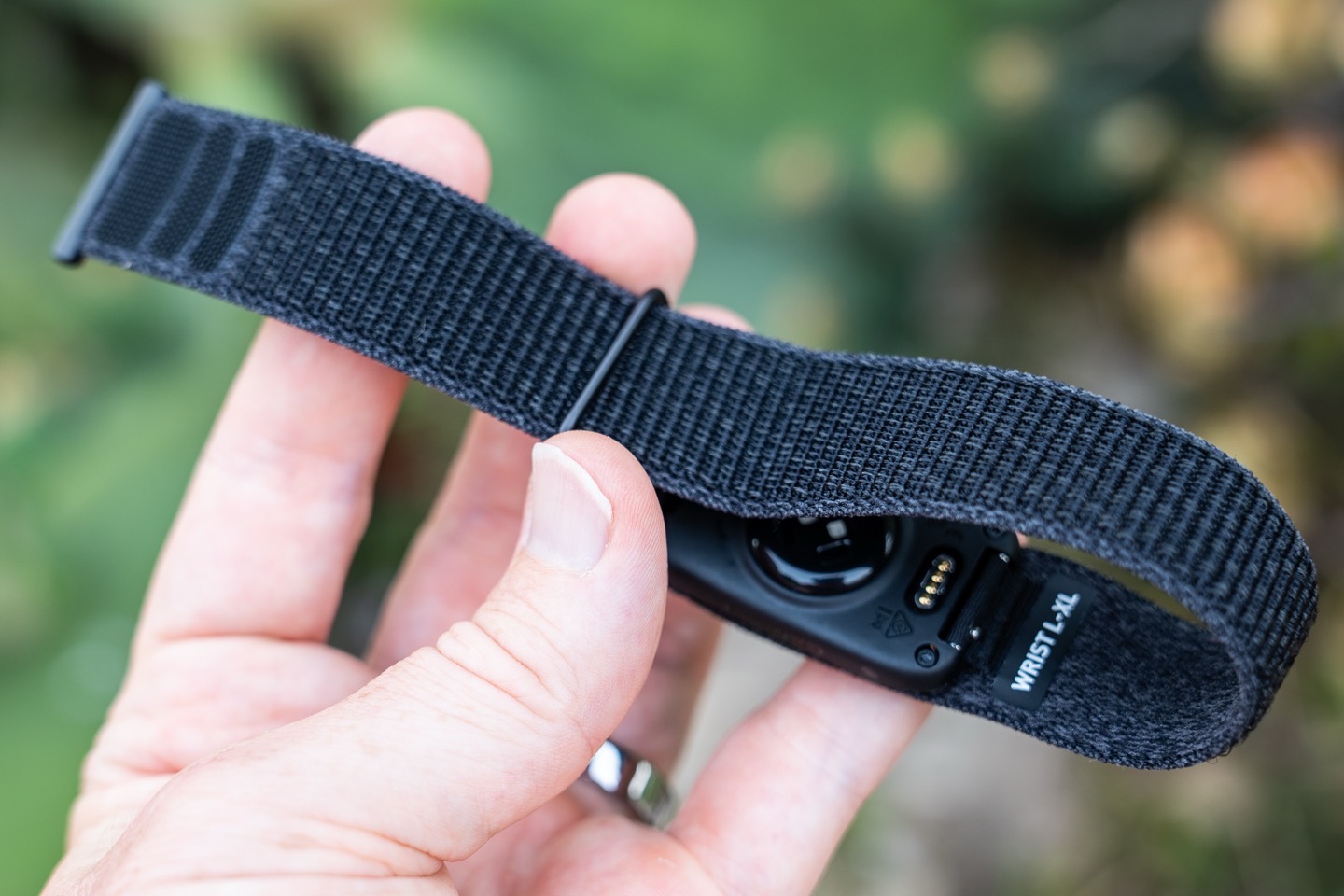
Rumors regarding a dedicated screenless band circulated throughout 2025, often under various codenames. While many early leaks suggested a device purely focused on recovery, the final Cirqa product is a full-featured fitness tracker. By utilizing the Elevate Gen4 sensor, Garmin was able to keep the price point competitive while maintaining the accuracy levels expected by its core athletic demographic. The inclusion of a bicep band option at launch ($59) further signals Garmin’s intent to compete in the CrossFit and functional fitness spaces where wrist-based tracking can be cumbersome.
Health, Wellness, and Performance Metrics
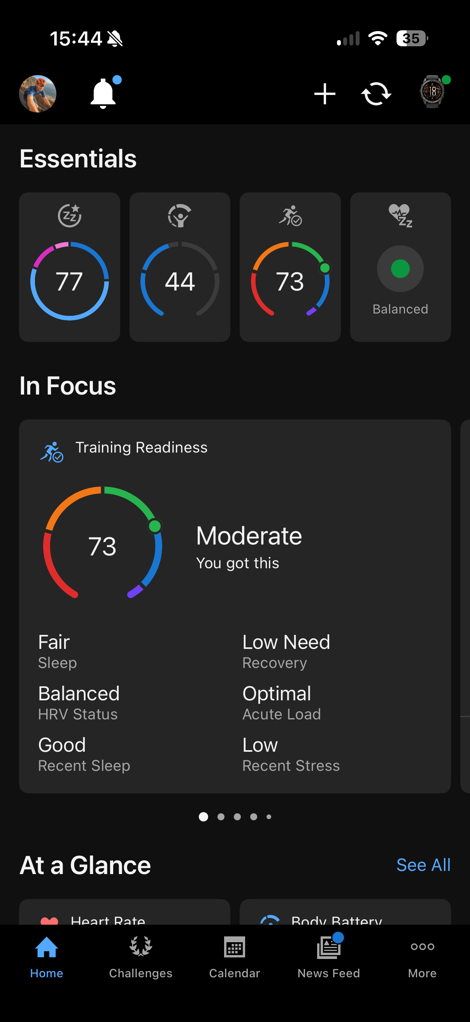
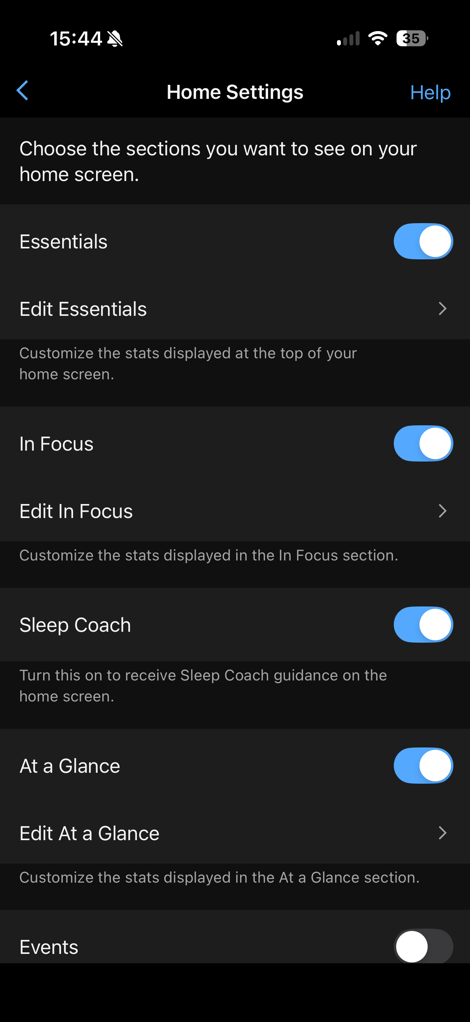
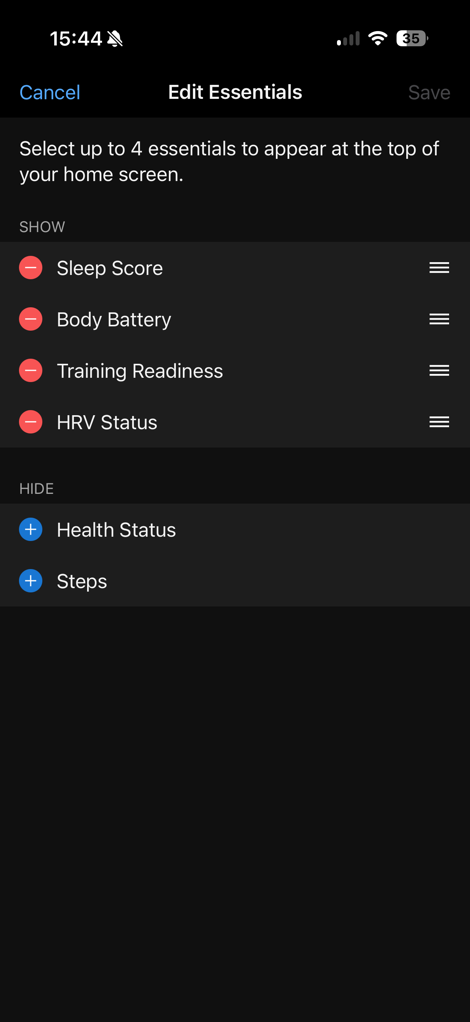
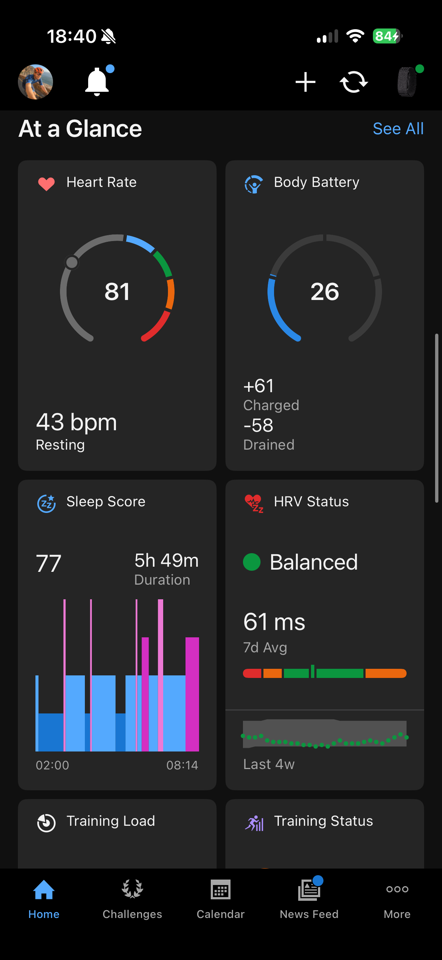
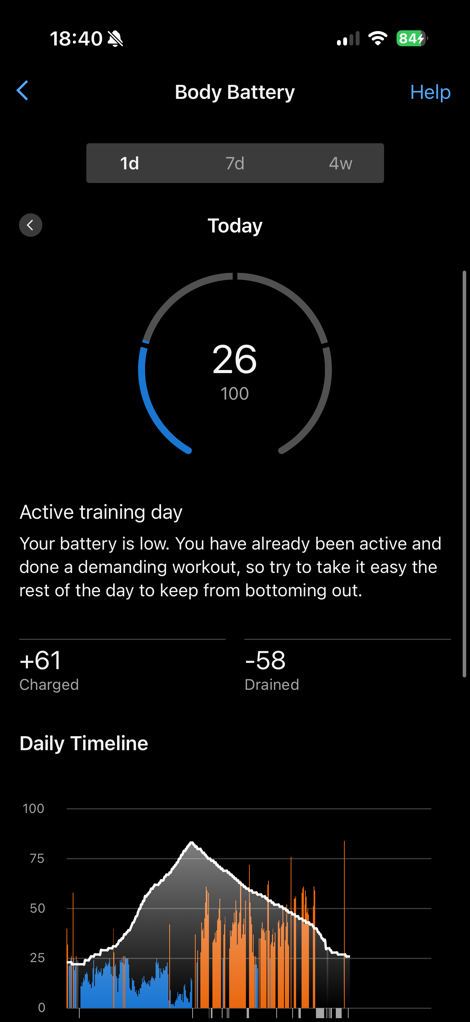
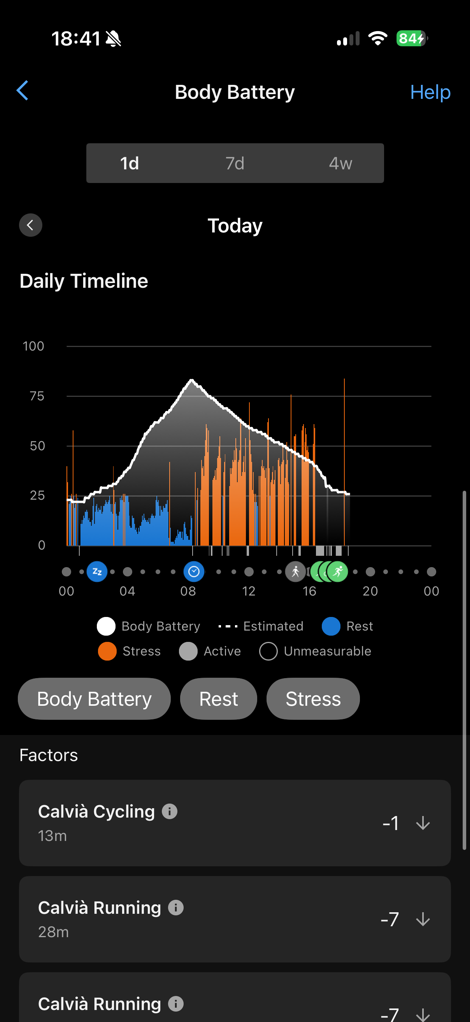
The Garmin Cirqa offers nearly the entire suite of health metrics found in the company’s sub-$500 GPS watches. Because the device lacks a screen, all data visualization occurs within the Garmin Connect mobile app or web portal. The device monitors heart rate continuously, providing users with insights into their resting heart rate and stress levels throughout the day.
One of the most significant features included in the Cirqa is "Training Readiness." This proprietary metric evaluates several factors—including sleep quality, recovery time, acute training load, and HRV status—to provide a score from 1 to 100 indicating how prepared the user is for intense physical activity. This puts the Cirqa in direct competition with Whoop’s "Recovery" score and Fitbit’s "Readiness" score.
Additional tracking capabilities include:
- Sleep Analytics: Detailed breakdowns of sleep stages, nap detection, and sleep coaching.
- Respiratory Data: Nightly respiration rate and SpO2 monitoring.
- Women’s Health: Menstrual cycle and pregnancy tracking, utilizing skin temperature data for more accurate predictions.
- Training Load: Monitoring of "Acute Load," "Load Ratio," and "Load Focus" to prevent overtraining and optimize performance gains.
- Daily Activity: Step counting, intensity minutes, and calorie burn.
Workout Functionality and App Integration
The Cirqa supports three primary methods for tracking exercise: automatic detection, manual button activation, and app-initiated sessions. For activities like walking or running, the device’s "Move IQ" technology can automatically identify and log the event. For more nuanced sports such as yoga or strength training, users can press the side button to signal the start of a session.
For athletes requiring real-time data, the Garmin Connect app serves as a "live dashboard." When an activity is started via the app, it can leverage the smartphone’s GPS to provide accurate pace, distance, and mapping. However, initial user feedback has noted that the live data view is currently limited. Without a Garmin Connect+ subscription, the live view provides basic numerical data but lacks real-time heart rate graphs or customizable data fields.
A notable feature for multi-sport athletes is the Cirqa’s ability to broadcast heart rate data via Bluetooth and ANT+. This allows the band to act as a heart rate strap for third-party platforms like Zwift or Peloton, or to provide data to a Garmin Edge cycling computer. This versatility positions the Cirqa as both a 24/7 recovery tracker and a functional tool for structured training.
The Subscription Landscape: Garmin Connect+
While the Cirqa functions fully without a monthly fee, Garmin has introduced "Garmin Connect+" to offer an enhanced experience. Priced to compete with other fitness subscriptions, this tier provides:
- Expanded Coaching: Access to Garmin Coach strength and fitness workouts directly within the app.
- Advanced Live Metrics: Real-time heart rate graphing during activities and manual lap creation.
- Nutrition Integration: Comprehensive nutrition logging and caloric balance tracking.
- Social and Safety Features: Enhanced LiveTrack location sharing via SMS and exclusive social badges.
- Data Analysis: A web-based performance dashboard and an annual "Rundown" of activity statistics.
Industry analysts suggest that Garmin’s approach is a "middle ground" strategy. By keeping the core physiological data free, they maintain the loyalty of their existing user base while offering a low-friction entry point for new users who are wary of "subscription fatigue."
Market Comparison and Implications
The Cirqa enters a crowded field dominated by Whoop and Fitbit. When compared to the Whoop 5.0, the Cirqa offers a lower total cost of ownership; a single year of Whoop’s lowest-tier subscription is roughly equivalent to the outright purchase price of the Cirqa. While Whoop is often praised for its sleek app interface and extensive lifestyle journaling, Garmin counters with a more robust set of athletic performance metrics and the ability to integrate with a wider ecosystem of hardware.
Against the Fitbit Air, the Cirqa is positioned as the more "serious" athletic tool. While Fitbit excels in mainstream health appeal and celebrity-driven marketing, Garmin’s focus on Training Load and Acute Load targets the "prosumer" athlete. The lack of a built-in GPS is a common trait among these minimalist trackers, but Garmin’s "Connected GPS" implementation is designed to be as seamless as possible for those who carry their phones during exercise.
Industry Impact and Future Outlook
The launch of the Garmin Cirqa represents a shift in the wearable industry’s philosophy. For years, the trend moved toward larger screens and more "smart" features. The Cirqa, along with its competitors, acknowledges a growing segment of users who want the data of a high-end sports watch without the aesthetic or distraction of a screen.
The broader implication for Garmin is the protection of its ecosystem. By offering a screenless option, Garmin prevents its users from "bleeding" into other ecosystems like Whoop or Oura during their off-hours or rest days. It allows a user to wear a mechanical watch or no watch at all while still maintaining a continuous stream of data into the Garmin Connect platform.
As the wearable market continues to bifurcate between full-featured smartwatches and invisible "ambient" trackers, the Garmin Cirqa stands as a significant entry. Its success will likely depend on how quickly Garmin can iterate on the mobile app’s live-data features and whether its marketing can reach beyond the hardcore athletic community to the broader wellness market. For now, the Cirqa offers a compelling, subscription-free alternative for those seeking professional-grade health insights in a minimalist package.


