The quest for a high-performing laptop at an accessible price point, specifically under $500, often presents a significant challenge for consumers. While budget-friendly models typically forego the premium features and cutting-edge specifications found in their more expensive counterparts, a thorough evaluation reveals that robust and reliable machines, capable of handling essential tasks with surprising efficiency, are indeed available. The key lies in setting realistic expectations and identifying devices that master fundamental functionalities while occasionally offering unexpected bonus features.
Market Dynamics and Evolving Expectations
The sub-$500 laptop segment is a critical battleground for manufacturers, catering to a diverse user base including students, children, and individuals seeking a dependable secondary device without a substantial financial outlay. Historically, this category has been synonymous with significant compromises in performance, build quality, and display fidelity. However, recent advancements in component manufacturing and operating system optimization have begun to redefine what is achievable within this budget. As of 2025, the market demonstrates a clear bifurcation, with Windows-based laptops competing alongside a growing array of Chromebooks, which frequently offer superior value propositions due to their optimized, cloud-centric operating system.
It is imperative for prospective buyers to acknowledge the inherent trade-offs. While one should not anticipate top-tier processors, advanced graphics cards, or luxurious materials, the best budget laptops are characterized by intelligent compromises. Common specifications include slower processors, limited storage capacities, and serviceable rather than spectacular displays. A consistent hallmark among the leading models, as highlighted by extensive testing, is an impressive battery life, a crucial feature for mobility and uninterrupted productivity. This focus on enduring power, combined with a solid foundation for everyday tasks, ensures that a well-chosen budget laptop can prove to be a worthwhile investment. This comprehensive guide, regularly updated by Laptop Mag, reflects the top recommendations for the current year.

Recent Updates and Editorial Expertise
The dynamic nature of the technology market necessitates continuous evaluation. A significant update on May 5, 2025, introduced new FAQs, detailed testing charts, and the inclusion of the Acer Chromebook Spin 312 to the curated list. Furthermore, the "how to choose" section was refined to provide more actionable advice for consumers. This rigorous, ongoing assessment ensures that the recommendations remain pertinent and reflective of the latest advancements and market availability.
The selection process is spearheaded by Joanna Nelius, a seasoned reviewer of laptops and computer hardware since 2018, whose work has been featured in prominent publications such as The Verge, USA Today, Gizmodo, PC Gamer, and Maximum PC. Her academic background, holding an MFA from Chapman University and serving as a creative writing instructor, lends a unique perspective to her technical evaluations, ensuring clarity and depth in her assessments.
Top Recommendations for Budget-Conscious Consumers
1. Lenovo IdeaPad Flex 5i Chromebook Plus: The Benchmark for Overall Value
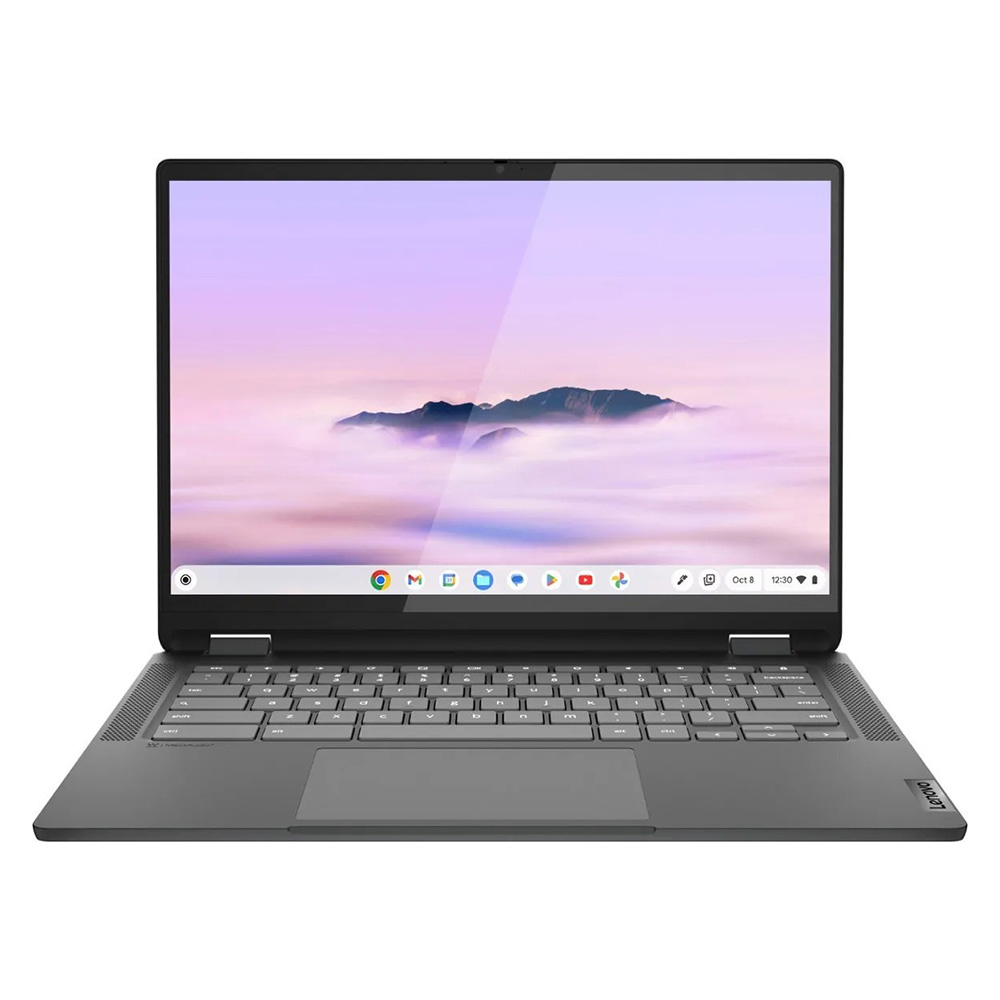
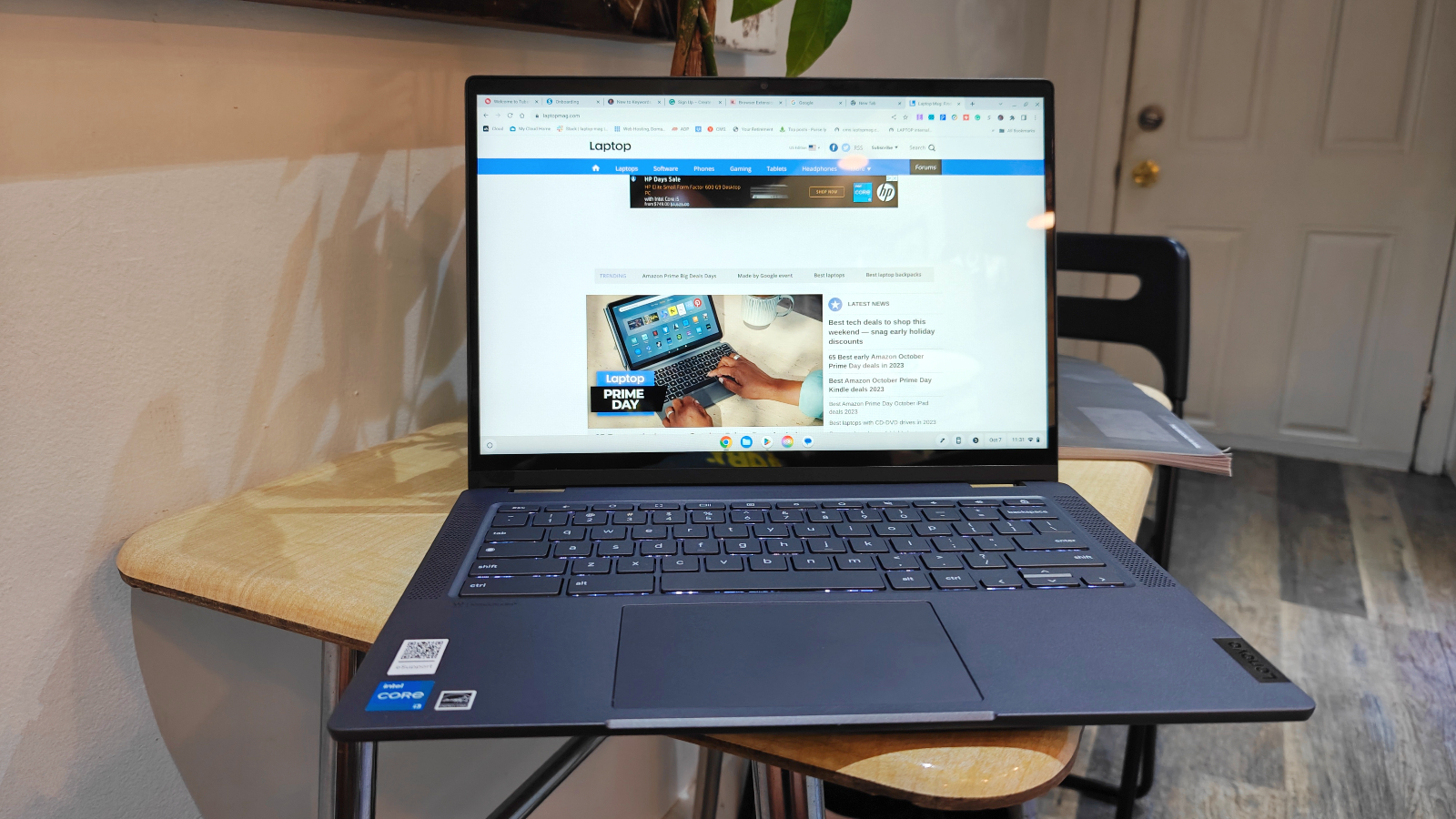
For users seeking a modern, aesthetically pleasing, and highly functional laptop that defies its modest price tag, the Lenovo IdeaPad Flex 5i Chromebook Plus stands out as the premier choice. This 2-in-1 device combines next-level, AI-infused performance with an engaging user experience, all within an affordable package. Powered by an Intel Core i3-1315U processor and equipped with 8GB of RAM and a 1080p touch display, it delivers a surprisingly robust computing experience for under $500.
Its performance metrics underscore its capability. In Geekbench 6 multi-core testing, the IdeaPad Flex 5i achieved an average score of 5,384, surpassing the typical Chromebook average of 5,259. This performance significantly outpaces alternatives like the Lenovo Duet 5 Chromebook (1,727) and the Lenovo Flex 5 14 (Intel) (3,841). Crucially, as a Chromebook, it is designed for efficiency, meaning these strong performance figures translate into exceptionally smooth operation for its intended web-centric and productivity tasks, where intensive local processing is less frequent. Furthermore, its impressive battery life of nearly 10 hours ensures extended usage without constant recharging.
Beyond its internal prowess, the IdeaPad Flex 5i boasts a design that belies its budget status. Its sleek profile, measuring 12.4 x 9.0 x 0.8 inches and weighing 3.57 pounds, exudes a premium feel, avoiding the clunky aesthetics often associated with entry-level devices. While its 14-inch, 1080p IPS touch display may not offer the most vibrant color reproduction (46.5% DCI-P3), its 16:10 aspect ratio provides valuable vertical screen real estate, enhancing productivity. The display also reaches a respectable brightness of 306 nits, contributing to a comfortable viewing experience. The laptop further impresses with a great keyboard and sturdy hinges, reinforcing its durability and user comfort. The only notable drawback is the display’s brightness, which, while decent, could be improved.
2. Lenovo Duet 5 Chromebook: Unrivaled Value Under $300
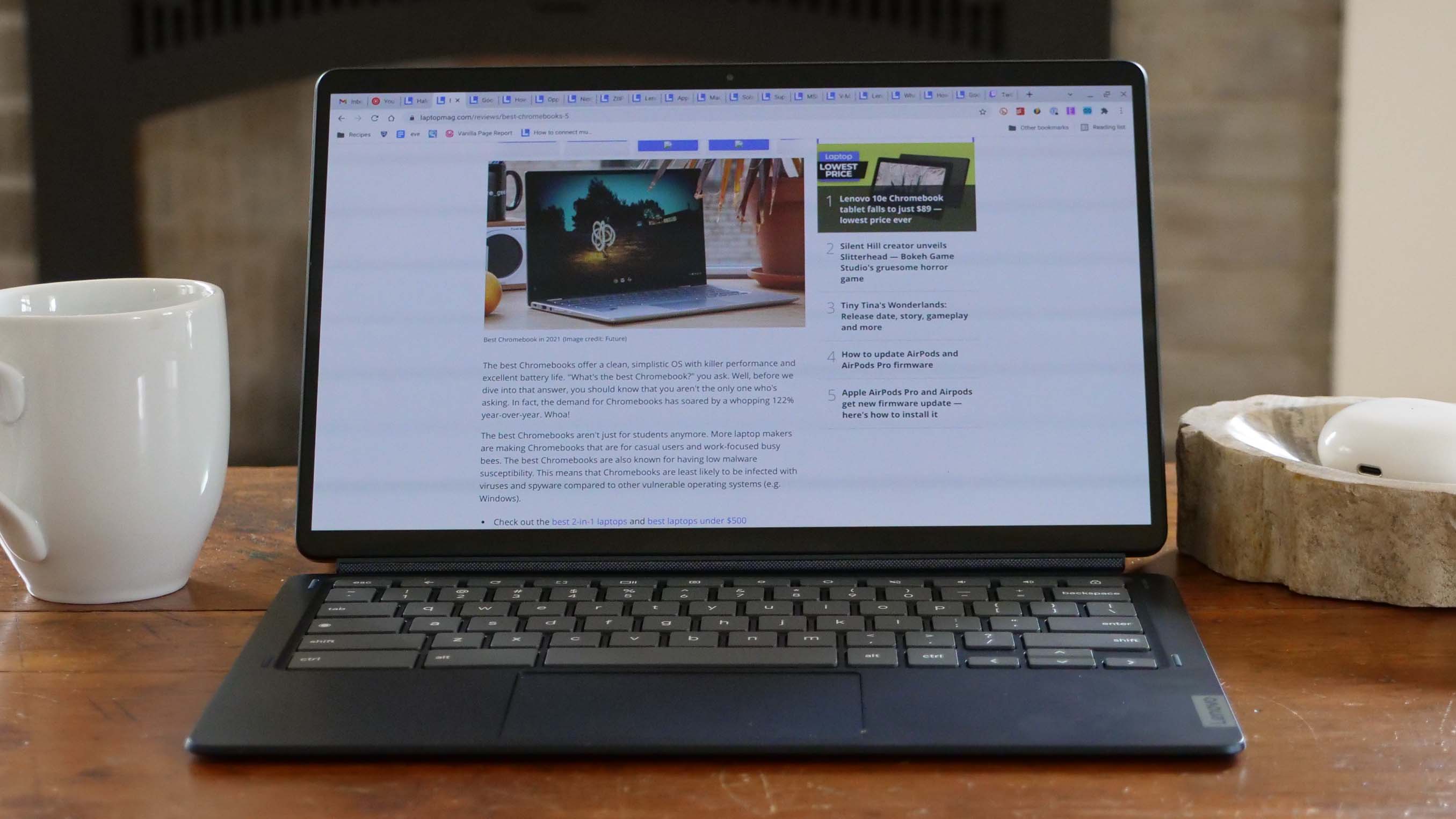
For years, the Lenovo Duet 5 Chromebook has been a consistent frontrunner in the budget category, a testament to its exceptional feature set for its price. Although it has recently been surpassed as the "best overall" due to the emergence of newer, more powerful options, it remains an absolute champion, particularly for those with a strict budget of under $300. This detachable 2-in-1 device offers unparalleled versatility and an impressive display.
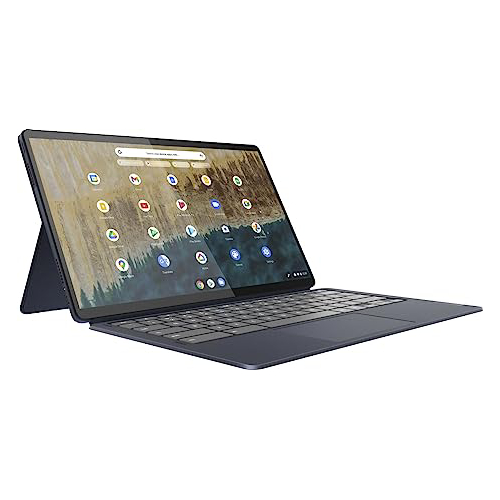
While its performance, driven by a Qualcomm Snapdragon 7c Gen 2 processor, is modest compared to its peers on this list, it is more than adequate for typical Chromebook tasks. Its Geekbench 5 multi-core score of 1,727 falls below the Chromebook average of 2,253 and other Lenovo models but still outperforms some ultra-budget options. Where the Duet 5 truly shines is its 13.3-inch, 1920 x 1080 OLED touch display. This panel reproduces 85.2 percent of the DCI-P3 color gamut and achieves an average brightness of 361 nits – figures typically associated with premium laptops and high-end multimedia devices. The inclusion of an OLED screen at this price point is a game-changer for media consumption, offering deep blacks and vibrant colors that dramatically enhance the visual experience.
Another standout feature is its extraordinary battery life, lasting 13 hours and 31 minutes on a single charge. This places it among the longest-lasting notebooks available, providing nearly a full day and a half of typical use. The detachable 2-in-1 design further adds to its appeal, seamlessly transforming from a laptop to a tablet. Unlike many pricier detachables, the Duet 5 includes both the keyboard and cover, adding significant value. The primary limitations are its relatively weaker performance for demanding applications and the absence of an included stylus. Despite these minor drawbacks, its combination of an OLED display, exceptional battery life, and convertible design makes it an outstanding choice for its price.
3. Lenovo IdeaPad Flex 5 14 (Intel): The Best Windows Option
Finding a genuinely capable Windows laptop for under $500 is notoriously difficult, often fraught with devices that offer frustratingly slow performance or poor longevity. The Lenovo IdeaPad Flex 5 14 (Intel) emerges as a notable exception, providing a compelling balance of price and power. This model delivers essential features necessary for a functional Windows experience at this budget: solid performance, an exceptional 14-hour battery life, and a comfortable keyboard. Its battery endurance alone is a significant selling point, surpassing many more expensive laptops that struggle to reach the 8-hour mark.
Equipped with an Intel Core i5-1135G7 processor, 16GB of RAM, and a 512GB SSD, the IdeaPad Flex 5 14 demonstrates respectable performance in laboratory tests. It achieved a Geekbench 5 multi-core score of 3,841, comfortably exceeding the Chromebook average of 2,253 and significantly outperforming the Lenovo Duet 5 Chromebook (1,727). While not as snappy as the newer IdeaPad Flex 5i Chromebook Plus, it offers a robust experience for a Windows machine in this category.
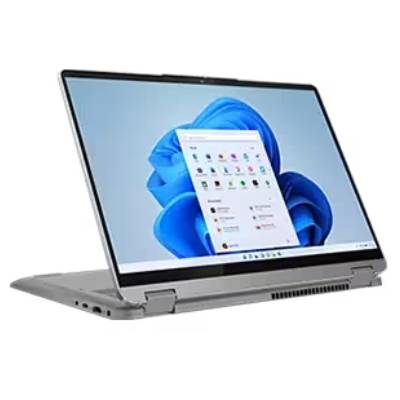
The typing experience on the IdeaPad Flex 5 14 is a highlight, with a responsive keyboard that provides tactile feedback with each stroke, facilitating comfortable and efficient typing. Although the key travel is somewhat shallow, the overall feel is pleasant. Initially priced between $500 and $650, the Intel version can now frequently be found under $500, or even $400 for the base model, enhancing its value proposition considerably. While the Intel variant might be challenging to locate, the AMD Ryzen 3 model offers similar benefits, though its specific performance and battery life would vary and have not been independently tested by Laptop Mag. The main compromises include a dim and dull 12.3-inch (2400 x 1600) IPS touch display (45% DCI-P3, 200 nits brightness) and only one USB-C port, but these are often acceptable trade-offs for a Windows laptop at this price.
4. Acer Chromebook Spin 312: The Ideal Student Companion
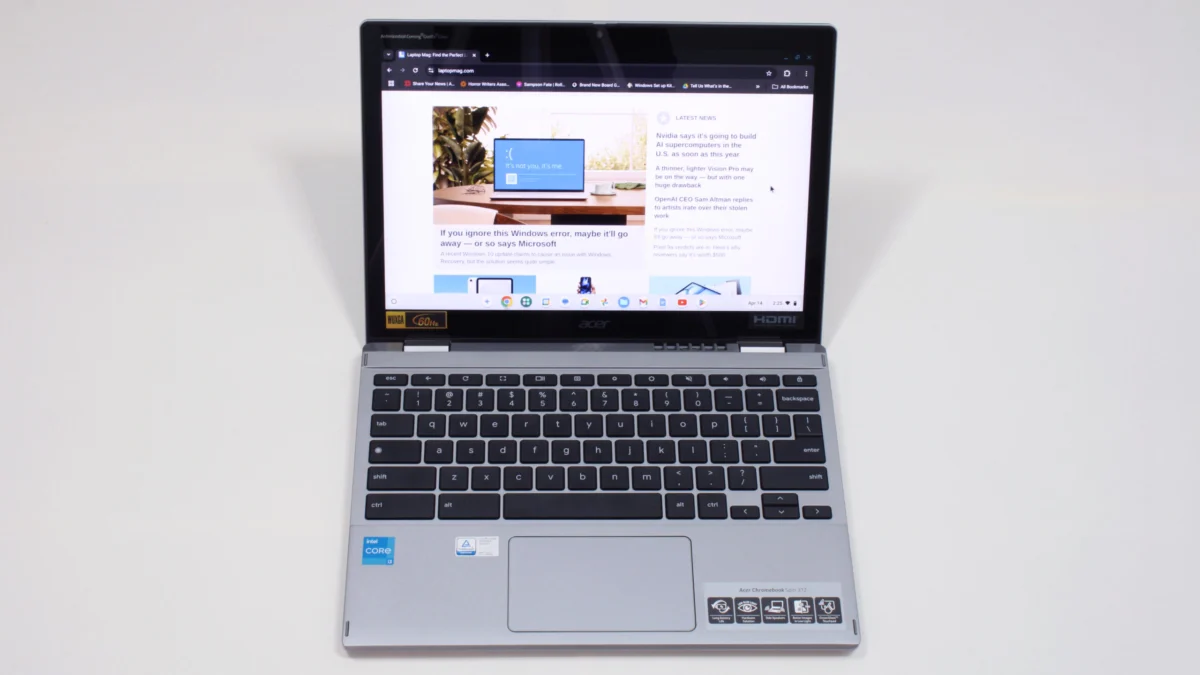
For students requiring a reliable and robust laptop for academic pursuits, the Acer Chromebook Spin 312 stands out as an exemplary choice. Priced around $450, this Chromebook represents a significant upgrade from many older, less capable devices often found in educational settings. Its thoughtful design and practical features make it an excellent value proposition for the student demographic.
The Spin 312 features a sleek silver-coated chassis that imparts a more premium appearance than its price suggests. While not the thinnest, it is notably lightweight at just under 3 pounds, making it highly portable for students navigating between classes. Its battery life, capable of lasting up to 10 hours and 33 minutes on a full charge, ensures it can power through a typical school day and beyond.
Two unique features enhance the user experience: Acer’s OceanGlass touchpad, which reviewers describe as exceptionally smooth, even surpassing those on some expensive Windows laptops; and the Corning Gorilla Glass coating on its 12.2-inch (1920 x 1200) IPS touch display. While the display covers only 55% of the DCI-P3 color gamut, the Gorilla Glass coating remarkably enhances color vividness and contrast, making images appear more dynamic than the panel’s raw specifications would suggest. The display achieves a respectable brightness of 277 nits.
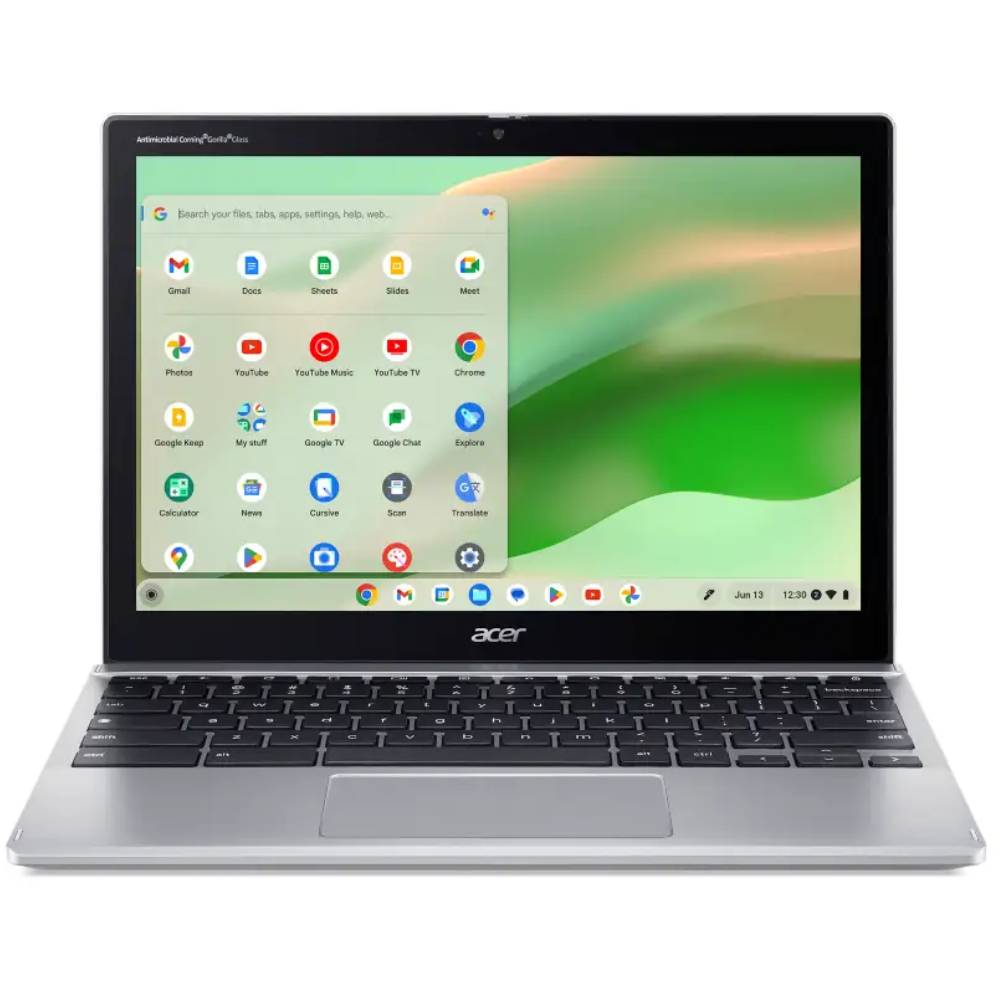
Performance-wise, powered by an Intel Core i3-N305 processor and 8GB of RAM, the Spin 312 achieved a Geekbench 6 multi-core score of 4,477 and a Jetstream 2 score of 215, indicating solid performance for student-centric tasks. The keyboard, despite its "clicky-squishy" feel and noticeable thinness of the plastic keycaps, is functional. However, as a 2-in-1 convertible, students can seamlessly switch to tablet mode for handwritten notes, mitigating any minor keyboard concerns until more extensive typing is required. The primary limitations are its shallow audio and a grainy webcam.
Comprehensive Benchmark Comparisons
To provide a clear, data-driven perspective, Laptop Mag conducts extensive benchmark testing on all reviewed devices. For laptops under $500, these tests are particularly crucial in highlighting performance efficiencies and compromises.
| Metric | Lenovo IdeaPad Flex 5i Chromebook Plus | Lenovo Duet 5 Chromebook | Lenovo IdeaPad Flex 5 14 (Intel) | Acer Chromebook Spin 312 |
|---|---|---|---|---|
| Geekbench 6 (Multi-core) | 5,384 | NA | NA | 4,477 |
| Geekbench 5 (Multi-core) | NA | 1,727 | 3,841 | NA |
| Jetstream 2 (Higher is better) | 272.91 | 70.1 | NA | 215 |
| CrXPRT 2 (Higher is better) | NA | 55 | NA | 140 |
| Handbrake time (MM:SS) | NA | NA | 25:30 | NA |
| Battery Life – Web Surfing (HH:MM) | 09:43 | 13:31 | 14:16 | 10:33 |
| SSD Transfer Speeds (MBps) | NA | NA | 565.9 | NA |
| DCI-P3 Color Gamut (%) | 46.5% | 85.2% | 45% | 55% |
| Display Brightness (Nits) | 306 | 361 | 200 | 277 |
| Hottest Temperature (°F) | 89.5 | NA | 94 | 91.5 |
Note: NA indicates that the specific benchmark was not performed or not applicable for that model during its review period.
These comparisons highlight key strengths. The IdeaPad Flex 5i and Spin 312 demonstrate strong general performance for Chromebooks, particularly in web-centric tasks (Jetstream 2). The Duet 5’s OLED display excels in color and brightness, while the IdeaPad Flex 5 14 (Intel) offers robust SSD speeds and the best overall battery life. Heat management across the board remains well within comfortable operating thresholds.

Choosing the Right Budget Laptop: Essential Guidelines
Selecting a laptop under $500 requires a strategic approach, balancing desired features with realistic expectations. The following guidelines, refined over years of reviewing, are designed to streamline the decision-making process:
- Budget vs. Features: While sub-$500 offers decent Windows options and excellent Chromebooks, scrutinize specifications. From internal hardware to keyboard quality, every detail matters. Detailed reviews, such as those published by Laptop Mag, provide in-depth analysis of these trade-offs. For unreviewed models, a quick online search for "[Laptop Name] review" can offer valuable insights.
- Screen Size and Portability: Laptops with 12-inch, 13-inch, or 14-inch displays generally offer the best balance of screen real estate and portability within this price range, being typically lighter and thinner.
- Form Factor: Clamshell vs. Convertible: Traditional clamshell laptops often provide better specifications for their price. However, the market also offers a growing number of 2-in-1 convertibles (with 360-degree rotating displays) and detachables that are equally affordable. If note-taking, drawing, or media consumption in tablet mode is a priority, these flexible designs are excellent. Be mindful that 2-in-1s in tablet mode can be thicker and expose keys, whereas detachables offer a cleaner tablet experience.
- Battery Life: Aim for 10+ Hours: A critical factor for any laptop, especially a budget one, is its ability to last through a full workday. Prioritize models that achieve at least 10 hours of battery life in standardized web-surfing tests.
- Key Specifications for the Price: While premium specs are rare, look for models offering at least 8GB of RAM and 128GB of storage (eMMC is common, SSD is a bonus). Processors like Intel 13th-gen (or newer) or specific MediaTek Kompanio and Intel N-series chips can offer decent performance. Chromebooks, with their lighter operating system, tend to extract more efficiency from these modest specifications than Windows laptops.
Understanding the Budget Laptop Ecosystem: FAQs
Q: Are budget laptops a worthwhile investment?
A: Absolutely, for many users. If your primary tasks involve web browsing, email, streaming media, or document creation in cloud-based applications, modern budget laptops, especially Chromebooks, offer surprisingly good quality. Many feature snappy processors, comfortable keyboards, and vibrant displays that defy their low price. However, as Laptop Mag reviews editor Rami Tabari emphasizes, not all cheap laptops are good deals, and understanding potential "hidden costs" like short battery life or poor build quality is crucial for long-term satisfaction.
Q: Is the price of laptops decreasing?
A: While specific pricing can fluctuate due to various factors, including tariffs and supply chain dynamics, the average price of laptops has remained relatively stable over the past several years. Concurrently, the overall quality and performance within each price bracket have improved significantly. Future tariff hikes, such as those previously proposed or implemented, could lead to noticeable price increases across the board, potentially making quality sub-$500 laptops even harder to find.
Q: When is the best time to purchase a laptop at a reduced price?
A: Black Friday and Cyber Monday typically offer the most substantial discounts on laptops. However, manufacturers and retailers frequently run promotions throughout the year, especially during back-to-school seasons or major sales events. Monitoring dedicated deals pages, like Laptop Mag’s "best laptop deals," can help consumers identify favorable purchasing opportunities outside of peak sales periods.
Methodology: How Laptop Mag Tests Budget Laptops
Laptop Mag employs a rigorous, multi-faceted testing methodology to evaluate each laptop, ensuring that recommendations are based on both synthetic benchmarks and real-world usage. This process is particularly critical for budget models, where every component choice and performance nuance can significantly impact the user experience.
Each laptop undergoes extensive benchmark testing, encompassing both industry-standard synthetic tests and practical, real-world scenarios. This comprehensive evaluation covers performance, battery life, display quality, audio output, and thermal management.
For display analysis, a Klein K10 colorimeter is used to precisely measure brightness (in nits) and DCI-P3 color gamut coverage, providing objective data on visual fidelity. Performance testing involves a suite of benchmarks, including Geekbench 5 and 6 for CPU performance, and 3DMark for professional graphics assessment. To simulate real-world demands, laptops are tasked with converting a 4K video to 1080p resolution and duplicating a 4.97GB multimedia file. Gaming performance, while less critical for budget machines, is assessed using the Sid Meier’s Civilization 6: Gathering Storm benchmark at medium settings and 1080p resolution where applicable.
Thermal performance is monitored by playing a 15-minute full-screen video, with temperatures measured across various points on the laptop chassis to ensure comfortable operation. Battery life is determined through a continuous web-surfing test over Wi-Fi, with the display set to 150 nits of brightness. For MacBooks and premium Windows 11 laptops, a runtime exceeding 9 hours is considered excellent, while gaming laptops and workstations are praised for durations beyond 5 hours. For budget laptops, 10+ hours is the benchmark.
Following these comprehensive laboratory tests, each laptop is subjected to an in-depth, hands-on evaluation by expert reviewers. These reviewers integrate the laptop into their daily workflows for several days, performing typical tasks such as writing, editing, video conferencing, and streaming. This blend of technical analysis and practical, lived-in experience ensures that Laptop Mag delivers well-rounded, honest, and reliable perspectives on every product reviewed. More detailed information on these procedures can be found on Laptop Mag’s "How We Test Laptops" page.
Why Trust Laptop Mag?
Laptop Mag stands as an authoritative voice in technology reviews, assessing over a hundred different laptops annually—from ultra-portable ultralights to powerful gaming rigs. Our expertise extends beyond laptops to smartphones, tablets, headphones, PC accessories, software, and the latest gaming innovations.
Operating as a 100% independent entity, Laptop Mag leverages three decades of experience in testing and reviewing products, providing trustworthy and reliable consumer advice. Our editorial integrity is upheld by Future Publishing, one of the world’s largest technology publishers, ensuring unrivaled experience across all tech sectors, with Laptop Mag serving as the group’s specialist for mobile technology. Our dedicated team of writers and editors meticulously analyze available information, subjecting each system to a rigorous regimen of synthetic and real-world tests to accurately determine its suitability for various user needs and demanding applications.