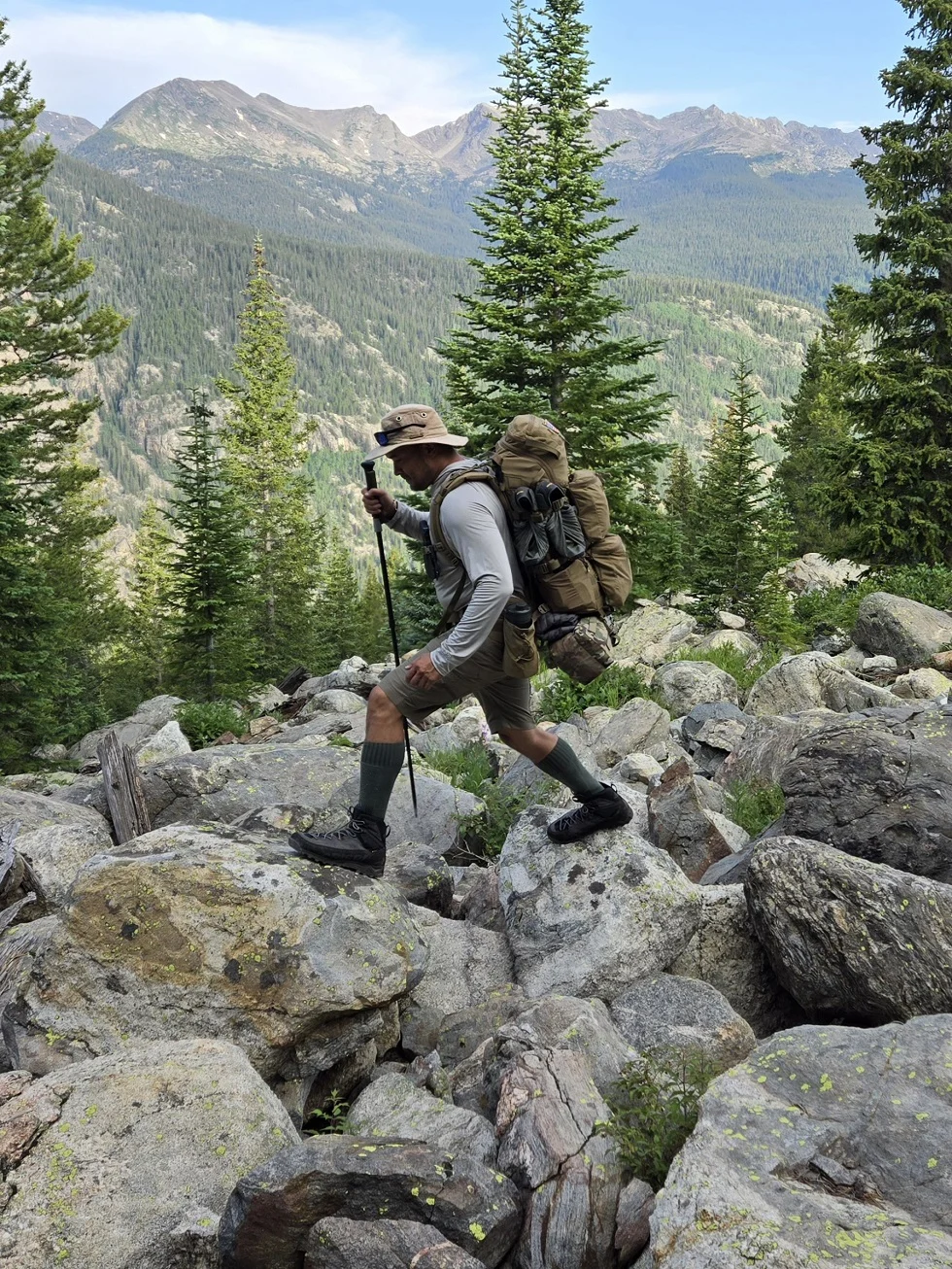
In an era where outdoor recreation has seen a meteoric rise in participation, the gap between consumer preparedness and professional competence has never been more pronounced. While the global outdoor gear market is projected to reach over $25 billion by 2030, wilderness experts argue that the emphasis on high-end equipment is often a distraction from the fundamental skills required to survive and thrive in the backcountry. For seasoned professionals who lead expeditions through rugged mountains and dense forests, the primary cause of failure is rarely a broken tool; it is almost invariably a failure of human judgment, maintenance, or basic understanding.
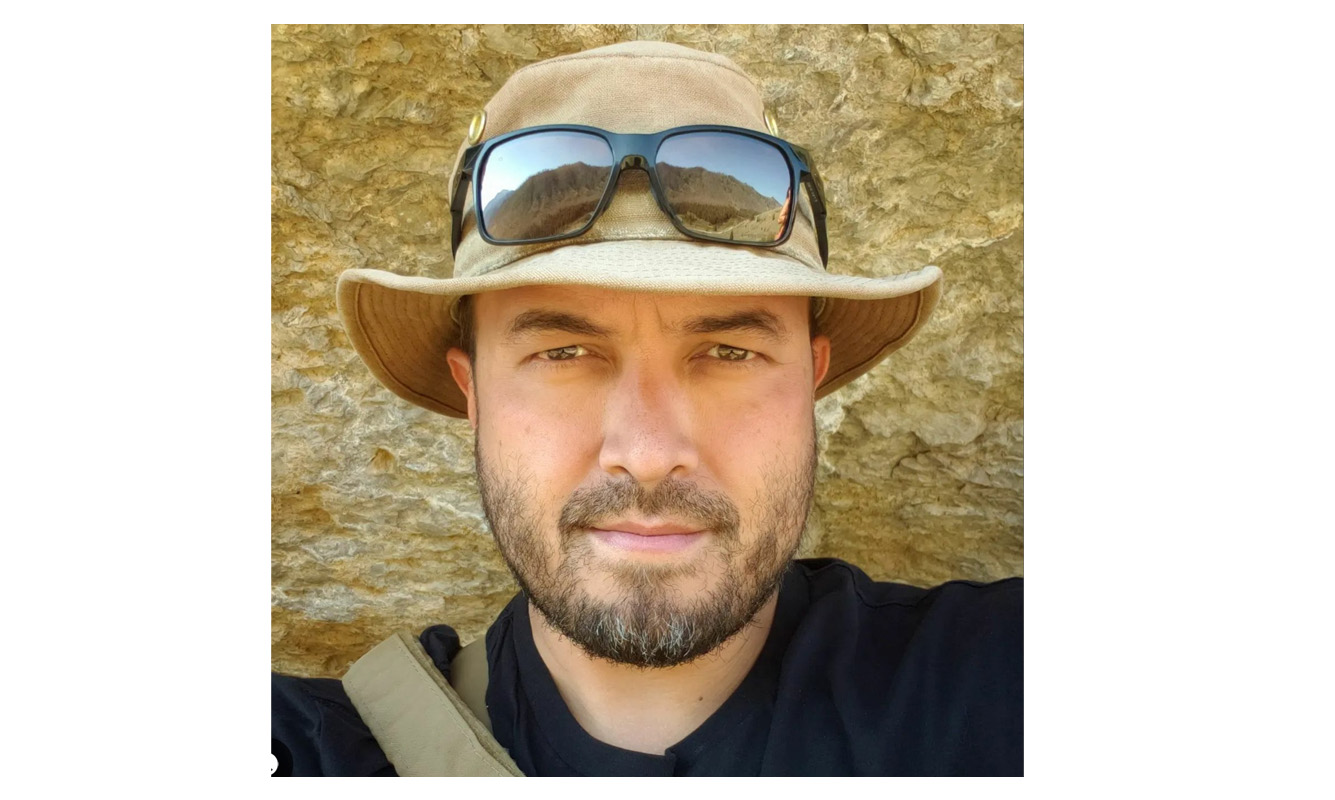
Interviews with three of the world’s leading wilderness authorities—survival instructor Kevin Estela, mountain guide Ken Wylie, and safety researcher Ty Gagne—reveal a consistent narrative: the most critical piece of survival equipment is the mind. Their collective decades of experience suggest that while gear can augment capability, it cannot replace the essential requirements of experience and psychological resilience.

The Competence Gap: Why Gear Cannot Buy Safety
Kevin Estela, a survival instructor and bushcraft educator who has spent decades training students across North America, observes a recurring pattern of "equipment-heavy, skill-light" arrivals. According to Estela, the most common errors occur before a pack is even shouldered. He identifies footwear as the primary point of failure for novices. Many enthusiasts purchase high-end boots immediately before a major trip, failing to "break them in" or understand the maintenance required for leather and synthetic materials. The result is a cascade of blisters and mobility issues that can turn a routine hike into a medical emergency.
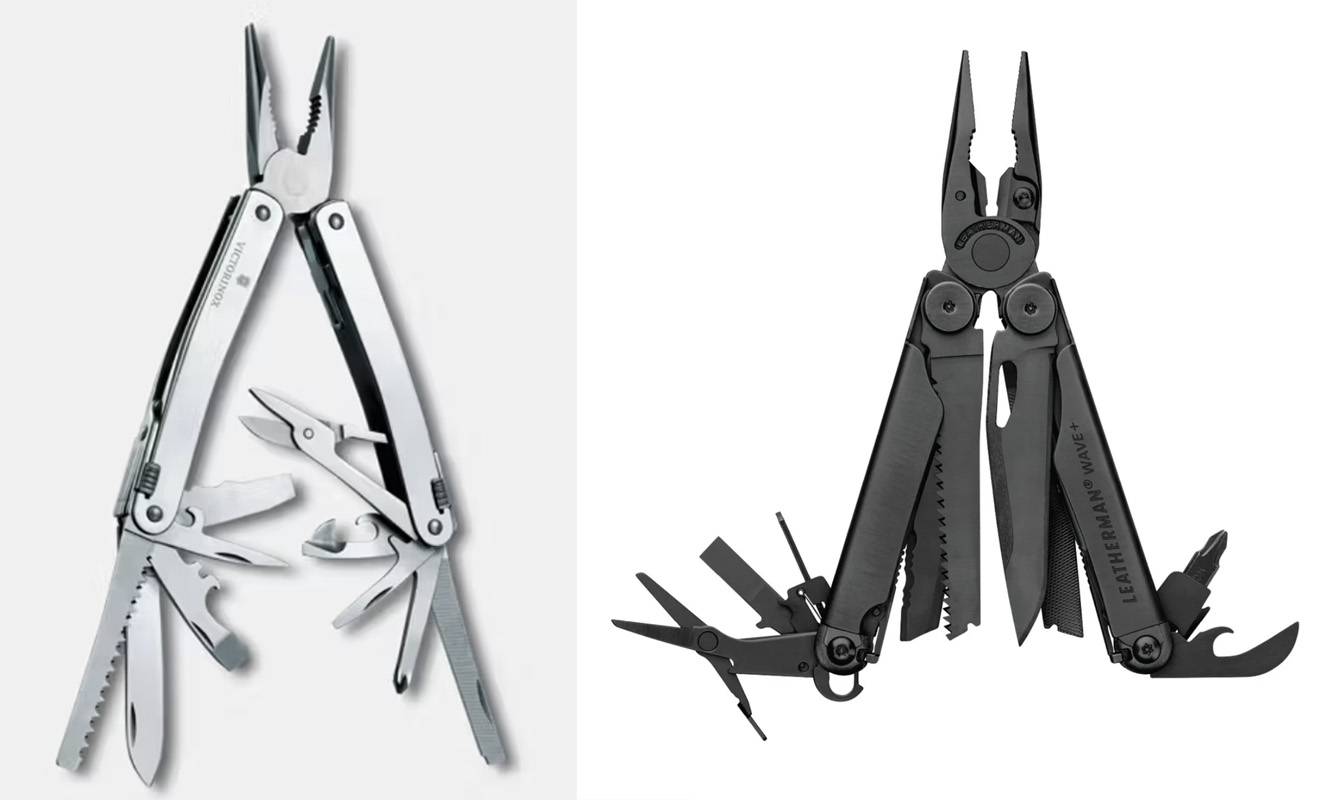
Estela’s philosophy centers on the concept that "competence is king." He notes that students frequently arrive with expensive, complex tools—such as electronic plasma lighters or ornate Damascus steel knives—that are ill-suited for the realities of the field. "Moisture gets into the electronics, or carbon steel patterns create tiny imperfections where moisture collects and causes rust," Estela explains. In contrast, experienced practitioners tend to rely on unglamorous but reliable tools: a Swiss Army Knife, a basic butane lighter, and a triangular bandage. These "boring" items solve approximately 90 percent of field problems, yet they are often overlooked in favor of "tactical" gear seen in digital marketing.

The Selkirk Tragedy: A Timeline of Decision-Making Failure
The distinction between gear and judgment is perhaps most poignantly illustrated by the career of Ken Wylie. A veteran mountain guide and leadership coach, Wylie’s perspective was irrevocably altered by a 2003 avalanche in the Selkirk Mountains of British Columbia. The incident, which resulted in seven fatalities, serves as a cornerstone for modern studies in mountain safety and decision-making.
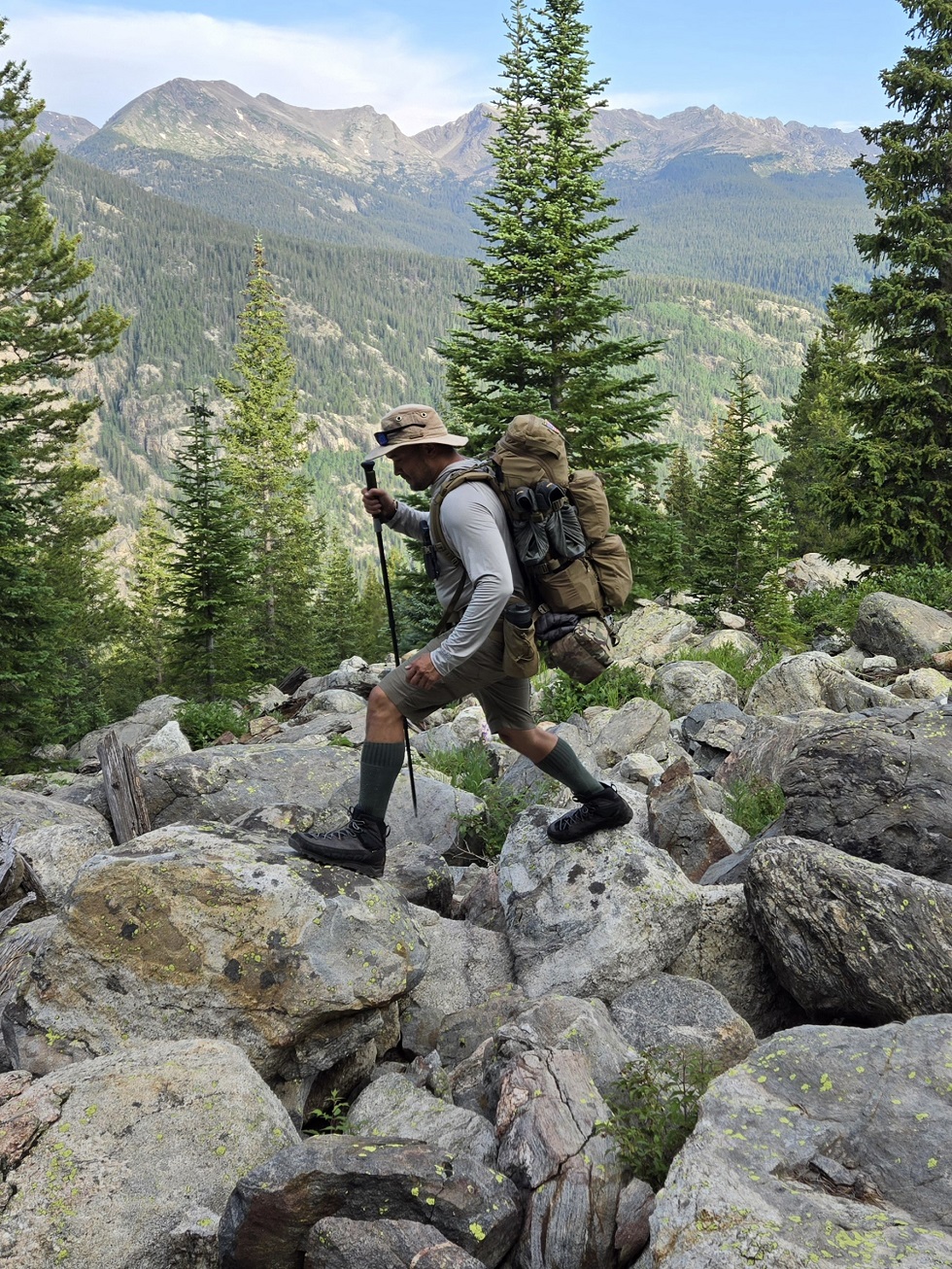
In January 2003, Wylie was one of the guides on a backcountry skiing expedition. Despite having access to the best safety equipment available at the time—including transceivers, probes, and shovels—the group was caught in a massive Class 3.5 avalanche. Wylie survived, but the experience forced him to confront the "human factors" that technology could not mitigate. He argues that the group had the technical data and the equipment to stay safe, but they suffered from a "knowledge gap" regarding their own psychological biases.
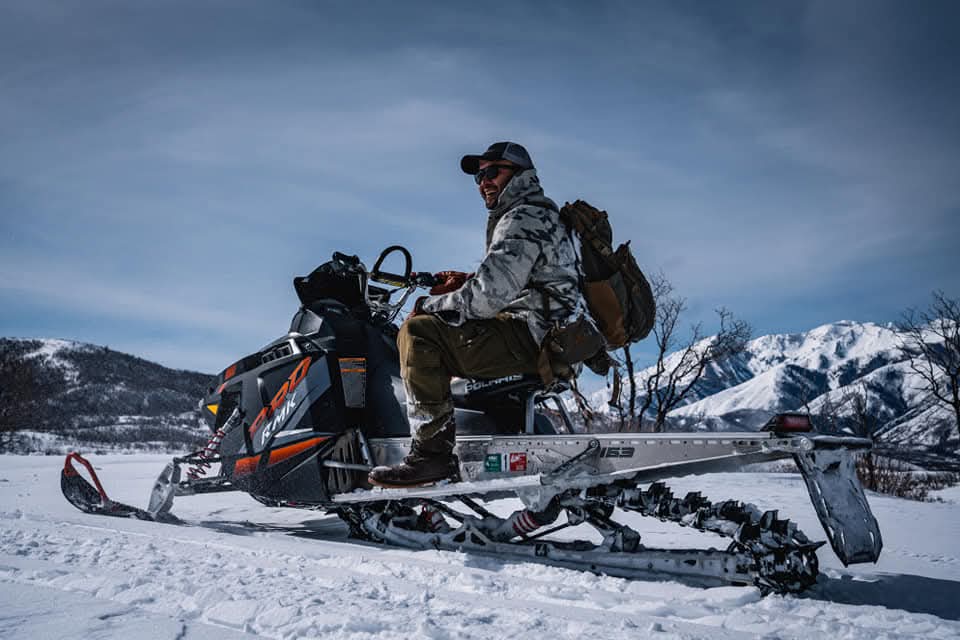
"Technology is extraordinary," Wylie says, "but it should cultivate human abilities, not replace them." He recalls instances on Aconcagua, at 19,000 feet, where climbers with expensive stoves were unable to melt snow for water simply because they did not know how to clear a carbon-clogged fuel jet with a toothbrush bristle. In these high-stakes environments, the inability to perform basic maintenance on high-end gear creates a survival paradox: the more complex the equipment, the more points of failure the user must manage.
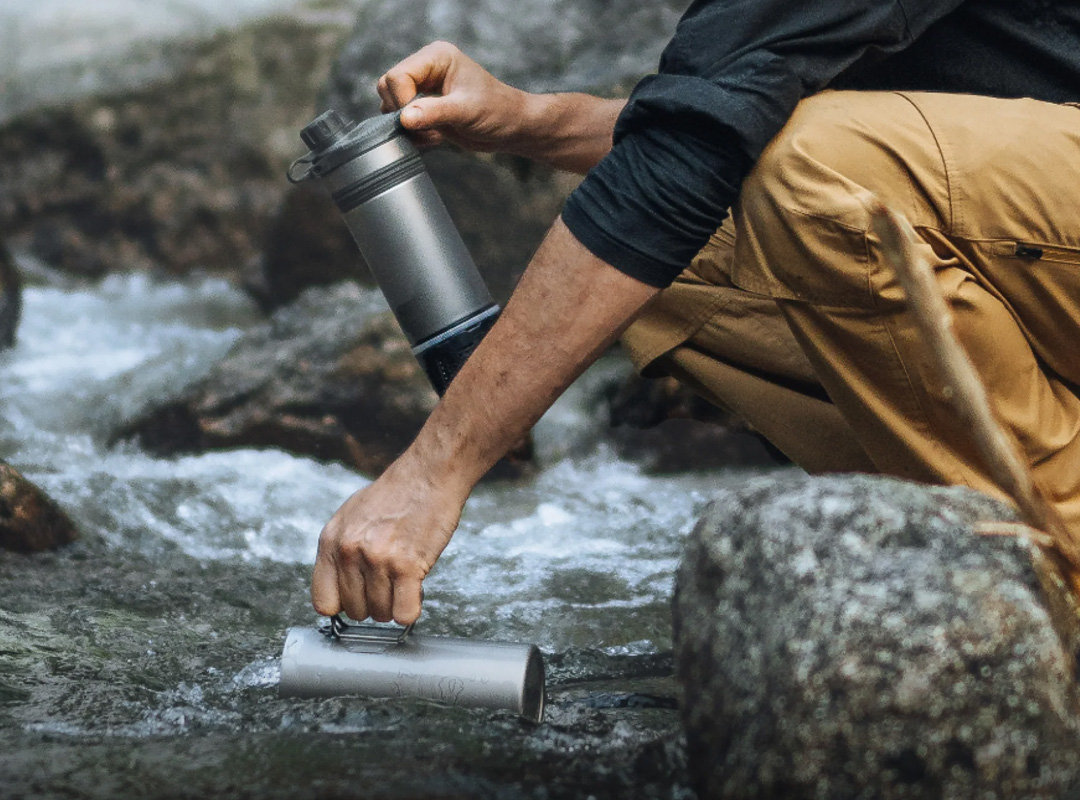
Forensic Analysis of Backcountry Incidents: What the Data Shows
Ty Gagne, the CEO of PRIMEX and a mountain safety researcher, approaches wilderness safety through a forensic lens. By studying search-and-rescue (SAR) data from New Hampshire’s White Mountains—a region known for some of the most volatile weather on Earth—Gagne has identified a clear trend: true equipment failure is statistically insignificant.
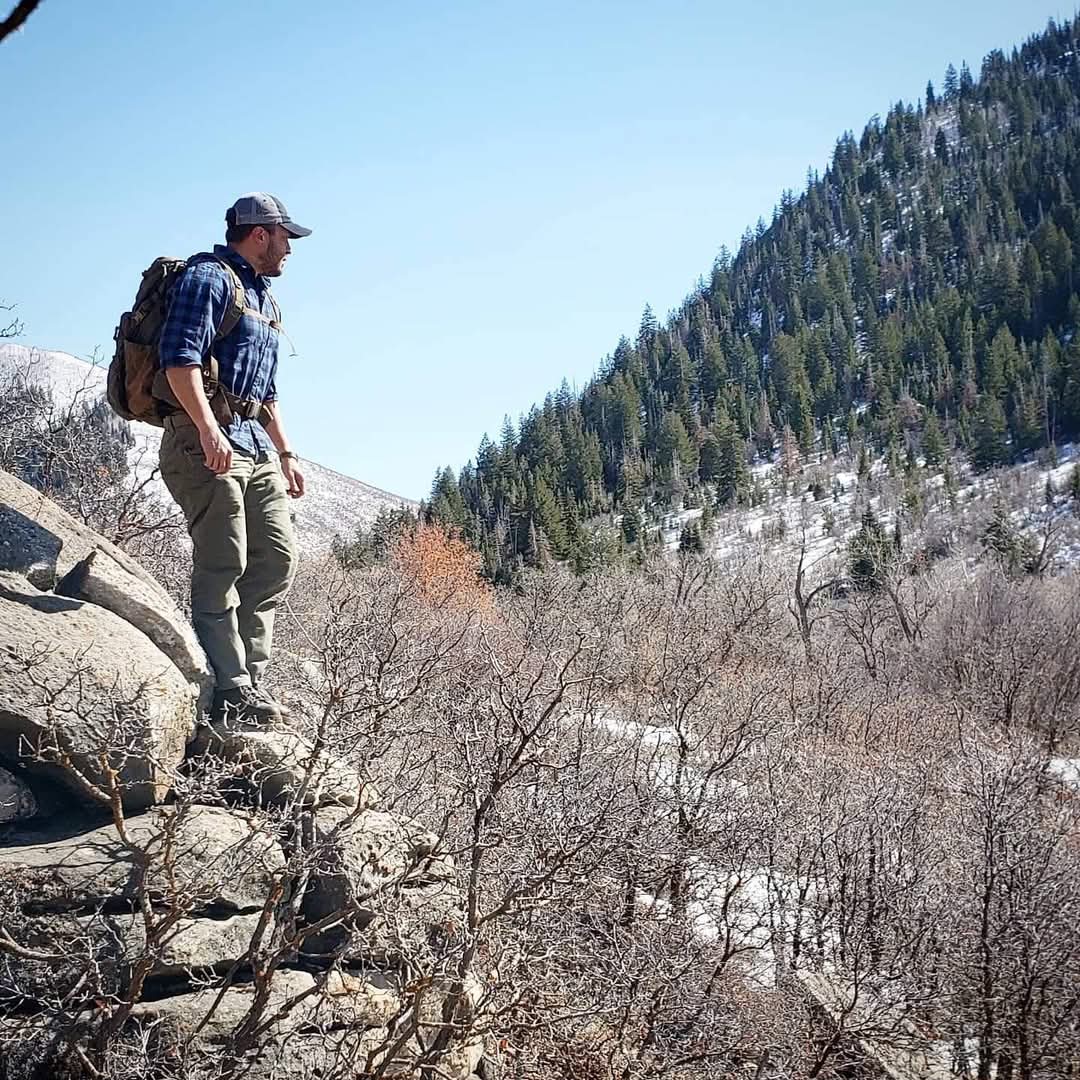
According to Gagne’s research, genuine gear failure accounts for only one to three percent of backcountry incidents. The remaining 97 to 99 percent are attributed to human factors, including:

- Exceeding physical or technical ability.
- Inadequate planning and failure to check weather forecasts.
- Poor nutritional and hydration management.
- The "Smartphone Trap."
The latter has become a primary driver of SAR callouts. Gagne notes that many modern hikers rely exclusively on smartphones for navigation, lighting, and communication. When the battery depletes—often accelerated by cold temperatures—the user loses three critical safety systems simultaneously. "A significant number of incidents begin with a depleted phone battery," Gagne states. "People stay out longer than expected, use the phone’s flashlight, and suddenly they are blind and lost in technical terrain."
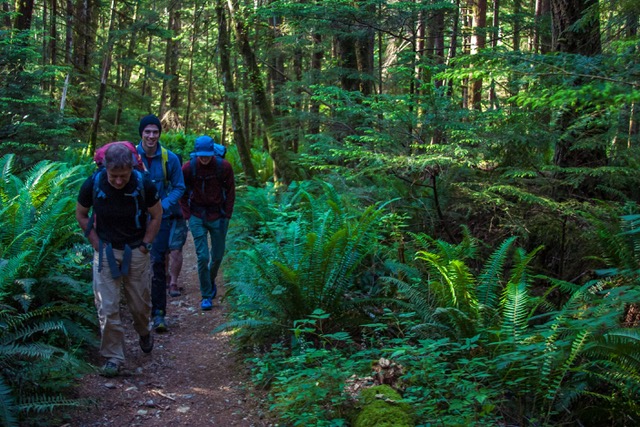
Supporting Data: National Park Service and SAR Trends
The insights provided by Estela, Wylie, and Gagne are supported by broader institutional data. The National Park Service (NPS) reports that there are over 3,000 search-and-rescue incidents annually across the U.S. National Park system. Analysis of these missions reveals that "errors in judgment" and "fatigue" are cited more frequently than "equipment failure" by a factor of nearly ten to one.
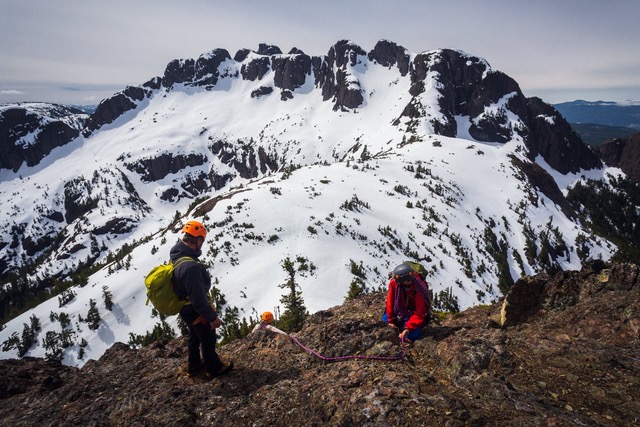
Furthermore, the cost of these rescues often falls on taxpayers or the rescued individuals themselves, with complex helicopter extractions costing upwards of $50,000. Data from the White Mountain National Forest indicates that a significant portion of rescued hikers were found to be lacking "The Ten Essentials"—a standardized list of survival items including navigation, sun protection, insulation, illumination, first-aid, fire-starting tools, repair kits, nutrition, hydration, and emergency shelter.
The Safety Paradox and Risk Homeostasis
A critical implication of this expert testimony is the "Safety Paradox." In the field of risk management, this is often linked to the theory of Risk Homeostasis, which suggests that as safety equipment becomes more advanced, individuals tend to take greater risks, thereby keeping the net level of danger constant.
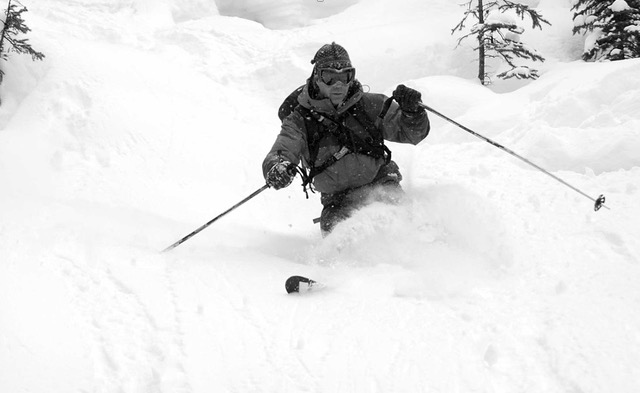
For example, a hiker carrying a satellite messenger (such as a Garmin inReach) may feel emboldened to push into a storm or attempt a technical route they are not qualified for, under the assumption that a "rescue button" is always available. Experts argue that this creates a false sense of security. As Ty Gagne points out, "Gear does not create safety; it only provides a margin of error." If the user’s decision-making is flawed, that margin is quickly eroded.
Analysis of Implications: The Future of Wilderness Education
The consensus among Estela, Wylie, and Gagne suggests a necessary shift in how the public approaches outdoor recreation. The current "consumerist" model of preparedness, which emphasizes the acquisition of premium goods, is being challenged by a "competence-based" model.
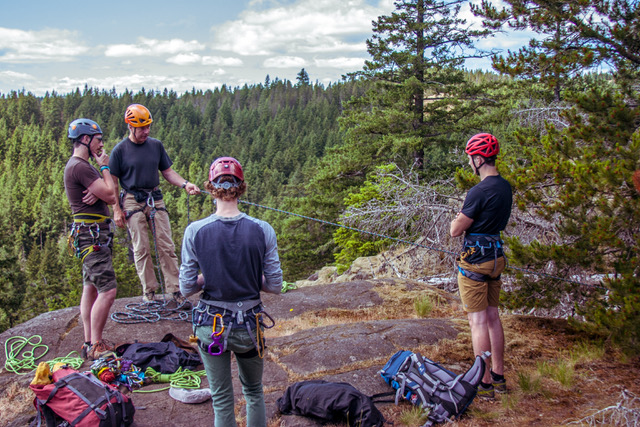
The broader impact of this shift is already being seen in the rise of wilderness medicine courses and survival schools. Experienced adventurers are moving away from ultralight trends that sacrifice durability for speed, returning instead to robust systems that prioritize field-repairability. The experts agree that the most successful backcountry travelers are those who "run slick"—keeping gear organized inside the pack to prevent snags and balance issues—and who treat every trip as a learning opportunity rather than a gear test.

Conclusion: The Ultimate Carry
As the popularity of wild places continues to grow, the distinction between "owning gear" and "having skill" will remain the most significant factor in backcountry safety. The collective wisdom of Kevin Estela, Ken Wylie, and Ty Gagne serves as a reminder that the wilderness is an indifferent environment where "high-performing" gear is secondary to "appropriate" gear.
The take-home message for the modern adventurer is one of humility and preparation. Before investing in the next generation of carbon-fiber trekking poles or GPS watches, the experts recommend investing in a basic first-aid course, practicing fire-starting in the rain, and learning to navigate with a paper map and compass. In the end, the most valuable thing an individual carries into the wilderness is not found in their pack; it is the judgment, experience, and curiosity they bring with them. True preparedness is not a product one can purchase; it is a state of mind achieved through practice, failure, and a deep respect for the natural world.