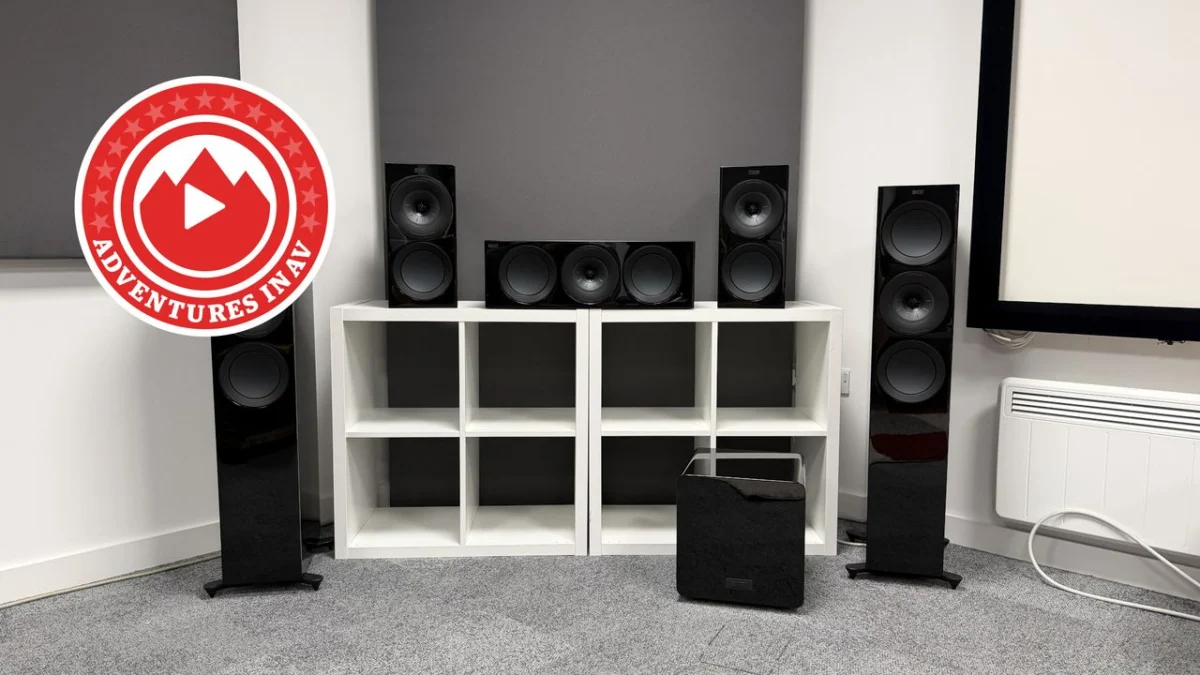
The pursuit of the perfect home cinema experience, one that transports viewers into the heart of the action with breathtaking audio and visuals, is a journey marked by meticulous detail and a deep understanding of how individual components interact. This quest for auditory and visual bliss, often idealized as watching a beloved film on a grand screen from the comfort of one’s own sanctuary, is profoundly dependent on the hardware employed. While the allure of a cinematic escape – perhaps clad in comfortable attire, with a feline companion and a preferred beverage in hand – is a powerful motivator, achieving true audio fidelity requires more than simply assembling a collection of highly-rated devices. The intricate science of sound, and its crucial interplay with visual media, necessitates a nuanced approach to component selection, where the synergy between speakers, amplifiers, and source devices dictates the ultimate immersion. This principle was recently underscored during extensive testing of premium home cinema equipment by the What Hi-Fi? team, highlighting the often-overlooked, yet critical, importance of component matching in crafting a truly exceptional audio-visual environment.
The Elusive Magic of Home Cinema
For audiophiles and cinephiles alike, the dream of replicating the theatrical experience at home is a compelling one. The vision typically involves a large display, potent surround sound, and a seamless flow of audio that envelops the listener. The What Hi-Fi? editorial team, dedicated to exploring and evaluating the latest in audio-visual technology, embraces this challenge with enthusiasm. Their mission is to dissect complex systems and identify hardware that can unlock this potent blend of sight and sound, ultimately guiding consumers towards achieving their own slice of cinematic heaven.
However, as the article suggests, the path to a "proper home cinema," as defined by technical editors like Ketan Bharadia, which typically involves a multi-speaker surround sound setup, a high-quality projector, a capable AV receiver (AVR), and a reliable source component, is more intricate than it might appear. A common misconception, even among enthusiasts, is that home cinema audio is a separate entity from hi-fi audio, and that by simply combining individually acclaimed components, a superior overall system will naturally emerge. The reality, as demonstrated through rigorous testing, reveals a far more complex truth: the principle of matching components remains paramount.
A Tale of Two Amplifiers: KEF R Meta and Denon AVC-A1H in Focus
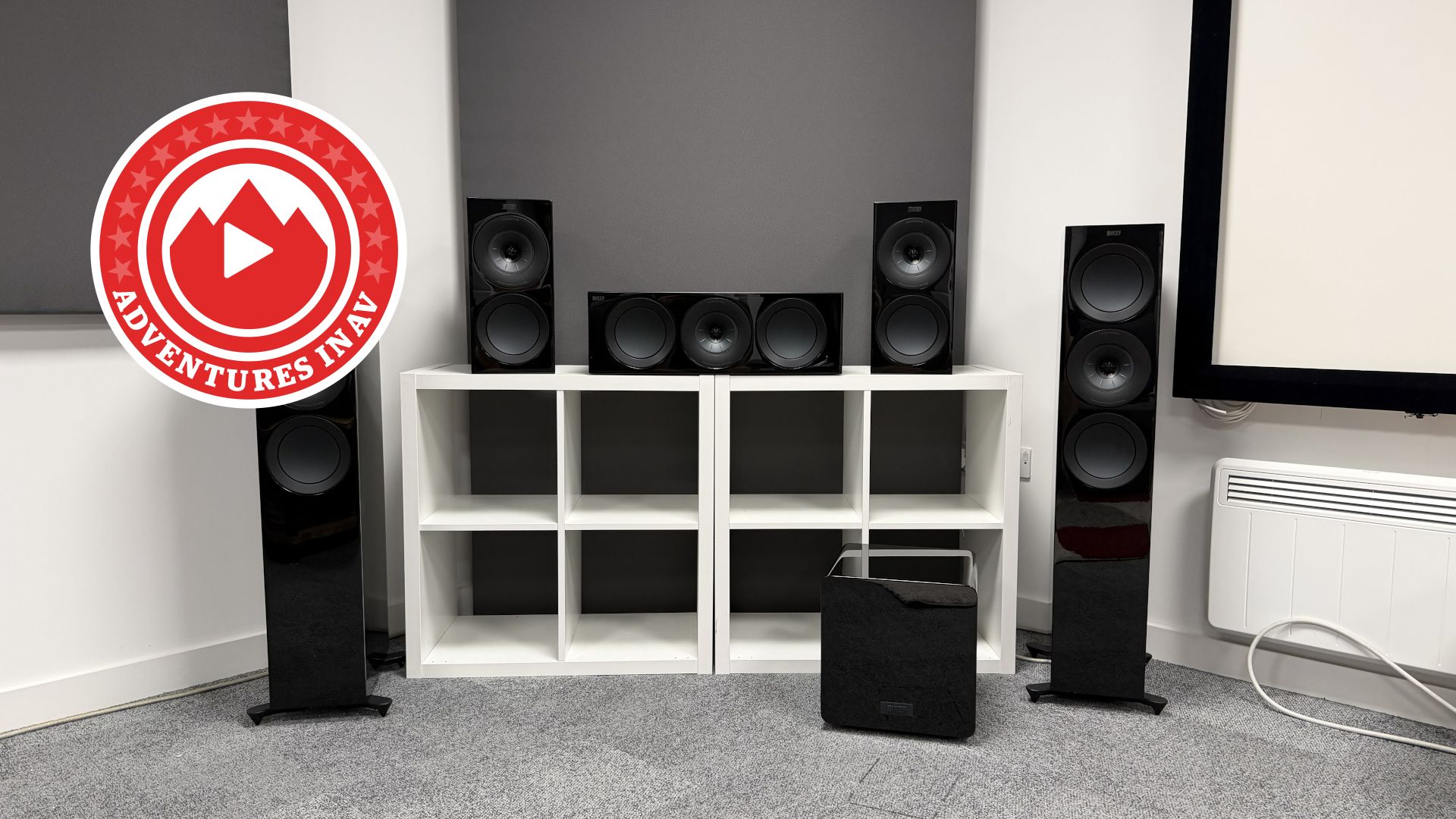
This crucial understanding of component synergy was vividly illustrated during recent evaluations of the KEF R Meta speaker package and the Denon AVC-A1H AVR. While specific reviews are forthcoming, the initial listening sessions provided a compelling narrative about the impact of amplifier characteristics on the overall sonic performance of a meticulously designed speaker system.
The testing began with the KEF R Meta speaker package paired with the Marantz Cinema 30 AVR, a combination that, predictably, yielded impressive results. The system demonstrated a broad soundstage, exceptional cohesion, and a remarkable degree of control, effectively creating a deeply immersive home cinema experience. When subjected to a demanding test scene from the Dune: Part One 4K Blu-ray, the setup exhibited mastery over the entire frequency spectrum. The subtle nuances beneath the thunderous percussion were rendered with clarity, and the directional accuracy of audio elements, such as ornithopters swooping from right to left and then behind the viewer, was strikingly precise. This initial phase showcased the inherent quality of both the KEF speakers and the Marantz AVR, delivering an experience that many would readily deem excellent.
However, as the evaluation progressed, particularly when shifting focus to stereo music playback and test discs designed to probe the system’s dynamic capabilities, subtle discrepancies began to emerge. Senior staff writer Lewis Empson, known for his keen ear for sonic imperfections, noted a tendency towards excessive smoothness. This sentiment was echoed by other team members, leading to a collective observation: "Does anyone else think this sounds just a touch too smooth?" While the audio remained refined and effortlessly composed – at this elevated level of performance, the team was engaging in fine-grained analysis of minute, albeit significant, sonic characteristics – the pairing seemed to lean slightly too heavily on smoothness. The quality was undeniable, but there were moments where a greater sense of urgency and a more pronounced "bite" would have enhanced the listening experience.
The Nuance of Sonic Signatures: Marantz Cinema 30 vs. Denon AVC-A1H
This perceived over-refinement is not inherently a flaw of the KEF R Meta speakers. In fact, their sonic signature, as described by TV and AV editor Tom Parsons, is "smooth and refined." The challenge arose because the Marantz Cinema 30 AVR, reviewed separately, shares remarkably similar sonic characteristics, also being lauded for its "smooth, refined, and always in control" sound profile. The confluence of these two highly accomplished, yet tonally similar, components resulted in a presentation that, while beautifully cohesive, tipped the balance slightly too far towards an overarching sense of refinement.
The issue was not that the Marantz and KEF components failed to work together – they clearly did, producing a spacious, balanced, and highly accomplished sound. Rather, the pairing of two components with such closely aligned sonic personalities subtly softened the system’s overall sense of attack and dynamic impact. It’s akin to a culinary analogy: adding multiple salty ingredients, even if each is individually appealing, can result in a dish that is overwhelmingly salty and lacks balance.
The Denon AVC-A1H: Injecting Dynamism and Assertiveness
The introduction of the Denon AVC-A1H AVR into the equation provided a stark contrast and a potential solution to this sonic equilibrium. During testing, the Denon demonstrated a more dynamic and assertive character, which proved to be a more complementary partner to the KEF speaker package. This pairing introduced a welcome injection of energy and attack without disrupting the KEFs’ inherent sonic balance.
The difference was immediately apparent. As Led Zeppelin’s iconic track "Whole Lotta Love" began to play, the F1 scene, previously evaluated, felt palpably more electric. The Denon’s influence added a discernible bite to guitarist Jimmy Page’s riffs. When John Bonham’s legendary drum line dropped, it delivered a visceral, gut-churning impact, a testament to the drummer’s renowned "hard-hitting" style. This enhanced dynamic range and impact also translated to the racing sequences, imbuing them with greater weight and excitement.
The Broader Implications of Component Matching
It is crucial to emphasize that this analysis is not a criticism of the Marantz Cinema 30 AVR. In isolation, or when paired with speakers possessing a more overtly energetic sonic signature, the Marantz/KEF combination remains an excellent choice, capable of delivering a spacious, balanced, and deeply satisfying audio experience. The observed outcome was a specific consequence of matching two components with very similar tonal preferences. The refinement of the Marantz, combined with the inherently smooth presentation of the KEF R7 Meta front speakers, created a sonic profile that leaned perhaps too heavily towards relaxation, sacrificing a degree of immediacy and excitement.
This principle extends beyond this specific hardware pairing. When assembling a home cinema system, the focus must shift from evaluating individual components in isolation to understanding how they will perform as a cohesive unit. The "personality" of each component – its tonal balance, dynamic capabilities, and overall sonic character – must be considered in relation to the others. A system comprised of components with complementary traits is far more likely to achieve a balanced, engaging, and ultimately more immersive listening experience.
A Team Effort for Optimal Sound
The What Hi-Fi? team’s findings serve as a vital reminder that even in the solitary pursuit of home entertainment, the hardware involved operates as a team. The synergy between speakers, amplifiers, source devices, and even the acoustics of the listening room, all contribute to the final sonic output. As Alastair, editor-in-chief of What Hi-Fi?, eloquently puts it, "Even if you like salty food, if you add several salty ingredients, it’s not going to taste good." This culinary analogy perfectly encapsulates the importance of balance and contrast in achieving a harmonious and enjoyable audio experience.
Therefore, when embarking on the journey to build a home cinema system, consumers are strongly advised to consider the interconnectedness of their chosen components. Prioritizing the overall system synergy over the individual star ratings of each part will lead to a more fulfilling and truly magical home cinema experience. The pursuit of audio perfection is not merely about acquiring the best individual pieces, but about orchestrating them into a harmonious ensemble that delivers a soundscape as captivating as the on-screen action.
Future Considerations in Home Cinema Integration
The insights gleaned from these evaluations are particularly relevant in an evolving home cinema landscape. As manufacturers increasingly focus on delivering increasingly sophisticated audio formats like Dolby Atmos and DTS:X, the demand for AVRs and speaker systems that can accurately reproduce these immersive soundscapes continues to grow. The ability of an AVR to dynamically control and precisely position audio elements within a 3D space is paramount, and its sonic character plays a significant role in how these formats are perceived.
Furthermore, the increasing integration of smart home technologies and streaming services presents new avenues for content delivery. While convenience is a key driver, it is essential that the underlying audio hardware can keep pace with the fidelity of these sources. A system optimized for component synergy will not only excel with physical media but also deliver a superior experience with high-resolution audio streams, ensuring that the pursuit of cinematic magic is consistent across all forms of content.
The ongoing evolution of audio processing, including advancements in room correction software and AI-driven sound optimization, also offers potential avenues for mitigating some of the challenges associated with component matching. However, these technologies are best utilized as enhancements to a well-matched system rather than as a complete solution to fundamental sonic imbalances. The foundational principle of selecting components with complementary characteristics remains the most effective route to achieving an exceptional home cinema experience.