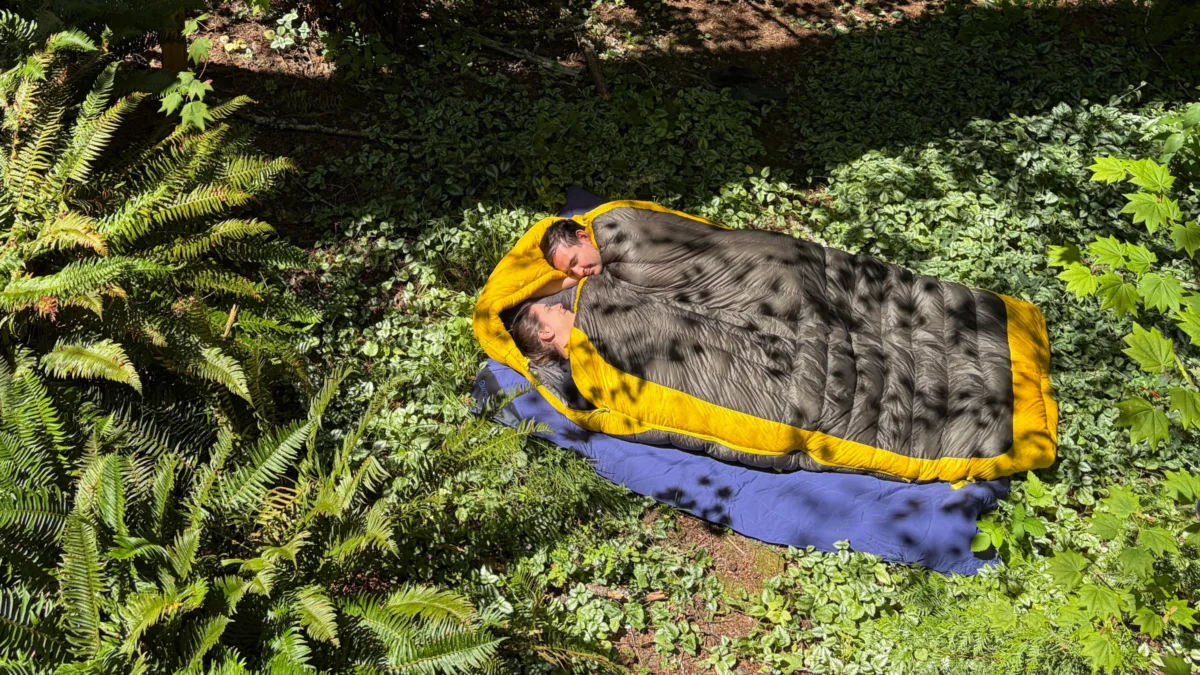
The allure of backpacking as a couple often conjures images of shared sunrises over mountain peaks and the quiet intimacy of a campsite under a starry sky. For many, the experience is amplified by the collaborative spirit of dividing gear, lightening individual loads, and fostering a sense of teamwork. This shared endeavor, however, can extend to the most personal piece of backcountry equipment: the sleeping system. While double sleeping bags and pads are commonplace in the realm of car camping, their presence in the ultralight backpacking world is a more nascent trend. This exploration delves into the practicalities, performance, and overall viability of double sleep systems for couples venturing into the wilderness, moving beyond anecdotal preference to a more objective analysis of their role in modern backpacking.
The Allure of the Double Sleep System: A Question of Efficiency and Camaraderie
The fundamental appeal of a double sleeping system for backpacking lies in the potential for increased efficiency and enhanced shared experience. By consolidating a sleeping bag and pad into a single unit, couples can theoretically reduce the overall weight carried by each individual. This is particularly attractive in disciplines like thru-hiking or long-distance backpacking where every ounce counts. Furthermore, the prospect of sharing a sleeping space can evoke a sense of domestic comfort and intimacy, mirroring the familiarity of a shared bed at home. This emotional component, while subjective, plays a significant role in the perceived desirability of such systems.
However, the transition from car camping comfort to backpacking practicality introduces a unique set of challenges. The confined environment of a tent, coupled with the exigencies of temperature regulation and diverse sleeping habits, necessitates a closer examination of how two individuals can comfortably coexist within a single sleep enclosure. The original report highlights a key concern: the potential for a mismatch in sleeping styles and thermal preferences to lead to discomfort, overheating, or a general lack of restful sleep. This raises the question of whether the perceived benefits of shared warmth and proximity outweigh the potential for increased friction and compromised sleep quality.
Weight Considerations: Does a Double System Truly Offer an Advantage?
A primary driver for considering a double sleep system is the potential for weight savings. The hypothesis is that a single, larger sleeping bag and pad would inherently weigh less than two individual units. However, empirical data from the market reveals a more nuanced reality. Many double sleeping bags, particularly those designed for colder conditions or greater capacity, tend to be heavier than their single counterparts. This is often due to increased fabric surface area, additional insulation, and robust zipper systems.
For instance, the Big Agnes King Solomon 20° Doublewide, while a popular option, registers at 3 lbs 15 oz. A comparable single bag from the same brand might weigh around 2 lbs 5 oz. This suggests that for some models, the double system can indeed be heavier than two individual bags. The Sea to Summit Spark Double, tested in the original report, presents a more compelling case for weight efficiency. Weighing in at 3 lbs 6 oz, it is lighter than some budget-friendly or cold-weather single bags. Critically, it is only a few ounces heavier than two individual Spark bags from the same line, making it a more competitive option in the ultralight backpacking space. This indicates that the design and insulation strategy of a specific double bag play a crucial role in its overall weight efficiency.
The accompanying sleeping pad is also a factor. The Exped Ultra 1R Duo inflatable pad, at 1 lb 10 oz for a medium size, is slightly lighter than two individual pads of the same design. This suggests that in the case of integrated double pads, some weight savings can be achieved. However, the alternative of strapping two individual pads together remains a viable and often lighter option, especially if the couple utilizes different pad models or heights.
The implication here is that while the idea of a double system suggests weight savings, the reality is highly dependent on the specific product and its intended use. For ultralight enthusiasts, the marginal weight increase of some double systems may be a worthwhile trade-off for the other benefits. For those prioritizing absolute minimalism, individual systems might still hold the edge.
Performance on the Trail: A Tale of Two Sleepers
The true test of any gear lies in its performance under real-world conditions. The original report details a testing period involving two long weekend trips, culminating in a 30-mile excursion with nighttime temperatures in the mid-50s. The findings offer a balanced perspective on the comfort and functionality of a double sleep system.
Positive Aspects:
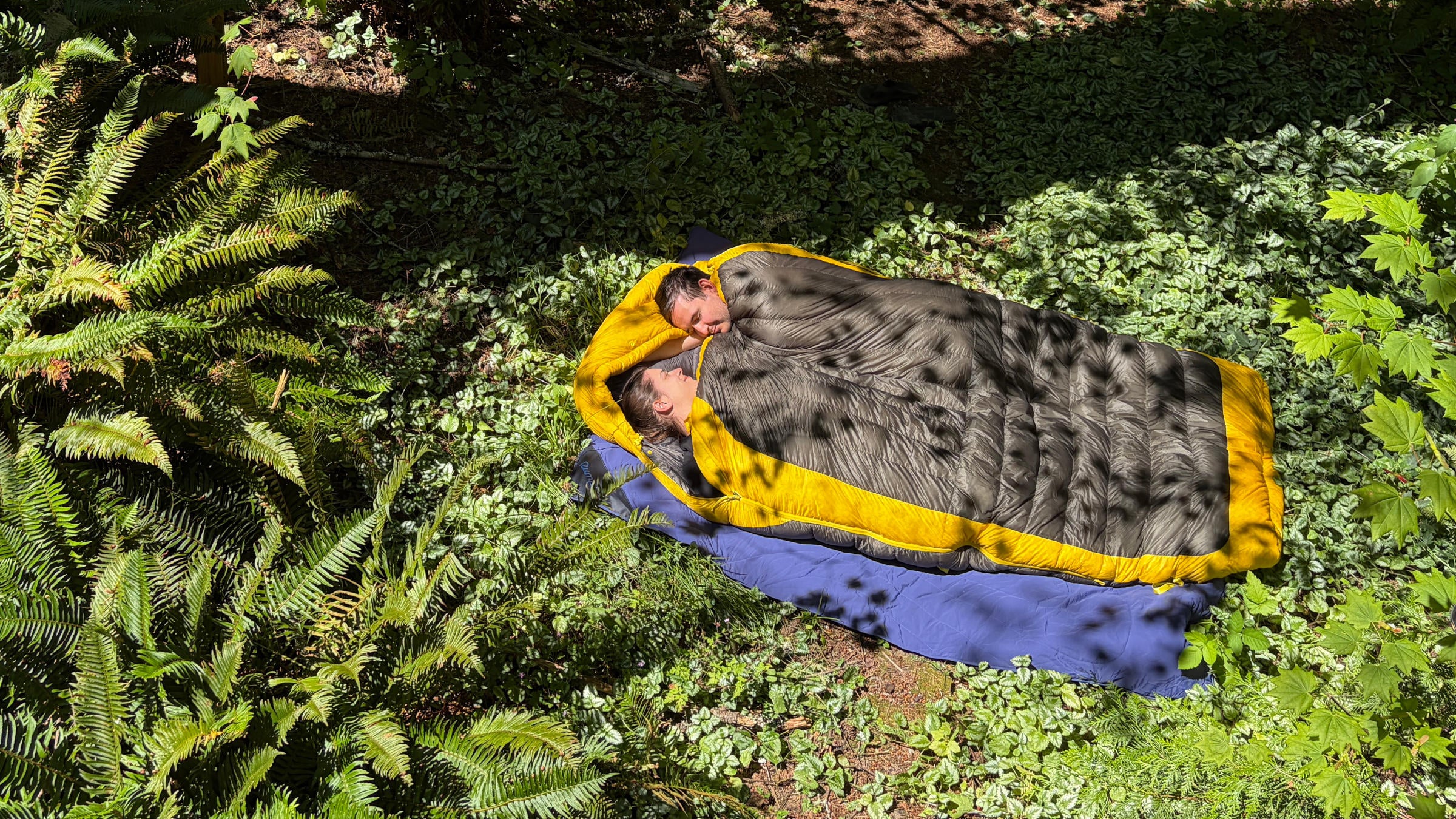
- Enhanced Intimacy and Comfort: The double bag provided a surprisingly roomy experience, facilitating activities like reading or completing puzzles together before sleep without the awkwardness of a gap between separate sleeping bags. The ability to cuddle and share warmth was a significant advantage, mimicking the comfort of a home bed.
- Ease of Entry and Exit: The presence of two zippers on the double bag allowed for independent access, a crucial feature for midnight bathroom breaks without disturbing a partner.
- Improved Sleeping Position (for one partner): The author, a stomach sleeper, found the increased space within the double bag allowed for greater freedom of movement and a more comfortable sleeping position compared to a traditional mummy bag.
- Shared Tent Space: The consolidation of sleeping gear can free up valuable space within the tent, accommodating pets or simply providing a less cramped environment.
Challenges and Drawbacks:
- Restless Sleeper vs. Calm Sleeper Dynamics: The most significant drawback emerged from the differing sleeping habits of the couple. While the author appreciated the extra room to move, her partner, Connor, found the author’s restlessness disruptive. This highlights that a double bag is most suitable for couples with similar sleeping styles and a shared desire for close physical contact throughout the night.
- Temperature Regulation Mismatches: Counterintuitively, the author reported feeling colder in the double bag than in her usual single bag in similar conditions. This was attributed to the larger volume of air within the double bag, which allowed cold air to circulate when the couple was not actively snuggled together. While a snap closure in the draft collar could mitigate this, it would also increase the restrictiveness of the bag. This suggests that for couples with significantly different thermal needs, a double system might necessitate careful management of insulation or even compromise individual comfort.
- "Trail Stink" Factor: The shared nature of the sleeping bag inevitably means a concentration of odors from days of exertion and limited hygiene. The report humorously notes that the romantic notion of sharing a sleeping bag might be tempered by the reality of accumulated trail scent.
The verdict on the double sleeping pad, however, was overwhelmingly positive. It provided a seamless connection between sleeping bags, eliminating gaps and enhancing the sense of shared space without imposing the same restrictions as a double bag. This makes a double pad a more universally appealing option for couples seeking enhanced intimacy on the trail, even if they opt for separate sleeping bags.
Cost and Versatility: A Financial Calculation
The financial investment required for a double sleep system is a significant consideration. The Sea to Summit Spark Double, priced at $999, is considerably more expensive than two individual Spark 15°F single bags ($549 each). While the double bag offers some weight and packability advantages, its versatility is inherently limited. If a couple does not consistently backpack together, the justification for such a specialized and costly piece of equipment becomes questionable. The higher price point is a barrier to entry, making it a luxury item rather than an essential piece of gear for many.
Conversely, the Big Agnes King Solomon, at $500, is half the cost of the Sea to Summit Spark Double and $240 less than two comparable ultralight Big Agnes bags. This presents a more budget-friendly option, though its performance and suitability for ultralight backpacking would require separate evaluation.
The implication here is that a double sleep system is best suited for couples who frequently embark on backpacking trips together and prioritize shared experiences and comfort over absolute weight minimization or cost-effectiveness. For the occasional backpacking couple, individual gear might offer greater flexibility and a more prudent financial decision.
The Broader Impact: Redefining Couple’s Backpacking
The emergence of double sleep systems for backpacking signifies a growing recognition of the unique needs and desires of couples who venture into the wilderness. This trend suggests a shift from viewing backpacking as a solitary pursuit or one where partners simply endure each other’s gear choices, to one where shared experiences and comfort are actively sought.
The implications extend beyond mere gear choices. The success of these systems hinges on open communication and compromise between partners regarding sleeping habits, temperature preferences, and personal space. This can translate into stronger relationships both on and off the trail, as couples learn to navigate challenges and find solutions that benefit them as a unit.
Furthermore, the development of lighter, more packable double sleep systems by manufacturers indicates a growing market demand. As technology advances and design innovations emerge, we can anticipate more lightweight and performance-oriented options becoming available, potentially lowering the cost and increasing the accessibility of these systems.
In conclusion, while double sleep systems are not a universally optimal solution for all backpacking couples, they offer a compelling alternative for those who prioritize intimacy, shared comfort, and a unique camping experience. The careful consideration of individual sleeping habits, thermal needs, weight budgets, and financial constraints will ultimately determine whether a double sleep system is a worthwhile investment for any given couple. The double sleeping pad, in particular, emerges as a highly recommended option, offering a significant step towards enhanced couple’s comfort on the trail without the potential compromises of a full double sleep system. As the backpacking landscape continues to evolve, the double sleep system represents a fascinating development in catering to the growing community of adventure-seeking couples.