The celebration of Apple Inc.’s 50th anniversary on April 1, 2026, marks a significant milestone not only for the consumer electronics industry but also for the global healthcare sector. Founded in a garage in 1976, Apple spent its first three decades revolutionizing personal computing and mobile telecommunications. However, the decade spanning 2016 to 2026 has been defined by a pivot toward personal health and wellness, a transition catalyzed by the Apple Watch. This shift has transformed the company from a purveyor of luxury hardware into a critical provider of medical-grade health monitoring and preventative care technology. The integration of the Apple Health ecosystem into the daily lives of millions has created a new paradigm where data-driven fitness and longitudinal health tracking are accessible to the average consumer.
The Decade of Transformation: 2016 to 2026
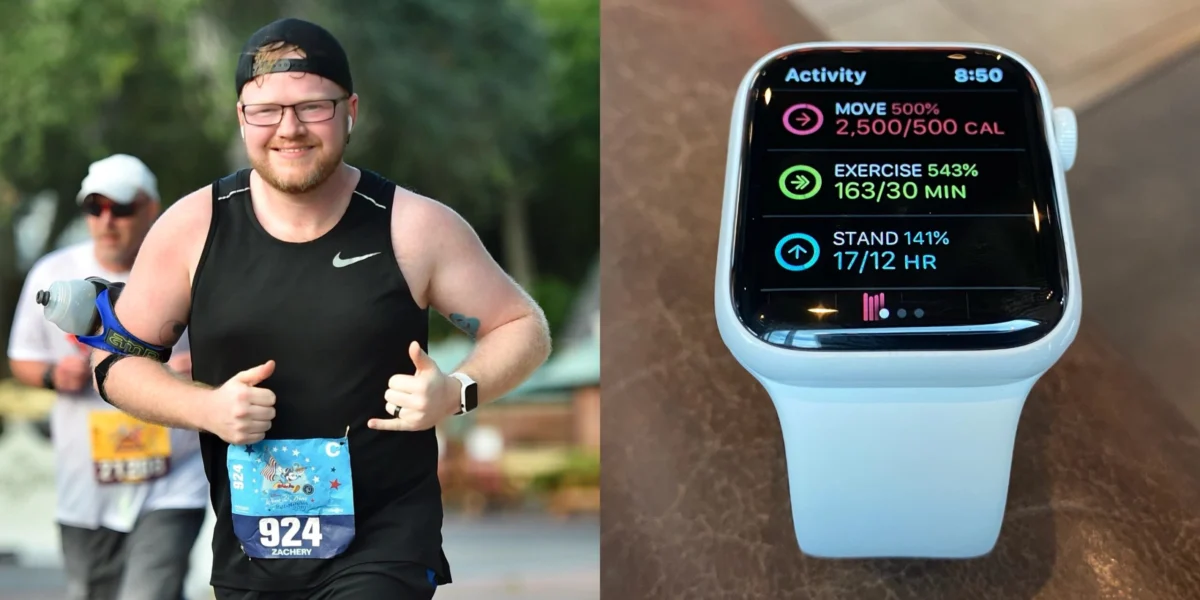
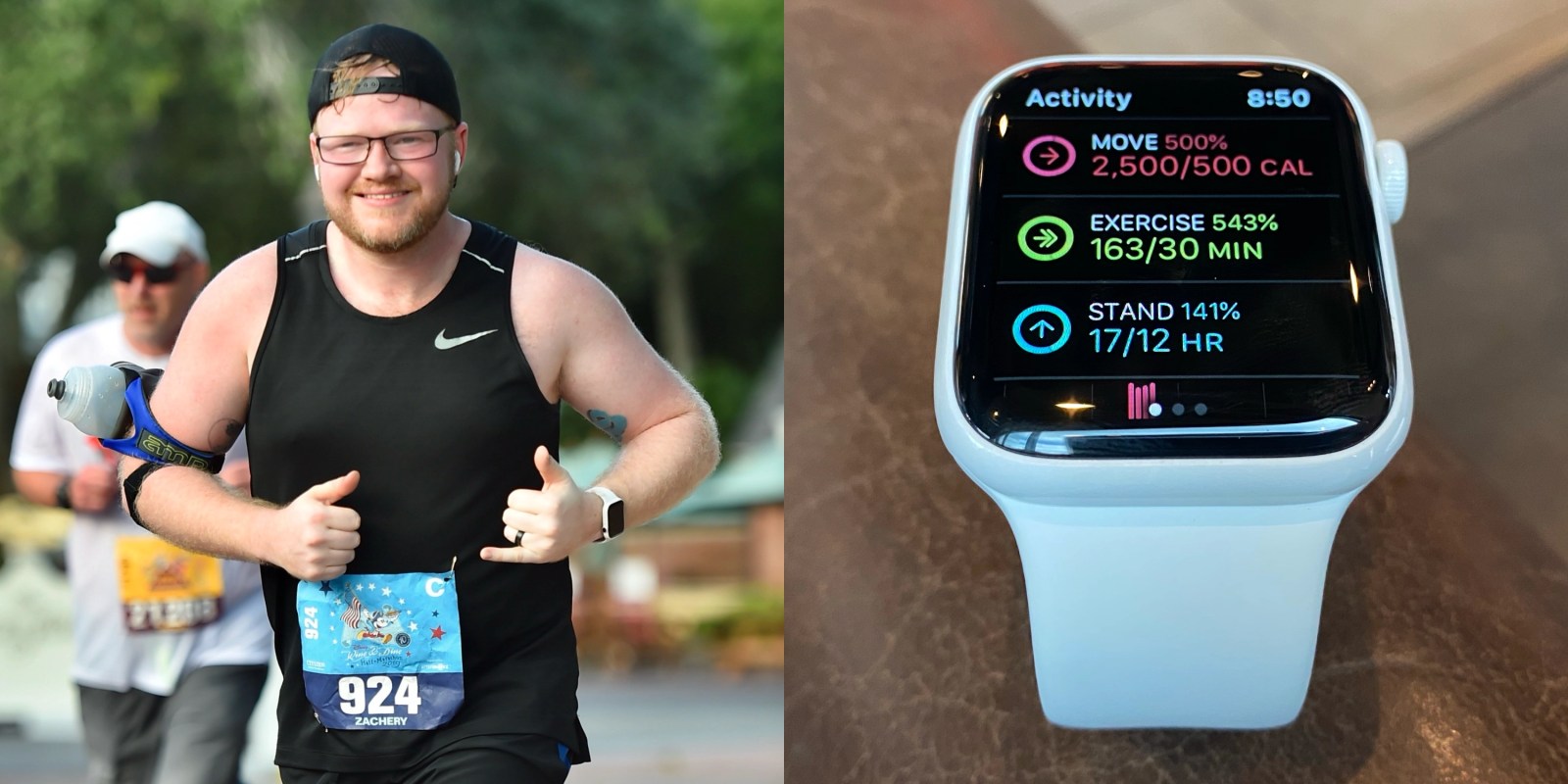
When Apple celebrated its 40th anniversary in 2016, the Apple Watch was still in its infancy, having launched just one year prior. At that time, the device was viewed largely as a secondary notification screen for the iPhone. However, the subsequent ten years saw a radical repositioning of the wearable. For many users who began their fitness journeys in 2016, the Apple Watch served as a digital coach, utilizing the "Activity Rings" system to incentivize movement, exercise, and standing.

By April 2016, a growing demographic of users—many in their mid-20s—began utilizing the device to combat sedentary lifestyles. This period marked the beginning of a broader societal trend toward "quantified self" movement. Early adopters frequently cited the closing of rings as a primary motivator for weight loss and cardiovascular improvement. Reports from the period indicate that users who engaged with the Apple Watch’s fitness features were significantly more likely to sustain long-term exercise routines compared to those using traditional pedometers. By New Year’s Day 2017, many of these individuals had achieved substantial health milestones, including significant weight loss and improved aerobic capacity, setting the stage for the Apple Watch to be recognized as a legitimate fitness tool.
A Chronology of Health Innovation
The evolution of Apple’s health strategy can be traced through a series of hardware and software milestones that expanded the scope of what a consumer wearable could achieve.
- 2015-2016: The Foundation. The original Apple Watch introduced the heart rate sensor and the Activity app. This era focused on basic movement and calorie tracking, encouraging users to move from the couch to the elliptical.
- 2017-2018: Performance and Medical Validation. As users progressed from walking to running 5K and 10K races, Apple introduced GPS and water resistance. The Series 4 (2018) was a watershed moment, introducing the first consumer-facing over-the-counter Electrocardiogram (ECG) and fall detection, receiving de novo clearance from the FDA.
- 2019-2021: Expanding the Ecosystem. The launch of Apple Fitness+ and the introduction of blood oxygen (SpO2) monitoring further solidified the device as a comprehensive wellness hub. During the global pandemic, these features became vital for remote health monitoring.
- 2022-2024: Ruggedization and Specialized Metrics. The introduction of the Apple Watch Ultra targeted endurance athletes, providing advanced running metrics and vertical tracking. This period also saw the integration of temperature sensing for women’s health and improved sleep stage tracking.
- 2025-2026: Holistic Health and AI. The final years of Apple’s first half-century have been defined by mental health integration via the Journal app and the use of machine learning to provide predictive health insights, such as detecting early signs of illness or burnout before the user becomes symptomatic.
Supporting Data: The Impact of the Health Ecosystem
The success of Apple’s health initiatives is supported by both market performance and clinical research. As of 2025, Apple’s "Wearables, Home, and Accessories" segment has consistently outperformed many standalone Fortune 500 companies. Market analysis suggests that the Apple Watch holds over 30% of the global smartwatch market share, with health features cited as the primary reason for purchase by 75% of new users.
In the clinical sphere, the Apple Heart Study, conducted in collaboration with Stanford Medicine, involved over 400,000 participants and demonstrated the device’s ability to detect atrial fibrillation (AFib) with high accuracy. This study paved the way for the medical community to accept wearable data as a supplement to traditional diagnostic tools. Furthermore, data from the Apple Women’s Health Study and the Apple Hearing Study have provided researchers with unprecedented longitudinal datasets, contributing to a deeper understanding of public health trends.
The economic impact of these technologies is also notable. Major insurance providers, such as Aetna and UnitedHealthcare, have integrated Apple Watch programs into their policies, offering subsidies or rewards for users who meet specific activity goals. This shift toward preventative care is estimated to save the healthcare system billions in long-term costs associated with chronic conditions like obesity and hypertension.
Official Responses and Strategic Vision
Apple leadership has been vocal about the company’s long-term objectives in the health space. CEO Tim Cook has famously stated on multiple occasions that he believes Apple’s "greatest contribution to mankind" will be in the field of health. This sentiment has been echoed by health industry analysts who note that Apple’s advantage lies in its ability to marry sophisticated sensors with a user-friendly interface and a strict commitment to data privacy.

Industry experts suggest that Apple’s success is rooted in its "vertical integration" of health. By controlling the hardware (Apple Watch), the software (iOS/watchOS), and the data repository (Apple Health), the company provides a seamless experience that competitors struggle to replicate. Unlike other tech giants that rely on advertising revenue, Apple’s business model—focused on hardware sales and services—allows it to position itself as a trusted custodian of sensitive medical information.
Broader Impact and Social Implications
Beyond individual fitness goals, the Apple Health ecosystem has had a profound impact on how society views well-being. The transition from purely physical metrics to a more holistic approach is evident in the recent emphasis on sleep tracking and mental health. The introduction of the Journal app across the Mac, iPhone, and iPad ecosystems has encouraged users to engage in regular reflection, a practice that psychologists suggest is as vital to health as physical movement.
For the generation that came of age with the Apple Watch, the device has acted as a constant, objective observer of their life stages. A user who started running 5K races at age 25 in 2017 may now, at age 35 in 2026, rely on the device for sleep hygiene, stress management, and monitoring blood pressure via third-party smart scales and cuffs that sync with the Health app. This lifelong "health resume" allows for more informed conversations with medical professionals, moving away from anecdotal symptoms toward data-backed histories.

However, the rise of wearable health tech also brings challenges. The "digital divide" remains a concern, as access to high-end wearables is often limited by socioeconomic status. Additionally, the medical community continues to debate the potential for "cyberchondria"—anxiety caused by the constant monitoring of health data. Apple has addressed some of these concerns by refining its notification algorithms to reduce false positives and focusing on trends rather than isolated data points.
Conclusion: The Next Fifty Years
As Apple enters its second half-century, the company’s trajectory suggests an even deeper immersion into the medical field. Speculation regarding non-invasive glucose monitoring and advanced hydration tracking continues to fuel excitement for future iterations of the Apple Watch. The integration of artificial intelligence is expected to turn the Health app into a proactive health assistant, capable of suggesting dietary changes or medical consultations based on subtle shifts in physiological data.
The story of Apple’s first 50 years is one of constant evolution. While the company began by putting a computer in every home, it has concluded its fifth decade by putting a health laboratory on every wrist. For the millions of users who have closed their rings, tracked their sleep, and monitored their heart health over the last ten years, the Apple Watch is more than a gadget; it is a symbol of a lifestyle shift that prioritizes longevity and self-awareness. As the company looks toward 2076, its legacy appears firmly rooted in the belief that technology’s highest purpose is to empower individuals to live better, healthier days.