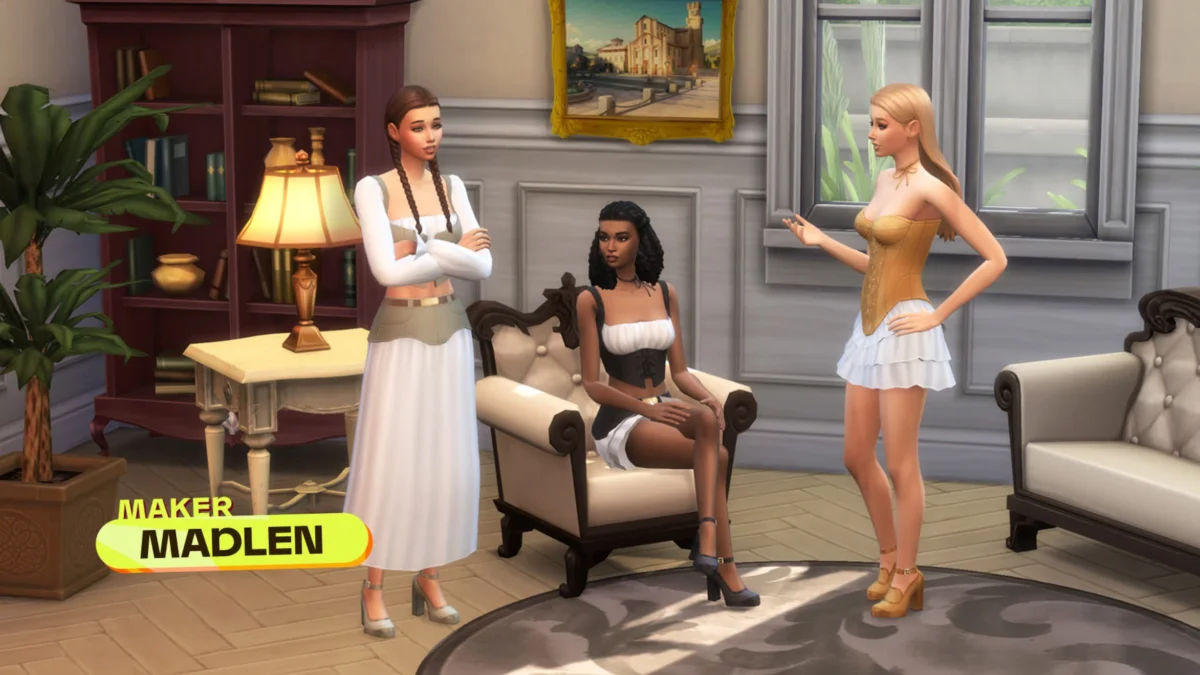
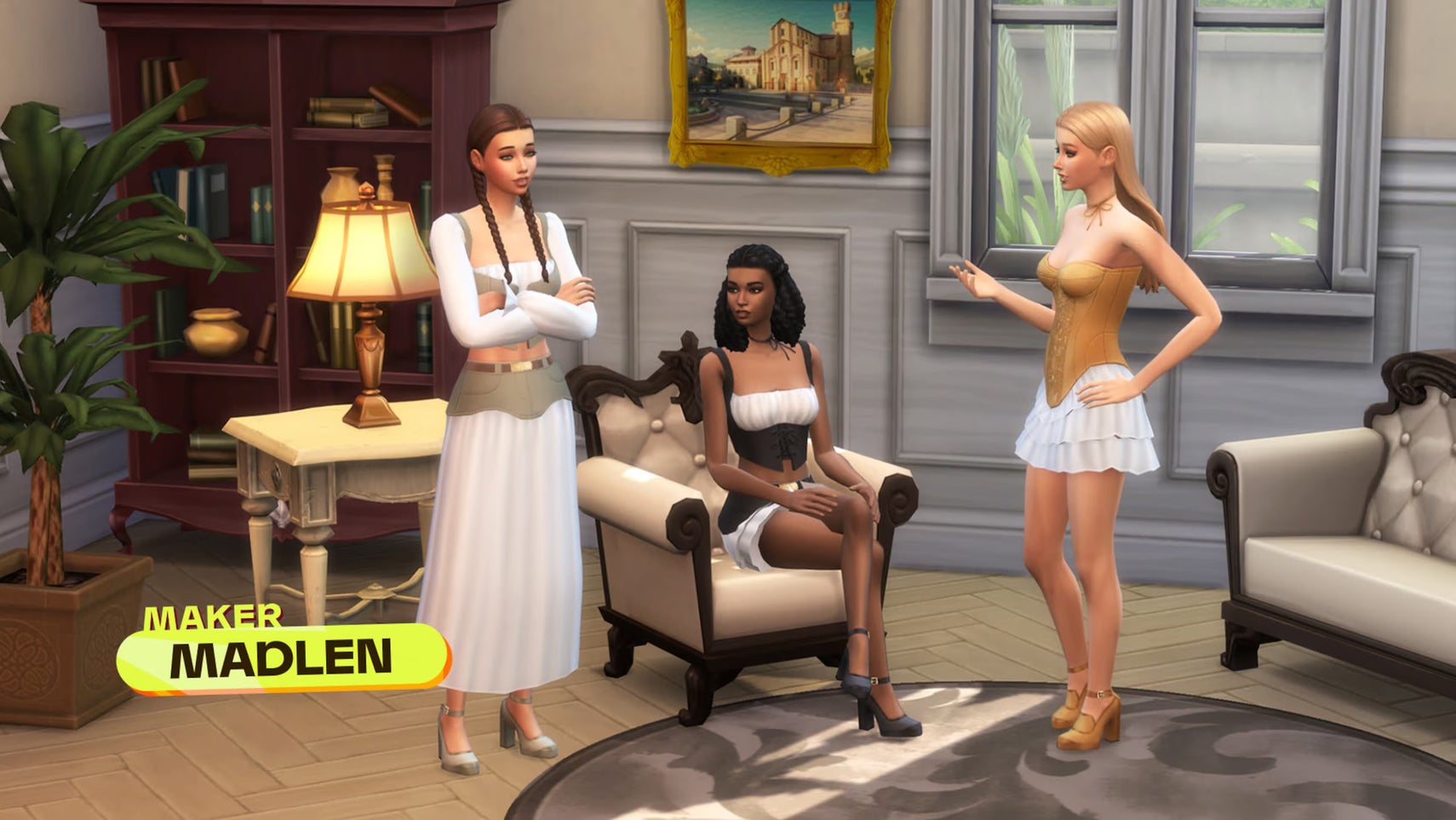
The long-anticipated official Marketplace and integrated user-created content (UGC) have finally launched for The Sims 4 on PlayStation and Xbox consoles, following their debut on PC just over a month prior. This expansion brings a new dimension of customization and content acquisition to console players, but also introduces a controversial premium currency system that has already sparked significant debate within the game’s extensive community. The rollout mirrors the PC version’s structure, allowing players to purchase a curated selection of community-made items and content through a dedicated in-game hub.
A New Era for Console Players, Familiar Challenges for the Franchise
For years, The Sims 4 players on PC have enjoyed a vast ecosystem of custom content, ranging from elaborate furniture sets and clothing items to complex gameplay modifications, largely facilitated by independent modders and shared freely or through voluntary donations. Console players, by contrast, have been limited to official expansions, game packs, and stuff packs released by Maxis and Electronic Arts. The introduction of the official Marketplace aims to bridge this gap, bringing a curated selection of user-generated content directly into the console versions of the game. This move, while potentially exciting for console players seeking greater personalization, arrives hand-in-hand with a monetization model that has been met with skepticism and criticism since its initial PC launch.
The core of the controversy revolves around "Moola," a new premium in-game currency required for all purchases within the Marketplace. Unlike traditional direct purchases with real-world money, players must first buy Moola in fixed denominations. This practice, common across the free-to-play gaming landscape, often leads to situations where players are forced to purchase more currency than needed for a specific item, leaving leftover balances that encourage further spending or feel like wasted funds. The pricing structure and the obfuscation of true item value have been consistent points of contention, reflecting a broader industry debate on transparent monetization.
The Sims Legacy: User-Generated Content at its Core
To understand the depth of the community’s reaction, it’s crucial to acknowledge the historical relationship between The Sims franchise and user-generated content. Since its inception in 2000, The Sims has thrived on player creativity. The ability to build unique homes, design custom Sims, and populate worlds with bespoke items has always been central to the game’s appeal. Modders and custom content creators have been instrumental in extending the game’s lifespan, providing endless variety and filling gaps that official releases couldn’t address. Many players consider this community-driven content an integral part of The Sims experience, often available for free or supported through platforms like Patreon, where creators receive direct support from their fans.
The Sims 4, launched in 2014, continued this tradition. Its transformation into a free-to-play title in October 2022 significantly expanded its player base, further highlighting the demand for diverse content. The introduction of an official, monetized marketplace for UGC represents a significant strategic shift for EA and Maxis, moving towards a more controlled and revenue-generating environment for community contributions. This shift naturally raises questions about the future of independent modding and the balance between supporting creators and maintaining community goodwill.
Chronology of the Marketplace Rollout and Associated Policies
The journey of The Sims 4 Marketplace has been marked by distinct phases and policy adjustments:
- Early April (PC Launch): The Marketplace officially launched on PC platforms (EA App and Steam). This initial rollout introduced Moola as the exclusive currency for Marketplace items. Crucially, it also coincided with a significant policy change regarding "Kits," smaller themed content packs previously purchasable directly with real money. Maxis announced that Kits would no longer be available for direct purchase on platform storefronts and would instead require Moola. This decision immediately drew widespread criticism from the PC community, who viewed it as an unnecessary layer of monetization and a devaluation of content.
- Mid-May (Console Launch): Approximately a month after the PC debut, The Sims 4 Marketplace extended its reach to PlayStation and Xbox consoles. The console version was confirmed to operate identically to the PC counterpart, meaning Moola would be the sole method for acquiring Marketplace content, and Kits would also be removed from direct purchase on the PlayStation Store and Microsoft Store, becoming Moola-exclusive.
- April 16-20 (PC Policy Reversal Leak and Implementation): Amidst the ongoing backlash from PC players, a leaked internal memo, widely reported by SimsCommunity, revealed that EA was planning to reverse the decision regarding Kits on PC. The memo indicated that Kits would once again become available for direct purchase with real money on the EA App and Steam. According to the report, this change was implemented on the EA App around April 16, with Steam following suit by April 20. This swift reversal on PC underscored the significant negative reception to the Moola-only policy for Kits.
The Moola System: A Closer Look at the Controversy
The Moola currency system is central to the ongoing debate. Players purchase Moola in bundles, for example, $4.99 for 500 Moola, $9.99 for 1,100 Moola, and so on. Items in the Marketplace are priced in Moola. The fundamental criticism stems from several points:
- Value Obfuscation: By converting real money into an intermediary currency, the true monetary cost of an item becomes less immediately apparent. A player might feel 100 Moola is a reasonable price without instantly equating it to a specific dollar amount.
- Forced Overspending: The Moola bundles are rarely aligned perfectly with item prices. If an item costs 120 Moola, and the smallest bundle is 100 Moola, the player might need to buy a 200 Moola bundle, leaving 80 Moola unused. This "leftover currency" often pushes players to buy additional items to use up the balance, or it simply sits dormant, representing money spent on something not fully utilized.
- Psychological Pricing: This model leverages psychological biases, encouraging incremental purchases and making it harder for consumers to track their total spending. It’s a well-established tactic in the free-to-play mobile and live-service game markets.
- Kits Controversy: The most contentious aspect was the initial decision to move Kits—smaller, curated collections of items or gameplay features—from direct purchase to Moola-only. Kits typically cost around $4.99, and forcing players to buy Moola bundles to acquire them was seen as a deliberate attempt to increase revenue through the aforementioned psychological pricing tactics.
Community Reactions and Developer Responses
The introduction of Moola and the initial policy regarding Kits ignited a firestorm within The Sims 4 community on PC. Players took to official forums, Reddit, Twitter (now X), and fan sites to express their disappointment and frustration. Common sentiments included:

- "Greedy Monetization": Many felt that EA was pushing aggressive monetization tactics onto a game that already had numerous paid expansions and packs.
- "Disrespect for Players": The Moola system was perceived by some as disrespectful, treating a loyal player base like a mobile game audience.
- "Devaluing Kits": Making Kits Moola-exclusive was seen as a way to inflate their perceived value or force players into unfavorable currency exchanges.
- "Lack of Transparency": Concerns were raised about the lack of clear communication regarding the Moola system and its implications.
The swiftness of the PC policy reversal on Kits, reportedly within days or weeks of the initial backlash, suggests that EA and Maxis were acutely aware of the negative sentiment. While no official public statement was made by EA directly addressing the leaked memo or the reversal, the SimsCommunity report, which detailed the return of Kits to direct purchase on the EA App and Steam, effectively confirmed the shift. This indicates a responsiveness to community feedback, at least on the PC platform.
For console players, the situation remains more uncertain. As the Marketplace has only just launched on PlayStation and Xbox with the Moola-only Kits policy in place, it is plausible that EA and Maxis will monitor the console community’s reaction closely. Should similar levels of dissatisfaction arise, a parallel policy reversal for console Kits might be considered, though this would likely take time to assess. The difference in platform ecosystems and user behavior could also influence such decisions.
Broader Implications: The Creator Economy and Future of The Sims
The Sims 4 Marketplace is part of a larger trend in the gaming industry: the formalization and monetization of user-generated content. Many developers are looking to integrate a "creator economy" directly into their games, aiming to provide official avenues for players to sell their creations and for developers to take a cut. This offers potential benefits:
- Support for Creators: It can provide a more direct and stable income stream for talented community creators, moving beyond voluntary donations.
- Quality Control: An official marketplace allows developers to curate content, ensuring it meets certain quality standards, is free of malicious code, and adheres to brand guidelines.
- Accessibility: Integrating content directly into the game makes it more accessible, especially for console players who traditionally have limited access to external mods.
However, this model also presents challenges:
- Competition with Free Content: The existence of a paid marketplace might put pressure on independent modders who offer similar content for free, potentially fragmenting the community.
- Monetization Ethics: The method of monetization (e.g., premium currencies) can alienate players who prefer direct, transparent transactions.
- Developer Control: A curated marketplace gives developers significant control over what content is available and who can profit from it, which some perceive as limiting the open-ended nature of community creation.
The Sims 4’s approach to its Marketplace will likely serve as a case study for future titles, including the upcoming Project Rene (widely believed to be The Sims 5). How EA and Maxis navigate the balance between monetizing UGC, supporting creators, and maintaining the goodwill of their passionate player base will be crucial for the long-term health of the franchise. The initial stumble with Kits on PC, followed by a quick course correction, demonstrates the delicate tightrope developers must walk when introducing new monetization models, particularly in games with a strong history of community-driven content.
In conclusion, The Sims 4 console players now have access to an official Marketplace brimming with user-created content, bringing new avenues for creativity and personalization. However, this advancement is inextricably linked to the controversial "Moola" premium currency system, which has already sparked significant debate on PC and led to a partial policy reversal regarding Kits. While console players catch up in terms of content access, they inherit a monetization model that continues to challenge community expectations and industry norms. The ongoing evolution of this Marketplace will be a testament to how well developers can integrate commercial interests with the foundational spirit of player creativity that has always defined The Sims.