For years, the vibrant streets of Manhattan served as the daily canvas for Angelo Antonio Rizzuto, a reclusive figure whose profound photographic legacy was only brought to light decades after his passing. His meticulously captured images, thousands strong, now stand as a remarkable testament to a lost era of New York City, drawing parallels to the celebrated work of Vivian Maier and prompting a reconsideration of the hidden artistic treasures that may still lie undiscovered within our communities. Rizzuto’s dedication to his craft, pursued in near-complete anonymity, offers a compelling narrative of artistic perseverance against personal adversity.
A Life Dedicated to the Streets
Angelo Antonio Rizzuto was born in 1906 in South Dakota, the son of Sicilian immigrants. His early life was marked by a period of academic pursuit, including attendance at Harvard Law School, though he ultimately did not complete his studies. A family tragedy, the death of his father, precipitated a profound personal crisis. A subsequent dispute over the family estate led to a suicide attempt in 1941, resulting in a period of institutionalization. This marked a turning point, leading to an increasingly unstable life characterized by mental health challenges, a brief military service followed by a medical discharge, and a period of transience across the United States before he eventually settled in New York City.
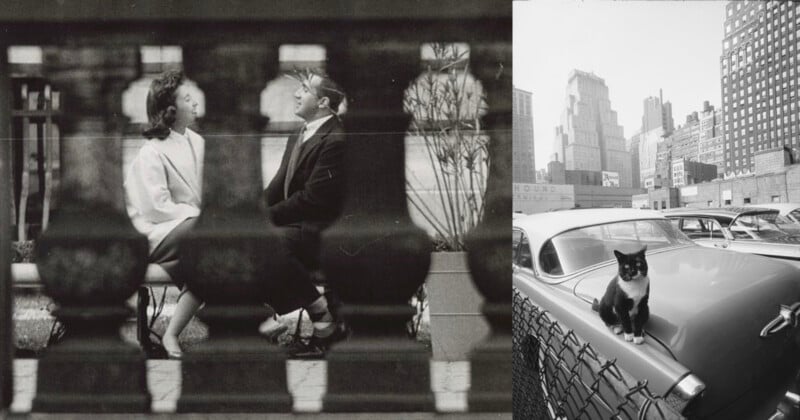
It was in Manhattan that Rizzuto carved out his solitary existence. He lived in a modest rented room, a space that belied his grand artistic ambitions. For nearly two decades, from 1952 to 1964, Rizzuto adhered to an unwavering daily ritual. Every afternoon, precisely at 2 p.m., he would venture out with his camera, embarking on a mission to document the intricate tapestry of urban life. His project, conceived as a book titled "Little Old New York," was an ambitious undertaking that remained unrealized during his lifetime. He produced tens of thousands of images, a vast archive that captured the city’s essence with an artist’s eye, yet remained unseen by the public.
While Rizzuto lived a life of quiet seclusion, his connection to the city was deep and observant. He owned a brownstone on East 51st Street, likely acquired through inheritance, which served as his darkroom for developing the vast collection of photographs he created. This duality—a life of personal isolation juxtaposed with an intense engagement with the external world through his lens—defines his unique artistic journey.
The Rizzuto Archive: A Glimpse into Mid-Century New York
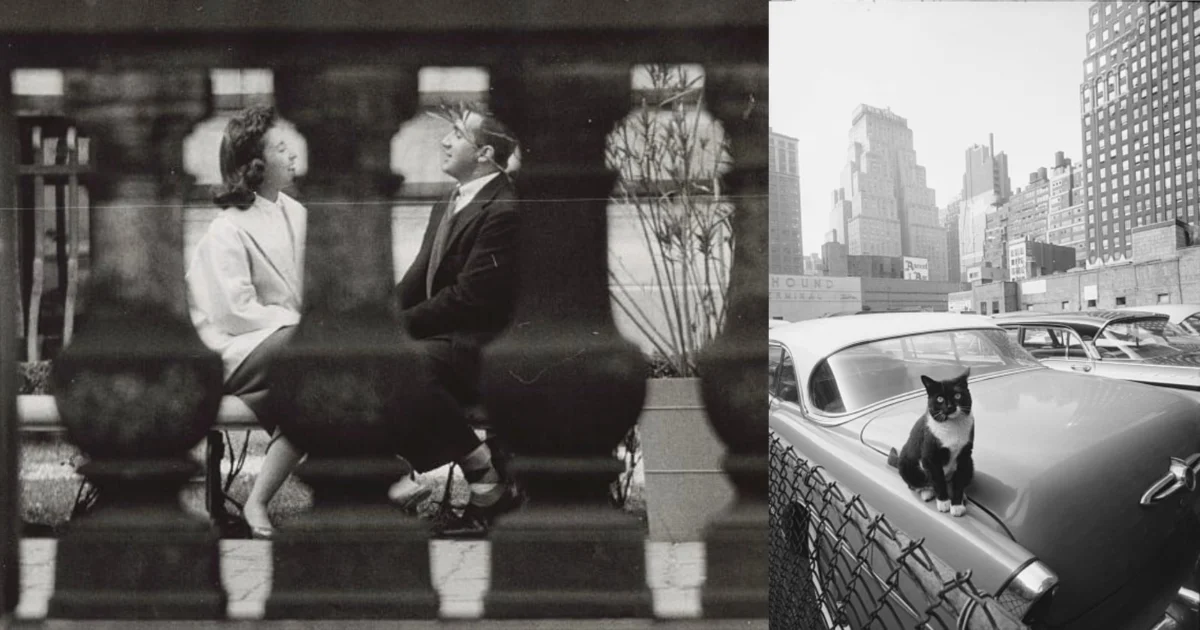
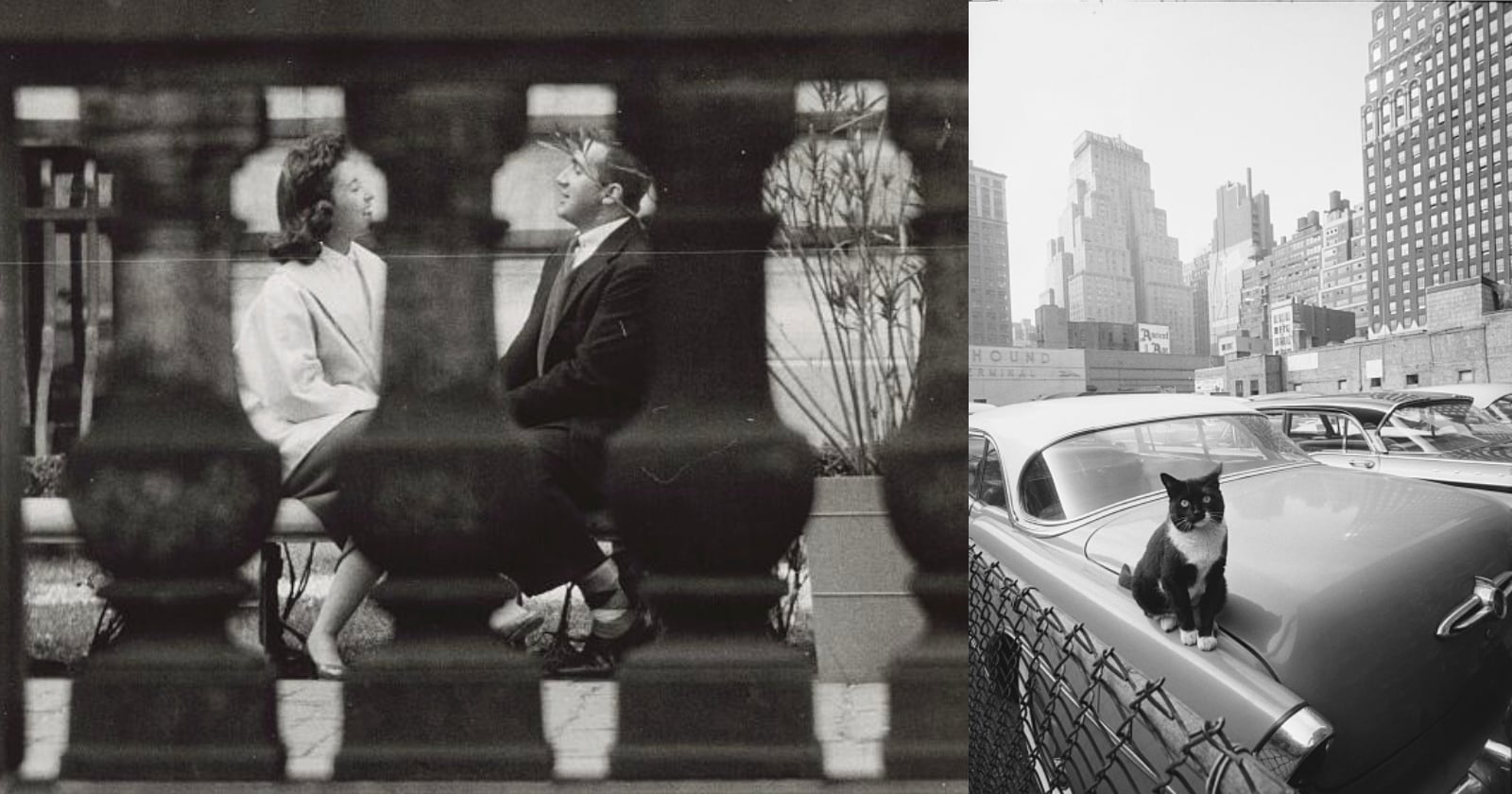
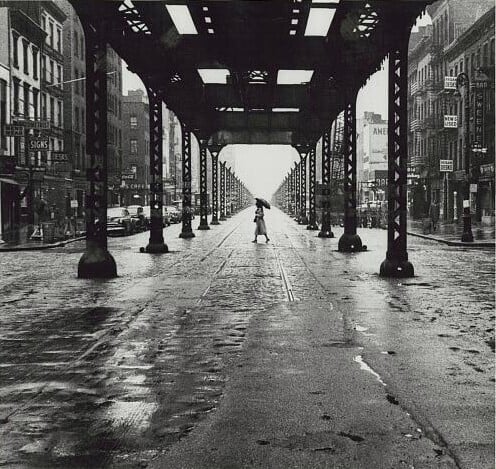
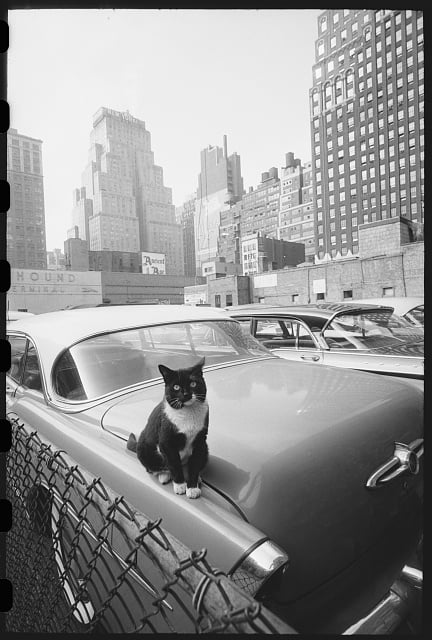
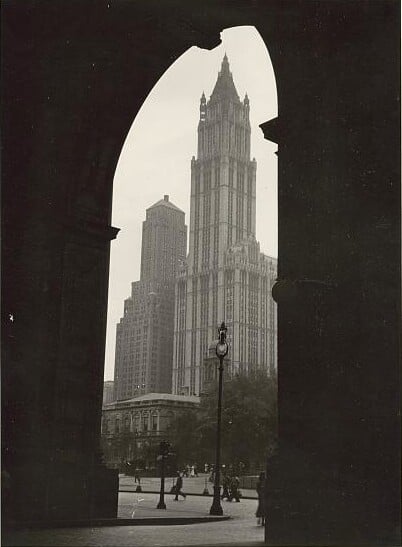
Rizzuto’s photographic output offers an invaluable window into New York City during the post-war boom. His work, now largely held by the Library of Congress, showcases a keen observation of both the monumental and the mundane. He was captivated by the city’s architectural grandeur, frequently framing iconic skyscrapers, soaring bridges, and the intricate geometries of parks and fences. These compositions often emphasized the structural elements of the urban landscape, creating a sense of scale and order.
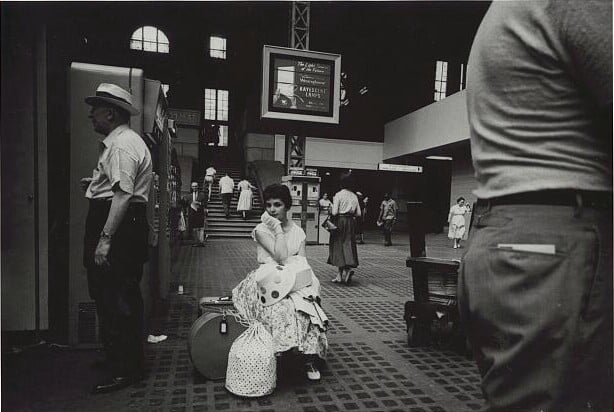
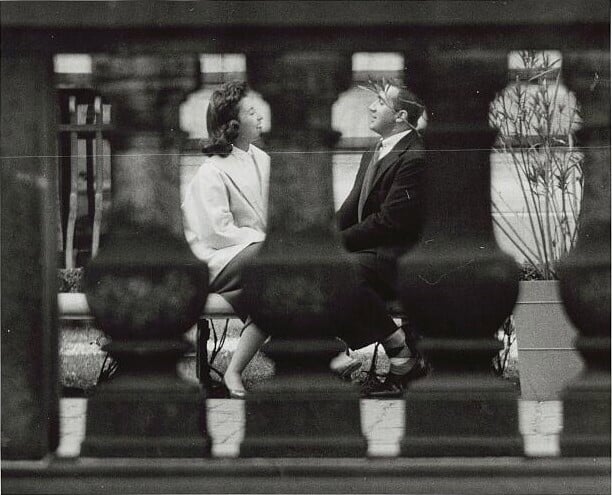
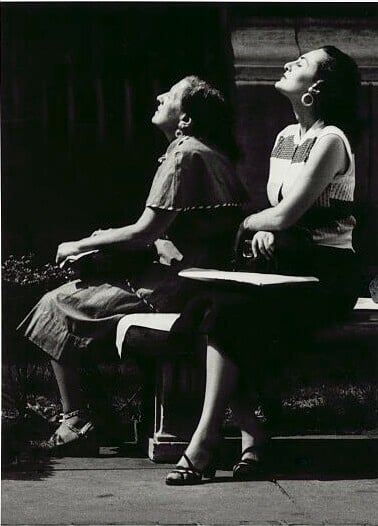
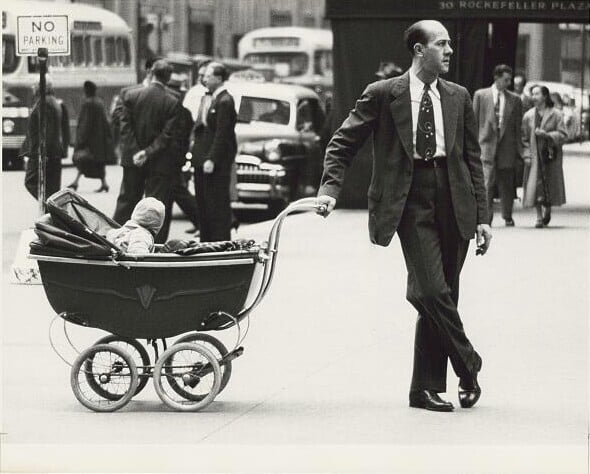
Beyond the city’s imposing structures, Rizzuto possessed an extraordinary ability to capture intimate human moments. He photographed ordinary New Yorkers: children at play, commuters navigating the bustling sidewalks, and countless passersby. Many of his subjects appear unaware of his presence, allowing for candid and authentic portrayals of daily life. This unposed quality, coupled with his thoughtful compositions, lends his work a timeless appeal.
Recurring Themes and Artistic Signatures

Jan Grenci, a reference specialist in the Prints and Photographs Division of the Library of Congress, has analyzed Rizzuto’s extensive collection. She notes several recurring themes that permeate his work: "You can see some recurring themes—cats and dogs, children, storefronts, people on the subway and in train stations, and nuns." These recurring motifs suggest Rizzuto’s particular interests and his consistent exploration of various facets of urban existence.
His compositional techniques further highlight his artistic sophistication. Rizzuto masterfully employed architectural elements—railings, windows, subway tracks—as framing devices, drawing the viewer’s eye into the heart of his photographs. This deliberate use of the urban environment to enhance his subjects is a hallmark of his style. The inclusion of images such as a woman with an umbrella braving a New York street in January 1956, a woman with luggage in Penn Station in 1958, or a nun seated before a store window in August 1958, all exemplify his ability to find compelling narratives in everyday scenes.
A Methodical Approach to Photography
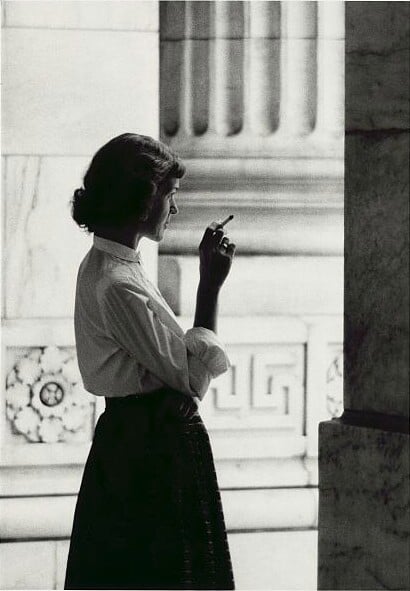
Rizzuto’s photographic process was characterized by its methodical nature. He worked with bulk film, a practice that allowed for greater control over his output and suggested a serious commitment to his photographic endeavors. He was known to use multiple cameras within a single day, indicating a proactive and efficient approach to capturing fleeting moments. His organization of contact sheets was also distinctive; he prioritized thematic categorization over strict chronological order, revealing a mind that sought to understand and present his photographic findings in a cohesive, thematic manner.
Intriguingly, Rizzuto also turned his lens upon himself. After 1953, many of his rolls of film concluded with a self-portrait. These self-portraits were not merely vanity projects; they often echoed the perspectives and angles he had employed in the images preceding them, suggesting a self-awareness and an attempt to integrate himself into his broader photographic exploration of the city. One striking example is a portrait of "Anthony Angel," taken between 1949 and 1967, which offers a rare direct glimpse of the artist behind the camera.
A Posthumous Legacy and the "Anthony Angel" Collection
Angelo Antonio Rizzuto passed away from cancer in 1967. He left behind an extraordinary legacy: approximately 60,000 photographs, along with the proceeds from the sale of his brownstone, earmarked for the Library of Congress with the explicit instruction that a book of his work be published. The execution of his will faced challenges, with legal disputes arising after his death. However, the Library of Congress ultimately secured the majority of his estate, taking possession of the photographic archive in 2001. It was not until two decades later, in 2021, that the collection was made accessible for research and public appreciation.
Rizzuto also harbored a desire for his work to be known under a slightly different name. He referred to himself as Anthony Angel, an Americanized adaptation of his given name. In accordance with his wishes, the Library of Congress has cataloged his archive as "The Anthony Angel Collection," a designation that honors his artistic identity.
Echoes of Vivian Maier and the Unseen Photographer
The parallels between Angelo Antonio Rizzuto and Vivian Maier, another street photographer whose work was discovered posthumously, are striking and have been widely noted. Both artists operated in relative obscurity, driven by an internal compulsion to document the world around them, rather than any expectation of public acclaim or recognition. Their extensive bodies of work remained largely unseen during their lifetimes, only to be brought to light and appreciated after their deaths.
However, the paths of their legacies diverge in significant ways. Rizzuto’s direct bequest to the Library of Congress ensured the systematic preservation and institutional stewardship of his archive. This contrasts sharply with the complex legal and commercial entanglements that followed the discovery of Vivian Maier’s photographs through an estate sale. Rizzuto’s foresight in designating a public institution as the custodian of his life’s work has provided a more direct route to scholarly analysis and public exhibition.
Implications and the Search for Hidden Archives
The story of Angelo Antonio Rizzuto raises profound questions within the fields of photography, archival science, and art history. It compels us to consider the vast potential for undiscovered artistic archives that may exist in obscurity, waiting to be unearthed. Rizzuto’s narrative suggests that significant artistic contributions can remain hidden for decades, a testament to the fact that artistic expression is not always tied to public recognition or commercial success.
The existence of such artists underscores the importance of systematic archival practices and the potential for overlooked collections to offer invaluable insights into history, culture, and the human condition. As researchers and institutions continue to explore Rizzuto’s extensive collection, further revelations about his artistic process, his observations of New York, and his place within the broader landscape of 20th-century photography are anticipated. His story serves as a powerful reminder that the most impactful artistic legacies can sometimes emerge from the most unexpected corners, challenging our perceptions of artistic discovery and the enduring power of the photographic image. The "Anthony Angel Collection" stands as a monument to a life lived in quiet dedication to capturing the soul of a city, a testament to the fact that profound artistic statements can be made from the shadows, waiting patiently for their moment in the light.