The climbing shoe landscape has undergone a dramatic transformation, moving far beyond a handful of basic options to a sophisticated array of specialized footwear designed to meet the diverse demands of modern climbers. From the intricate routes of indoor training facilities to the challenging granite faces of alpine ascents, the need for highly engineered climbing shoes has never been greater. This comprehensive guide explores the cutting edge of climbing shoe technology, highlighting nine exceptional models that represent the pinnacle of performance and versatility for climbers of all levels.
A New Era of Climbing Footwear
The sport of climbing has witnessed a meteoric rise in popularity and technical advancement over the past few decades. What was once an endeavor dominated by straightforward crack and slab ascents has evolved into a multifaceted discipline with specialized disciplines like bouldering, sport climbing, trad climbing, and big-wall free climbing. Indoor climbing, in particular, has seen an explosion of diverse training tools and competition formats, from spray walls and tension boards to complex bouldering circuits and lead climbing routes that demand extreme precision and power. This evolution necessitates footwear that can adapt to an ever-expanding range of challenges, providing the optimal blend of sensitivity, support, and grip for every conceivable climbing scenario.
To address this growing demand, brands have invested heavily in research and development, leading to an impressive lineup of climbing shoes that cater to specific needs. This year’s review focuses on a dozen of the most innovative new models, rigorously tested across a combined total of 37,400 vertical feet in diverse locations ranging from the Midwest United States to the climbing meccas of Spain. The selection spans a broad spectrum of climbing applications, ensuring that climbers from novice enthusiasts to seasoned professionals can find a shoe that elevates their performance.
Key Innovations and Testing Methodology
The testing process for this year’s climbing shoe guide was particularly extensive. A team of eight experienced climbers, spanning a range of ages and expertise, put a dozen new and recently updated models through their paces. Their testing grounds included a wide array of terrains and difficulty levels, from accessible 5.5 sport routes to demanding V10 bouldering problems and 5.14b sport climbs. The evaluations encompassed various climbing environments: indoor gyms with specialized training boards, outdoor sport and trad climbing areas, and multi-pitch ascents. The sheer diversity of rock types encountered—including sandstone, limestone, granite, basalt, rhyolite, and welded tuff—along with a full spectrum of angles from slabby to overhanging caves, provided a comprehensive real-world assessment.
The core evaluation criteria focused on the nuanced interplay between fit, break-in comfort, and crucial performance attributes. Testers meticulously assessed factors such as precision, edging capability, smearing effectiveness, heel and toe hooking prowess, scumming ability, and jamming comfort. Durability was also a significant consideration, examining how well each shoe maintained its structural integrity, sharpness, and precise fit after extensive use and even resole attempts. The goal was to identify shoes that not only excel in their intended niche but also demonstrate surprising versatility beyond their design parameters.
Top Picks for Every Climber
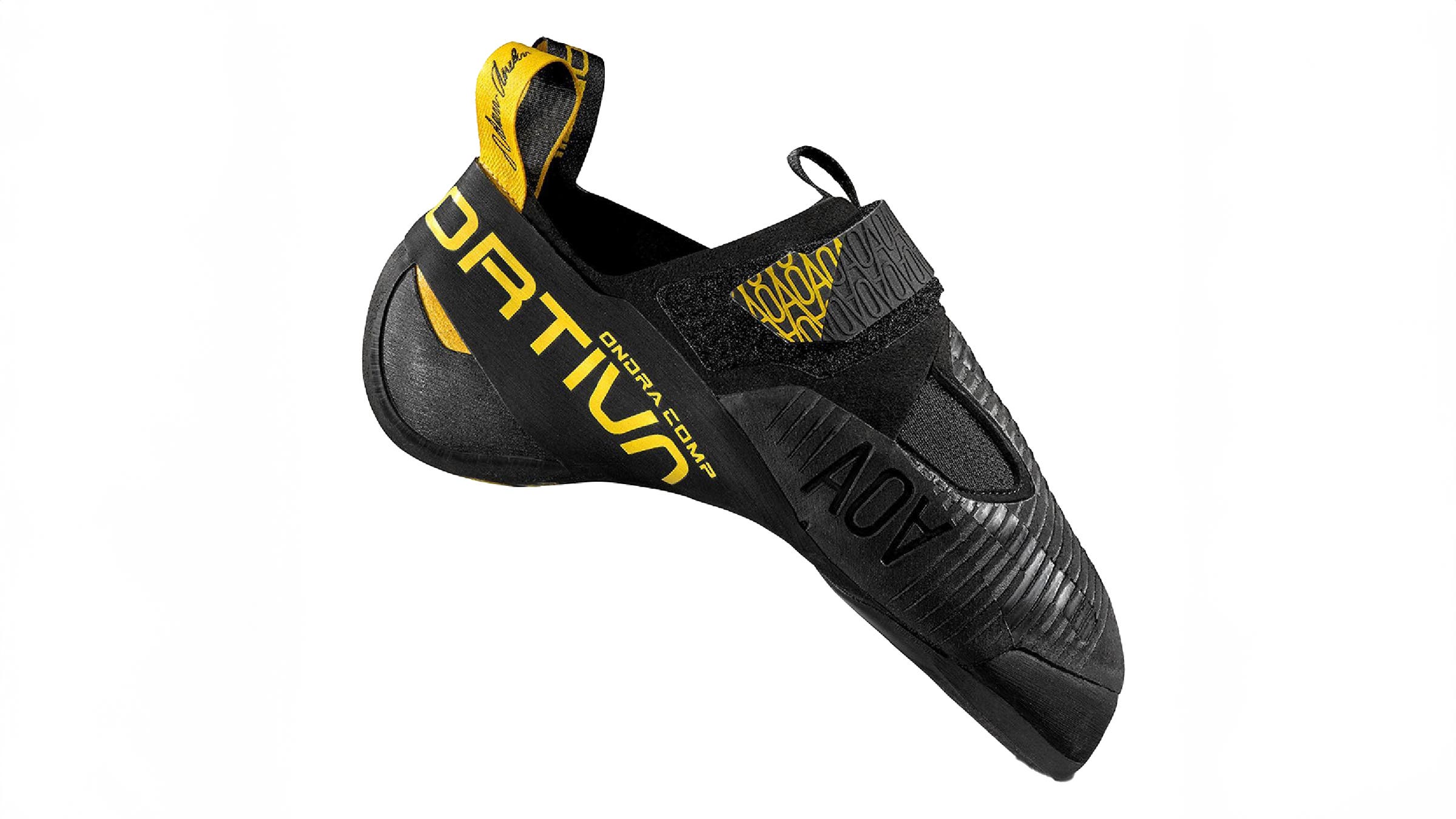
La Sportiva Ondra Comp: The Pinnacle of Performance Bouldering
For climbers seeking the ultimate edge in performance bouldering and steep indoor routes, the La Sportiva Ondra Comp emerges as a standout. This soft, downturned slipper offers an aggressive profile that belies its surprising ability to edge and "smedge" (smear and edge simultaneously). Testers lauded its exceptional toe-hooking capabilities, with one reviewer proclaiming it the best toe-hooking shoe they had ever encountered.
The Ondra Comp features an innovative three-part sole construction designed to flex dynamically, allowing the shoe to conform to the contours of large volumes and the steep angles of modern boulder problems. Its 3.5mm Vibram XS Grip 2 outsole provides a soft yet responsive platform, complemented by a thin 1.1mm LaSpoFlex midsole rubber undertoe for enhanced edging and pocket bite. A unique "gooey center" rubber pad within the Vibram outsole creates a soft zone, contributing to the shoe’s springy, dynamic feel and elite-level feedback on small holds and smears. Tested on everything from V8 boulder problems on New Mexico sandstone to 5.13b sport routes, the Ondra Comp consistently delivered reliability and confidence, particularly on glassy smears. While the narrow fit may pinch some pinky toes, its exceptional performance on boards, gym routes, and outdoor bouldering and smeary sport climbs makes it a compelling choice.
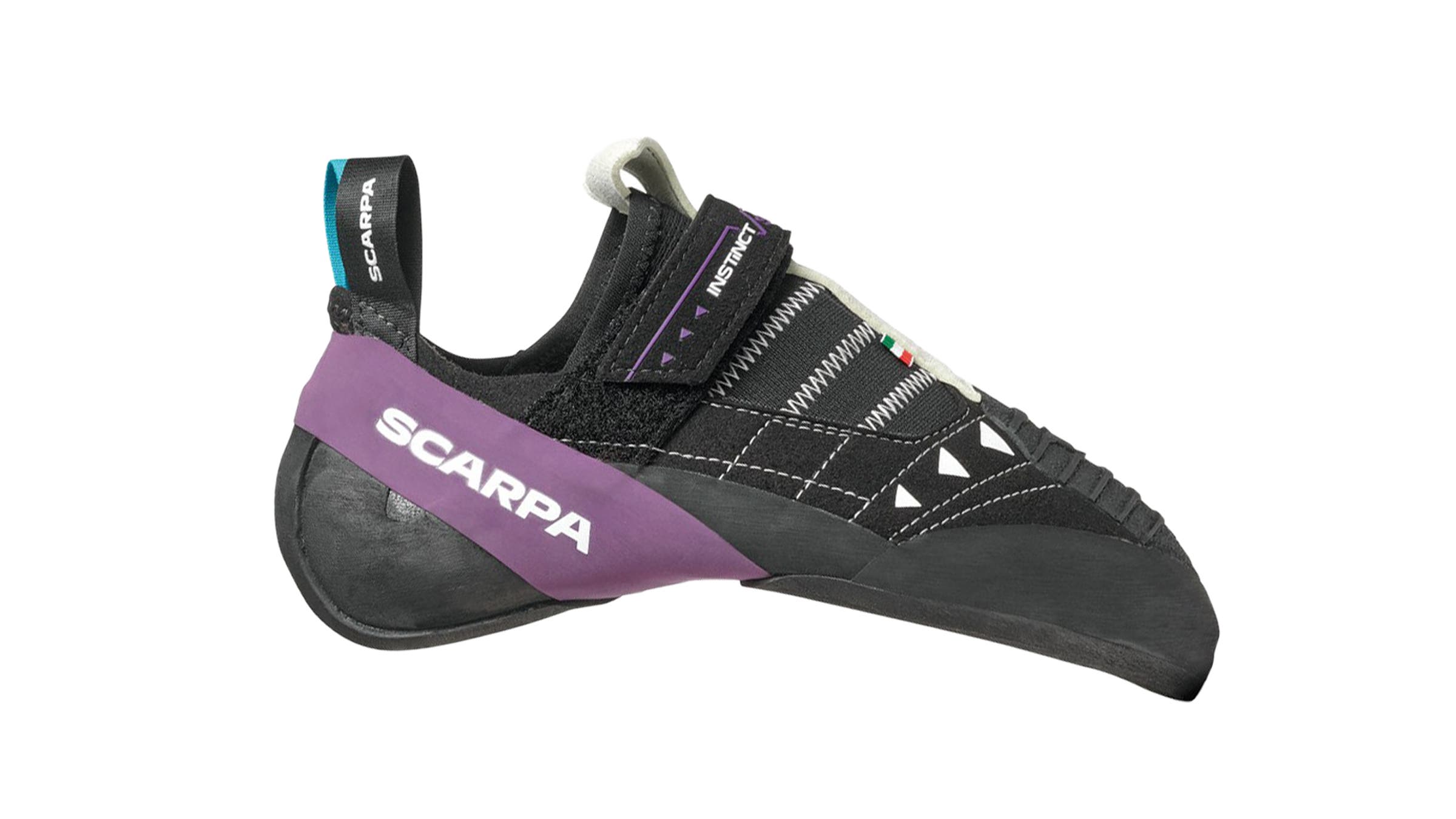
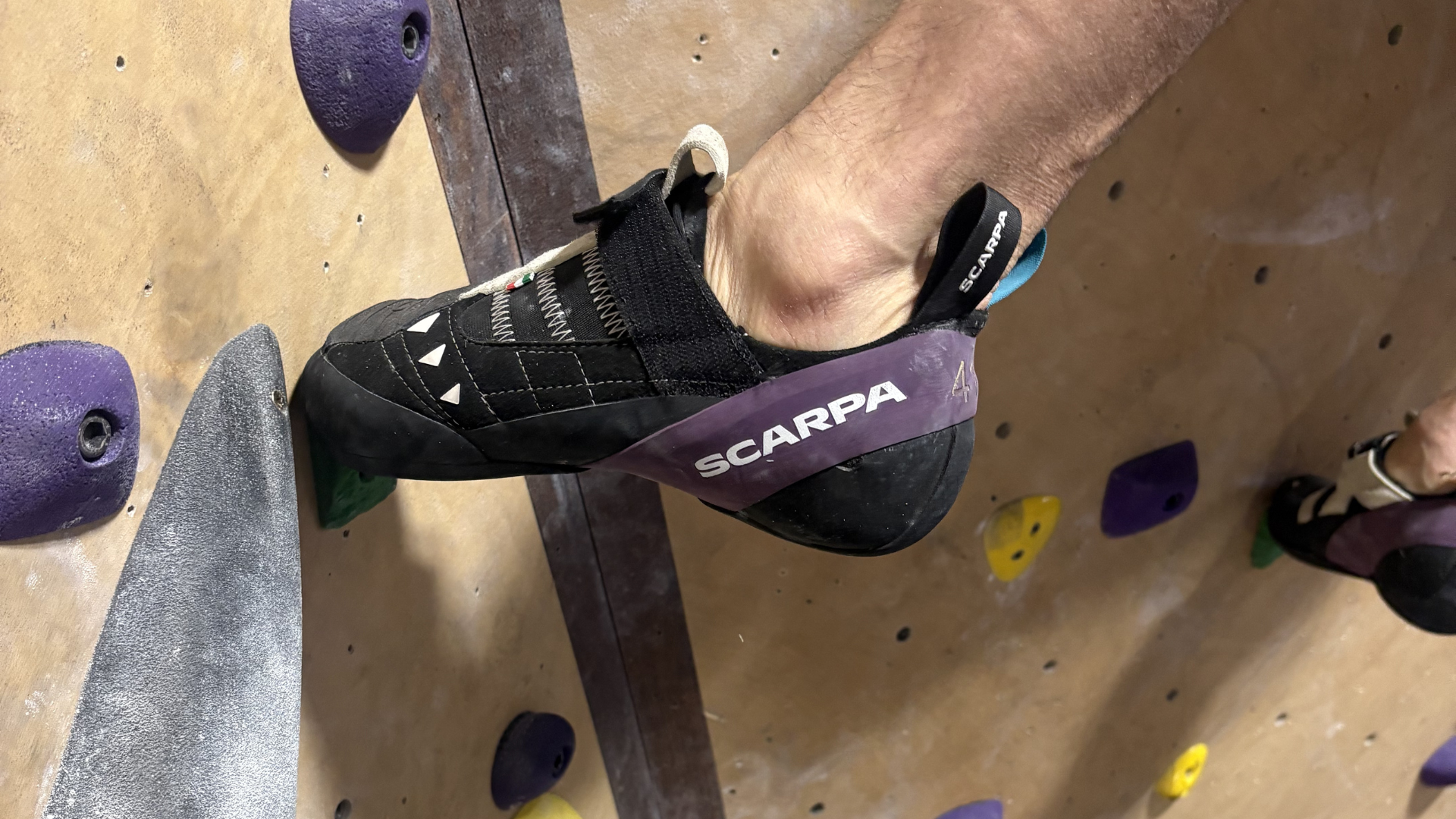
Scarpa Instinct VSR LV: Precision on the Point
The Scarpa Instinct VSR LV represents a refined iteration of the popular Instinct VSR, specifically engineered for climbers who demand exceptional precision on tiny footholds and powerful performance on steep terrain. This low-volume (LV) version offers a snugger fit throughout, from the toebox to the heel, translating to enhanced confidence on hooks and micro-edging. Testers consistently praised its sensitivity, allowing for a more intuitive connection with the rock.
Equipped with a 3.5mm Vibram XS Grip 2 half-sole, the VSR LV strikes an ideal balance between support and agility, making it a formidable tool for bouldery, overhanging routes and intense training sessions. While initial sensitivity on certain micro-footholds was noted, this diminished with use, revealing the shoe’s true potential. The consensus among testers was that the Instinct VSR LV is ideally suited for sport climbing, both indoors and out, as well as competitive bouldering. Its nuanced performance profile, however, makes it less ideal for long, multi-pitch alpine days where a softer, more forgiving shoe might be preferred. For climbers who have found previous Instinct models too voluminous, the VSR LV offers a welcome solution for a more dialed-in fit.
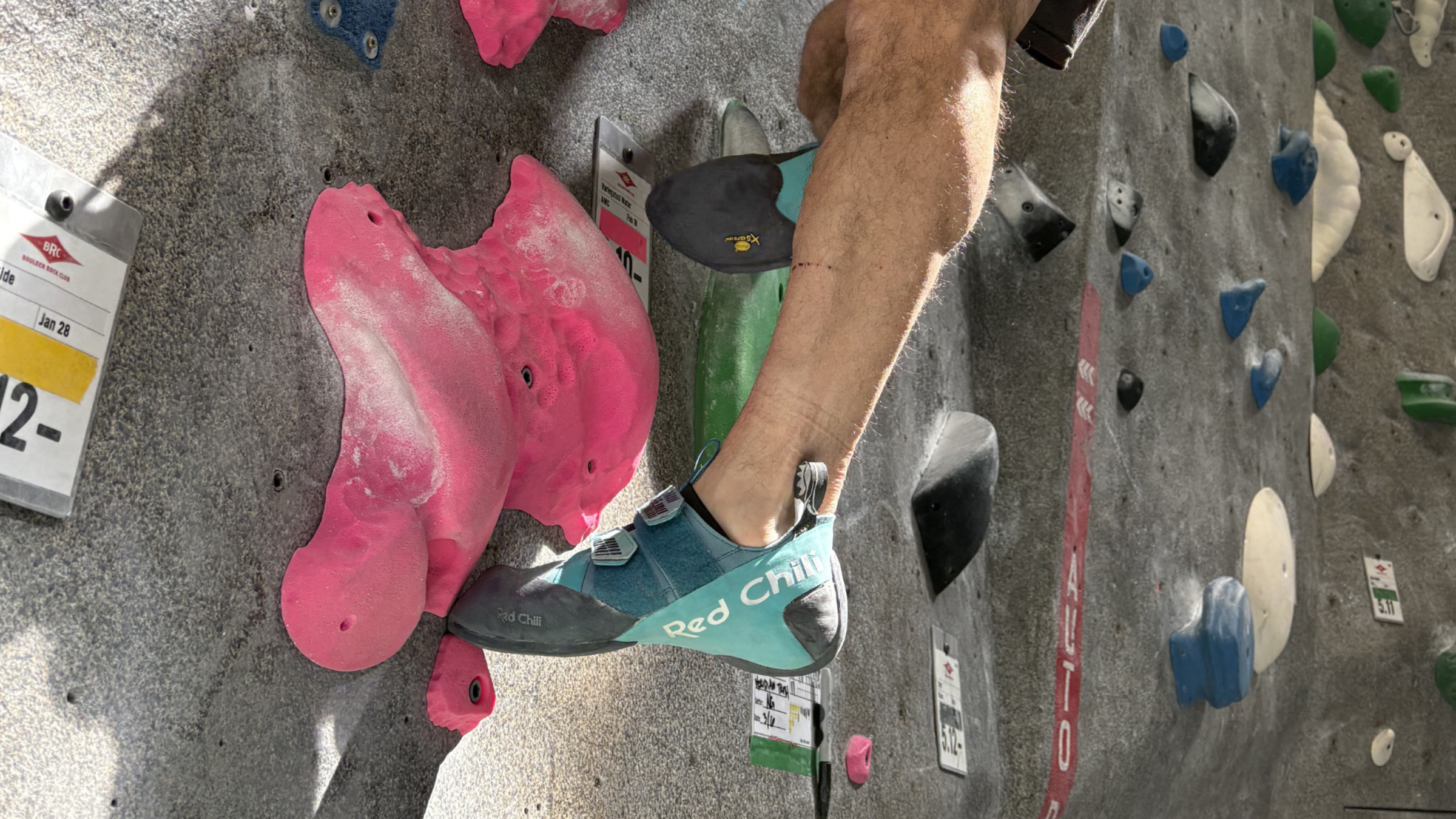
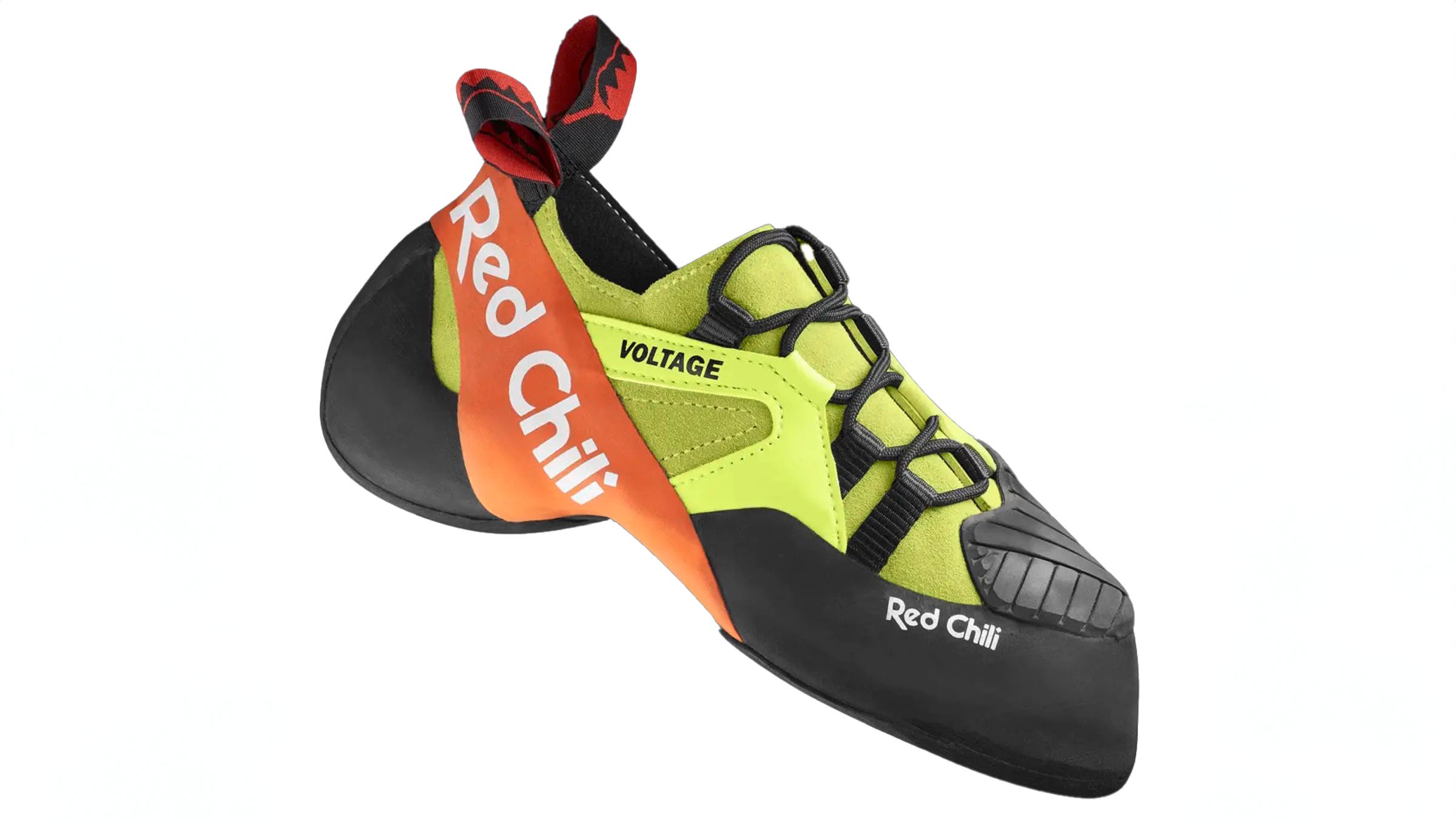
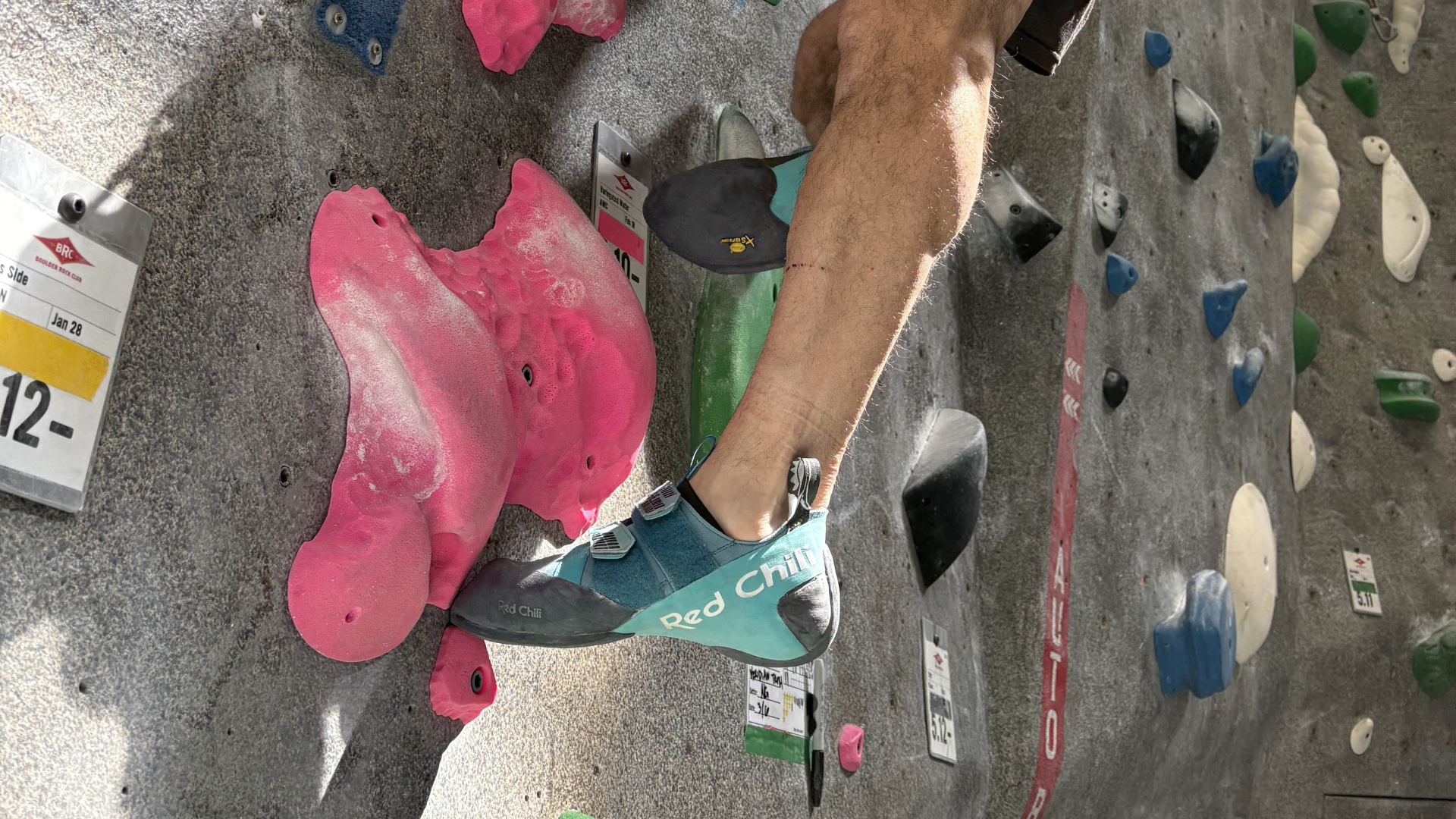
Red Chili Voltage (Voltage 3): The All-Arounder for Steep Ground
The Red Chili Voltage, now in its third iteration, continues to be a highly regarded, if somewhat understated, performance sport shoe with significant crossover appeal for bouldering. This latest version introduces several key enhancements designed to optimize its performance on steep terrain. The increased toebox volume allows for a more natural toe curl, crucial for engaging small holds on overhanging routes. An expanded toe-scumming patch and a reshaped heelcup with a narrower neck contribute to a more secure and precise fit.
Paired with a stiff forefoot, courtesy of a half-length Pebax 2mm midsole and a moderately rigid 4mm Vibram XS Grip outsole, the Voltage is particularly well-suited for larger or heavier climbers tackling challenging steep ground. Its performance shines on mildly overhanging terrain (20 to 30 degrees) where stiffness and grip are paramount. Testers found the high toebox exceptionally supportive, facilitating natural foot flexion on tiny divots. While the shoe’s stiffness makes it less ideal for pure smearing, and the toebox shape was noted as slightly rounded by one tester, these are minor considerations in the face of its overall effectiveness. A reported instance of sole delamination on one shoe was a minor concern, though it was successfully repaired. Ultimately, the Voltage remains a potent quiver-of-one option for semi-steep bouldering and sport climbing, offering excellent support for a wide range of climbers.
Mad Rock D2 One: Precision on Pockets and Jibs
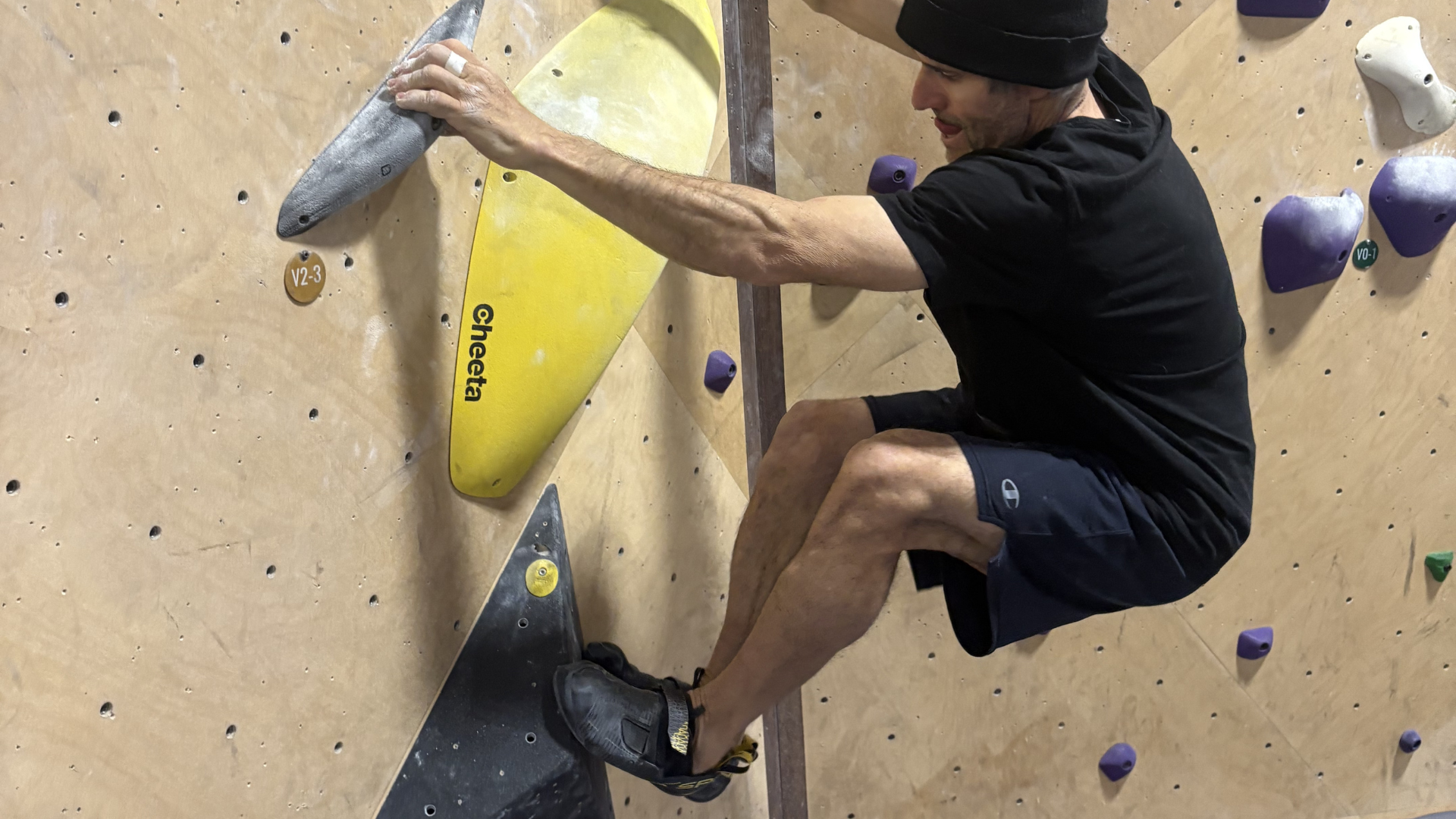
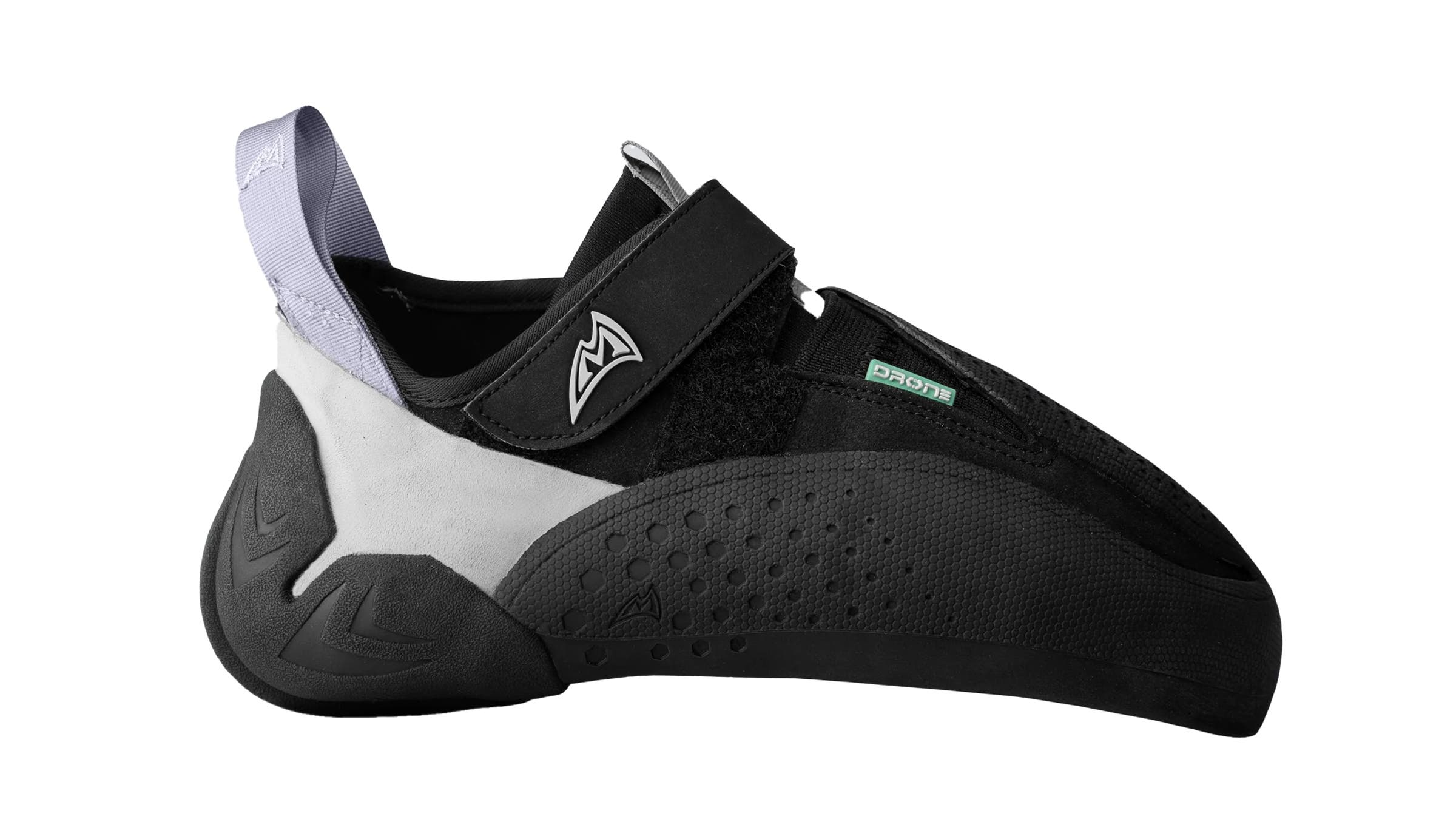
The Mad Rock D2 One stands out as the most versatile offering within the Drone family, adeptly bridging the gap between bouldering and sport climbing. Positioned between the stiffer edging capabilities of the Drone 2.0 and the softer, more aggressive feel of the CS model, the D2 One prioritizes support and precision. Its wickedly pointed toebox is a revelation on gym and board jibs, as well as the micro-pockets found on limestone formations. The shoe’s design—featuring a stiff, needle-nosed toebox, pronounced asymmetry, and a mild downturn—effectively drives the big toe forward, maximizing power transfer to small holds.
Despite a respectable weight of 1.25 lbs per pair, the D2 Ones offer a low-profile, agile feel, enabling rapid footwork on dynamic sequences and quick toe-ins to hidden pockets. The unique extruded, blade-like heel design, while requiring some adjustment, provides exceptional security on technical hooks, even those positioned laterally. While the D2 One is not optimized for extensive smearing due to its asymmetry and large toe box rubber, its prowess on micro edges—whether in the gym, on boulders, or on sport routes—is undeniable.
Evolv Zenist Pro: The Versatile Comp-Style Performer
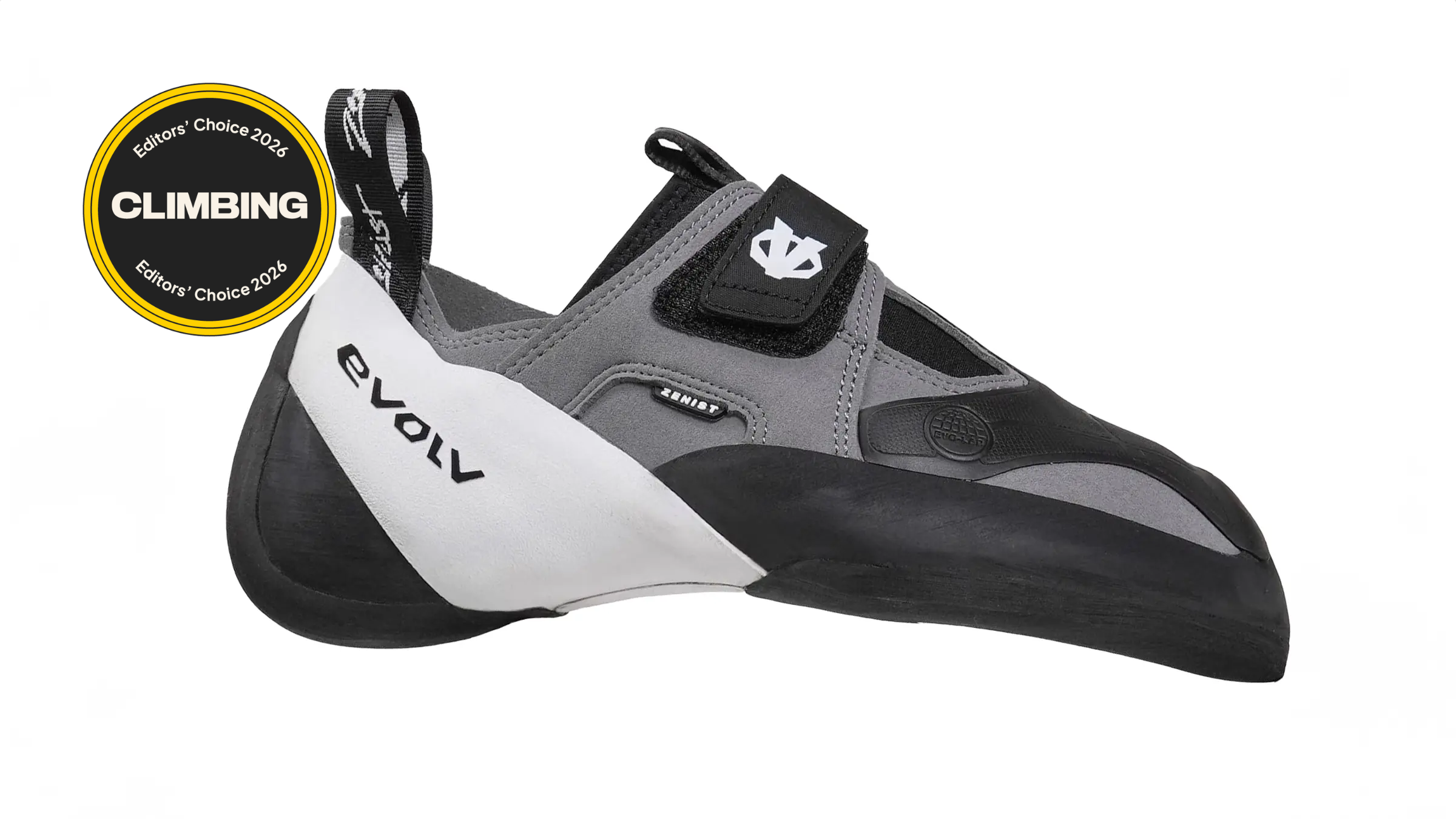
The Evolv Zenist Pro, despite its "comp" designation, proves to be a remarkably versatile all-arounder, performing exceptionally well on sport routes and crags. This shoe represents a stiffer, more robust iteration of the Evolv Zenist, offering a blend of performance characteristics that appeal to a broad spectrum of climbers. Its vertically built-up design and substantial weight are balanced by an aggressive downturn and a wide forefoot, making it an excellent choice for climbers with higher-volume feet.
The 4.2mm Trax SAS half-sole, while perhaps a touch thick for extreme micro-edging, delivers significant power on incut holds found on indoor boards, facilitating powerful drives and dynamic springs. A key strength of the Zenist Pro is its stable foot matching, ensuring consistent rubber contact with holds, even during tenuous transitions. Durability is also a highlight, with testers reporting no sole peeling and consistent structural integrity after extensive use. Minor drawbacks include an adjustable closure that occasionally came undone and a toe-scumming patch that could feel slick. Nonetheless, the Zenist Pro’s combination of support, width, and edging prowess makes it a strong contender for edging-focused climbs, wider-footed climbers, and heavier athletes seeking enhanced support.
La Sportiva Mantra: The Ultimate Sensitivity Slipper
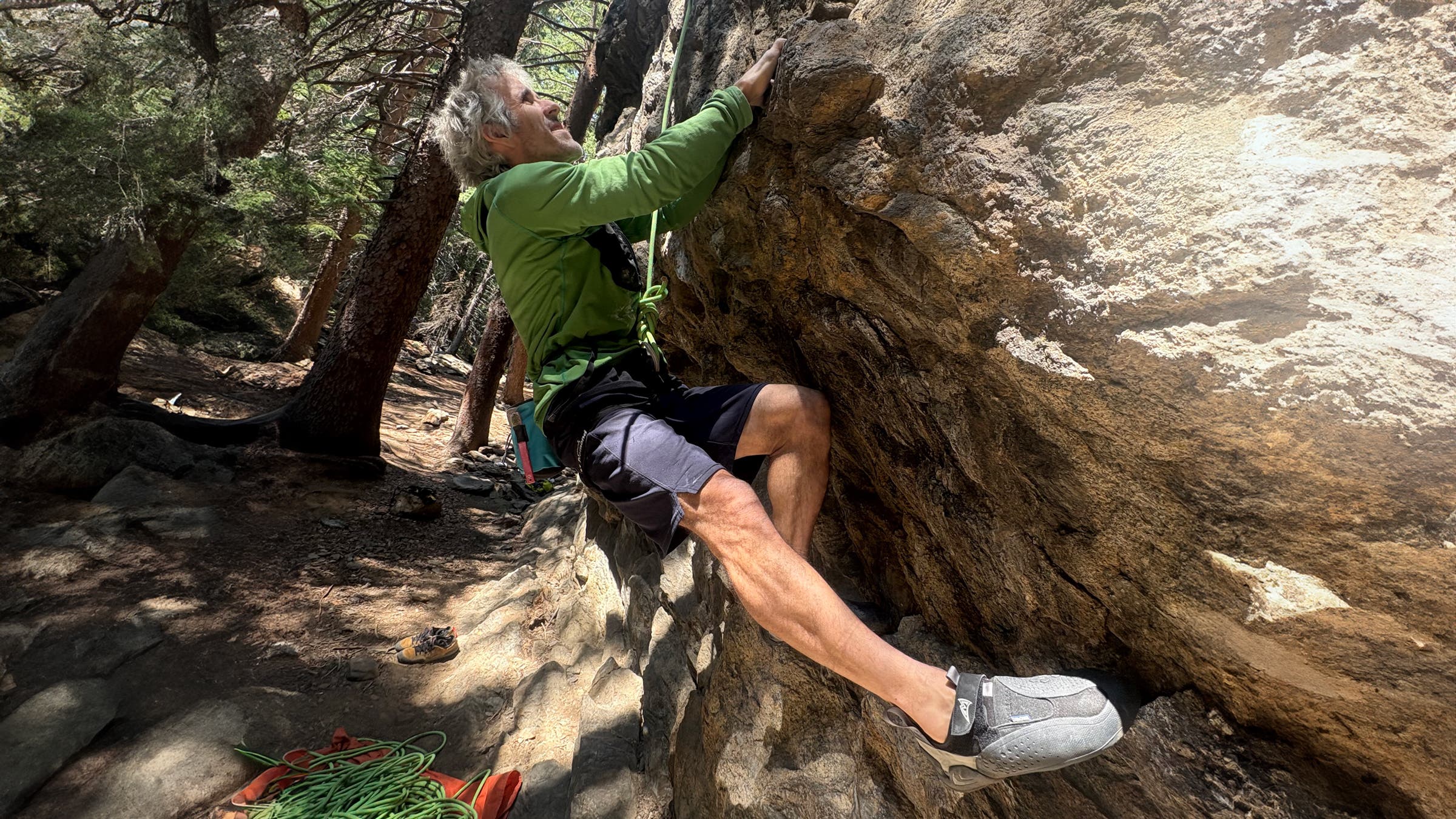
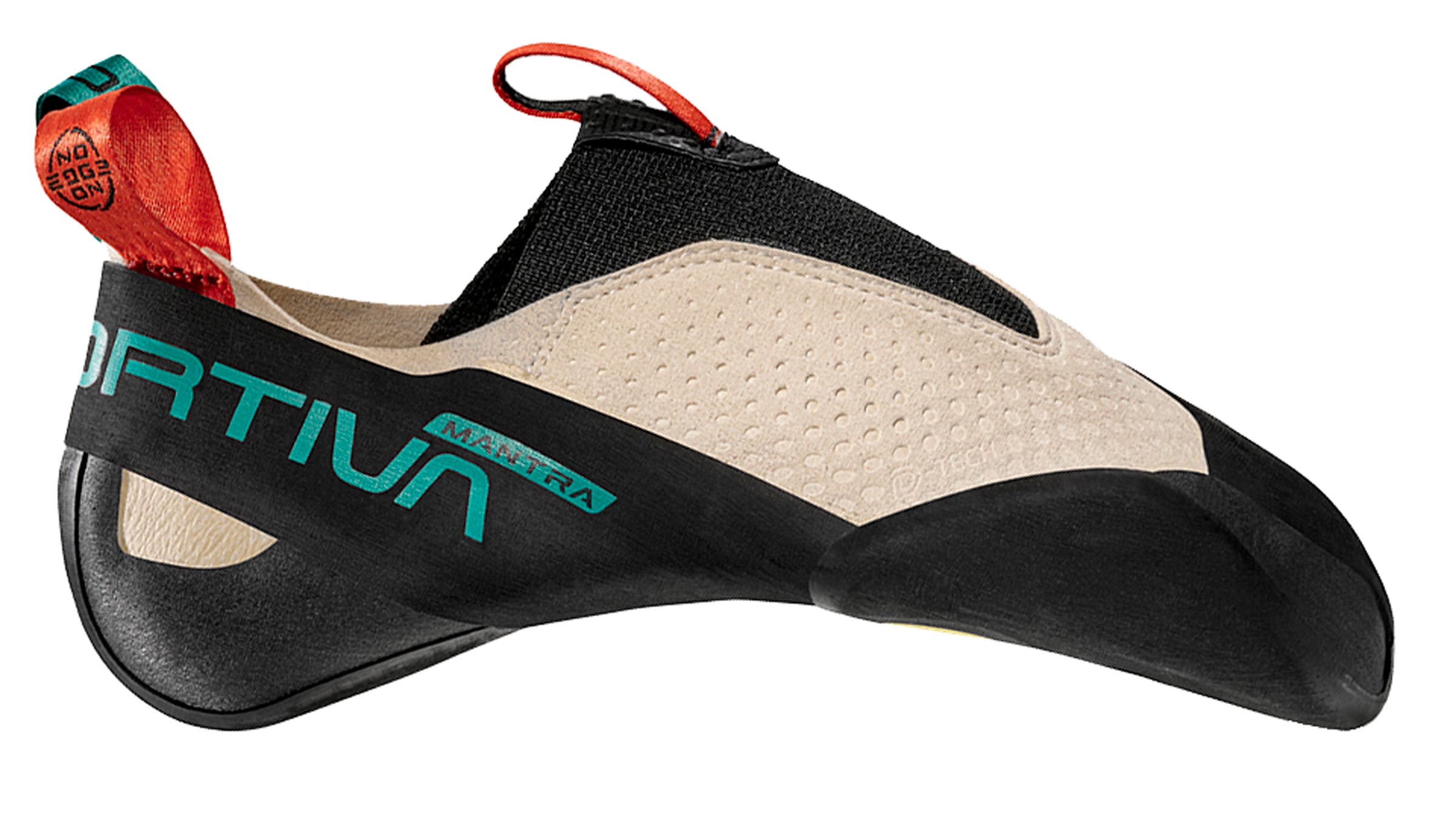
For climbers who prioritize unadulterated feedback and a near-barefoot sensation, the La Sportiva Mantra stands as an exceptional choice. This hyper-sensitive slipper, characterized by a significant downturn and mild asymmetry, excels at gripping large, smeary holds. La Sportiva’s "No Edge" technology, which rounds the sole over the toebox as a single unit, contributes to its unique feel. The latest iteration of the Mantra retains the soft microfiber upper, a cushy leather insole, and a remarkably thin 1.5mm Vibram XS Grip 2 half-sole, eliminating the need for a midsole.
The stretchy, elastic tongue provides an accommodating fit across a range of foot shapes. While previous versions experienced bagginess issues, careful sizing down has proven effective in mitigating this. The Mantra’s standout feature is its incredible sensitivity, offering an almost tactile connection to the rock. It deforms beautifully into irregular holds, excels at gripping on steep terrain, and performs nimbly on smears and volumes. However, its weakness lies in precision and edging support, making it less ideal for slabby terrain or precise footwork on small edges. The Mantra is best suited for bouldering, especially in areas with slopey holds and large volumes, such as Fontainebleau or Horse Pens 40. Early durability concerns with previous models appear to have been addressed in the latest iteration.
Ocun Jett S: The Budget-Friendly Training Gem
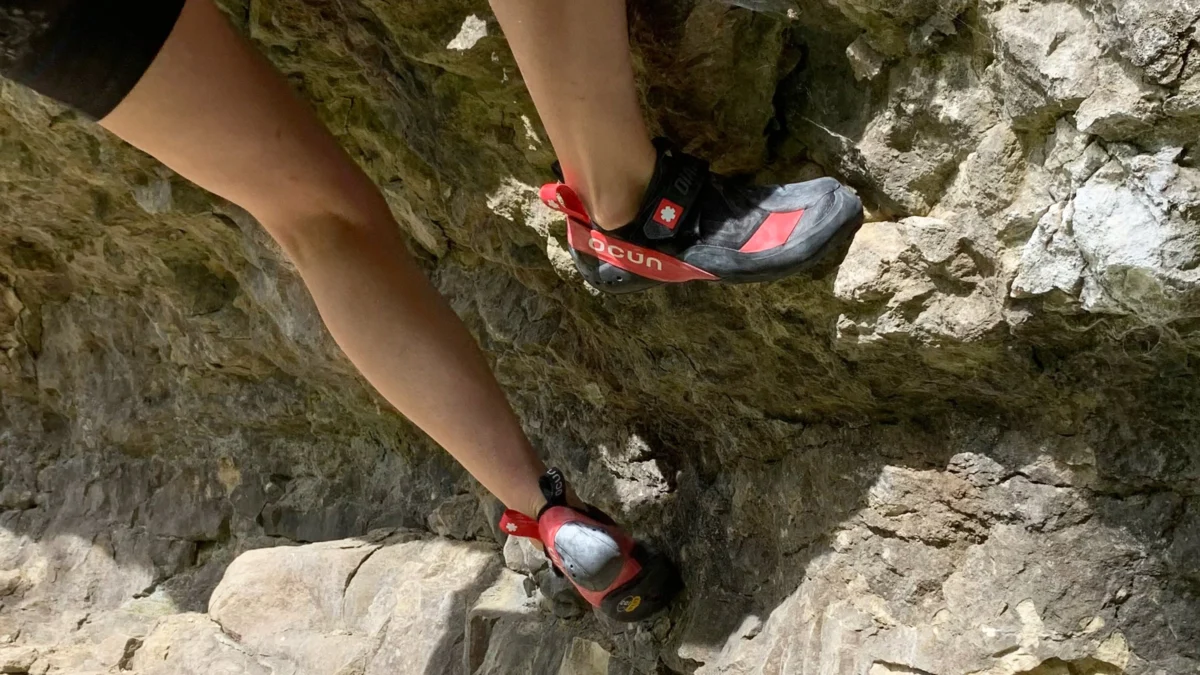
The Ocun Jett S emerges as a compelling option for climbers seeking a high-quality training slipper that offers excellent value without compromising performance. This new single-Velcro-closure slipper is particularly well-suited for gym climbing, excelling in both sport and bouldering disciplines. Its appeal lies in its trifecta of lightweight feel, forgiving fit, and remarkable toebox accuracy.
Designed as a transitional slipper for intermediate climbers, the Jett S features a split sole with a moderately yielding 4mm Cat rubber 1.5 paired with a stiff 2D Fit Hard midsole. Combined with mild asymmetry, a slight downturn, and a very pointy toe, the result is a relatively neutral yet frontally precise slipper that drives effectively into small holds. While its semi-stiff forefoot and pointy shape may leave something to be desired on large, slippery holds and smears, it performs admirably on textured holds, particularly for edging and pockets. The Jett S is exceptionally lightweight, with siping on the toe-scum patch and heel enhancing flexibility and reducing bulk. Hooking and scumming are reliable, and the shoe’s low profile facilitates agile footwork on gym boulders. Despite its narrow last, the pliable microfiber upper and generous elastic tongue allow for a surprisingly accommodating fit, even for wider feet, while maintaining a secure toe anchor. Minor issues like slight delamination at the toe and occasional tongue bunching were noted, but for its price point, the Jett S offers a fantastic balance of performance and affordability.
Scarpa Boostic R: The Return of the Micro-Edging King
The Scarpa Boostic R signifies a triumphant return to form for the cult-classic Boostic, long revered as one of the finest micro-edging shoes and a formidable all-around performer. Built upon the highly downturned and asymmetrical Booster last, it features a high-torque V-Tension rand that drives power laterally and down into the big toe. This iteration addresses criticisms of the previous model’s softness, incorporating a full-length 4mm Vibram XS Edge sole coupled with a curved 1mm Flexan midsole.
The stiff, pointy toebox provides exceptional support and maintains its narrow, foot-compressing last even after resole. Testers lauded its edging capabilities on the tiniest holds, with one reviewer describing it as an ideal choice for highly technical, vertical to overhanging routes on limestone and conglomerate crags. While some testers found it less sensitive on smears, its performance on small edges and its overall precision instilled a high degree of confidence. The Boostic R’s refined design makes it a top contender for thin face climbs at or just past vertical, solidifying its reputation as an edging beast.
Scarpa Generator Mid: The Ultimate Crack Climbing Companion
For the demands of performance trad climbing, where a single shoe must excel across a spectrum of crack sizes and face climbing challenges, the Scarpa Generator Mid emerges as a robust and highly capable option. Scarpa has entered this specialized arena with a solidly constructed, exceptionally stiff contender designed for all-day comfort and performance in wide cracks.
The Generator Mid’s unyielding last, high toe rand, and well-padded tongue and heel areas make it particularly adept at pain-free jamming in offwidth and hand cracks. Testers praised its stiffness and all-day comfort, deeming it among the best offwidth shoes available. However, the support and rigidity that benefit crack climbing can translate to a bulkier toe box, potentially hindering performance on highly technical face climbing with small edges and smears. For finger cracks and smaller jams, some climbers may prefer the more chiseled toe profiles of models like the La Sportiva TC Pro or Katana Lace. Nevertheless, for climbers prioritizing comfort and protection in wide cracks, the Generator Mid offers a compelling and effective solution.
Navigating the Complex World of Climbing Shoe Selection
With the proliferation of specialized climbing shoe models, selecting the right pair can be a daunting task. Understanding the intended use and considering personal fit are paramount. Brands often offer "families" of shoes—lace-up, Velcro, and slipper versions—built on the same last, allowing for a degree of consistency in fit.
Intended Use: The primary factor in choosing a climbing shoe is its intended application. Whether you’re focused on steep indoor bouldering, long outdoor sport routes, or multi-pitch trad adventures, the shoe’s design should align with your goals. While it’s beneficial for the shoe’s design intention to match your intended use, don’t shy away from exploring a shoe’s capabilities outside its primary niche; you might discover surprising versatility.
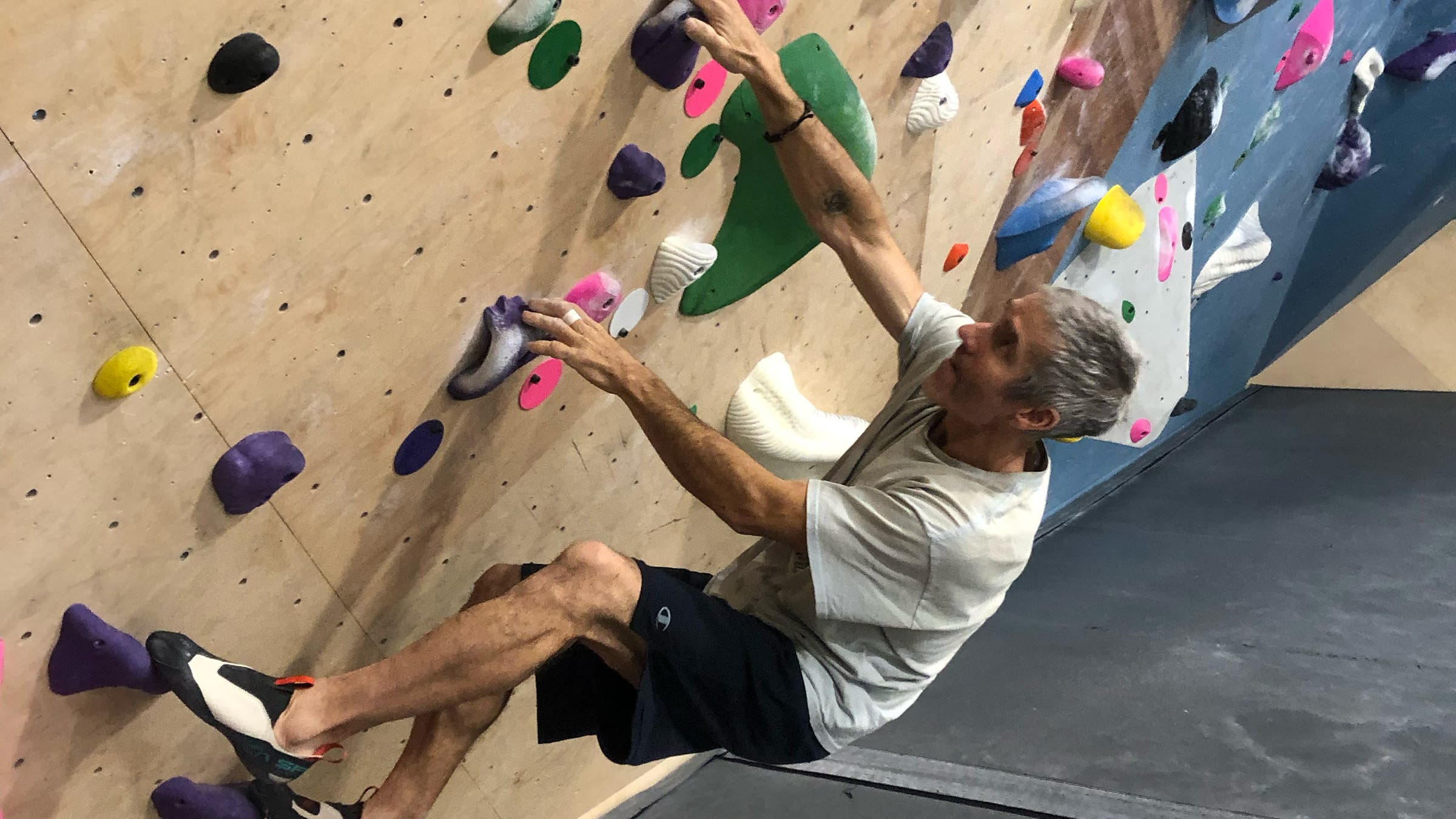
Fit: Fit is an intensely personal aspect of climbing shoe selection. Experienced climbers may even opt for multiple sizes of the same model: a looser, more forgiving fit for warm-ups, longer pitches, and general gym sessions, and a tighter, more aggressive fit for short, high-performance sport climbs and boulder problems. General guidelines suggest a snug fit that eliminates dead space, with toes gently curled forward without being painfully compressed. The heel should fit snugly, preventing slippage during heel hooks.
Break-In Period: High-performance climbing shoes, especially those with complex constructions and premium materials, often require a break-in period. This process allows the shoe to conform to the foot and soften, enhancing comfort and performance. Wearing new shoes around the house, utilizing the provided plastic sheets to ease entry, can accelerate this process. Gradual introduction to gym climbing before taking them on rock is recommended.
The evolution of climbing shoe technology continues to push the boundaries of what’s possible on the rock. The models highlighted in this guide represent the cutting edge of innovation, offering climbers unprecedented levels of performance, comfort, and versatility. As the sport grows and diversifies, so too will the footwear designed to support its most ambitious endeavors.