Samsung Galaxy Z Fold 8 and Galaxy Z Fold 8 Ultra Earn Coveted Consumer Reports Recommendation Seal
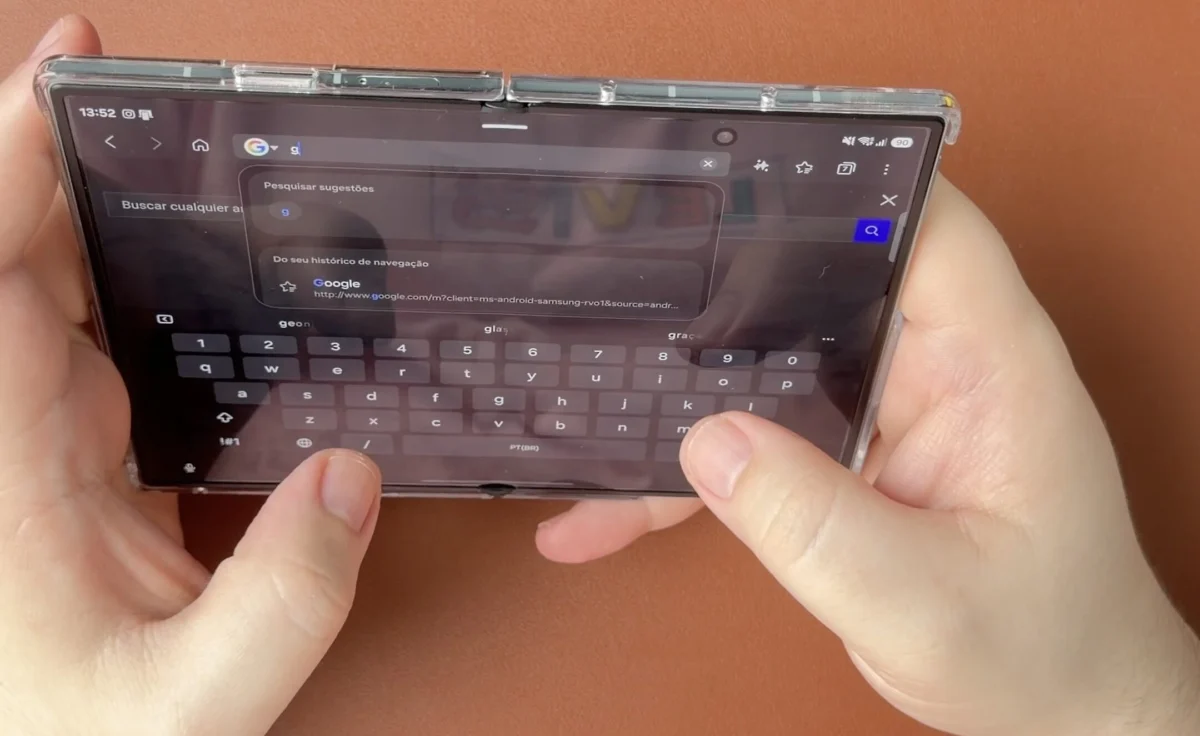
The Samsung Galaxy Z Fold 8 has officially secured a "recommended" status from Consumer Reports, marking a significant milestone for the South Korean tech giant’s foldable flagship lineup. This prestigious endorsement, which places the device alongside the Galaxy S26 Ultra in the publication’s hall of elite mobile hardware, serves as a crucial bellwether for consumer confidence in the rapidly maturing foldable smartphone market. By passing the rigorous, independent battery of tests conducted by Consumer Reports—an organization long regarded as the gold standard for unbiased product evaluation—the Z Fold 8 has demonstrated that Samsung’s folding architecture has reached a level of reliability and performance that rivals, and in some aspects surpasses, traditional high-end slab smartphones.
Rigorous Testing and Performance Benchmarks
Consumer Reports’ evaluation process is notoriously stringent, focusing on the specific pain points that have historically hindered the foldable category: hinge durability, display integrity, battery longevity, and thermal management. The Z Fold 8 was subjected to extensive automated stress tests, including thousands of open-close cycles, as well as real-world simulations of daily multitasking, high-resolution media consumption, and intensive gaming.
The device’s success in these evaluations is not merely a marketing win for Samsung; it reflects a technical maturity that has been years in the making. The testing methodology assessed the 7.6-inch LTPO Dynamic AMOLED 2X internal display, which supports a fluid 120 Hz refresh rate, noting its color accuracy and structural resilience. Furthermore, the integration of the Qualcomm Snapdragon 8 Elite Gen 5 for Galaxy processor provided the necessary computational headroom to satisfy the demanding multitasking workflows that define the Fold experience. With 12 GB of RAM and up to 512 GB of internal storage, the device maintained high performance scores even under sustained load, a critical metric for power users who rely on the device for professional productivity.
A Strong Commercial Trajectory
The official recommendation comes at a time when the Samsung foldable ecosystem is experiencing unprecedented commercial momentum. Market data indicates that the combined sales of the Galaxy Z Fold 8 and its higher-tier sibling, the Galaxy Z Fold 8 Ultra, have outperformed their predecessors by 30% within the same post-launch window. This surge in consumer adoption has forced Samsung to adjust its manufacturing forecasts, signaling a robust appetite for premium foldable devices.
Simultaneously, the Galaxy Z Flip 8 has carved out its own success story, proving to be a formidable "gateway" device for users migrating from competing ecosystems. Analysis of recent trade-in and purchase data suggests that the Z Flip 8 has attracted a higher volume of first-time foldable buyers than any previous iteration in the series. This shift highlights a broader industry trend: the transition from "early adopter" curiosity to mainstream acceptance. Consumers who previously viewed foldables as fragile or experimental are now increasingly comfortable investing in these devices as their daily drivers.
Comparative Analysis: The Foldable Arms Race
The landscape of foldable smartphones has grown increasingly competitive, particularly with the entry of major rivals such as the Apple iPhone Duo. While the Z Fold 8 features a 4,800 mAh battery—which, on paper, may appear slightly smaller than some specialized competitors—its real-world endurance remains competitive due to the highly optimized One UI 9.0 software layer running on Android 17.

A critical point of differentiation remains the software experience. While Apple’s entry into the space brings its own set of strengths, Samsung continues to benefit from years of iterative development on the Android platform. The multitasking interface on the Z Fold 8, which allows for complex multi-window configurations and seamless drag-and-drop operations, is currently considered more mature than the nascent implementations found on competing platforms. Furthermore, the Z Fold 8’s IP48 certification provides a level of water and dust resistance that remains a benchmark for the category, addressing the primary durability concerns that historically deterred mainstream consumers.
Technical Specifications at a Glance
To understand the hardware foundation that earned the Consumer Reports endorsement, one must look at the technical architecture. The device is built around a dual-display configuration:
- Internal Display: 7.6-inch LTPO Dynamic AMOLED 2X, 120 Hz
- External Display: 5.5-inch, 120 Hz
- Processor: Qualcomm Snapdragon 8 Elite Gen 5 for Galaxy
- Memory/Storage: 12 GB RAM / up to 512 GB UFS 4.0
- Camera System: 50 MP Main (OIS), 50 MP Ultrawide
- Battery/Charging: 4,800 mAh with 45 W wired fast charging
- Software: Android 17 with One UI 9.0
The camera suite, while retaining a familiar 50 MP configuration, has benefited from improved image signal processing (ISP) enabled by the Snapdragon 8 Elite, resulting in better low-light performance and faster shutter speeds—two areas where previous Fold iterations faced criticism.
The Evolution of the Foldable Timeline
The road to this recommendation began with the experimental, often turbulent, launches of the first-generation foldable devices in 2019. Over the subsequent seven years, Samsung systematically addressed structural weaknesses. The transition from the original polymer-based screens to modern Ultra Thin Glass (UTG) and the development of the "Flex Hinge" architecture were pivotal moments.
- 2019-2021: The "Proof of Concept" phase, characterized by concerns regarding crease visibility and hinge sensitivity.
- 2022-2024: The "Refinement" phase, where IP ratings were introduced and multitasking capabilities were expanded to capture the enterprise market.
- 2025-2026: The "Mainstream" phase, marked by the release of the Galaxy Z Fold 8/Ultra and Z Flip 8, focusing on camera parity with flagship slab phones and sustained battery performance.
Industry Implications and Future Outlook
The Consumer Reports endorsement acts as a final seal of approval for the foldable form factor. When a publication known for its conservative stance on product reliability gives a "recommended" label to a folding device, it signals to the general public that the technology is no longer a liability. This has profound implications for the mobile industry, as it likely forces competitors to accelerate their own research and development cycles to match Samsung’s established reliability benchmarks.
For Samsung, this recognition reinforces its position as the market leader. By balancing aggressive hardware innovation with the practical, boring, but essential "boring" metrics of reliability and serviceability, Samsung has managed to bridge the gap between technological novelty and utility. As the industry moves toward 2027 and beyond, the focus will likely shift toward further reducing the weight and thickness of these devices, as well as integrating more advanced AI-driven features into the unique, expansive canvas that a foldable display provides.
In summary, the Samsung Galaxy Z Fold 8 stands as a testament to the power of iterative engineering. By successfully navigating the rigorous demands of independent testers while simultaneously achieving significant commercial success, Samsung has validated the foldable category. For the average consumer, this means that the "future of the smartphone" is no longer a distant promise—it is a present-day, reliable reality. The device’s ability to handle the rigors of daily life, supported by the deep customization of the Android 17 ecosystem, ensures its place as a top-tier choice for professionals and enthusiasts alike. As production scales to meet the growing demand, Samsung is well-positioned to maintain its dominance in the foldable market, setting a high bar for any manufacturer looking to enter or expand within this space.

Related News