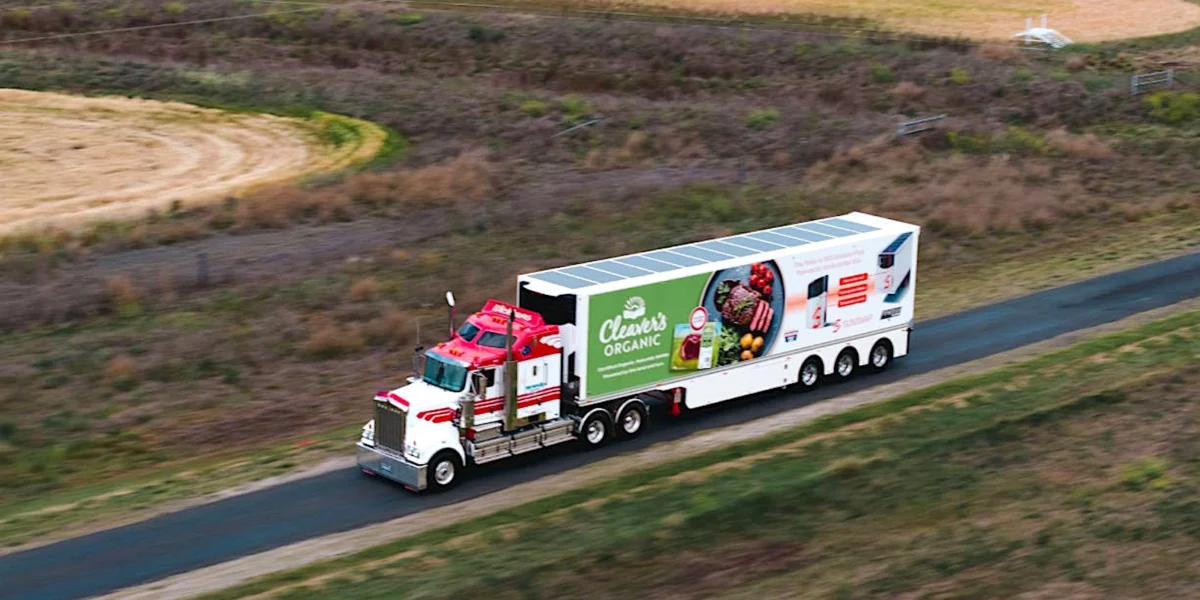
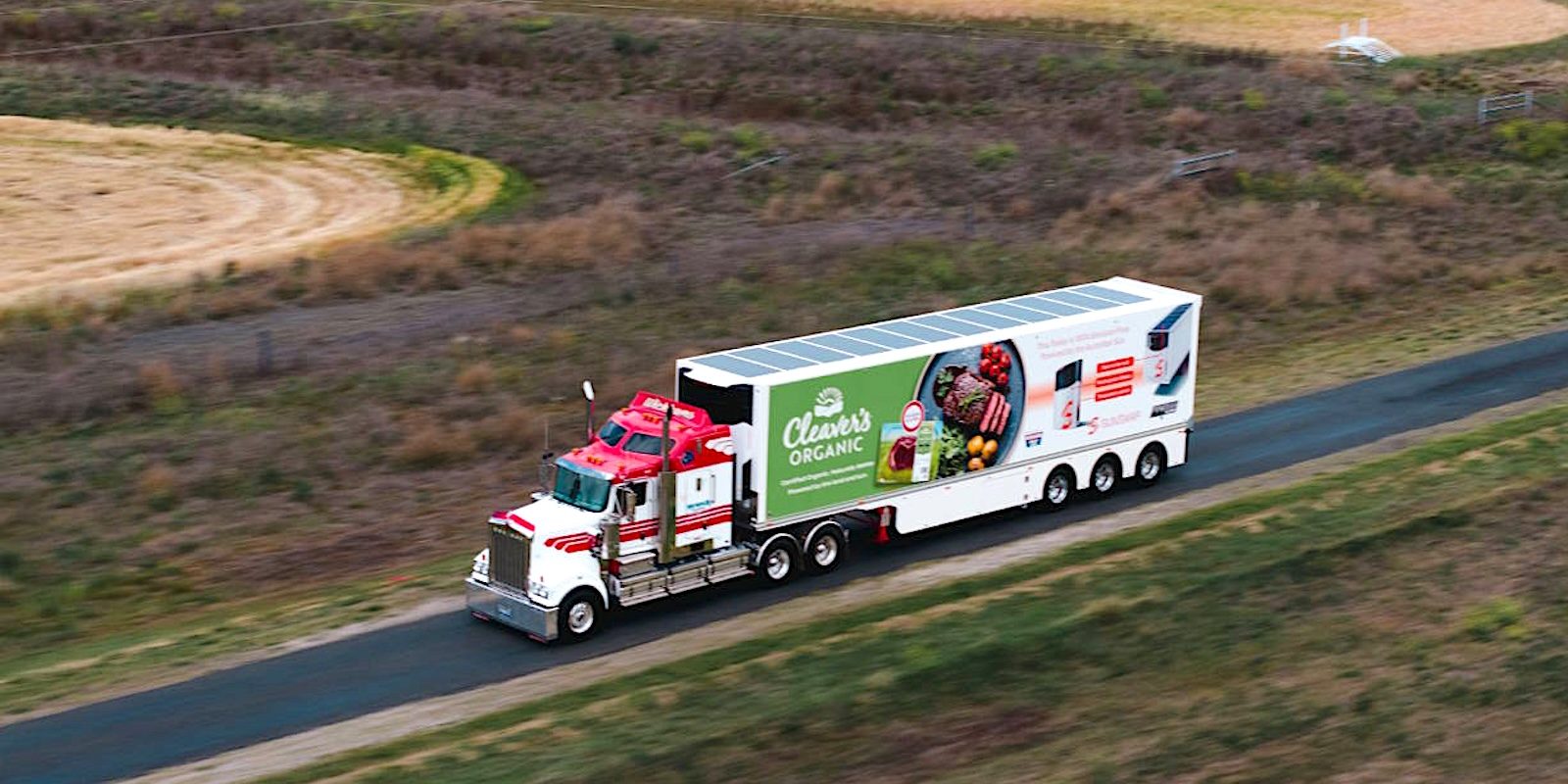
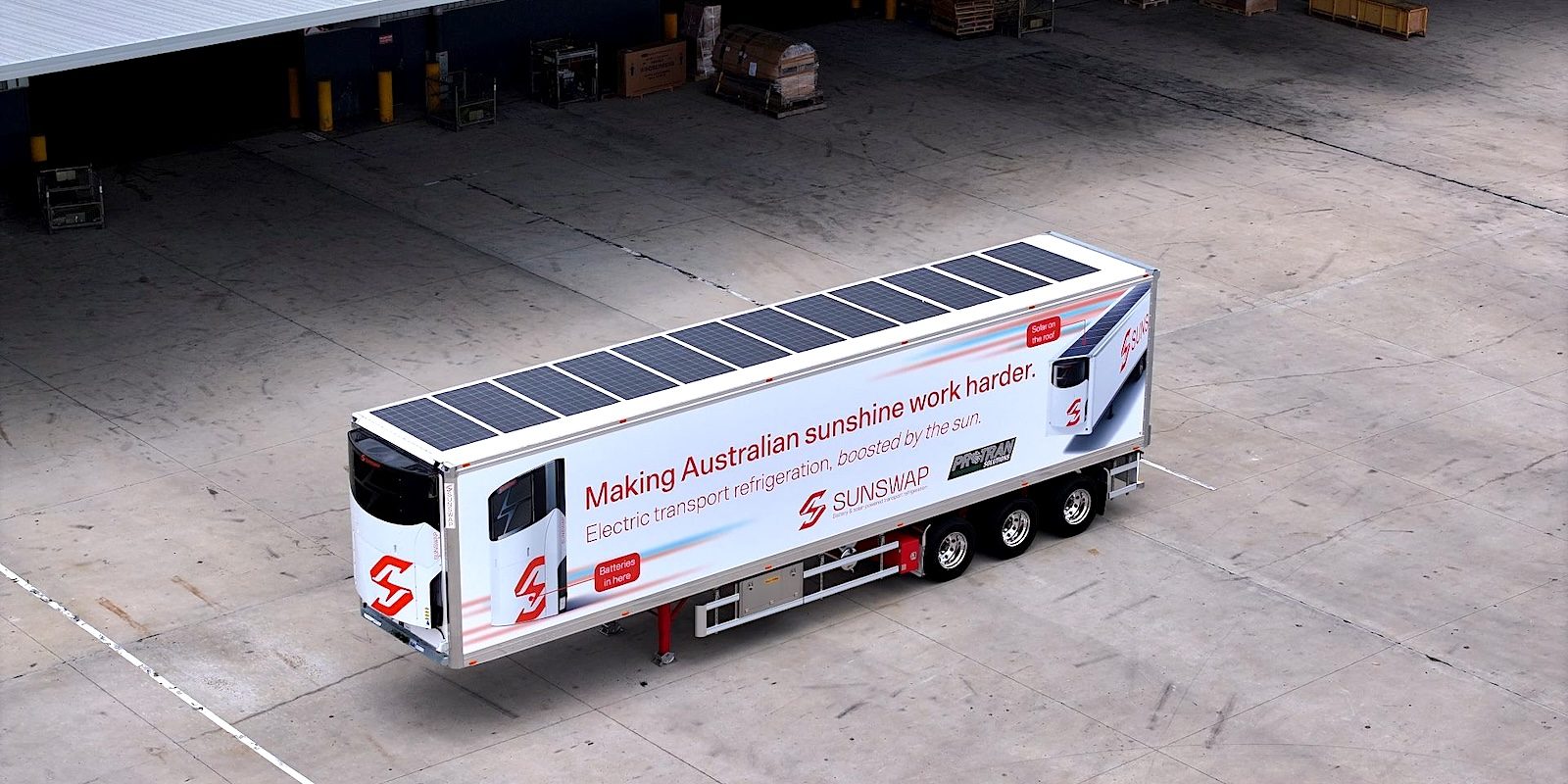
The transition toward sustainable logistics in the Southern Hemisphere has reached a significant milestone with the commercial deployment of Australia’s first regular-production, solar-powered battery-electric trailer refrigeration unit. Wickham Freight Lines, a prominent family-owned transport and logistics enterprise operating across Australia’s eastern seaboard, officially took delivery of the Sunswap Endurance unit this week. This acquisition follows a rigorous, real-world freight trial designed to test the limits of zero-emission cold chain transportation under demanding climatic and operational conditions.
The integration of this technology addresses one of the most stubborn and environmentally taxing segments of the commercial transport sector. While heavy-duty prime movers have increasingly benefited from electrification and alternative fuels, the auxiliary engines powering refrigerated trailers—commonly known as reefers—have historically lagged behind in decarbonization efforts.
The Hidden Environmental Cost of the Cold Chain
Refrigerated transport is a non-negotiable component of modern supply chains, ensuring that perishable commodities such as fresh produce, meat, dairy, and pharmaceuticals move safely from agricultural hubs to urban consumer markets. However, the conventional technology utilized to maintain these precise thermal ranges has long carried a heavy environmental toll.
Traditionally, reefers are powered by independent, dedicated diesel generators. These auxiliary engines typically run on high-sulfur, red-dye diesel fuel, operating continuously around the clock regardless of whether the primary truck towing the trailer is idling, moving, or even fully electric. Because these generators lack the sophisticated emissions-control equipment found in modern highway truck engines, they spew disproportionately high volumes of carbon dioxide (CO2) and nitrogen oxides (NOx) into the atmosphere.
Furthermore, because these refrigerated units frequently operate while parked at distribution centers, loading docks, and urban supermarkets overnight, they generate significant localized air pollution and persistent noise disturbances. As municipal authorities globally—and increasingly within Australian metropolitan centers—tighten environmental regulations concerning noise pollution and diesel emissions, fleet operators face mounting pressure to eliminate auxiliary fossil fuel combustion entirely.
A Rigorous Trial Across the East Coast
Recognizing the imperative to modernize its cold chain operations, Wickham Freight Lines agreed to participate in an extensive field trial of the Sunswap Endurance unit. The evaluation period took place over the Australian summer, a season characterized by intense ambient heat that places maximum stress on refrigeration machinery.
The trial route spanned approximately 1,670 to 1,671 kilometers, tracing the vital commercial corridor between Sydney and Brisbane and back. The journey required more than 30 hours of continuous driving, exposing the solar-powered reefer to diverse weather patterns, highway speeds, and variable solar irradiance. Operating under standard commercial conditions, the transport company deliberately instructed its drivers to treat the innovative trailer just as they would any conventional diesel-powered unit, making no concessions for its alternative powertrain.
The results of the grueling test exceeded expectations. Upon completing the arduous round trip, the trailer’s onboard battery system retained more than 65 percent of its total capacity. This performance demonstrated not only that the integrated solar panels and battery storage could reliably maintain the required internal temperatures for sensitive cargo, but also that the unit possessed a substantial operational safety buffer for longer or more congested routes.
Chronology of Innovation
The commercial rollout of the Sunswap Endurance in Australia is the culmination of years of targeted engineering and strategic market introduction.
- May: The Sunswap Endurance solar-powered reefer unit made its public debut in the Australian market at the HVIA TruckShowX event held in the Hunter Valley. The showcase drew significant attention from fleet operators seeking viable pathways to fleet decarbonization.
- Summer: Wickham Freight Lines deployed the unit on its inaugural high-stress trial run between Sydney and Brisbane, accumulating over 1,670 kilometers of operational data.
- October: Following the success of the summer trial, Wickham Freight Lines formally finalized the purchase, making history as the first Australian transport company to integrate a production-ready solar-electric reefer into its active commercial fleet.
Industry Perspectives and Commercial Viability
The decision by Wickham Freight Lines to move from trial status to full commercial acquisition underscores a broader shift in the logistics sector toward technologies that offer both environmental benefits and tangible economic returns.
Graham Keogh, Director at Wickham Freight Lines, highlighted the pragmatic approach the company took when evaluating the new technology. "I put the Sunswap Endurance into the fleet and told the team to stretch it—treat it as a normal unit," Keogh noted. "We were genuinely impressed. I’m a true believer. I love the technology and I’m not a true tech person whatsoever. You can just see that it’s a winner. The performance, reliability, and operational savings were beyond what we expected."

Keogh emphasized that for a business operating an extensive fleet across Australia’s eastern seaboard with a primary focus on temperature-sensitive freight, sustainability initiatives must align with commercial realities. The elimination of diesel fuel consumption for refrigeration translates directly into reduced fuel expenditures, lower maintenance costs associated with complex diesel generators, and immunity from volatile fossil fuel price fluctuations.
Broader Implications for the Logistics Sector
The successful deployment of Australia’s first solar-powered battery-electric reefer signals a potential turning point for the nation’s freight and logistics industry. As supply chain operators face tightening corporate sustainability mandates and anticipate future regulatory penalties for carbon-intensive operations, zero-emission auxiliary technologies offer a clear compliance pathway.
The combination of photovoltaic solar generation on the trailer roof and high-capacity onboard battery storage addresses the "range anxiety" and energy-load challenges traditionally associated with mobile refrigeration. By harvesting ambient solar energy while in transit or parked under sunlight, the system minimizes reliance on grid-based recharging while virtually eliminating on-site diesel emissions at loading docks and urban distribution hubs.
Industry analysts suggest that if early adopters like Wickham Freight Lines continue to report favorable reliability and operational savings, demand for solar-electric refrigerated trailers is likely to accelerate across Australia. As manufacturing scales and technology costs normalize, the phasing out of auxiliary diesel reefers may transform from a progressive sustainability strategy into an industry-standard practice for cold chain logistics worldwide.