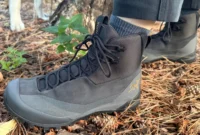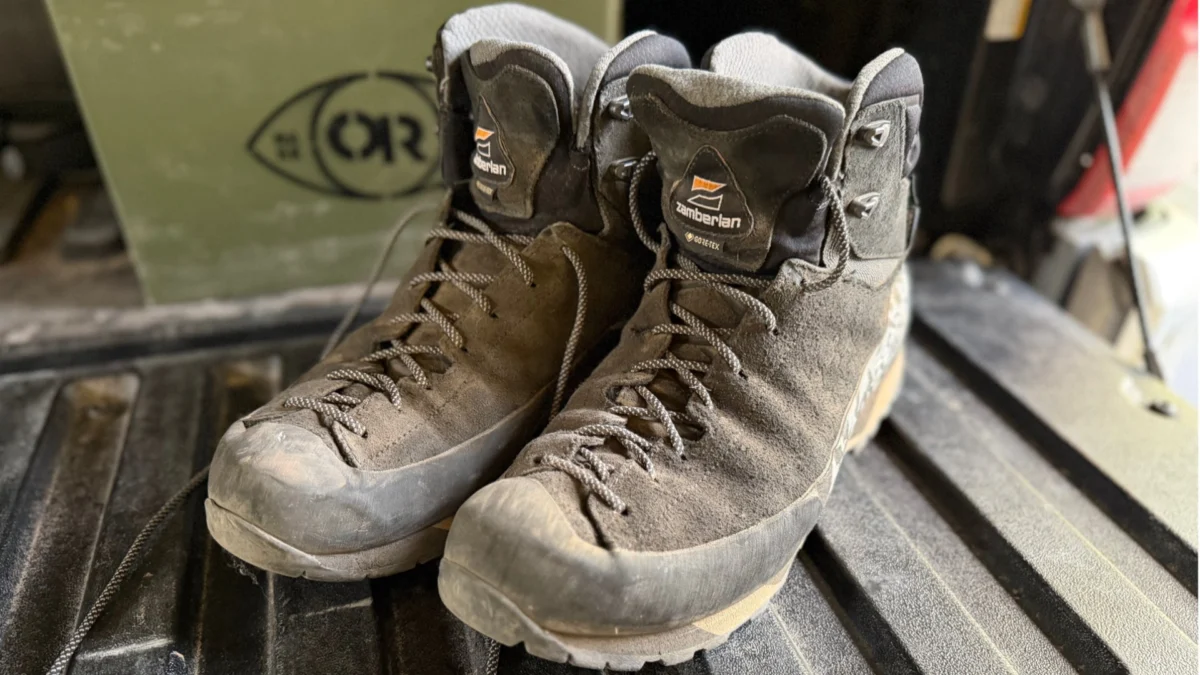
The evolution of modern outdoor recreation has been defined by an unrelenting pursuit of efficiency. On long-distance footpaths across the globe, the paradigm of wilderness travel has shifted dramatically over the past two decades. Athletes and casual backpackers alike now prioritize speed, minimal weight, and high-tech digital integration, resulting in the rapid obsolescence of a once-sacrosanct piece of outdoor gear: the traditional leather or heavy synthetic hiking boot.
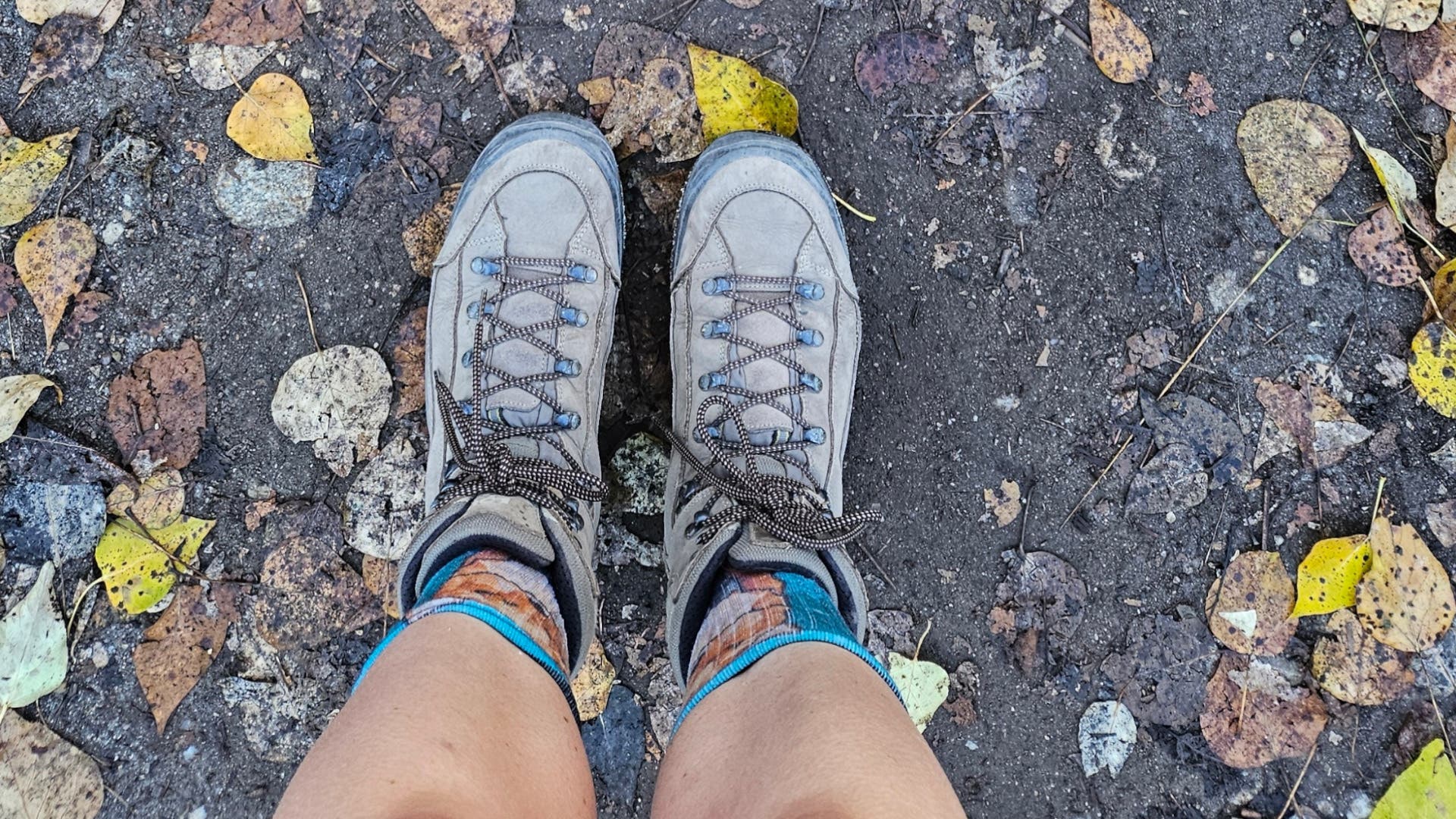
While cutting-edge materials have revolutionized ultra-light tents, moisture-wicking apparel, and GPS-enabled navigation devices, footwear has undergone the most visible cultural and functional transformation. Industry data indicates that low-cut trail runners and lightweight hiking shoes have systematically replaced traditional boots on major American routes. On endurance paths like the 2,190-mile Appalachian Trail, internal outfitter surveys and thru-hiker data suggest that upwards of 90 percent of participants now opt for low-profile running shoes. This massive market shift has left traditional ankle-height boots occupying a shrinking niche among modern backpackers, raising broader questions about durability, environmental sustainability, and the changing philosophy of wilderness exploration.
The Shift Toward Ultra-Light Footwear: Chronology and Market Dynamics
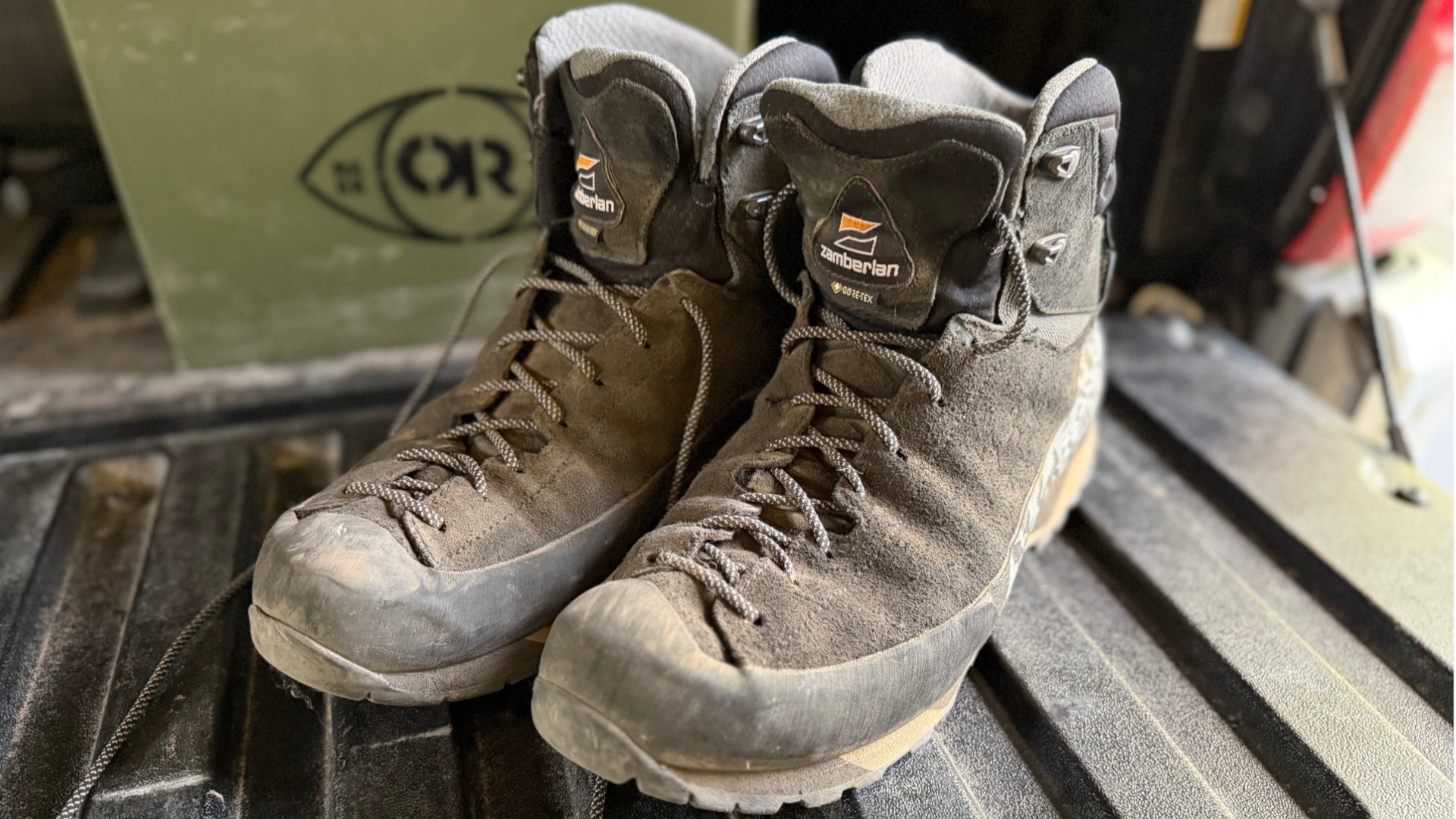
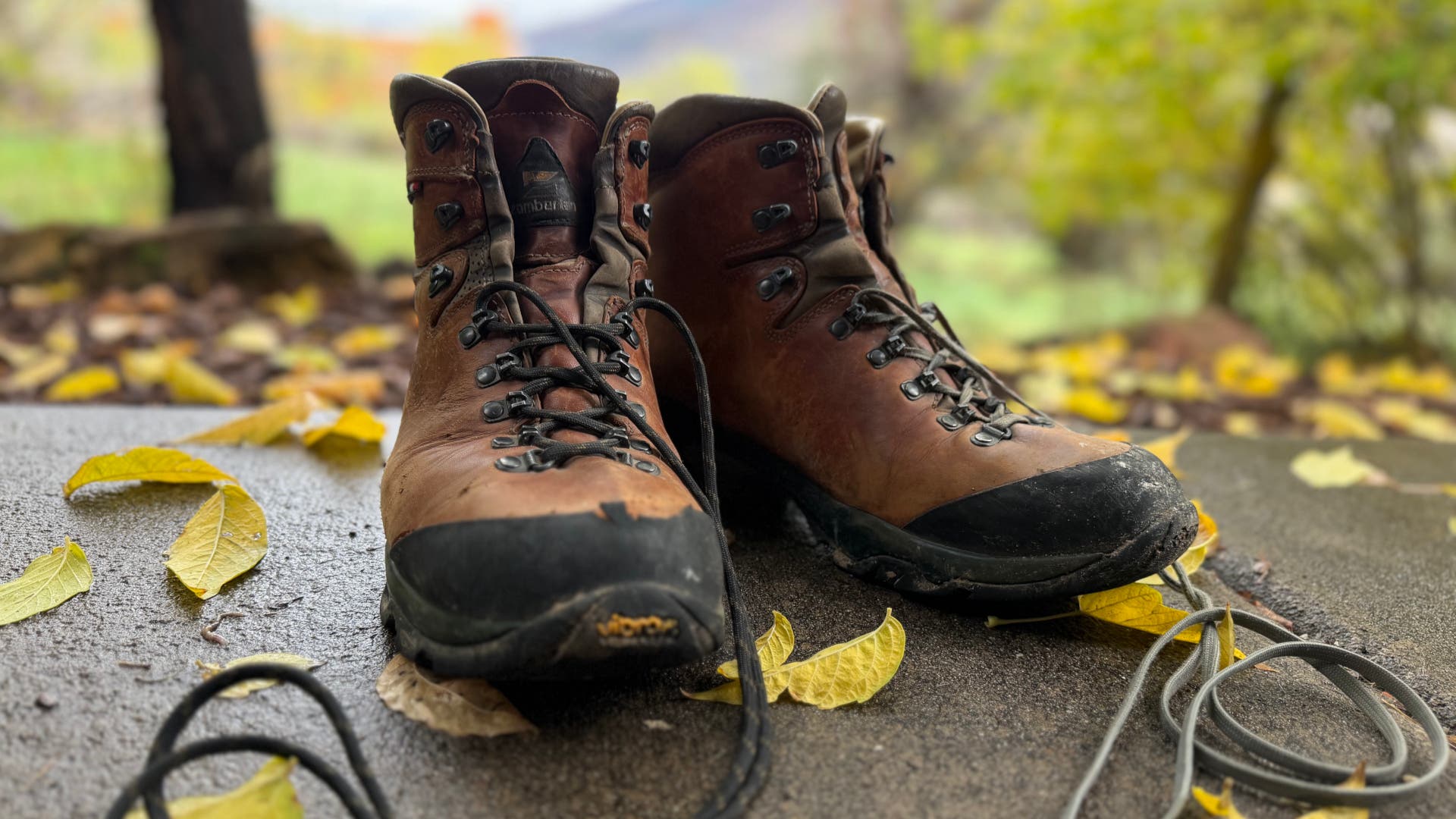
The transition from sturdy footwear to lightweight alternatives did not happen overnight. For much of the twentieth century, heavy leather boots reinforced with steel shanks and Vibram soles were the undisputed industry standard. These boots required extensive "break-in" periods, offered maximal ankle support, and often weighed well over three pounds per pair.
However, the rise of the ultra-light backpacking movement in the late 1990s and early 2000s fundamentally challenged this approach. Pioneered by long-distance hikers aiming to drastically reduce base pack weights to cover greater daily distances, the philosophy dictated that every ounce on one’s feet equated to multiple pounds on one’s back. Footwear manufacturers responded by adapting running shoe technology for uneven terrain, introducing breathable mesh uppers, flexible midsoles, and aggressive rubber treads designed specifically for dirt paths rather than asphalt.
By the 2010s, trail runners had evolved from a fringe choice used primarily by speed-seeking thru-hikers into the dominant footwear category across specialty retail stores. Brands that historically specialized in rigid mountaineering and trekking boots expanded their catalogs to include hybrid models and low-cut shoe lines to meet consumer demand. Consequently, traditional boots were increasingly relegated to traditionalists, winter mountaineers, and hikers tackling exceptionally rocky or snow-packed environments.
Durability, Economics, and the Disposable Footwear Dilemma
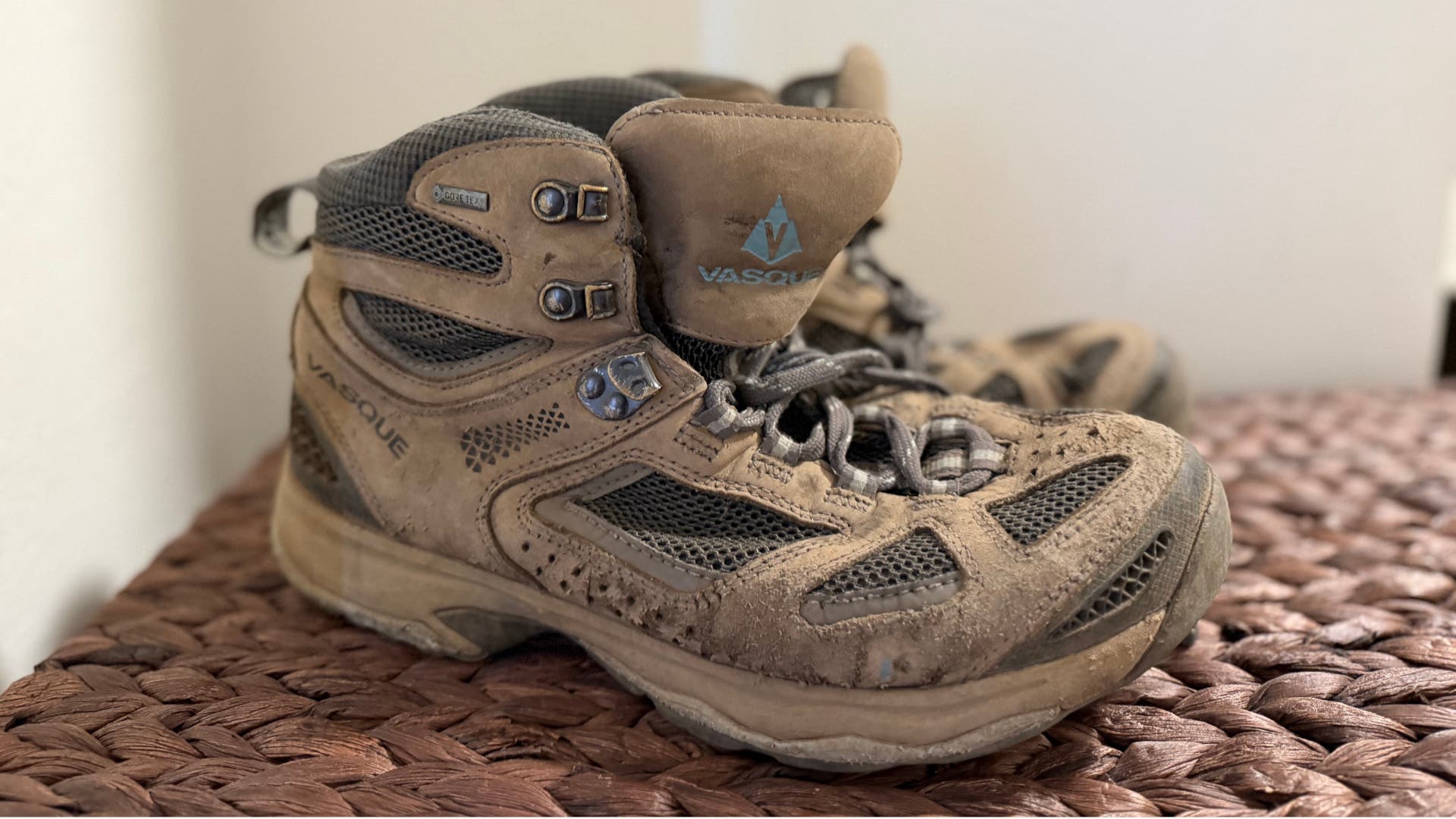
The widespread adoption of trail runners has introduced a distinct set of economic and material challenges for modern outdoor enthusiasts. While lightweight shoes offer immediate comfort, zero break-in time, and superior breathability, they come at the cost of structural longevity.
Industry reports and interviews with long-distance hikers highlight a startling disparity in lifespan between the two footwear categories. While a well-maintained pair of full-grain leather hiking boots can endure multiple seasons—and in some cases, decades—of rugged use, modern trail runners are often treated as disposable items. Data compiled from endurance athletes reveals that some high-mileage thru-hikers burn through as many as 12 to 14 pairs of lightweight shoes during a single continuous continental journey.
This rapid turnover has direct implications for consumer spending and waste generation. Traditional boot manufacturers frequently support sustainability efforts by offering resoling and refurbishment services, extending the operational life of a single pair of footwear by several years. Conversely, the bonded foam midsoles and glued-together mesh uppers of most trail runners cannot be easily resoled, ensuring that worn-out pairs invariably end up in municipal landfills.
Environmental Implications: Waste Streams and Microplastic Pollution
As outdoor participation numbers surge globally, the environmental footprint associated with gear replacement has drawn increased scrutiny from researchers, conservationists, and manufacturing representatives.
The sheer volume of discarded footwear presents a growing waste management challenge. Although several prominent footwear brands have introduced recycling initiatives or incorporated Global Recycled Standard (GRS) certified materials into their production lines, the frequency of replacement among trail runner users heavily offsets these gains. Disposing of a dozen pairs of synthetic shoes annually generates a significantly larger physical footprint than maintaining a single pair of resoleable boots.
Beyond municipal waste, recent scientific investigations have pointed to a less visible environmental threat: microplastic pollution in remote aquatic ecosystems. Researchers monitoring pristine wilderness lakes and alpine streams have detected rising concentrations of microplastic particles, tracing a portion of the contamination back to the breakdown of synthetic footwear soles. Soft-soled athletic shoes, subjected to friction against abrasive rock and gravel over hundreds of miles, continuously shed microscopic rubber and plastic fragments into the surrounding environment. While comparative studies suggest that harder rubber compounds utilized in heavy-duty boots may shed at different rates or contribute less significantly to aquatic microfiber pollution, the broader ecological consequences of high-wear outdoor footwear remain an active area of scientific study.
Functional Trade-Offs: Speed Versus Protection and Presence
The debate between boots and shoes ultimately extends beyond environmental metrics to encompass the psychological and biomechanical experience of moving through natural landscapes.
Proponents of lightweight footwear emphasize agility, reduced fatigue, and the ability to maintain a rapid pace over long distances. For athletes racing against time or striving to complete designated routes under strict itineraries, minimizing foot weight is a physiological necessity.
In contrast, traditionalists argue that the physical limitations imposed by heavy boots offer distinct advantages. The rigidity and height of a traditional boot provide substantial mechanical protection against common trail injuries, such as severe ankle sprains caused by missteps on loose scree, exposed roots, or uneven boulder fields. Furthermore, proponents suggest that the deliberate, measured pace enforced by heavier footwear naturally alters a hiker’s engagement with the environment. By moderating travel speed, boots can encourage a heightened awareness of surrounding topography, ambient sounds, and local ecology, contrasting with the high-velocity mindset often associated with modern trail culture.
Industry Outlook and the Future of Wilderness Gear
As the outdoor industry looks toward the future, manufacturers face the complex task of balancing consumer demands for featherlight performance with growing pressure to address sustainability and product life cycles.
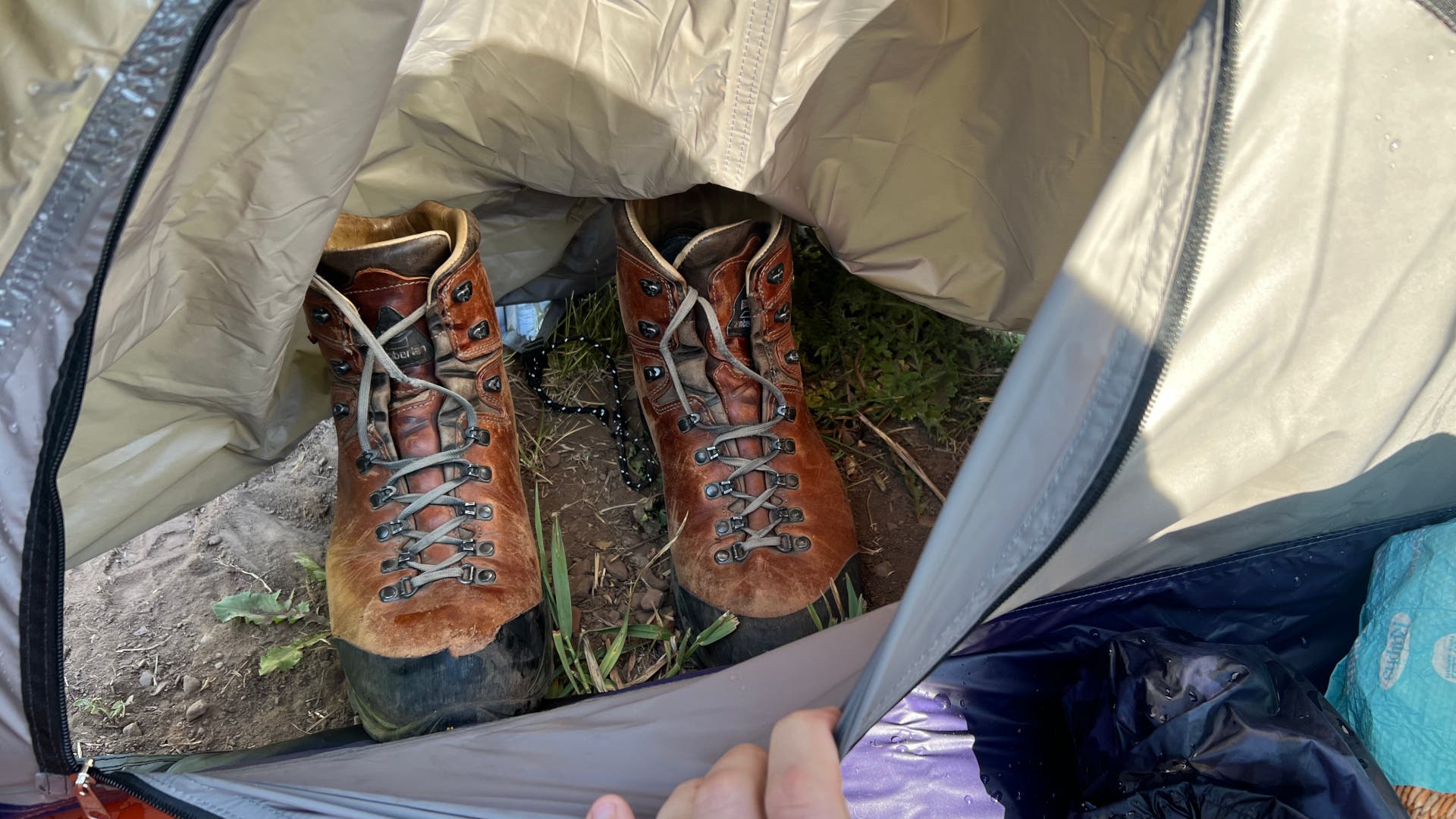
While market trends strongly favor lightweight, highly specialized athletic footwear, a dedicated demographic of traditionalists continues to sustain the market for heritage-style boots. Specialty cobblers and heritage brands report steady, albeit niche, demand from consumers who value repairability, long-term durability, and the personal narrative embedded in weathered leather.
Ultimately, the divergence in footwear preference reflects a broader philosophical split within the modern outdoor community. Whether a hiker chooses the ephemeral efficiency of a high-tech trail runner or the enduring reliability of a resoleable leather boot, the choice mirrors individual priorities regarding speed, comfort, environmental responsibility, and the timeless relationship between traveler and terrain.